
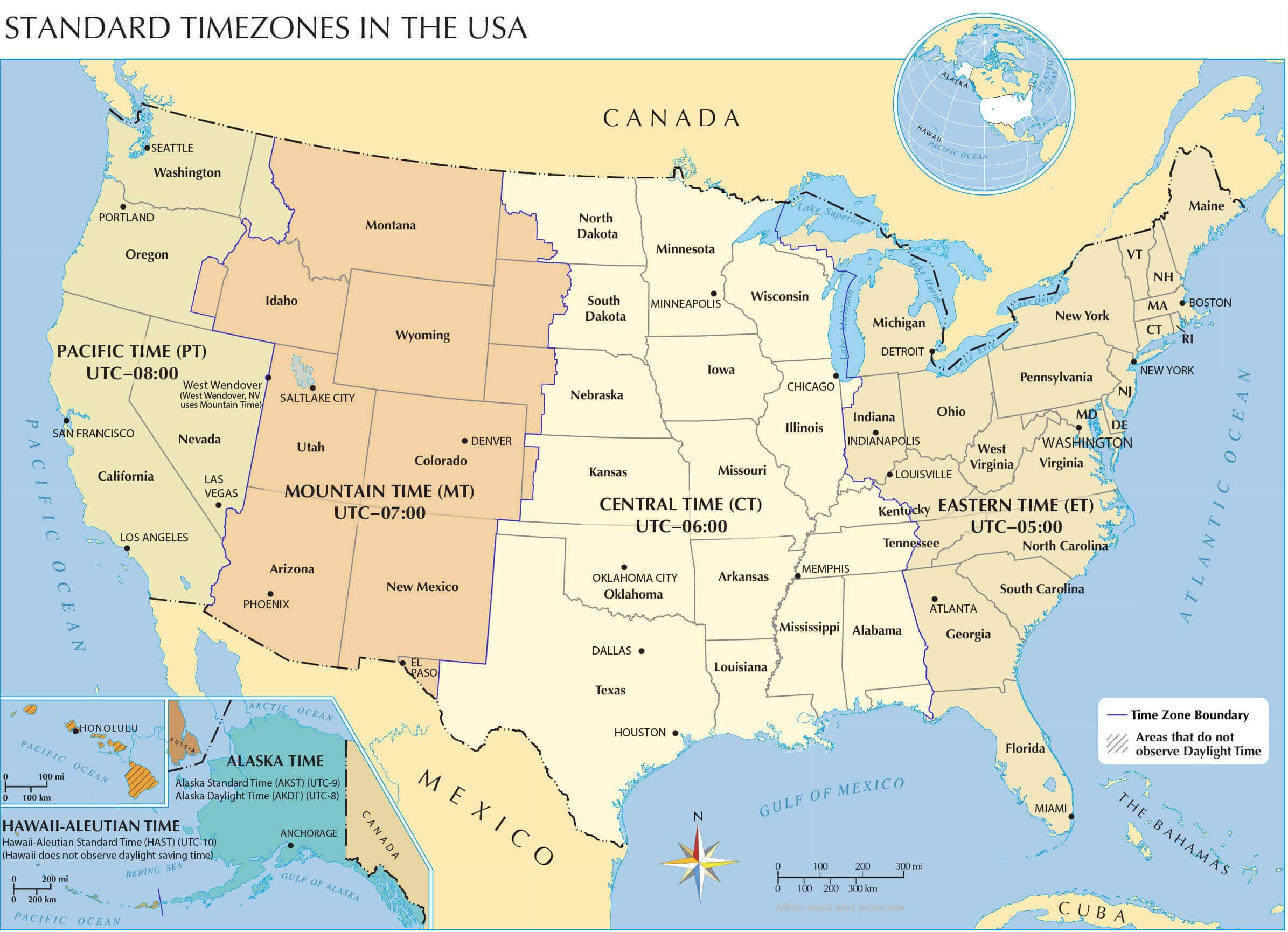
To answer directly, California observes the Pacific Time Zone. This means that during standard time, it is eight hours behind Coordinated Universal Time (UTC-8), known as Pacific Standard Time (PST). When Daylight Saving Time is in effect, typically from March to November, California switches to Pacific Daylight Time (PDT), making it seven hours behind UTC (UTC-7). So, whether you’re planning a trip, a business call, or simply curious, knowing whether it’s PST or PDT is the first step to connecting with the Golden State.
But understanding the precise time in California is far more than just a quick clock check. It’s the gateway to planning an unforgettable journey, optimizing your travel itinerary, and truly immersing yourself in the diverse rhythms of this vibrant state. From coordinating flights and hotel bookings to experiencing world-class attractions and engaging with its unique lifestyle, time plays a pivotal role in every aspect of a California adventure. Whether you are a solo explorer, a family seeking fun, or a business traveler, mastering the art of time management in California will enhance your entire experience, turning potential logistical headaches into seamless transitions between unforgettable moments.

Navigating California’s Time Zones: More Than Just the Clock
The concept of time, particularly across different geographical regions, is fundamental to global connectivity and travel planning. For California, its position within the Pacific Time Zone has significant implications for both domestic and international visitors. This understanding is crucial for everything from managing jet lag to ensuring you don’t miss out on essential experiences or business commitments.
Understanding PST and PDT
The Pacific Time Zone is one of the nine standard time zones in the United States and Canada. It covers the westernmost states of the contiguous United States, including California, Nevada, Oregon, Washington, and a small portion of Idaho. As mentioned, Pacific Standard Time (PST) is UTC-8, while Pacific Daylight Time (PDT) is UTC-7. The switch to Daylight Saving Time occurs on the second Sunday in March when clocks “spring forward” an hour, and it ends on the first Sunday in November when they “fall back.” This annual adjustment means that for a significant portion of the year, California enjoys an extra hour of daylight in the evenings, impacting everything from tourist attraction operating hours to the timing of outdoor activities and social events.
For those traveling from different parts of the world or even other regions of the United States, these time differences can be substantial. For instance, someone traveling from the East Coast of the United States, which observes the Eastern Time Zone (UTC-5/UTC-4), will experience a three-hour time difference. Travelers from London, observing Greenwich Mean Time (GMT/UTC+0), will face an eight-hour difference during PST and a seven-hour difference during PDT. Understanding this initial time offset is the foundational knowledge for seamless travel planning, allowing you to mentally prepare for the transition and make necessary adjustments to your itinerary.
The Practicalities of Time Differences for Travelers
Beyond simply knowing what time it is, the practical implications of time differences are multifaceted, especially for travelers. One of the most common challenges is jet lag. Crossing multiple time zones can disrupt your body’s natural circadian rhythm, leading to fatigue, disorientation, and difficulty sleeping. To mitigate this, experts often recommend gradually adjusting your sleep schedule a few days before departure, staying hydrated, and exposing yourself to natural light upon arrival in California. For example, if you arrive in Los Angeles in the morning, spending time outdoors can help reset your internal clock more quickly.
Coordinating with family, friends, or colleagues back home also becomes a key consideration. A morning meeting in New York City (Eastern Time) will mean a very early start if you’re in San Francisco (Pacific Time). Conversely, an evening call with family in Europe might fall in the middle of your California afternoon. Being mindful of these overlaps and planning communication strategically can prevent missed connections and ensure important messages are conveyed at appropriate times.
Moreover, the timing of booking various aspects of your trip is critical. When booking flights, tours, and especially accommodation – be it luxury hotels, family-friendly resorts, charming apartments, or secluded villas – it’s paramount to double-check all times against California local time. A flight departing at 9:00 AM from your home city might mean arriving in California at an entirely different local time, factoring in both flight duration and time zone changes. Similarly, a check-in time of 3:00 PM for your suite at a Santa Monica beachfront hotel should be understood in Pacific Time. Missing these details can lead to inconvenience, missed reservations, or unnecessary waiting. Always confirm local times for any reservation or activity to ensure a smooth and stress-free experience.
California: A Land of Diverse Experiences, Timelessly Explored
California’s vast geographical and cultural landscape means that every hour of the day can offer a unique experience. From the majestic mountains to the sun-drenched coastlines, the state truly is a destination where time can be spent in countless rewarding ways, aligning perfectly with the broad scope of travel and tourism experiences.
From Sunrise in the Sierra Nevada to Sunset in Malibu
Imagine starting your day with the breathtaking beauty of a sunrise over the granite peaks of the Sierra Nevada, perhaps within Yosemite National Park. Here, early mornings are perfect for hiking to Glacier Point or exploring the tranquil meadows of Tuolumne Meadows before the crowds arrive. The crisp mountain air and the golden light illuminating natural landmarks like El Capitan and Half Dome create an unparalleled experience for nature lovers and photographers. A little further north, Lake Tahoe offers early risers opportunities for paddleboarding on glassy waters in summer or hitting the slopes at Heavenly Mountain Resort right at opening during winter.
By midday, you could be traversing the dramatic coastal highway of Big Sur, stopping at scenic overlooks like Bixby Bridge or exploring hidden coves. The intense blue of the Pacific Ocean contrasting with the rugged cliffs is a quintessential California experience. Alternatively, for those seeking urban vibrancy, the bustling streets of San Francisco offer midday excursions to Alcatraz Island or a cable car ride through the city’s iconic hills, past landmarks like the Golden Gate Bridge.
As evening approaches, the focus shifts westwards. The Malibu coastline, with its upscale beaches and celebrity homes, provides a perfect setting for a spectacular Pacific Ocean sunset. Imagine enjoying a gourmet meal at a cliffside restaurant as the sky transforms into hues of orange and purple. Further south, the vibrant city of San Diego comes alive with its lively Gaslamp Quarter, offering diverse dining and entertainment options as the day winds down. The transition from sunrise to sunset in California encapsulates the state’s incredible diversity, ensuring there’s always an activity perfectly timed for every part of your day, regardless of your travel style.
Culinary Journeys and Cultural Immersion Around the Clock
California’s culinary scene and cultural offerings are as diverse as its landscapes, providing opportunities for tourism and lifestyle exploration at any hour. Your day could begin with a quintessential California breakfast: a farm-to-table brunch in San Francisco’s Ferry Building Marketplace or fresh avocado toast at a trendy cafe in Venice Beach. The emphasis on fresh, local ingredients is a cornerstone of California’s food culture.
Mid-morning transitions perfectly into a visit to California’s famed Wine Country. In regions like Napa Valley and Sonoma Valley, vineyard tours and wine tastings typically begin around 10:00 AM or 11:00 AM, allowing ample time to explore several wineries before lunch. This immersive experience into viticulture not only offers exquisite wines but also showcases the agricultural beauty and local culture of these valleys. Many wineries also feature on-site restaurants, providing perfectly paired culinary delights.
Afternoons in California are prime for cultural immersion or thrilling attractions. World-renowned museums like The Getty Center in Los Angeles or the de Young Museum in San Francisco typically operate from late morning into the early evening, providing hours of exploration of art, history, and science. For families, theme parks are a major draw. Disneyland Park in Anaheim and Universal Studios Hollywood in Universal City are open from morning until late at night, offering rides, shows, and parades that require careful timing to experience fully. Checking their operating hours in advance, especially during peak seasons, is always a wise tip.
As dusk falls, California’s cities light up. Los Angeles offers a vibrant nightlife, from high-end dining experiences in Beverly Hills to casual late-night taco trucks in East LA. San Francisco boasts world-class restaurants and lively bars in neighborhoods like the Mission District. Attending a live music performance at iconic music venues in Hollywood or catching a show at the Walt Disney Concert Hall can be the perfect end to a day. The beauty of California’s diverse offerings is that whether you’re an early bird or a night owl, there’s always something to discover, ensuring your visit is rich with memorable experiences.
Planning Your Golden State Getaway: Timing is Everything
The art of planning a trip to California involves more than just selecting destinations; it requires a strategic approach to timing. From seasonal considerations to event schedules and booking windows, every detail contributes to the overall success and enjoyment of your travels.
Optimizing Your Itinerary for Maximum Enjoyment
Understanding the best times to visit different regions of California is paramount for an optimal experience. The state’s diverse climate means that while summer is perfect for coastal areas and national parks, it can be extremely hot in the deserts like Death Valley. Conversely, winter is ideal for skiing in the Sierra Nevada but might bring rain to the coast. Spring and fall often present the mildest weather across the state, making them excellent choices for exploring cities and wine regions. For example, Napa Valley’s “crush season” in early fall is a particularly vibrant time to visit, though it also means higher prices and more crowded accommodations.
Avoiding crowds at popular landmarks is another key consideration. Iconic spots like the Golden Gate Bridge, Hollywood Walk of Fame, or Santa Monica Pier can become quite congested, especially during peak tourist seasons and mid-day hours. Visiting these attractions early in the morning or later in the afternoon can often provide a more relaxed and enjoyable experience, offering better photo opportunities and fewer queues. Similarly, for theme parks like Disneyland, going on weekdays during off-peak seasons (excluding major holidays) can significantly reduce wait times for rides and shows.
Booking in advance is a crucial tip, particularly for high-demand suites, luxury resorts, or specific tours. California is a popular destination year-round, and the best accommodations and experiences, especially those offering unique amenities or prime locations, can sell out months ahead. Utilizing booking platforms and checking reviews and comparison sites well in advance ensures you secure your preferred options at the best rates. Additionally, researching local festivals or events can either enhance your trip (if you wish to attend) or help you avoid areas that might be overly crowded or expensive during specific times. For instance, the Pasadena Rose Parade on New Year’s Day draws massive crowds to Pasadena.
Lifestyle and Business: A 24/7 Economy
California’s unique position in the global economy means that time differences have significant implications beyond just tourism. The state is home to Silicon Valley, the hub of technology and innovation, and Hollywood, the heart of the entertainment industry. For business travelers, navigating these time zones is critical for international calls, virtual meetings, and market interactions. A 9:00 AM start in San Francisco means a late afternoon in London and an even later evening in Tokyo. Business hotels in major cities like San Francisco, Los Angeles, and San Jose often cater to these needs, offering 24/7 services and robust connectivity.
From a lifestyle perspective, the timing of your visit can also influence your travel budget and the overall ambiance of your trip. Luxury travel experiences, from exclusive resorts in Laguna Beach to high-end dining, are often more expensive during peak seasons. Conversely, budget travel enthusiasts can find more affordable options and fewer crowds during the shoulder seasons (spring and fall) or by taking advantage of weekday rates. Family trips require careful planning around school holidays and children’s sleep schedules, especially when crossing multiple time zones. Many family-friendly resorts and attractions offer programs and amenities designed to ease the transition for younger travelers.
For those considering a long-term stay in California, integrating into the local time rhythm becomes second nature. Whether renting an apartment in a bustling city or a villa overlooking the coast, understanding daily routines, local market hours, and community events will enrich the experience of living like a local. The vibrant energy of California is continuous, but appreciating its different facets requires an awareness of its temporal ebb and flow.
In conclusion, while the immediate answer to “What Time Is In California Right Now?” is straightforward – it’s currently observing either Pacific Standard Time (UTC-8) or Pacific Daylight Time (UTC-7) – the broader implications of this simple question are profound. It unlocks a deeper understanding of how time influences everything from travel planning and jet lag management to experiencing the diverse attractions, culture, and lifestyle of the Golden State. By respecting and planning around California’s time, travelers can ensure their journey is not just timely, but truly timeless in its enjoyment and memories.
LifeOutOfTheBox is a participant in the Amazon Services LLC Associates Program, an affiliate advertising program designed to provide a means for sites to earn advertising fees by advertising and linking to Amazon.com. Amazon, the Amazon logo, AmazonSupply, and the AmazonSupply logo are trademarks of Amazon.com, Inc. or its affiliates. As an Amazon Associate we earn affiliate commissions from qualifying purchases.