
As the allure of the Pacific Northwest beckons, many travelers find themselves planning an adventure that includes the Beaver State. From the vibrant cityscape of Portland to the rugged beauty of the Oregon Coast and the majestic peaks of the Cascade Mountains, Oregon offers a diverse tapestry of experiences. Whether you’re embarking on a scenic road trip, exploring local attractions, or simply navigating your way through charming towns, understanding the cost of fuel is a crucial element of your travel budget. This guide delves into the current gas prices in Oregon, exploring factors that influence these costs, and offering insights for budget-conscious travelers.
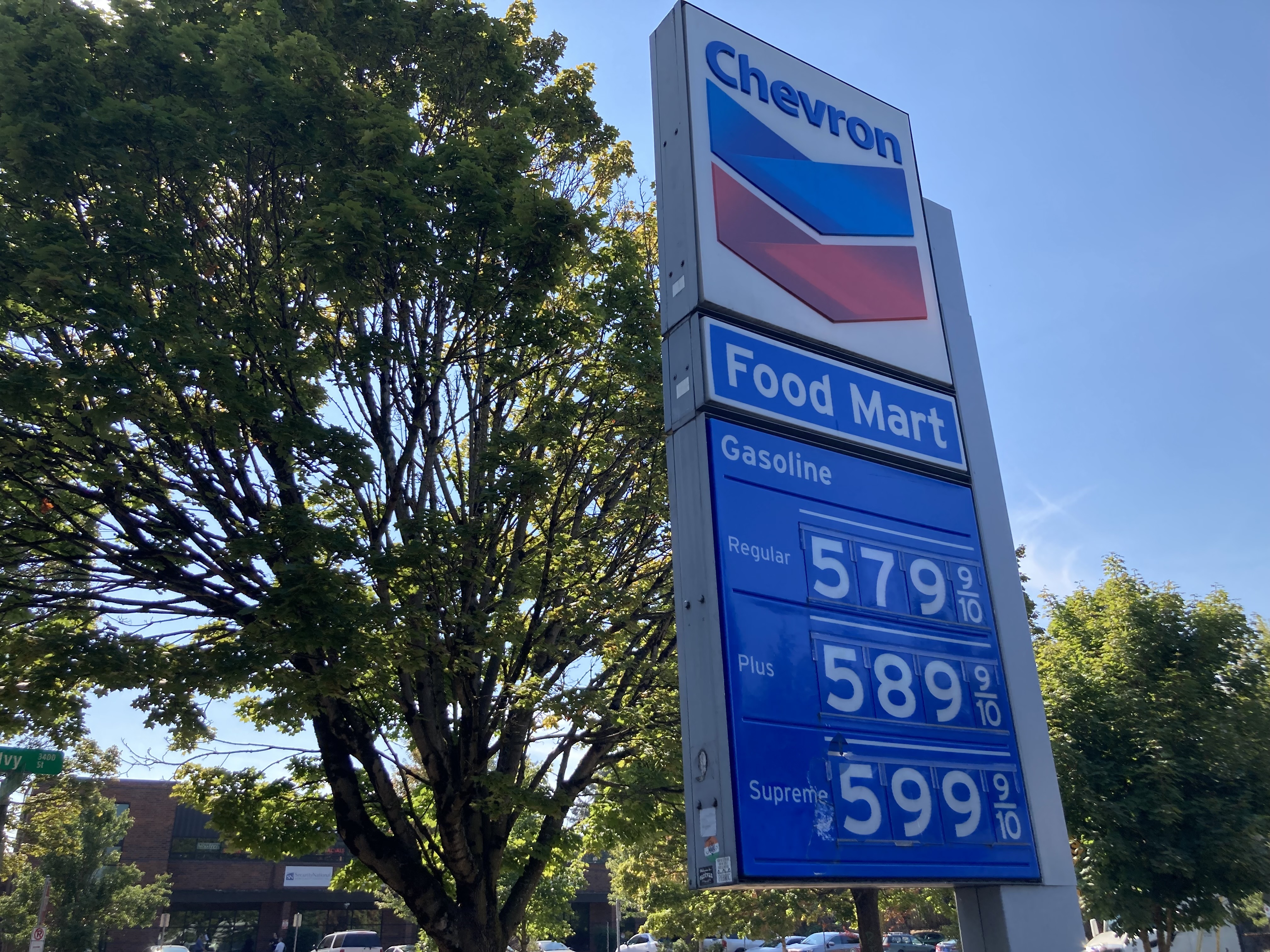
Navigating Oregon’s Fuel Landscape
The price of gasoline is a dynamic entity, influenced by a complex interplay of global, national, and local factors. For travelers in Oregon, understanding these drivers can help demystify the fluctuating numbers at the pump.
The Global Oil Market’s Ripple Effect
At the most fundamental level, gasoline prices are tied to the cost of crude oil. This global commodity is traded on international markets, and its price is subject to geopolitical events, supply and demand dynamics, and the economic health of major oil-producing nations. For instance, instability in the Middle East or significant production cuts by OPEC can send crude oil prices soaring, inevitably impacting the price of gasoline at your local station. Similarly, a global economic slowdown can reduce demand for oil, potentially leading to lower prices. While Oregon residents and visitors have little direct control over these international forces, staying informed about global energy markets can provide a broader context for understanding local price variations.
National Trends and U.S. Regulations
Beyond the global stage, national factors also play a significant role. The United States is a major consumer and producer of oil, and national policies, refinery capacities, and inventory levels all contribute to the average gas price across the country. Environmental regulations, for example, can impact refinery operations and the cost of producing certain fuel blends. The U.S. dollar’s strength can also influence the cost of imported crude oil. While national averages offer a benchmark, it’s important to remember that regional differences within the U.S. are substantial, and Oregon has its own unique set of contributing factors.
State-Specific Influences on Oregon Gas Prices
Oregon, like every state, has its own specific set of influences that shape gasoline prices. One of the most significant is state and local taxes. Oregon has a state excise tax on gasoline, which is a fixed amount per gallon. This tax is a direct contributor to the pump price and can vary considerably from state to state. Understanding the breakdown of the price, including taxes, can offer clarity.
Furthermore, Oregon’s geographical location and transportation infrastructure play a role. The cost of transporting fuel from refineries to distribution points and then to individual gas stations across the state can add to the final price. Areas that are more remote or have less developed transportation networks might experience slightly higher prices due to increased logistical costs.
Refinery operations within or near Oregon are also critical. The availability of specific fuel blends, especially during seasonal transitions (like the switch to summer or winter blends), can sometimes lead to temporary price spikes if refineries face operational challenges or if demand outstrips supply.
Finally, local competition among gas stations can influence prices. In areas with many competing stations, prices may be lower as businesses vie for customers. Conversely, in areas with limited options, prices might be higher.
Current Gas Prices in Oregon and Key Regions
To provide a practical overview for travelers, let’s break down expected gas prices across some of Oregon’s most popular destinations. It’s important to note that gas prices are highly volatile and can change daily. For the most up-to-date information, it’s always advisable to check real-time gas price tracking websites or apps.
Portland Metro Area
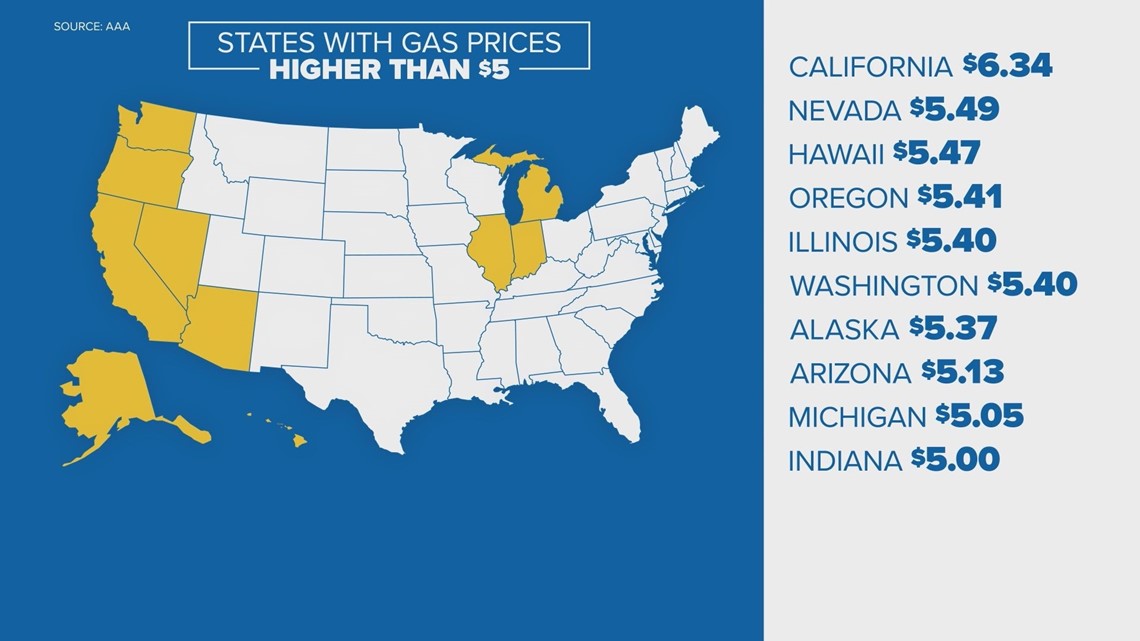
Portland, being the state’s largest metropolitan area, generally has a wide range of gas prices due to high competition among stations. You’ll find a variety of brands and independent stations, offering travelers choices. Prices in Portland are often reflective of the statewide average but can be slightly lower in areas with more convenience stores and truck stops. When exploring attractions like the International Rose Test Garden or venturing out to the nearby Columbia River Gorge, budgeting for fuel in the metro area is a standard consideration.
Oregon Coast
Driving along the scenic Oregon Coast is a quintessential Oregon experience. Towns like Cannon Beach, Lincoln City, and Florence offer breathtaking views and charming amenities. Gas prices on the coast can sometimes be slightly higher than inland due to transportation costs. Stations in smaller, more isolated coastal communities might also see marginally higher prices compared to larger towns. Planning your fill-ups in larger coastal cities like Seaside or Newport before heading to more remote stretches of coastline can be a good strategy.
Central and Eastern Oregon
Traveling into the high desert and mountainous regions of Central and Eastern Oregon presents a different fuel landscape. Cities like Bend, Redmond, and Medford are hubs for outdoor activities, from exploring the Smith Rock State Park to visiting the Crater Lake National Park. Gas prices in these inland areas can vary. Larger cities tend to have more competitive pricing, while smaller towns along major highways might have fewer options, potentially leading to slightly elevated prices. When planning excursions to national parks or embarking on wilderness adventures, ensuring you have sufficient fuel is paramount, as services can be sparse.
Southern Oregon and Wine Country
Southern Oregon, encompassing areas like Ashland and the fertile Rogue Valley, is known for its vibrant cultural scene and burgeoning wine regions. Gas prices here are generally in line with statewide averages, with more competitive pricing found in larger towns and cities. Exploring the Oregon Shakespeare Festival or visiting vineyards like those near Grants Pass requires accessible fuel. As with other regions, it’s wise to monitor prices and fill up strategically, especially when venturing into more rural vineyard areas.
Tips for Budget-Conscious Travelers in Oregon
For those aiming to maximize their travel experience in Oregon without breaking the bank on fuel, several practical tips can be employed.
Research and Planning
Before you even start your engine, research is key. Utilize online resources that track average gas prices in different Oregon cities. Apps like GasBuddy or AAA’s fuel price tracker can be invaluable tools. Plan your driving route to incorporate stops at gas stations in areas where prices are typically lower, such as larger towns or along major interstate highways, rather than waiting until you are in a remote or tourist-heavy location. Consider the types of accommodations you book; for example, a resort might offer more amenities but could be located further from affordable fuel options than a budget-friendly motel in a town center.
Fuel Efficiency and Driving Habits
The way you drive significantly impacts your vehicle’s fuel consumption. Practicing fuel-efficient driving habits can lead to substantial savings over the course of your trip. This includes:
- Maintaining a steady speed: Avoid rapid acceleration and hard braking. Driving at a consistent, moderate speed, especially on highways, is more fuel-efficient.
- Proper tire inflation: Underinflated tires increase rolling resistance, forcing your engine to work harder and consume more fuel. Check your tire pressure regularly.
- Reducing idling: If you anticipate being stopped for more than 30 seconds, it’s generally more fuel-efficient to turn off your engine.
- Lightening the load: Extra weight in your vehicle reduces fuel economy. Pack only what you need.
- Aerodynamics: Remove roof racks or cargo carriers when not in use, as they create drag and decrease fuel efficiency.
Alternative Fueling Options and Electric Vehicles
For travelers considering their environmental impact and long-term fuel costs, Oregon is increasingly becoming a more viable destination for alternative fuel vehicles. The state has been investing in expanding its network of electric vehicle charging stations, particularly in urban centers and along major travel corridors. If you are considering renting a vehicle, an electric car or a hybrid might offer significant savings on fuel costs, especially if you can take advantage of charging opportunities at your accommodation or public charging stations. While the initial cost of an electric vehicle can be higher, the savings on gasoline over time, coupled with potential tax incentives, can make it a compelling choice for frequent travelers. Researching the availability of charging stations along your planned routes is crucial for a seamless electric vehicle journey.
By combining smart planning, mindful driving, and an awareness of fuel price dynamics, travelers can enjoy all that Oregon has to offer, from its stunning natural landmarks to its unique local culture, without the added stress of exorbitant fuel expenses.
LifeOutOfTheBox is a participant in the Amazon Services LLC Associates Program, an affiliate advertising program designed to provide a means for sites to earn advertising fees by advertising and linking to Amazon.com. Amazon, the Amazon logo, AmazonSupply, and the AmazonSupply logo are trademarks of Amazon.com, Inc. or its affiliates. As an Amazon Associate we earn affiliate commissions from qualifying purchases.