
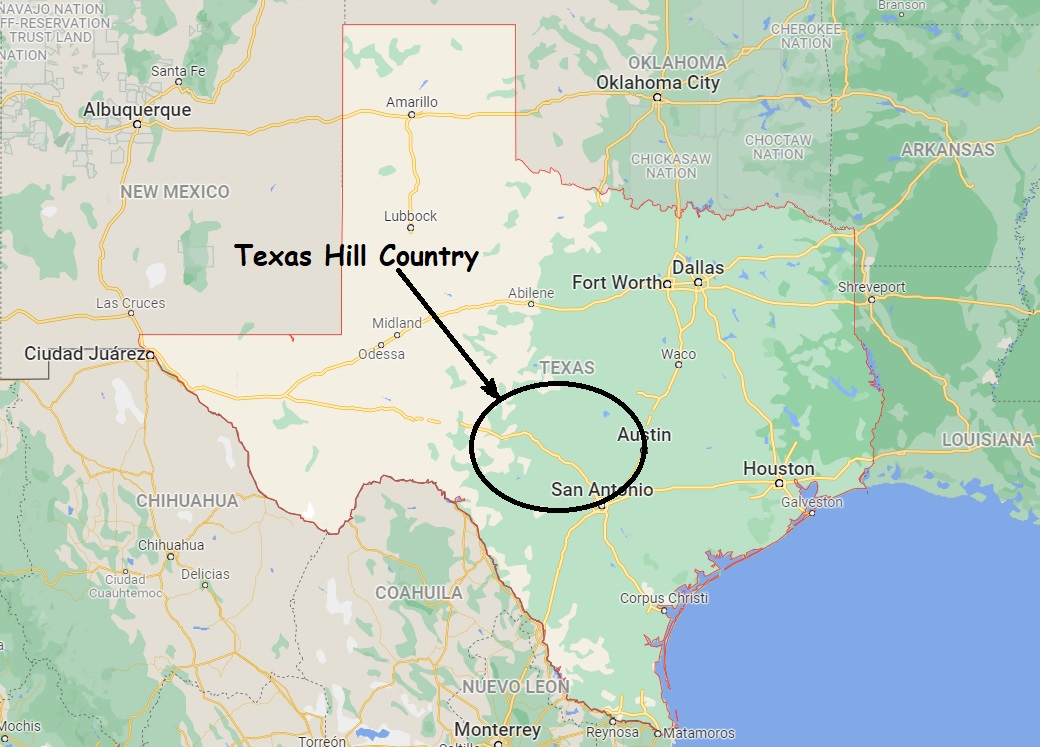
When you hear “Hill Country,” your mind might conjure images of rolling landscapes, charming towns, and a distinct cultural flavor. In the vast expanse of the United States, specifically within the borders of Texas, this idyllic region is a celebrated destination for travelers seeking a blend of natural beauty, historical richness, and vibrant local experiences. But precisely where is Hill Country? This article will guide you through its geographical boundaries, explore its defining characteristics, and highlight why it has become a must-visit locale for anyone looking to discover the heart of Texas.
Defining the Boundaries and Geography of Texas Hill Country
The Texas Hill Country isn’t a precisely defined political entity with fixed borders. Instead, it’s a geographical and cultural region characterized by its unique topography and ecosystem. Generally, it is understood to encompass a large area in the south-central part of Texas. The region is situated west of the Balcones Escarpment and east of the Edwards Plateau. This geological feature plays a significant role in shaping the landscape, transitioning from the flatter coastal plains to the more elevated, rugged terrain of the Hill Country.

Topography and Natural Features
The defining feature of the Texas Hill Country is, as its name suggests, its hills. Unlike the dramatic peaks of the Rocky Mountains, these hills are more rounded and undulating, formed by the erosion of ancient limestone and sandstone. This erosion has also carved out a network of caves, canyons, and springs, creating a landscape that is both beautiful and ecologically diverse.
Several major rivers and their tributaries flow through the Hill Country, including the Guadalupe River, San Marcos River, Pedernales River, and Colorado River. These waterways are vital to the region’s ecosystem, providing water for wildlife and popular recreational opportunities for visitors. The presence of these rivers also contributes to the fertile valleys, supporting agriculture and vineyards.
The geology of the Hill Country is particularly noteworthy. It sits atop the Edwards Aquifer, a vast underground reservoir of fresh water that is crucial for the region’s water supply and supports a unique ecosystem. The limestone bedrock is also responsible for the abundance of caves, many of which are open to the public for tours, offering a glimpse into the subterranean wonders of Texas.
The flora and fauna are as distinctive as the topography. The landscape is dotted with live oaks, Ashe junipers, and various wildflowers, especially during the spring, transforming the hillsides into a vibrant tapestry of color. Common wildlife includes white-tailed deer, wild turkeys, and a variety of bird species, making it a haven for nature enthusiasts and birdwatchers.
Key Cities and Towns
While the Hill Country is often associated with its natural beauty, it’s also home to a collection of charming and historic towns that are integral to its identity. These communities offer a glimpse into Texas heritage, from German and Polish influences to the enduring spirit of the American frontier.
- Austin: Though often considered its own entity, the vibrant capital city of Texas serves as a gateway to the eastern edge of the Hill Country. Its proximity offers visitors easy access to the region’s attractions while providing a cosmopolitan urban experience.
- San Antonio: To the south, San Antonio is another major city that borders the Hill Country. Its rich Spanish colonial history, exemplified by the Alamo, provides a unique cultural context for exploring the surrounding natural landscapes.
- Fredericksburg: Perhaps one of the most iconic Hill Country towns, Fredericksburg was founded by German immigrants in the mid-19th century. It retains much of its European charm, evident in its architecture, bakeries, and annual festivals. It is also a prominent wine-producing region, with numerous vineyards and tasting rooms.
- Boerne: Located northwest of San Antonio, Boerne is known for its charming Main Street, natural springs, and proximity to the Cibolo Nature Center. It’s a popular spot for outdoor activities and exploring local shops.
- New Braunfels: Situated between San Antonio and Austin, New Braunfels also boasts strong German heritage. It’s famous for Schlitterbahn Waterpark, one of the nation’s premier water parks, and its tubing opportunities on the Guadalupe River.
- Gruene: A historic district of New Braunfels, Gruene is home to the oldest dance hall in Texas, the Gruene Hall. This small community offers a step back in time with its preserved buildings and unique shops.
- Kerrville: Located along the Guadalupe River, Kerrville is a hub for arts and crafts, known for its annual Kerrville Folk Festival. It’s a great base for exploring the western parts of the Hill Country.
- Johnson City: The birthplace of President Lyndon B. Johnson, this town offers historical insights into the 36th U.S. President’s life and the Lyndon B. Johnson National Historical Park.
- Marble Falls: Situated on the Colorado River, Marble Falls is known for its scenic beauty, including the iconic Lake Marble Falls. It’s a popular destination for boating, fishing, and exploring the surrounding area.
These cities and towns, while distinct, are interconnected by a common thread of natural beauty, rich history, and welcoming spirit that defines the Texas Hill Country experience.
Exploring the Heart of Texas Hill Country: Attractions and Experiences
The Texas Hill Country is a treasure trove of experiences, catering to a diverse range of interests. Whether you’re a history buff, an outdoor adventurer, a foodie, or a connoisseur of fine wines, this region offers something special. Its appeal lies in the unique combination of its natural landscapes and the cultural heritage woven into its fabric.
Natural Wonders and Outdoor Adventures
The pristine natural beauty of the Hill Country beckons those seeking to reconnect with the outdoors. Hiking, biking, camping, and fishing are popular activities, with numerous state parks and natural areas offering breathtaking scenery.
- Enchanted Rock State Natural Area: This iconic pink granite dome is a must-visit. It’s a geological marvel that offers panoramic views of the surrounding countryside. Hiking to the summit is a rewarding experience, especially at sunrise or sunset. The area is also popular for rock climbing and stargazing.
- Pedernales Falls State Park: Famous for its cascading falls over natural limestone steps, Pedernales Falls is a stunning example of the region’s waterways. Visitors can hike along the river, swim in designated areas, and explore the diverse plant life.
- Lost Maples State Natural Area: Known for its stunning fall foliage, Lost Maples is a picturesque destination for leaf peeping. The park also offers excellent hiking trails, birdwatching opportunities, and a chance to see rare Bigtooth maples.
- Guadalupe River State Park: This park offers extensive frontage along the Guadalupe River, providing ample opportunities for swimming, tubing, and kayaking. Its trails wind through diverse habitats, showcasing the region’s natural splendor.
- Caves: The limestone geology of the Hill Country has created a network of fascinating caves. Natural Bridge Caverns and Inner Space Cavern are popular destinations, offering guided tours that reveal the geological formations and history of these subterranean wonders.
Cultural and Historical Richness
Beyond its natural allure, the Hill Country is steeped in history and cultural traditions. The influence of early settlers, particularly German immigrants, is evident in many of its towns, contributing to a unique regional identity.
- German Heritage: Towns like Fredericksburg, New Braunfels, and Boerne showcase their German roots through architecture, festivals like Oktoberfest, and culinary traditions. Visiting the Vereins Kirche Museum in Fredericksburg provides a direct connection to the early days of German settlement.
- Presidential History: The Lyndon B. Johnson National Historical Park in Johnson City allows visitors to step back in time and explore the “Texas White House” and the ranch that shaped President Lyndon B. Johnson. This is a significant landmark for understanding 20th-century American history.
- Historic Dance Halls: The Hill Country is home to legendary dance halls like Gruene Hall and the Broken Spoke in Austin, where live music and dancing are a cherished tradition. These venues offer a true taste of Texan culture.
- Art and Music Scene: Austin, on the eastern edge of the Hill Country, is renowned as the “Live Music Capital of the World.” Beyond Austin, many smaller towns have thriving arts communities, with galleries, craft fairs, and local music venues contributing to the region’s vibrant cultural landscape.
Culinary Delights and Local Flavors
The food scene in the Texas Hill Country is as diverse and inviting as its landscapes. From traditional Texas barbecue to farm-to-table restaurants and world-class wineries, there are ample opportunities to indulge your taste buds.
- Barbecue: Texas is synonymous with barbecue, and the Hill Country is no exception. Local smokehouses serve up mouthwatering brisket, ribs, and sausage, often with unique regional twists.
- Wineries: The region has become a significant wine-producing area, rivaling some of California’s renowned wine regions. The limestone-rich soil and climate are ideal for growing grapes like Tempranillo, Sangiovese, and Viognier. Many wineries offer tasting rooms and tours, providing a delightful sensory experience. Notable wineries include Becker Vineyards, Grape Creek Vineyards, and William Chris Vineyards.
- Local Eateries: Beyond barbecue and wine, you’ll find charming cafes, bakeries (often with German specialties), and restaurants showcasing fresh, local ingredients. Exploring the culinary offerings of towns like Fredericksburg and Boerne is a highlight for many visitors.
Planning Your Visit: Accommodation and Travel Tips
A trip to the Texas Hill Country promises an unforgettable experience, and with thoughtful planning, you can make the most of your journey. The region offers a wide range of accommodation options, from luxurious resorts to cozy bed and breakfasts, ensuring comfort and convenience for every traveler.
Accommodation Options
The Hill Country caters to all types of travelers, whether you’re looking for a romantic getaway, a family adventure, or a solo exploration.
- Hotels and Resorts: Major cities like Austin and San Antonio offer a vast selection of hotels. Within the Hill Country itself, you’ll find boutique hotels and charming inns in towns like Fredericksburg and Kerrville. Many resorts offer amenities like spas, golf courses, and fine dining, perfect for a luxurious stay. Consider the JW Marriott San Antonio Hill Country Resort & Spa for a high-end experience.
- Bed and Breakfasts: For a more intimate and personal experience, numerous bed and breakfasts dot the Hill Country. These often provide a glimpse into local life and offer home-cooked breakfasts. Many are housed in historic buildings, adding to their charm.
- Vacation Rentals and Cabins: For those seeking more space and privacy, vacation rentals, including cabins and cottages, are abundant. These are ideal for families or groups and offer a home-away-from-home feel. You can find rentals nestled in the hills or near river access.
- Camping and RV Parks: For the budget-conscious or nature-loving traveler, the Hill Country offers numerous campgrounds and RV parks, particularly within state parks. This allows for an immersive experience in the natural surroundings.

Travel Tips for Hill Country
To ensure a smooth and enjoyable trip, here are a few tips to keep in mind:
- Best Time to Visit: The Hill Country is beautiful year-round, but spring (March-May) and fall (September-November) are particularly pleasant, with mild temperatures and blooming wildflowers in the spring and colorful foliage in the fall. Summer can be hot, making water activities a popular choice. Winter offers a quieter, more relaxed experience.
- Transportation: A car is essential for exploring the Texas Hill Country. Public transportation is limited, and the best way to discover the scenic drives, charming towns, and hidden gems is by personal vehicle. Renting a car is a good option if you’re flying into Austin or San Antonio.
- Book in Advance: Especially during peak seasons (spring, fall, and around major festivals), accommodation and popular attractions can book up quickly. It’s advisable to make reservations well in advance.
- Stay Hydrated and Sun Protection: The Texas sun can be intense, especially during the warmer months. Always carry water, wear sunscreen, and use hats and sunglasses when spending time outdoors.
- Embrace the Local Pace: The Hill Country is known for its relaxed atmosphere. Take your time, enjoy the scenic drives, and savor the local hospitality. Don’t rush your experience; instead, immerse yourself in the unique charm of the region.
- Check Event Calendars: The Hill Country hosts numerous festivals, concerts, and events throughout the year, celebrating everything from wine and food to music and local heritage. Checking local event calendars can add an exciting dimension to your trip.
By understanding where the Texas Hill Country is located, exploring its diverse attractions, and planning your visit thoughtfully, you are sure to have an enriching and memorable experience in this captivating corner of Texas.
LifeOutOfTheBox is a participant in the Amazon Services LLC Associates Program, an affiliate advertising program designed to provide a means for sites to earn advertising fees by advertising and linking to Amazon.com. Amazon, the Amazon logo, AmazonSupply, and the AmazonSupply logo are trademarks of Amazon.com, Inc. or its affiliates. As an Amazon Associate we earn affiliate commissions from qualifying purchases.