
For any traveler planning a trip to Los Angeles, understanding the local cost of gasoline is not just a detail; it’s a critical component of budgeting and trip planning. The sprawling nature of the City of Angels, with its diverse attractions spread across vast distances, often necessitates a car for exploration. From cruising down the coast to visiting theme parks or hiking in the hills, driving is an integral part of the Los Angeles experience. Consequently, fuel prices can significantly impact your overall travel expenses. This guide delves into what you can expect to pay for gasoline in LA, why prices might seem higher than in other parts of the United States, and how to efficiently manage your fuel budget to ensure a smooth and enjoyable California adventure.

Understanding Los Angeles’s Fuel Landscape for Travelers
When you arrive in Los Angeles, one of the first things many visitors notice is the price displayed at the gas pump. It’s often higher than what they might be accustomed to in their home states or countries. This isn’t an arbitrary phenomenon but rather the result of several specific factors that shape the market in California.
The California Context: Why Prices are Higher
California consistently ranks among the states with the highest gasoline prices in the United States. Several key reasons contribute to this:
- Taxes: California imposes some of the highest state gasoline taxes in the nation, including excise taxes, sales taxes, and local taxes, all of which are factored into the pump price.
- Environmental Regulations: The state has stringent environmental regulations aimed at reducing air pollution. This requires a special, cleaner-burning blend of gasoline, particularly during certain times of the year, which is more expensive to produce and transport.
- Refinery Capacity and Location: Most of California’s refineries are concentrated in the southern part of the state, and disruptions at any of these facilities can have a ripple effect on supply and prices. Additionally, the state operates somewhat like an “island” in terms of fuel supply, with limited pipelines connecting it to other major refinery centers.
- Market Dynamics: The sheer demand in a populous state like California, combined with supply chain intricacies, can also lead to higher costs.
Understanding these underlying factors helps travelers contextualize the prices they see at the pump and prepare accordingly.
Average Gasoline Prices in the City of Angels
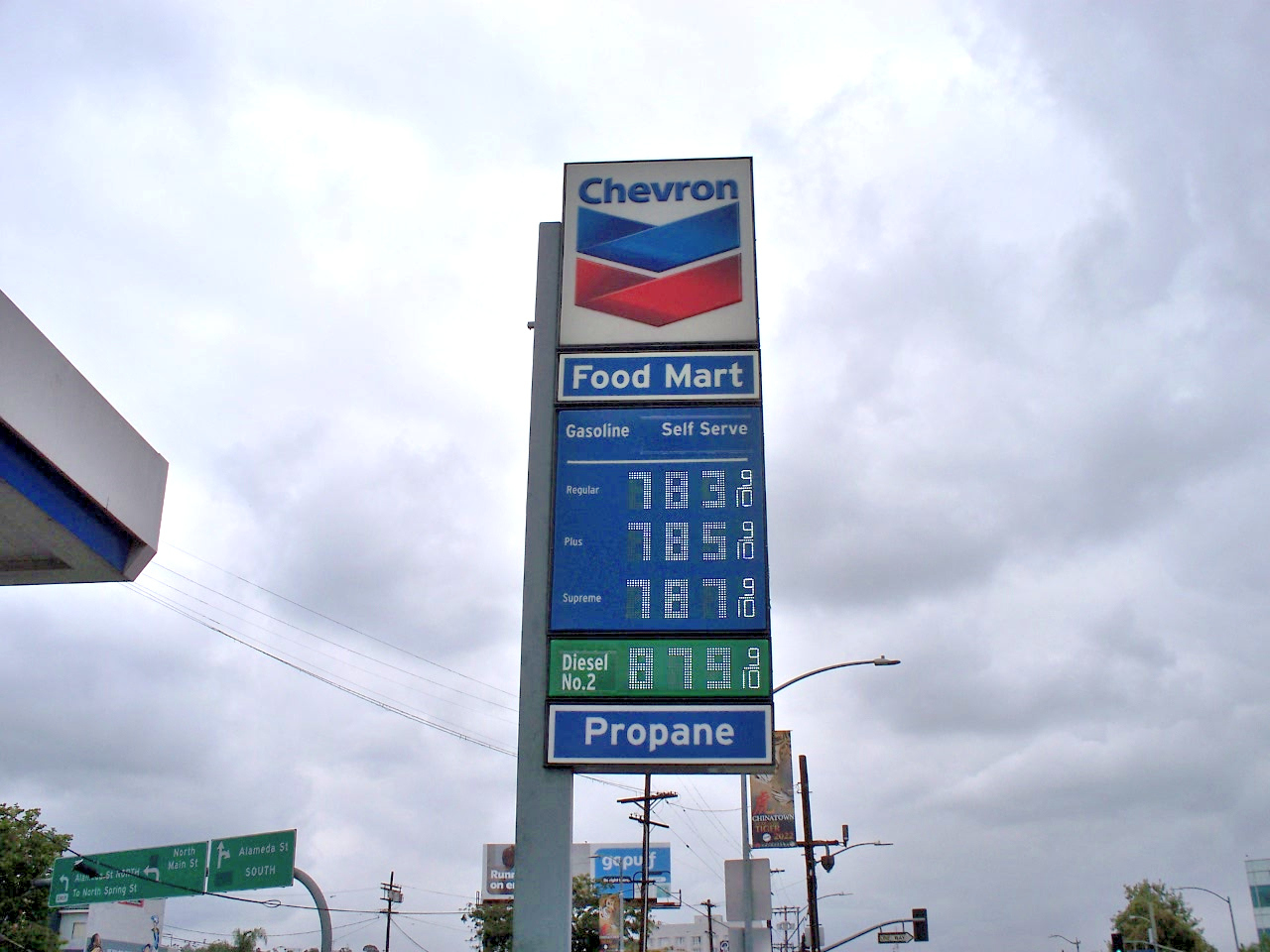
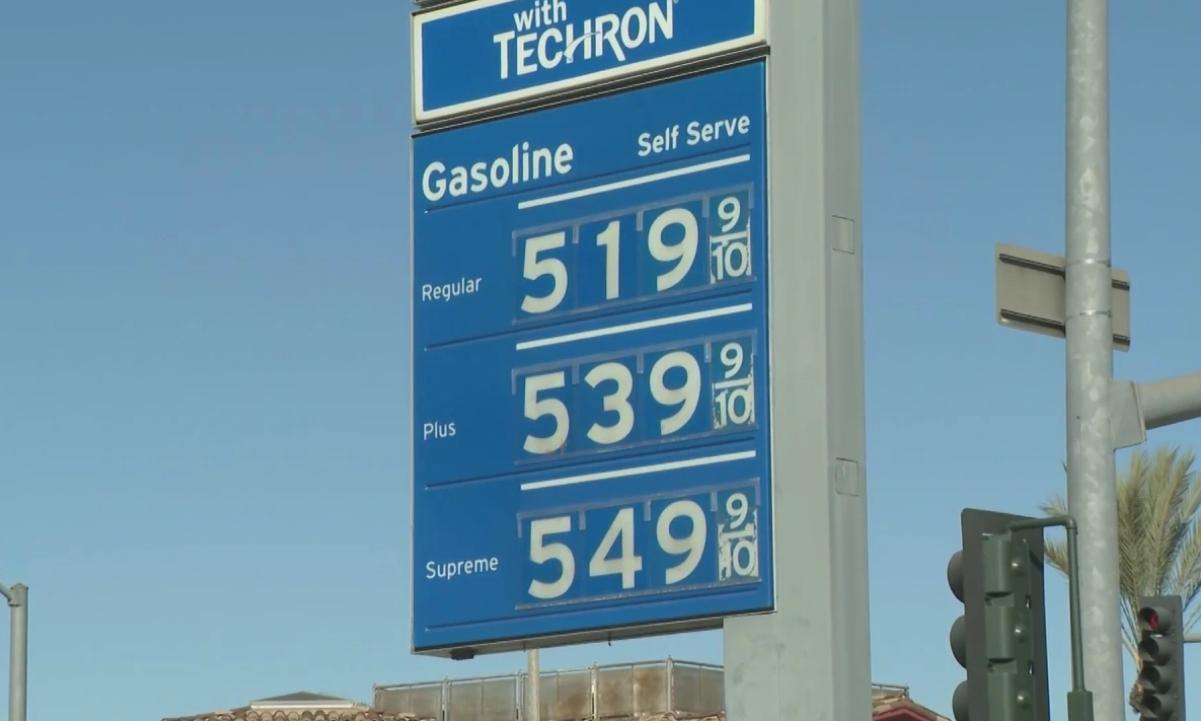
While prices fluctuate daily based on global oil markets, local demand, and even geopolitical events, travelers can generally expect gasoline prices in Los Angeles to be anywhere from $1.00 to $2.00 or more per gallon higher than the national average. For regular unleaded gasoline, prices often hover between $4.50 and $6.00 per gallon, sometimes exceeding this range during peak seasons or due to unexpected market shifts. Premium gasoline, naturally, will be even higher. It’s always advisable to check a reliable fuel price tracking app or website shortly before your trip for the most current estimates.
Factors Influencing Price Fluctuations
Beyond the structural reasons for high prices, several dynamic factors can cause daily or weekly fluctuations:
- Global Oil Prices: The price of crude oil on international markets is the primary driver of gasoline costs.
- Seasonal Demand: Prices tend to rise during peak travel seasons, such as summer and holidays, when more people are on the road.
- Local Supply and Demand: Events or disruptions affecting local refineries, or even major local events drawing increased traffic, can impact prices.
- Gas Station Location: As we’ll discuss, prices can vary significantly even within Los Angeles depending on the station’s location and brand.
Navigating Gasoline Costs During Your Los Angeles Trip
Successfully managing your fuel expenses in Los Angeles requires a proactive approach and a few smart strategies. It’s not just about finding the cheapest gas, but also about making informed choices regarding your transportation.
Best Practices for Finding Affordable Fuel
Finding the best prices can save you a significant amount over the course of your trip.
- Use Fuel Price Apps: Apps like GasBuddy, Waze, or AAA often provide real-time updates on gasoline prices at stations near your current location or planned route. This can help you identify cheaper options.
- Avoid Freeway Gas Stations: Stations located immediately off major freeways often have higher prices due to convenience for travelers. Venturing a few blocks inland or off the main thoroughfare can frequently lead to better deals.
- Consider Warehouse Clubs: If you have a membership to clubs like Costco or Sam’s Club, their gas stations almost invariably offer lower prices than conventional stations. Plan your fill-ups around these locations if possible.
- Pay with Cash (Sometimes): Some stations offer a slight discount for cash payments over credit card payments. Look for signage indicating “cash price” vs. “credit price.”
The Impact of Location: City vs. Suburbs
Gasoline prices can vary considerably depending on where you are in Los Angeles. Generally:
- Downtown LA and Tourist Hotspots: Areas around major attractions like Hollywood, Santa Monica, or near popular entertainment venues often have some of the highest prices. Convenience often comes at a premium here.
- Residential Neighborhoods and Suburbs: Venturing into more residential or suburban areas, especially those further from the immediate coast or major urban centers, often reveals more competitive pricing.
- Proximity to Refineries: While not always a direct correlation for retail prices, areas closer to where gasoline is refined and distributed might sometimes see slightly lower prices due to reduced transportation costs, though this is less predictable for the average traveler.
Planning to fill up before heading into a tourist-heavy zone can be a smart move.
Fuel Types and Octane Levels
Most rental cars in the United States operate on regular unleaded gasoline (typically 87 octane). Unless your rental agreement or the car’s fuel door specifically states “premium only,” stick with regular. Using a higher octane fuel than required offers no benefit to your car’s performance or fuel economy and only adds to your costs. Diesel fuel is a different category altogether and is typically needed only for specific types of vehicles, like some trucks or certain luxury SUVs – always double-check your rental car’s fuel requirement.
Budgeting for Transportation in Los Angeles
Effective budgeting for your Los Angeles trip means not just accounting for the direct cost of gasoline, but also considering the broader implications of your transportation choices.
Estimating Your Fuel Expenses
To get a rough estimate:
- Estimate Daily Mileage: Consider your itinerary. Are you driving from Hollywood to Disneyland (approx. 30 miles one way) or just exploring Santa Monica and Venice Beach (much less)? A typical day of sightseeing in LA could easily involve 50-100 miles of driving, especially if visiting attractions like Universal Studios Hollywood or Griffith Observatory.
- Know Your Car’s MPG: Your rental car’s fuel efficiency (miles per gallon, or MPG) is crucial. Most compact or mid-size sedans get around 25-35 MPG.
- Calculate: (Total Estimated Miles / MPG) * Estimated Price Per Gallon = Total Fuel Cost.
For example, 500 miles / 25 MPG = 20 gallons. 20 gallons * $5.50/gallon = $110 in fuel. Double this for a round trip or longer stay.
Remember this is just for fuel; parking costs are another significant expense in Los Angeles.
Alternatives to Driving: Public Transport and Ride-Sharing
While a car offers unparalleled flexibility in Los Angeles, it’s worth exploring alternatives, particularly for specific routes or if you’re staying in a well-connected area.
- Public Transportation: LA Metro operates a comprehensive network of buses and trains. While not as extensive as in cities like New York or London, it can be efficient for certain corridors, such as downtown LA, Hollywood, and parts of the San Fernando Valley. A TAP card (transit pass) makes fares easy.
- Ride-Sharing Services: Uber and Lyft are widely available and can be a convenient option for short distances or when you don’t want to deal with parking. However, surge pricing during peak hours or events can make them costly for longer journeys.
- Biking/Walking: In specific, compact areas like Santa Monica, Venice Beach, or parts of Hollywood, walking or renting a bicycle can be a pleasant and cost-effective way to explore.
Mixing and matching transportation methods can be the most effective strategy, using a car for long-distance excursions and public transport or ride-shares for local exploration.
Incorporating Fuel Costs into Your Overall Travel Budget
When planning your trip budget, don’t just allocate a lump sum for transportation. Break it down:
- Rental Car Fee: Daily or weekly rate.
- Insurance: If not covered by your personal policy or credit card.
- Fuel: Based on your mileage estimates and average prices.
- Parking: Research average parking costs for your intended destinations (e.g., $10-$30+ for a few hours at a theme park or popular attraction).
- Tolls: While Los Angeles doesn’t have many traditional toll roads, some express lanes operate on a toll basis. Ensure your rental car has a transponder if you plan to use these.
Having a clear line item for each of these will prevent unexpected expenses from derailing your budget.
Fuel Efficiency and Exploring Los Angeles’s Attractions
Beyond just finding cheap gas, how you drive and plan your routes can significantly impact your fuel consumption and, consequently, your travel budget.
Planning Your Routes to Minimize Fuel Consumption
- Group Attractions Geographically: Los Angeles is vast. Don’t plan to visit Malibu and then immediately jump to Downtown LA on the same day if you can avoid it. Group nearby attractions together to minimize driving time and distance. For example, dedicate one day to the beaches (e.g., Santa Monica, Venice, Malibu), another to Hollywood and Griffith Park, and so on.
- Avoid Peak Traffic Hours: Los Angeles traffic is legendary. Sitting in gridlock not only wastes precious vacation time but also burns a surprising amount of fuel. Plan your long drives for off-peak hours (mid-morning, early afternoon, late evening). Use navigation apps like Google Maps or Waze, which provide real-time traffic updates and suggest alternative routes.
- Smooth Driving: Accelerating gradually, maintaining a steady speed, and avoiding aggressive braking can improve your fuel economy by 15-30%.
Iconic Los Angeles Drives and Their Fuel Implications
Many visitors dream of driving along scenic routes in Los Angeles.
- Pacific Coast Highway (PCH): A classic drive, especially through Malibu and beyond. While incredibly scenic, it can be slow-going, and stops for views and photos are common. Fuel consumption might be moderate due to slower speeds, but the distance covered might require a full tank if you plan to go far up the coast.
- Mulholland Drive: Offers breathtaking views of the city and the San Fernando Valley. It’s a shorter, winding road, so fuel usage here is generally minimal, but it’s a must-do for the vistas.
- Freeway Driving to Theme Parks (Disneyland, Universal Studios Hollywood): These journeys, often involving significant freeway stretches, can be efficient in terms of fuel per mile if traffic is light. However, the sheer distance to places like Disneyland in Anaheim means you’ll still use a fair amount of gas.
Factor in the joy of the drive against the fuel cost, and consider these experiences worth the expense.
Rental Cars and Fuel Economy Considerations
When choosing your rental car, consider:
- Vehicle Size: Larger SUVs and trucks consume more fuel than compact or mid-size sedans. Unless you genuinely need the space or off-road capability, opt for a smaller, more fuel-efficient vehicle.
- Hybrid Options: Some rental companies offer hybrid vehicles, which can significantly reduce fuel costs, especially with Los Angeles’s stop-and-go traffic. The slightly higher rental fee for a hybrid might be offset by fuel savings.
- Check the Tank: Always ensure your rental car starts with a full tank and note the fuel type. Most rental agreements require you to return it full, or you’ll incur a hefty refueling charge.
Beyond the Pump: Other Transportation Tips for Los Angeles Visitors
Gasoline costs are just one piece of the transportation puzzle in Los Angeles. A holistic approach to travel planning involves understanding other related factors.
Traffic Congestion and Its Hidden Costs
The notorious Los Angeles traffic doesn’t just waste time; it also burns more fuel due to constant idling, stopping, and starting. This “hidden cost” can add to your fuel consumption. Factor in extra travel time and use real-time navigation apps to mitigate its impact. Sometimes, paying a toll for an express lane might save you more in time and fuel than the toll itself costs.
Parking Considerations in LA
Parking is a significant expense in many parts of Los Angeles. From hourly street meters to multi-story garages at attractions or hotels, these costs can quickly add up. Research parking options and rates for your destinations in advance. Apps like SpotHero or Parkopedia can help you find and even reserve parking spots, sometimes at a discount. In some cases, taking a ride-share service might be more economical than paying for parking, especially for short visits to busy areas.
Making the Most of Your Los Angeles Journey
Ultimately, while gasoline prices in Los Angeles are higher than average, they shouldn’t deter you from experiencing this incredible city. By being informed, planning strategically, and making smart choices about your transportation, you can effectively manage your budget and enjoy the freedom and flexibility that a car provides in exploring LA’s diverse offerings. From the vibrant beaches to the iconic Hollywood Hills, your Los Angeles adventure awaits, fueled by careful planning and a sense of exploration.
LifeOutOfTheBox is a participant in the Amazon Services LLC Associates Program, an affiliate advertising program designed to provide a means for sites to earn advertising fees by advertising and linking to Amazon.com. Amazon, the Amazon logo, AmazonSupply, and the AmazonSupply logo are trademarks of Amazon.com, Inc. or its affiliates. As an Amazon Associate we earn affiliate commissions from qualifying purchases.