
Understanding the fluctuating cost of gasoline in New York is crucial for any traveler planning a road trip, a scenic drive through the Adirondacks, or simply navigating the bustling streets of New York City. The price at the pump is influenced by a complex interplay of global and local factors, making it a dynamic element of any travel budget. For visitors and residents alike, staying informed about these costs can significantly impact itinerary planning and overall travel expenses.
Factors Influencing Gasoline Prices in New York
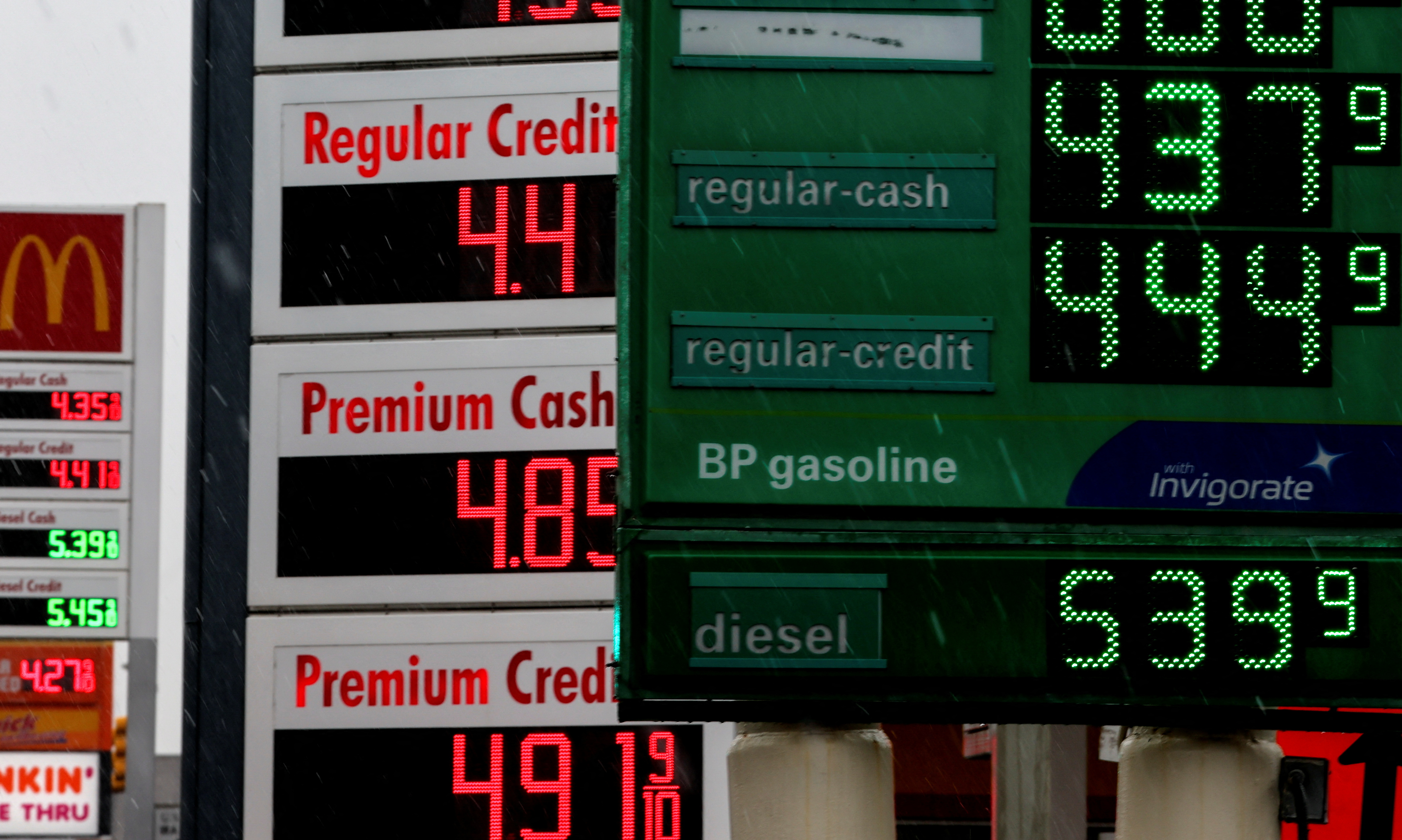
The price of gasoline in New York is not a static figure; it’s a product of numerous variables, each contributing to the final cost you see on the digital display of a gas station. These factors can be broadly categorized into global crude oil prices, refining costs, distribution and marketing expenses, and state and federal taxes.

Global Crude Oil Markets
The primary driver of gasoline prices is the cost of crude oil. New York‘s gasoline supply originates from crude oil sourced from various regions worldwide. The Organization of the Petroleum Exporting Countries (OPEC) and its allies, often referred to as OPEC+, play a significant role in managing global oil production levels. Decisions by OPEC+ to increase or decrease output can directly impact crude oil prices, which then ripple down to the cost of refined products like gasoline. Geopolitical events, such as conflicts in oil-producing regions or international trade disputes, can also lead to supply disruptions and price volatility. Furthermore, the strength of the U.S. dollar against other currencies influences the cost of imported crude oil. A stronger dollar can make oil cheaper for American refiners, while a weaker dollar can drive up costs.
Refining and Distribution Networks
Once crude oil is extracted, it is transported to refineries where it is processed into various petroleum products, including gasoline. The efficiency and capacity of these refineries are key. Factors like refinery maintenance schedules, unplanned outages due to weather events (such as hurricanes impacting refineries along the Gulf Coast), or environmental regulations can affect supply and, consequently, prices.
The refined gasoline then needs to be transported to stations across New York. This involves a complex distribution network of pipelines, barges, and tanker trucks. The cost of this transportation, including fuel for the trucks and maintenance of infrastructure, is factored into the final price. Congestion in certain areas, especially around major metropolitan centers like New York City, can also add to delivery costs and timing.
State and Federal Taxes
A substantial portion of the price at the pump in New York is attributable to taxes. Both the federal government and the state of New York levy taxes on gasoline. These taxes are often fixed per gallon, meaning that as the base price of gasoline fluctuates, the percentage of the price accounted for by taxes also changes.
- Federal Gasoline Tax: This is a fixed amount per gallon that supports the Highway Trust Fund, which finances federal transportation projects.
- New York State Taxes: New York imposes its own state excise tax on gasoline, along with other state-level taxes and fees, such as the petroleum business tax. These state taxes are often higher than the federal tax and contribute significantly to the overall price.
- Local Taxes: Some counties and cities within New York may also impose additional local taxes on gasoline, further increasing the price in those specific areas.
The combined effect of these taxes makes New York one of the states with the highest gasoline prices in the United States.
Seasonal Demand and Environmental Regulations
Gasoline demand also experiences seasonal variations. During the summer months, increased travel and vacationing lead to higher demand for gasoline, often referred to as “summer driving season.” This surge in demand can put upward pressure on prices. Conversely, demand typically decreases in the fall and winter.
Environmental regulations also play a role. Refineries are required to produce different blends of gasoline for different seasons to meet air quality standards. Summer-blend gasoline, designed to reduce evaporative emissions in warmer weather, is often more expensive to produce than winter-blend gasoline. New York adheres to specific environmental standards, which can influence the types of gasoline available and their associated costs.
Navigating Gas Prices for Your New York Trip
For travelers venturing into New York, understanding these influencing factors can help in budgeting and planning. Knowing when and where to refuel can lead to considerable savings.
Timing Your Refueling Stops
The price of gasoline can vary significantly not only from state to state but also within New York itself. Generally, prices tend to be higher in more populated and tourist-heavy areas, such as Manhattan or along major toll roads like the New York State Thruway. Conversely, stations in more rural or less traveled regions might offer slightly lower prices.
- Before Entering Major Cities: If you are driving into New York City or other dense urban areas, it’s often advisable to fill up your tank in the surrounding suburbs or as you leave a less populated region. Gas stations within the five boroughs of New York City, for instance, typically have some of the highest prices in the state due to increased operating costs and demand.
- Along Major Travel Corridors: While convenient, gas stations directly off major highways like the I-87 ( Adirondack Northway) or I-90 ( New York State Thruway) can sometimes be more expensive than those a few miles off the exit. A brief detour can often yield savings.
- Utilize Gas Price Apps: Numerous mobile applications and websites provide real-time gasoline price information for stations in specific areas. These tools are invaluable for identifying the cheapest gas options nearby, whether you’re in the Catskills or exploring Long Island.
Considering Vehicle Efficiency and Alternatives
The rising cost of gasoline underscores the importance of vehicle efficiency. If you are planning an extensive road trip, consider the miles per gallon (MPG) of your vehicle. A more fuel-efficient car can significantly reduce your overall spending on fuel during your journey.
For those who prefer not to drive, or for shorter trips within cities, alternative transportation options are abundant in New York. Public transportation in New York City, including the extensive subway system and bus routes, is a cost-effective and often faster way to get around compared to driving and dealing with traffic and parking. For travel between cities, Amtrak trains offer a comfortable and efficient alternative. Exploring regions like the Hudson Valley can also be done via commuter rail lines like Metro-North Railroad.
Recent Trends and Future Outlook
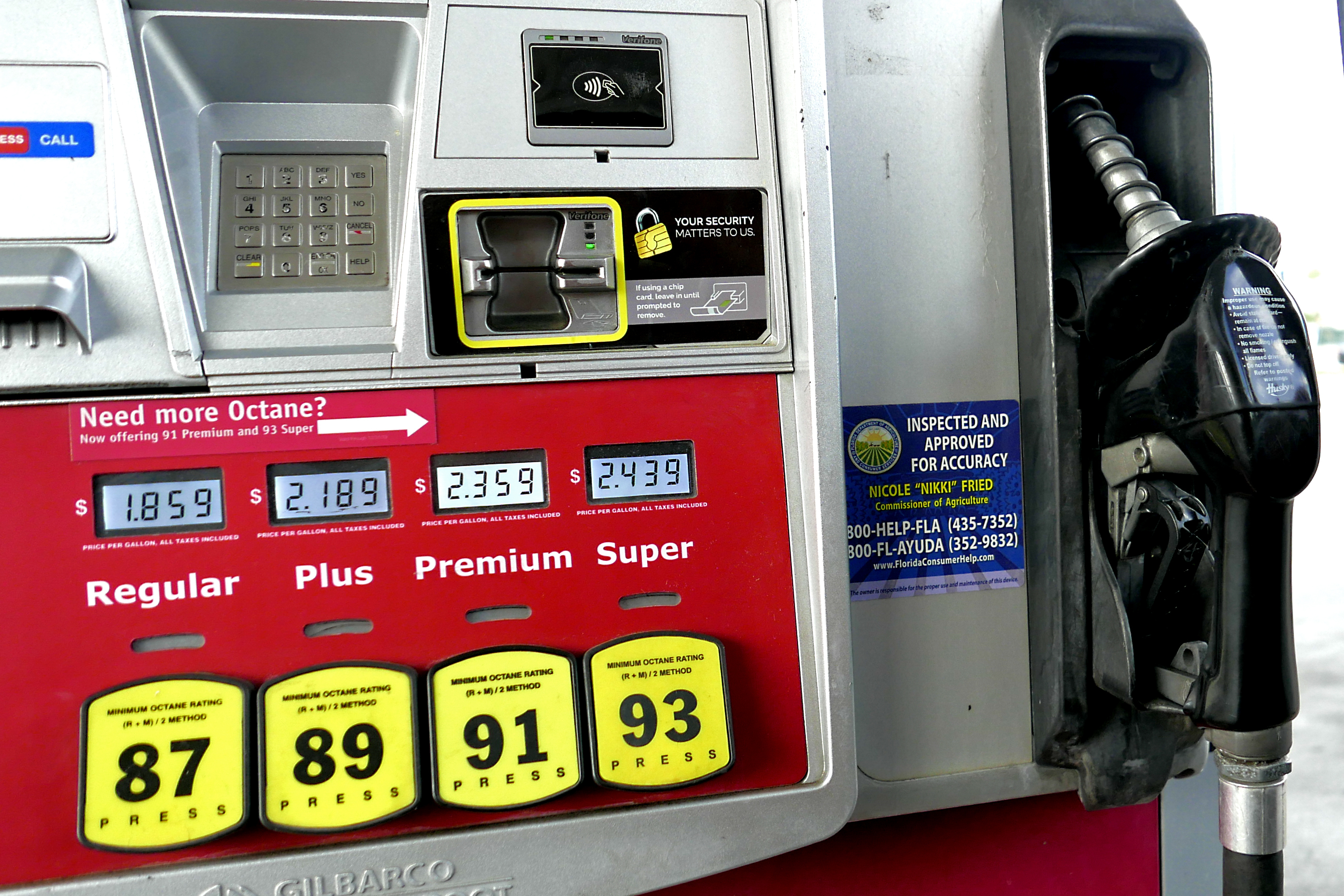
Gasoline prices in New York have historically been subject to significant volatility. In recent years, global events such as the COVID-19 pandemic, supply chain issues, and geopolitical conflicts have led to sharp price increases. While prices may fluctuate, the underlying factors of crude oil costs, refining capacity, and substantial state taxes are likely to keep New York among the higher-priced states for gasoline.
Travelers should factor in a realistic fuel budget when planning trips to New York. This means not only estimating the mileage but also accounting for the higher per-gallon cost compared to many other states. Keeping an eye on news related to the oil markets and OPEC+ decisions can provide some foresight into potential price trends, although predicting exact prices remains challenging.
For those who enjoy the freedom of the open road and the ability to explore at their own pace, the cost of gasoline is an unavoidable, yet manageable, aspect of travel in New York. By being informed and strategic, travelers can minimize the impact of fuel costs on their overall vacation experience, allowing them to focus on enjoying the diverse attractions New York has to offer, from the iconic landmarks of New York City to the natural beauty of Niagara Falls.
LifeOutOfTheBox is a participant in the Amazon Services LLC Associates Program, an affiliate advertising program designed to provide a means for sites to earn advertising fees by advertising and linking to Amazon.com. Amazon, the Amazon logo, AmazonSupply, and the AmazonSupply logo are trademarks of Amazon.com, Inc. or its affiliates. As an Amazon Associate we earn affiliate commissions from qualifying purchases.