
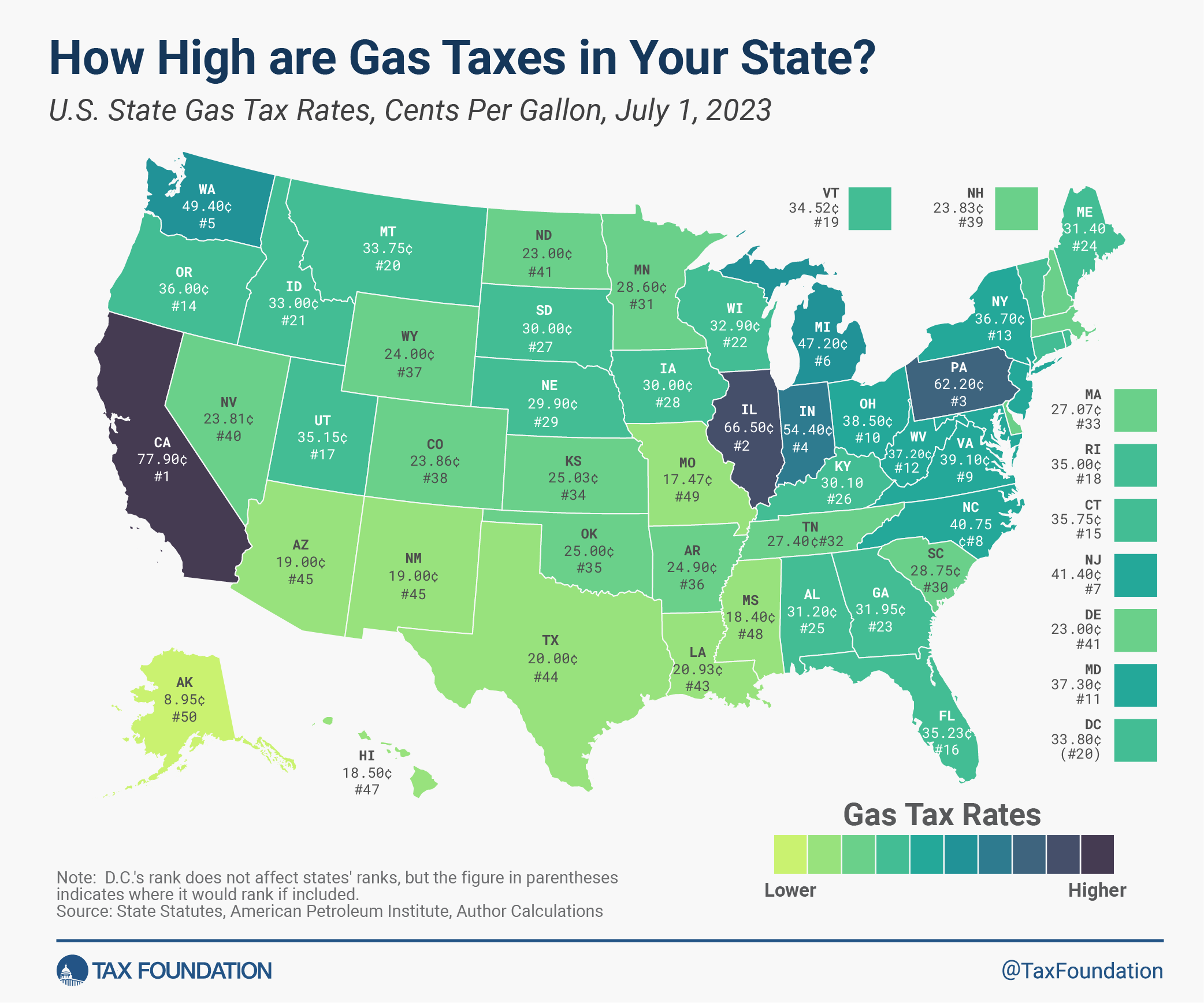
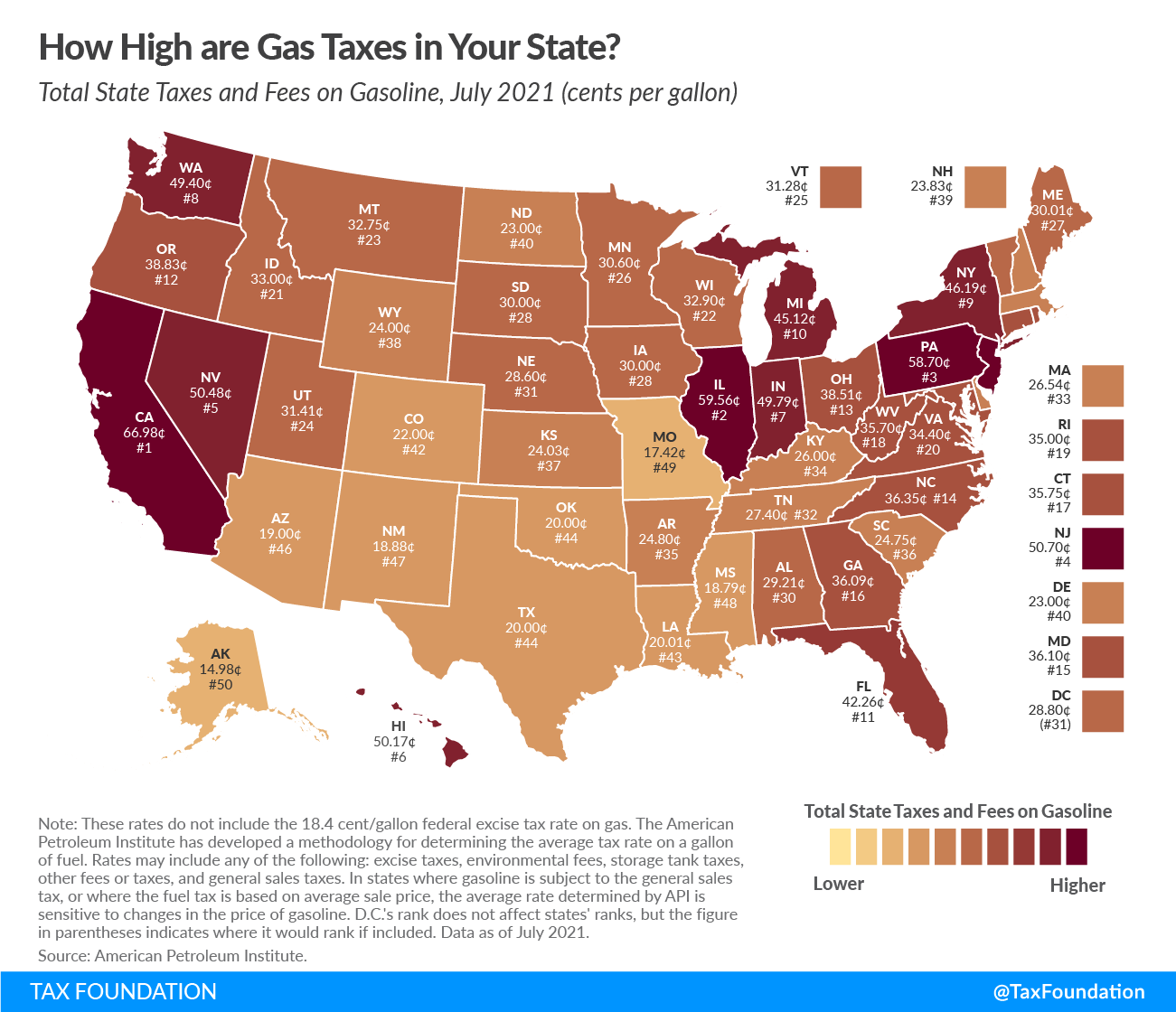
Understanding the cost of fuel in the Golden State is crucial for any traveler planning a road trip or for residents factoring their daily commute into their budget. California consistently ranks among the states with the highest gasoline prices in the United States, a reality largely dictated by a complex web of state and federal taxes, environmental regulations, and market dynamics. For those embarking on adventures across the vast landscapes, from the sun-drenched beaches of Southern California to the majestic redwoods of the north, a significant portion of the pump price is attributed to taxes.
The Anatomy of California’s Gasoline Price
The price you see at the pump is a multifaceted figure, composed of several key components. Beyond the cost of crude oil, refining, and distribution, taxes play a pivotal role in inflating the final price for consumers. In California, these taxes are particularly substantial and are a primary driver of its high fuel costs.
Federal Taxes
Every gallon of gasoline sold in the United States is subject to a federal excise tax. This tax is primarily allocated to the Highway Trust Fund, which finances federal investments in transportation infrastructure, including highways and bridges. As of my last update, the federal gasoline excise tax stands at $0.184 per gallon. While this tax is uniform across all states, its impact is amplified in states like California that impose additional state-level taxes.
State Taxes: The California Factor
This is where California distinguishes itself and where the bulk of the “tax” portion of the gasoline price originates. The state imposes several taxes and fees on gasoline, each with its own purpose and mechanism.
State Excise Tax
The primary state tax on gasoline is the excise tax. This tax is set per gallon and is a significant contributor to the overall price. For a considerable period, California’s excise tax has been among the highest in the nation. This tax is designed to fund state transportation projects, road maintenance, and public transit systems.
Sales Tax
In addition to the excise tax, California also imposes a state sales tax on gasoline. However, the application of sales tax to gasoline is unique. It is calculated not on the retail price of the gasoline itself, but rather on the price including the state excise tax. This means that the sales tax component is also higher because it’s a percentage of a larger base.
Other State Fees and Cap-and-Trade
Beyond the direct excise and sales taxes, California incorporates additional costs that function similarly to taxes in their impact on the consumer price.
- Underground Storage Tank Maintenance Fee: A smaller, per-gallon fee to support the cleanup and maintenance of underground storage tanks at gas stations.
- California’s Cap-and-Trade Program: This is perhaps the most significant and debated component contributing to higher gasoline prices, beyond traditional taxes. The program, administered by the California Air Resources Board, aims to reduce greenhouse gas emissions. Fuel suppliers are required to hold permits (allowances) for the carbon dioxide emissions associated with the fuels they sell. The cost of acquiring these allowances is passed on to consumers at the pump. While intended to combat climate change, this program directly impacts the price of gasoline and is a major reason why California fuel costs are substantially higher than in states without similar environmental regulations.
Local Taxes and Fees
In some California counties or cities, additional local sales taxes or district-specific transportation fees might be added to the price of gasoline, further increasing the total cost. These vary significantly from one locality to another.
Current Tax Rates and Estimating the Total
Pinpointing an exact, static figure for the total gasoline tax in California is challenging due to the fluctuating nature of the sales tax component and the market-driven cost of cap-and-trade allowances. However, we can provide a breakdown of the typical components.
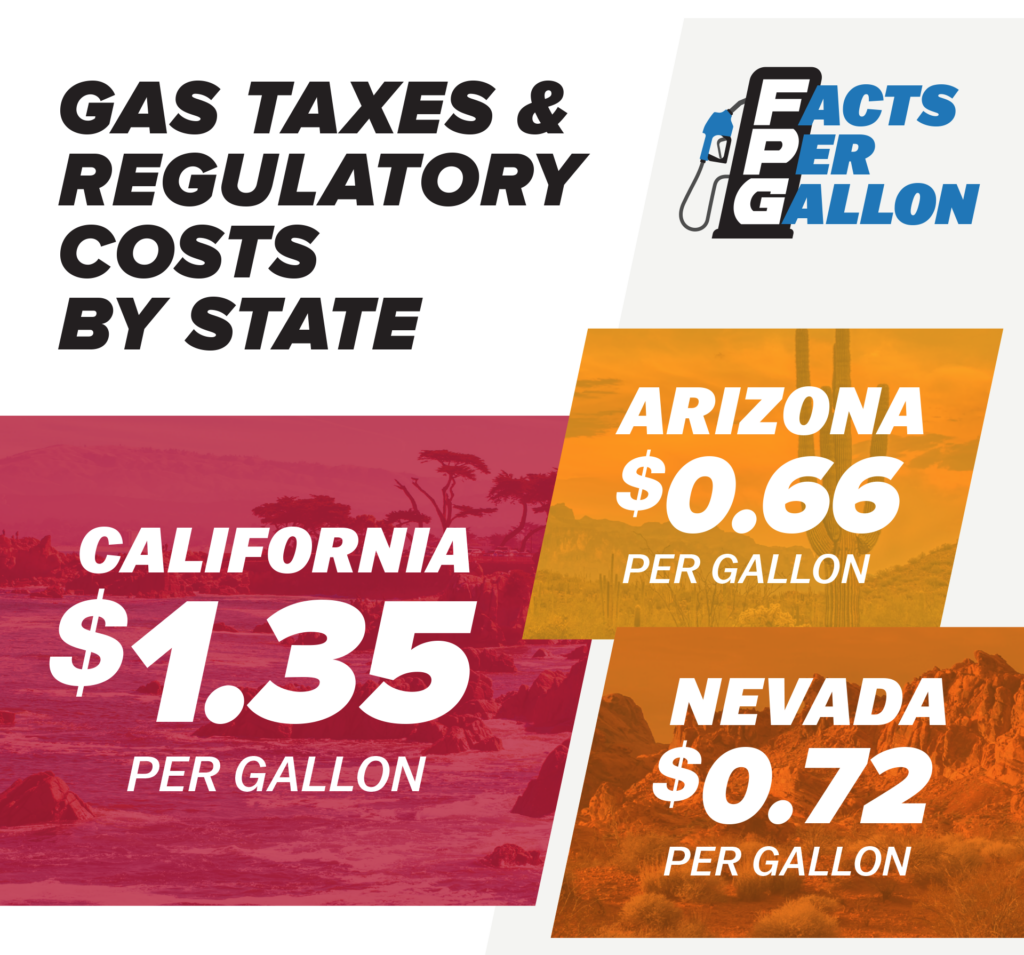
As of recent data (note that these figures are subject to change and should be verified with the latest official sources):
- Federal Excise Tax: $0.184 per gallon.
- California State Excise Tax: This rate has historically hovered around $0.16 per gallon, but it can be adjusted by the legislature.
- California Sales Tax: This is a percentage-based tax. For example, if the price of gasoline (including excise tax) is $4.00 per gallon, and the state sales tax rate is 7.25%, the sales tax would be $0.29. Crucially, the sales tax is applied to the price after the excise tax has been added.
- Cap-and-Trade Program Contribution: This is the most variable component. It can add anywhere from $0.20 to over $0.50 per gallon or more, depending on the market price of carbon allowances.
- Other Fees: The Underground Storage Tank Maintenance Fee is typically around $0.002 per gallon.
Illustrative Calculation (Hypothetical):
Let’s imagine a scenario to illustrate the cumulative effect of these taxes and fees, using hypothetical but representative figures:
- Base Cost of Gasoline (Pre-Tax): $2.00 per gallon (this is the cost of the fuel itself, refinery, distribution, etc., before any taxes).
- Federal Excise Tax: $0.184
- State Excise Tax: $0.16
- Price Subject to Sales Tax: $2.00 (base) + $0.184 (federal) + $0.16 (state) = $2.344
- State Sales Tax (7.25%): $2.344 * 0.0725 = $0.170
- Cap-and-Trade Impact: $0.35 (hypothetical average)
- Underground Storage Tank Fee: $0.002
Total Estimated Taxes and Fees: $0.184 + $0.16 + $0.170 + $0.35 + $0.002 = $0.866 per gallon
This hypothetical calculation shows that taxes and fees alone can account for a substantial portion of the pump price, even before considering the market price of the fuel itself. In reality, the final price can easily exceed $5.00 or $6.00 per gallon in California, with taxes and environmental compliance costs forming a significant percentage of that total.
Why Are California’s Gasoline Taxes So High?
California’s commitment to environmental initiatives and its extensive transportation infrastructure needs are the primary drivers behind its high gasoline taxes.
- Environmental Leadership: California has set ambitious goals for reducing greenhouse gas emissions and improving air quality. The cap-and-trade program and other environmental regulations are direct manifestations of this commitment. These policies, while beneficial for long-term environmental health, impose direct costs on the production and sale of fossil fuels.
- Infrastructure Needs: The state’s vast network of highways, bridges, and public transit systems requires continuous funding for maintenance, repair, and expansion. Gasoline taxes have historically been a primary revenue source for these projects, fueling everything from repaving the Golden Gate Bridge to expanding light rail in Los Angeles.
- Fuel Standards: California also has specific fuel standards that are more stringent than federal requirements. For example, the state uses its own blend of gasoline designed to reduce smog-forming pollutants, particularly during warmer months. Producing this unique blend can incur additional costs for refiners, which are often passed on to consumers.
Impact on Travelers and Residents
The high cost of gasoline in California has a palpable impact on both tourists and residents.
For Tourists
For visitors planning a road trip, whether it’s a scenic drive along Pacific Coast Highway or an exploration of national parks like Yosemite, budgeting for fuel is essential. The cost of filling up a car can add a significant, and often unexpected, expense to travel plans. This might influence decisions on the length of a trip, the type of vehicle rented, or the feasibility of certain long-distance excursions. Some travelers might opt for public transportation in major metropolitan areas like San Francisco or San Diego to mitigate fuel costs.
For Residents
For California residents, the high gasoline tax is a recurring daily or weekly expense that impacts household budgets. Commuting to work, running errands, or taking weekend trips all become more costly. This can lead to shifts in transportation habits, such as carpooling, using ride-sharing services more frequently, or investing in more fuel-efficient vehicles or electric cars. The cost of goods and services can also indirectly rise as businesses factor in higher transportation costs for deliveries.
Navigating the Costs
While the high gasoline tax in California is a persistent reality, travelers and residents can take steps to manage these costs.
- Fuel-Efficient Vehicles: Opting for smaller, more fuel-efficient cars or electric vehicles can drastically reduce fuel expenditures over time. The long-term savings can often outweigh any initial cost premium.
- Strategic Planning: For road trips, planning routes to minimize mileage and identifying areas with potentially lower fuel prices (though the difference might be marginal within California) can help. Utilizing gas price comparison apps can also be beneficial.
- Exploring Alternatives: In urban centers, taking advantage of California’s extensive public transportation networks, such as the Los Angeles Metro or the BART system in the Bay Area, can be a cost-effective and environmentally friendly alternative to driving.
- Staying Informed: Understanding the components of gasoline pricing, including the taxes and fees, can help demystify the high costs and inform personal financial decisions.
The gasoline tax in California is a complex issue, reflecting the state’s unique blend of environmental aspirations and infrastructure needs. While it contributes to higher prices at the pump, it also underpins crucial state investments and environmental progress. For anyone navigating the roads of the Golden State, a clear understanding of these taxes is a vital part of planning and budgeting.
LifeOutOfTheBox is a participant in the Amazon Services LLC Associates Program, an affiliate advertising program designed to provide a means for sites to earn advertising fees by advertising and linking to Amazon.com. Amazon, the Amazon logo, AmazonSupply, and the AmazonSupply logo are trademarks of Amazon.com, Inc. or its affiliates. As an Amazon Associate we earn affiliate commissions from qualifying purchases.