
Understanding the tax landscape is a crucial aspect of financial planning, whether you’re a resident contemplating a move to the Centennial State or a seasoned Coloradan looking to optimize your financial strategy. While many states grapple with complex, multi-tiered income tax systems, Colorado offers a refreshingly straightforward approach. This simplicity, however, doesn’t negate the importance of a thorough understanding. This guide delves into Colorado’s income tax structure, its implications, and how it might impact your overall financial well-being, particularly in the context of lifestyle choices and the economic vibrancy of this popular travel and tourism destination.
Colorado’s Flat Income Tax Rate
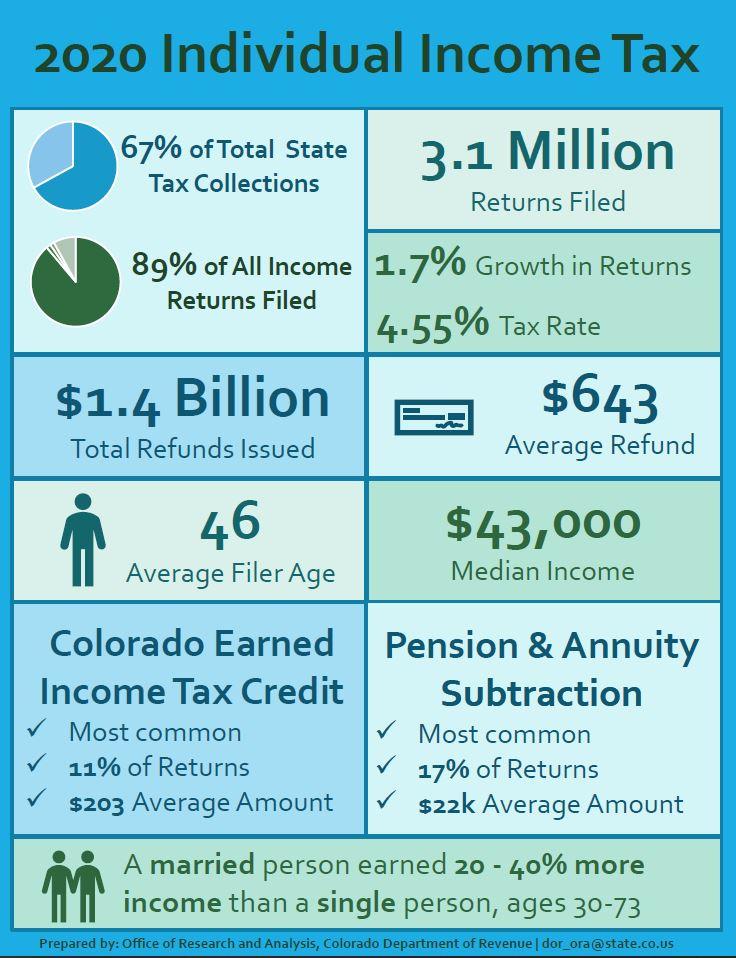
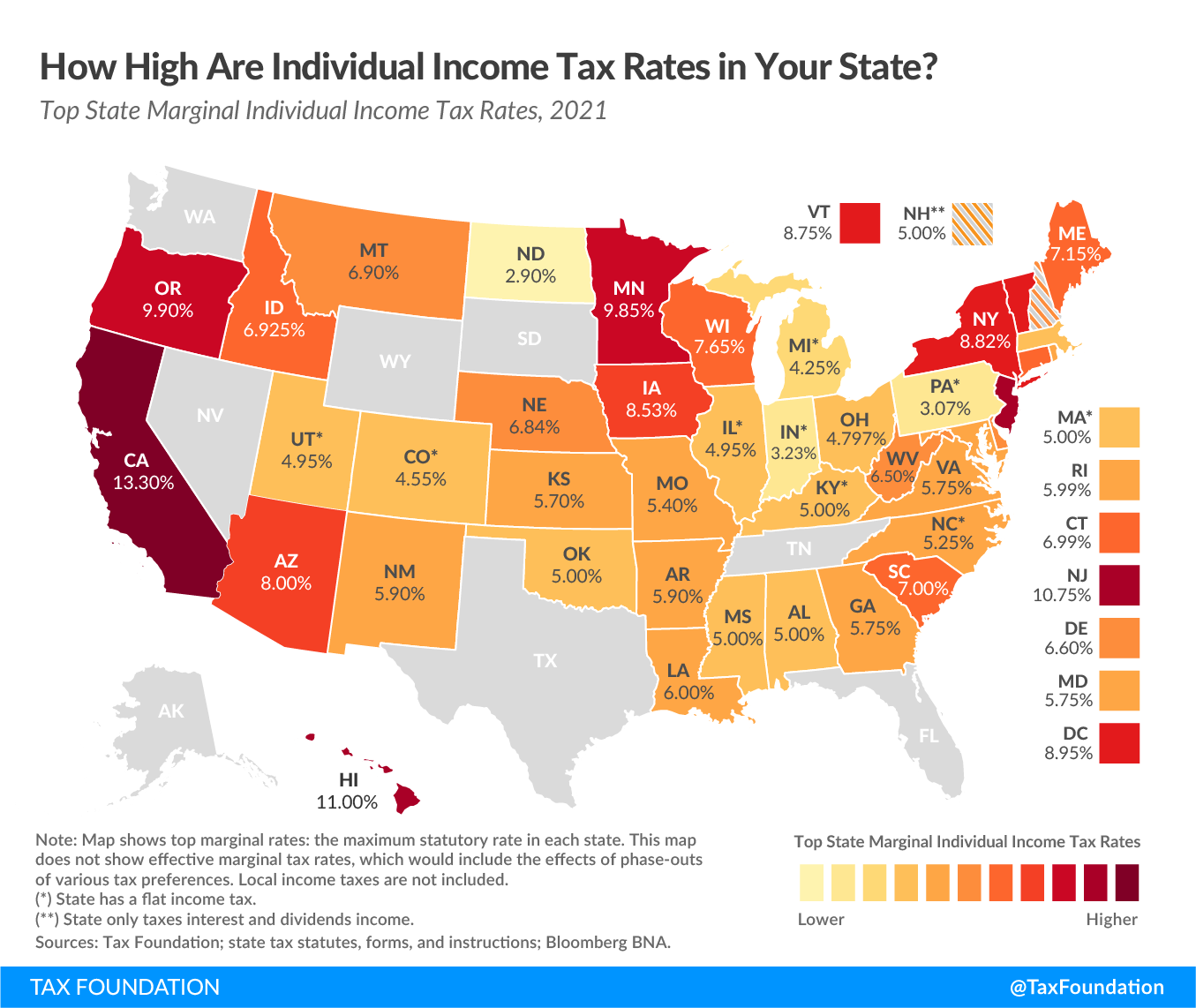
At the heart of Colorado’s income tax system is its single, flat tax rate. This means that every taxpayer, regardless of their income level, pays the same percentage of their taxable income to the state. As of recent legislative adjustments, this rate stands at 4.40%. This uniformity is a significant departure from progressive tax systems, where higher earners are taxed at higher rates.
The Mechanics of the Flat Tax
The flat tax applies to most types of income, including wages, salaries, tips, bonuses, and certain other forms of earnings. It’s calculated based on your federal adjusted gross income (AGI), with specific state-level adjustments. These adjustments can include deductions and exemptions that effectively reduce your taxable income. Understanding your AGI is the first step in determining your Colorado income tax liability.
Key Considerations for the Flat Tax:
- Simplicity: The primary advantage is its ease of understanding and calculation. This can be particularly appealing for individuals and families who value straightforward financial management.
- Predictability: Knowing the tax rate in advance allows for more accurate budgeting and financial forecasting.
- Economic Impact: Proponents argue that a flat tax can encourage investment and economic growth by reducing the tax burden on higher earners, potentially incentivizing business development and job creation across the state, from the bustling streets of Denver to the charming mountain towns like Aspen.
Deductions and Exemptions in Colorado
While the rate is flat, the amount of tax you actually pay is determined by your taxable income, which is your income after applying allowable deductions and exemptions. Colorado offers several deductions that can reduce your taxable income. These often mirror federal deductions but can have state-specific nuances.
Common Deductions and Exemptions:
- Standard Deduction: Colorado allows taxpayers to take either the standard deduction or itemize their deductions. The standard deduction is a fixed dollar amount that reduces taxable income. For many taxpayers, this is the simpler and more beneficial option.
- Personal Exemptions: While traditionally a significant part of tax calculations, the concept of personal exemptions has evolved. Colorado has phased out personal exemptions in the traditional sense, but other credits and deductions serve a similar purpose in reducing tax liability.
- Retirement Income Exemption: A notable benefit for retirees is the exemption for retirement income, including pensions, annuities, and distributions from retirement plans (like 401(k)s and IRAs). A portion of this retirement income is exempt from state income tax, making Colorado an attractive destination for those seeking to enjoy their golden years without a substantial state tax bite on their savings. The exempt amount is adjusted annually for inflation.
- Social Security Benefits: Unlike some states, Colorado does not tax Social Security benefits, further enhancing its appeal to retirees.
- Itemized Deductions: If your itemized deductions exceed the standard deduction, you may choose to itemize. Common itemized deductions can include state and local taxes (SALT) up to a certain limit, mortgage interest, charitable contributions, and medical expenses exceeding a certain percentage of your AGI.
Beyond Income Tax: Other Considerations for Colorado Residents
While the income tax rate is a primary concern, a comprehensive understanding of financial obligations in Colorado requires looking at other aspects that can influence your cost of living and overall financial health. These factors are particularly relevant when considering lifestyle choices, from the economic impact on tourism to the affordability of various regions within the state.
Sales and Property Taxes
- Sales Tax: Colorado has a state sales tax of 2.9%, but this is just the beginning. Local governments, including cities and counties, can impose their own sales taxes, often leading to a combined rate that can be significantly higher. This is a crucial consideration for anyone planning to make significant purchases or engage in frequent retail activities, especially in popular tourist hubs like Vail or Breckenridge, where local sales taxes can add up.
- Property Tax: Property taxes in Colorado are generally considered moderate compared to many other states. They are levied by local governments (counties, cities, school districts) and are based on the assessed value of the property. The assessed value is a percentage of the actual market value, and this percentage is set by the state legislature. Property tax rates, or mill levies, vary widely depending on the specific taxing entities for a given property. Homeowners may also be eligible for property tax relief programs, such as the homestead exemption, which can reduce their property tax burden.
The Economic Landscape and Its Impact on Taxes
The economic vitality of Colorado is intrinsically linked to its tax policies. The state’s strong economy, driven by sectors like technology, aerospace, tourism, and outdoor recreation, provides a robust tax base. This economic strength has historically allowed the state to maintain a relatively low and stable income tax rate.

- Tourism’s Role: The booming tourism industry, attracting millions to destinations like Rocky Mountain National Park and the ski resorts, contributes significantly to the state’s economy through sales taxes and fees. While not directly income tax, the success of these industries underpins the state’s ability to avoid higher income tax burdens.
- Business Climate: Colorado is known for its business-friendly environment, which can attract new companies and entrepreneurs. This influx of economic activity can lead to increased tax revenue, potentially supporting existing tax rates or funding essential public services without necessitating tax hikes.
Tax Planning Strategies for Colorado Residents
Given the flat tax structure and the various deductions and exemptions available, strategic tax planning can still yield significant benefits for Colorado residents. Whether you are a frequent traveler exploring Colorado’s diverse landscapes or a professional working in its thriving cities, optimizing your tax situation is key.
Maximizing Retirement Income Exemptions
For those approaching or in retirement, understanding and maximizing the retirement income exemption is paramount.
- Strategic Withdrawals: Consult with a financial advisor to strategize the timing and source of your retirement income withdrawals to take full advantage of the exempt portion. This might involve prioritizing withdrawals from taxable accounts over tax-deferred accounts, depending on your specific situation and the current exemption limits.
- Relocation Considerations: For individuals considering relocating to Colorado for retirement, the tax treatment of retirement income is a significant draw. Coupled with the lack of taxation on Social Security benefits, it presents a compelling financial argument.
Leveraging Deductions and Credits
Even with a flat tax, utilizing all available deductions and credits can substantially reduce your tax liability.
- Itemizing vs. Standard Deduction: Regularly review your deductible expenses (e.g., medical costs, charitable donations, mortgage interest) to determine whether itemizing your deductions would be more beneficial than taking the standard deduction. This is especially relevant if you own property in Colorado or engage in significant charitable giving.
- Tax Credits: While not as extensive as in some states, Colorado does offer certain tax credits that can directly reduce your tax bill. Stay informed about any new credits introduced by the legislature, which might relate to areas like energy efficiency, education, or specific business investments.
Understanding the Impact on Lifestyle and Travel
The tax structure in Colorado can influence various lifestyle and travel decisions.
- Cost of Living: While the income tax is relatively low, the overall cost of living, particularly housing in popular areas like Boulder or along the Front Range, can be high. Sales taxes also contribute to the cost of everyday goods and services.
- Business Travel: For professionals who travel frequently for business within Colorado, understanding how business expenses are treated for tax purposes can be important. While business expenses are typically deductible on federal returns, state-specific rules and record-keeping requirements should be considered.
- Vacation Home Ownership: Owning a vacation home in a resort town like Steamboat Springs involves property taxes and potentially rental income considerations. Understanding how income from short-term rentals is taxed is crucial for property owners.
Future Outlook for Colorado’s Income Tax
The flat tax system in Colorado has been a consistent feature for many years. However, like any tax policy, it is subject to legislative review and potential changes. Economic conditions, revenue needs, and political considerations can all influence future tax policy decisions.
Potential for Legislative Changes
While a radical overhaul of the flat tax is unlikely in the short term, minor adjustments to the tax rate, deductions, or exemptions are always possible. Legislators may propose changes to address specific economic challenges, fund new public initiatives, or respond to evolving federal tax laws.
- Revenue Fluctuations: Significant economic downturns or booms can impact state revenue. If the state faces budget shortfalls, lawmakers might consider increasing taxes or reducing expenditures. Conversely, periods of strong economic growth can provide opportunities for tax relief or investment in public services.
- Shifting Political Priorities: As political landscapes change, so too can the priorities of those in power, potentially leading to debates about the fairness and effectiveness of the current flat tax system.
The Role of Taxpayers in the Process
Citizens have a voice in the tax policy of Colorado through their elected representatives. Staying informed about proposed legislation, engaging with local and state officials, and participating in public discourse are all ways taxpayers can influence the future of income tax in the state. For those who enjoy the outdoor adventures and cultural experiences that Colorado offers, understanding and contributing to the fiscal health of the state through informed tax practices is an important part of being a resident or frequent visitor.
LifeOutOfTheBox is a participant in the Amazon Services LLC Associates Program, an affiliate advertising program designed to provide a means for sites to earn advertising fees by advertising and linking to Amazon.com. Amazon, the Amazon logo, AmazonSupply, and the AmazonSupply logo are trademarks of Amazon.com, Inc. or its affiliates. As an Amazon Associate we earn affiliate commissions from qualifying purchases.