
The minimum wage is a critical economic indicator that impacts individuals, businesses, and the overall financial health of a state. For visitors and residents alike considering employment or planning a budget for a trip to the Centennial State, understanding Colorado’s minimum wage laws is essential. This guide delves into the current minimum wage in Colorado, its historical context, and how it influences various aspects of life and travel within the state.
Understanding Colorado’s Minimum Wage Structure
Colorado’s minimum wage is not a static figure. It is subject to annual adjustments, primarily driven by inflation. This ensures that the purchasing power of the minimum wage keeps pace with the rising cost of living.
The Current Minimum Wage Rate
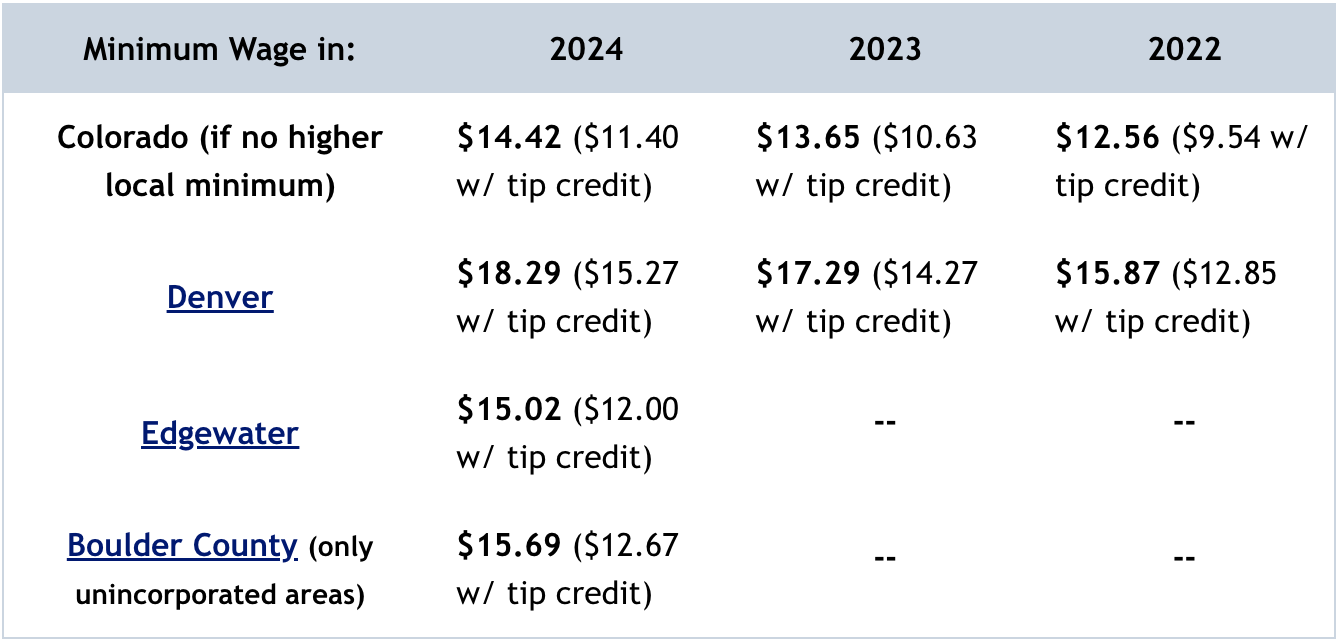
As of January 1, 2024, the state minimum wage in Colorado is set at $14.42 per hour. This applies to most employees across the state. However, there are specific nuances and exceptions to be aware of, particularly concerning tipped employees.
Differentiated Minimum Wage for Tipped Employees
Colorado has a differentiated minimum wage for employees who customarily and regularly receive more than $30 per month in tips. For these workers, the cash wage is set lower, with the expectation that tips will bring their total earnings up to at least the standard minimum wage. As of January 1, 2024, the cash wage for tipped employees in Colorado is $11.42 per hour. This means that an employer must pay at least $11.42 per hour in cash, and if the employee’s tips do not bring their total hourly earnings to $14.42, the employer must make up the difference. This dual-rate system is common in the hospitality industry, affecting many workers in restaurants, bars, and hotels in popular tourist destinations like Denver, Aspen, and Vail.
Minimum Wage for Tipped Employees (2023 vs. 2024)
It’s important to note the progression of these rates. In 2023, the standard minimum wage was $13.65 per hour, and the tipped employee cash wage was $10.63 per hour. The increase to $14.42 and $11.42 respectively for 2024 reflects the state’s commitment to adjusting wages in line with economic conditions.
Exceptions and Special Circumstances
While the $14.42 per hour rate is the general standard, there are some exceptions. For instance, certain trainees, learners, and individuals with disabilities may be subject to lower wage rates under specific federal and state regulations, provided proper authorization is obtained. Additionally, specific industries or localities might have differing regulations, though the state minimum wage generally preempts lower local minimums. Employers are always advised to consult the latest guidelines from the Colorado Department of Labor and Employment.
Historical Context and Future Projections
Understanding the trajectory of Colorado’s minimum wage offers valuable insight into its economic policies and their impact.
Evolution of the Minimum Wage
The minimum wage in Colorado has seen a steady increase over the years. Prior to 2020, the rate was adjusted through a legislative process. However, a voter-approved ballot initiative in 2016 (Proposition 111) established a mechanism for automatic annual increases tied to inflation, measured by the Consumer Price Index (CPI). This change has led to more predictable and consistent adjustments. The intention behind this shift was to provide a more stable and responsive minimum wage that better reflects economic realities.
The Impact of Inflation
The annual adjustment mechanism is directly linked to the CPI, which measures the average change over time in the prices paid by urban consumers for a market basket of consumer goods and services. When inflation rises, the CPI increases, and consequently, the minimum wage is adjusted upwards to help workers maintain their purchasing power. Conversely, if inflation were to decrease significantly, the minimum wage would theoretically remain the same or be adjusted downwards, although downward adjustments are rare given the general trend of rising prices.

Future Minimum Wage Considerations
Given the annual adjustment tied to inflation, it is reasonable to project that the minimum wage in Colorado will continue to rise in the coming years. While specific figures for future years are not yet set, stakeholders can anticipate increases that will likely keep pace with national and regional inflation trends. This ongoing adjustment is a cornerstone of Colorado’s approach to ensuring a living wage for its workforce. For those planning extended stays or considering working in Colorado, these projections can aid in financial planning.
Minimum Wage and Its Effect on Tourism and Lifestyle in Colorado
The minimum wage in Colorado has a tangible impact on both the experience of tourists and the lifestyle of its residents. This is particularly evident in sectors like hospitality and retail, which are vital to the state’s economy.
Impact on the Hospitality Sector
The hospitality industry, a cornerstone of Colorado’s tourism, directly employs a significant number of minimum wage and tipped workers. Hotels, restaurants, and recreational facilities in popular destinations such as Rocky Mountain National Park, Boulder, and Colorado Springs rely heavily on this workforce. An increased minimum wage can lead to higher labor costs for businesses, which may be passed on to consumers through higher prices for accommodation, dining, and activities. For travelers, this could mean slightly higher expenses for their vacations.
However, a higher minimum wage can also lead to increased consumer spending power among hospitality workers, potentially boosting demand for local goods and services. Furthermore, improved wages can lead to lower employee turnover, resulting in a more experienced and efficient workforce, which can enhance the quality of service provided to tourists. Many lodges, like The Broadmoor, and ski resorts are deeply interconnected with the local labor market.
Cost of Living and Budget Travel
The minimum wage is intrinsically linked to the cost of living. In Colorado, especially in popular urban centers like Denver and resort towns, the cost of living can be high. A higher minimum wage aims to help residents, particularly those in entry-level positions, meet these costs. For budget travelers, understanding the minimum wage can offer insight into the general price level of services. For instance, if the minimum wage is higher, one might anticipate slightly higher prices for everyday services and goods compared to regions with lower wage standards.
For those considering a long-term stay or even a working holiday in Colorado, understanding the minimum wage alongside the cost of rent, transportation, and daily expenses is crucial for financial planning. Many Airbnb hosts and vacation rental owners also operate within this economic context.
Employment Opportunities and Economic Development
The minimum wage policy plays a role in shaping the job market. While some businesses might express concerns about increased labor costs, others recognize that fair wages can contribute to a more stable and motivated workforce. For economic development initiatives in areas like the San Luis Valley or smaller mountain towns, a well-compensated workforce can attract and retain talent, fostering local growth. The presence of a strong tourism sector, supported by a living wage, can create a virtuous cycle of employment and economic prosperity. Whether one is planning a visit to a national park or a cultural attraction, the economic underpinnings are always present.
Navigating Colorado’s Minimum Wage: Tips for Employees and Employers
For both those earning a wage and those employing staff in Colorado, staying informed about minimum wage laws is a professional responsibility.
For Employees: Knowing Your Rights
- Familiarize yourself with the current rate: Always be aware of the official minimum wage for Colorado and the specific rate applicable to your employment type (e.g., tipped vs. non-tipped).
- Track your hours and tips diligently: If you are a tipped employee, accurate record-keeping of your hours worked and tips received is vital to ensure your employer is meeting the wage requirements.
- Understand overtime rules: Beyond the minimum wage, Colorado also has specific rules regarding overtime pay for hours worked beyond a standard workday or workweek.
- Seek clarification: If you have any doubts about your pay or believe you are not being paid the correct minimum wage, don’t hesitate to speak with your employer or contact the Colorado Department of Labor and Employment.

For Employers: Ensuring Compliance
- Stay updated on wage changes: The annual adjustments to Colorado’s minimum wage mean employers must review and update their payroll systems at the beginning of each year.
- Maintain accurate records: Proper documentation of hours worked, wages paid, and tips received (for tipped employees) is essential for legal compliance and can prevent disputes.
- Understand tipped employee rules thoroughly: The rules surrounding tipped wages can be complex. Employers must ensure they are correctly calculating and distributing tips and making up any shortfall to meet the minimum wage.
- Post required notices: Employers are required by law to display posters outlining minimum wage and other labor rights in a conspicuous place where employees can see them.
- Consult official resources: The Colorado Department of Labor and Employment provides comprehensive guides and resources for employers on minimum wage compliance.
By understanding and adhering to Colorado’s minimum wage laws, both employees and employers contribute to a fair and functional economic environment that supports the state’s vibrant tourism and lifestyle.
LifeOutOfTheBox is a participant in the Amazon Services LLC Associates Program, an affiliate advertising program designed to provide a means for sites to earn advertising fees by advertising and linking to Amazon.com. Amazon, the Amazon logo, AmazonSupply, and the AmazonSupply logo are trademarks of Amazon.com, Inc. or its affiliates. As an Amazon Associate we earn affiliate commissions from qualifying purchases.