
For many professionals, digital nomads, and entrepreneurs considering a relocation to the entertainment capital of the world, the financial implications of residency are just as important as the allure of the neon lights. While Las Vegas is world-renowned for its casinos, luxury resorts, and high-energy nightlife, it is also a powerful magnet for those looking to optimize their personal finances. Understanding the tax landscape is a critical step for anyone weighing the move to the United States and specifically the state of Nevada.
The Nevada Advantage: Understanding State Income Tax
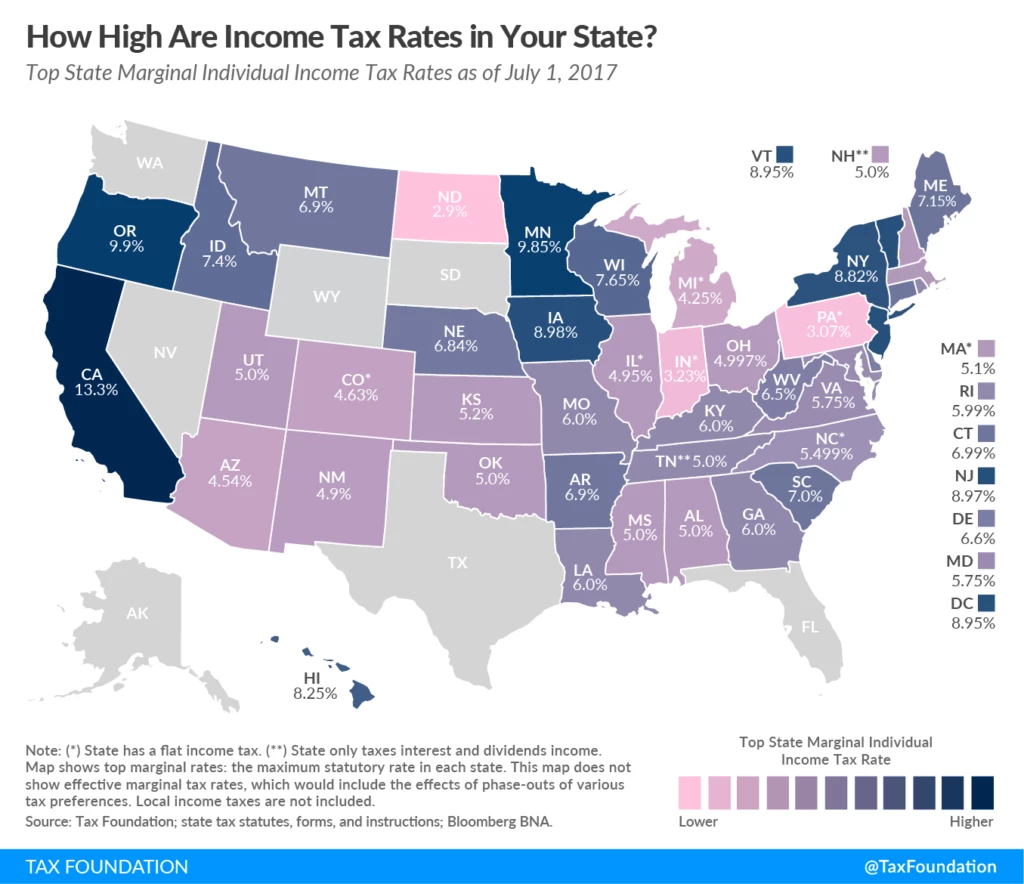
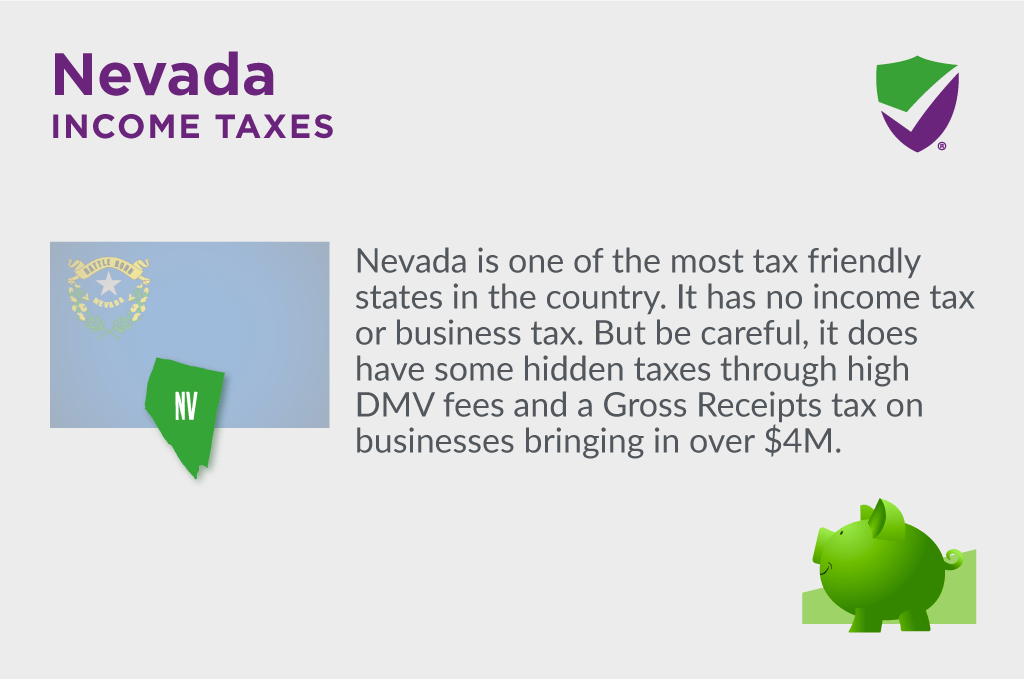
The most significant financial benefit of living in Las Vegas is the lack of a state personal income tax. Unlike residents in high-tax states such as California or New York, individuals living in Nevada do not pay a state-level income tax on their earnings. This constitutional protection makes the city an incredibly attractive hub for high-net-worth individuals, freelance consultants, and business owners looking to maximize their annual take-home pay.

How State Tax Structures Compare
When analyzing the financial feasibility of a move, it is helpful to look at the tax burden of surrounding regions. Residents of neighboring California face a graduated state income tax rate that can climb significantly, sometimes reaching double-digit percentages depending on total annual income. In Las Vegas, that same income is shielded from state taxation, effectively providing an immediate “raise” for anyone relocating from a high-tax jurisdiction.
Why No State Income Tax?
The state of Nevada funds its government infrastructure through alternative revenue streams. The primary contributors are the sales tax, property taxes, and, most notably, the tax revenue generated from the gaming and tourism industry. By relying on visitors to bolster the state budget, Nevada is able to maintain a zero-percent personal income tax environment for its permanent residents.
Federal Taxation: The Baseline for All Americans
While Nevada does not impose a state income tax, it is vital to remember that all residents of the United States are still subject to federal income tax. Regardless of whether you live in Las Vegas, Miami, or Chicago, the Internal Revenue Service requires individuals to report their global income and pay federal taxes according to the current tax brackets.
Understanding Tax Brackets
The federal tax system operates on a progressive basis. This means that as your taxable income increases, the percentage of tax you pay on each additional dollar of earnings rises. These brackets are adjusted periodically by the federal government. Even without state-level taxation, it is essential to calculate your effective tax rate based on the federal guidelines.
Deductions and Credits
Strategic financial planning in Las Vegas often involves leveraging federal deductions and credits to lower one’s overall taxable burden. Whether you are a homeowner or a business entity, understanding which expenses are deductible—such as mortgage interest, property taxes, or business-related operational costs—can provide additional layers of savings that are unavailable in other regions.
The Cost of Living in Las Vegas vs. Tax Savings
It is a common mistake to look solely at the tax burden without considering the broader cost of living. While the absence of state income tax is a massive benefit, prospective residents should weigh this against other local costs to ensure the total financial picture makes sense for their specific lifestyle.
Property and Sales Taxes
While Nevada offers zero income tax, the state does collect revenue through other channels. The sales tax rate in Clark County, where Las Vegas is situated, is generally competitive compared to other major metropolitan areas. Additionally, property taxes exist, though they are often lower than in many other states across the United States. When you combine the moderate property tax burden with the absence of state income tax, the overall tax efficiency of living in Nevada remains quite high.
Lifestyle and Economic Mobility
The financial efficiency provided by the tax structure allows residents to allocate more of their income toward their lifestyle. Whether you prefer the luxury amenities of the Las Vegas Strip or the quieter, family-oriented neighborhoods in Summerlin or Henderson, the extra capital retained from the lack of state income tax can be redirected into real estate investments, leisure, or business expansion.
Planning for Relocation: A Strategic Perspective
For those planning to make Las Vegas their permanent home, timing and residency requirements are paramount. The tax benefits of moving to Nevada are strictly tied to actual residency.
Establishing Domicile
The Internal Revenue Service and tax authorities in your state of departure will look at several factors to determine where your legal domicile is located. This typically includes:
- The number of days spent in the state (usually more than 183 days).
- The location of your primary residence and personal belongings.
- Where your voter registration, driver’s license, and vehicle registrations are held.
- The location of your banking institutions and financial accounts.
Seeking Professional Financial Guidance
Because tax laws can be complex and are subject to change, it is highly recommended that anyone considering a move to Las Vegas consult with a qualified tax accountant or financial advisor. An expert who specializes in Nevada tax law can help you navigate the transition, ensure you are fully compliant with federal regulations, and help you maximize the unique financial advantages that the state offers.
Conclusion: Is the Move Financially Sound?
When analyzed through a purely fiscal lens, the choice to relocate to Las Vegas is compelling. The combination of no state income tax, a reasonable cost of living, and a robust, growing economy provides a strong foundation for financial success. By understanding both the state-level advantages and the responsibilities of federal taxation, you can make an informed decision that aligns with your long-term goals.
Whether you are seeking a change of pace, business growth, or a more efficient tax environment, Nevada presents an opportunity that is difficult to ignore. As you weigh the pros and cons, remember that the “Silver State” offers more than just entertainment; it offers a competitive financial landscape where your hard-earned money can work harder for you. By leveraging the tax policies of Las Vegas, you are positioning yourself to achieve greater financial independence while enjoying the unique culture, beauty, and excitement of the American West.
LifeOutOfTheBox is a participant in the Amazon Services LLC Associates Program, an affiliate advertising program designed to provide a means for sites to earn advertising fees by advertising and linking to Amazon.com. Amazon, the Amazon logo, AmazonSupply, and the AmazonSupply logo are trademarks of Amazon.com, Inc. or its affiliates. As an Amazon Associate we earn affiliate commissions from qualifying purchases.