
Building a custom home in California represents a significant lifestyle investment, embodying a dream for many, but also confronting the realities of one of the nation’s most expensive real estate markets. The allure of the Golden State – with its diverse landscapes, vibrant economy, and unique cultural tapestry – often comes with a premium. Understanding the financial landscape is crucial for anyone considering such a monumental undertaking, as it profoundly impacts long-term financial planning and quality of life.
The Golden State’s Golden Price Tag
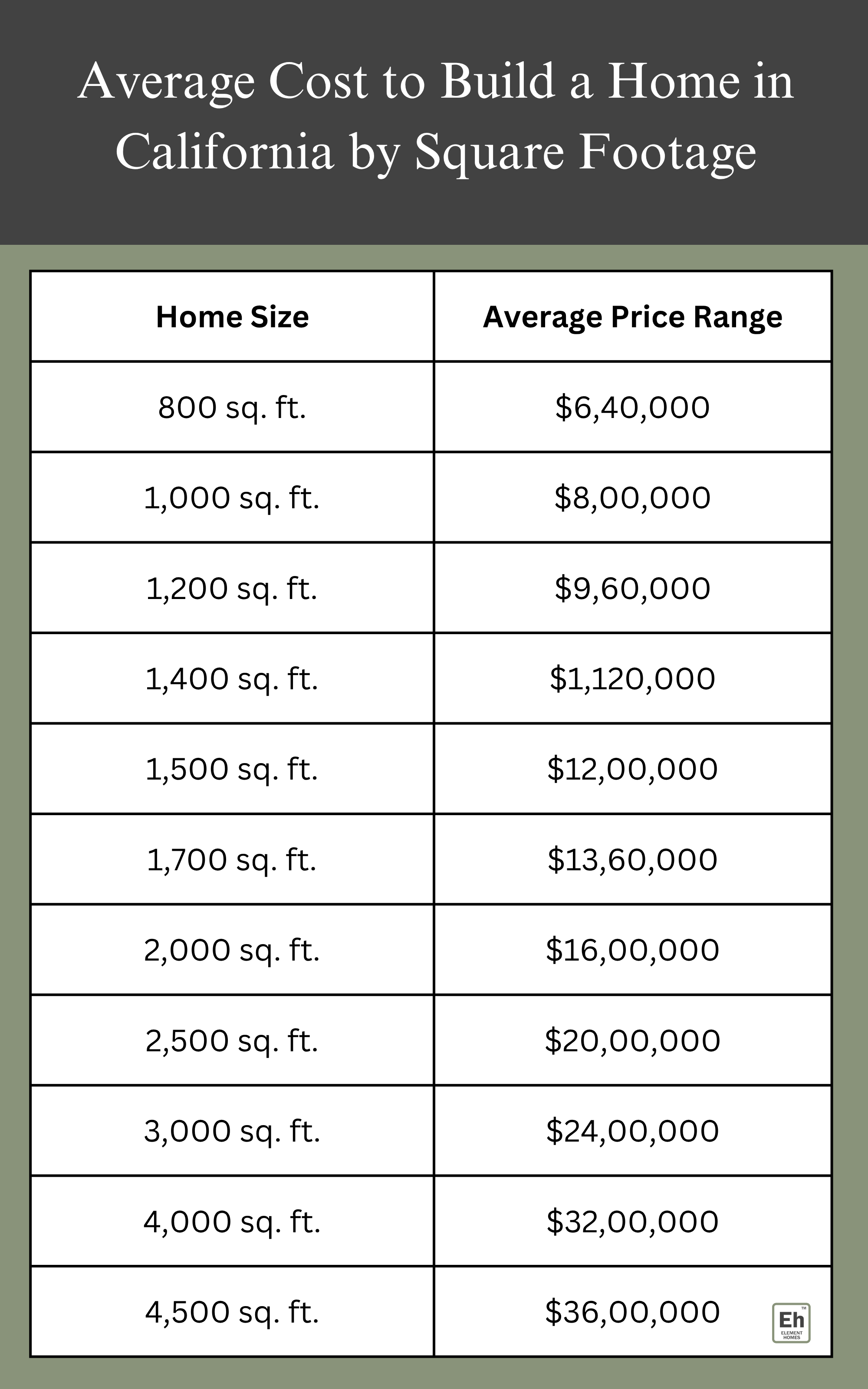
California’s reputation for high costs extends emphatically to construction. While national averages for building a house might hover around $300,000 to $500,000, these figures rarely capture the full scope of a California project. The median cost to build a new home in California can easily range from $400 to $700 per square foot, and often significantly higher in desirable coastal regions or for luxury custom builds. This means a modest 2,000-square-foot home could cost between $800,000 and $1.4 million, not including the land. This elevated cost is a multifaceted issue, influenced by everything from stringent environmental regulations and high labor costs to the premium placed on materials and the sheer demand for housing. For many, this isn’t just a construction cost; it’s a fundamental lifestyle decision that dictates future financial flexibility, personal investment, and the pursuit of a dream home.

Deconstructing the Costs: Key Components
The total expense of building a house in California is a mosaic of numerous individual costs, each with its own significant impact on the final budget. A clear understanding of these components is vital for any aspiring homeowner aiming to integrate this major asset into their lifestyle.
Land Acquisition
Perhaps the single largest variable, the cost of land in California is astronomical compared to most other states. A quarter-acre lot in a prime area like Los Angeles or the San Francisco Bay Area can easily run into the high six or even seven figures. Even in more affordable regions like the Central Valley or parts of Riverside County, suitable buildable lots demand a substantial investment. This initial outlay significantly dictates the overall lifestyle potential of the build, as less spent on land could allow for more luxurious finishes, or vice versa.
Permitting and Fees
California is notorious for its complex and often expensive permitting processes. Local jurisdictions impose a myriad of fees for plan reviews, inspections, impact fees (for schools, parks, etc.), and utility connections. These costs can range from tens of thousands to well over $100,000, depending on the municipality and project scope. Furthermore, the time involved in securing these permits can add carrying costs and delay project timelines, impacting the lifestyle timeline of moving into a new home. Navigating these bureaucratic hurdles often requires professional assistance, adding another layer of expense.
Construction Materials and Labor
The cost of materials in California is generally higher due to transportation costs and demand. Furthermore, unionized labor and the overall high cost of living contribute to elevated wages for skilled tradespeople. From framing and roofing to electrical and plumbing, labor accounts for a substantial portion of the construction budget. Supply chain disruptions and fluctuating material prices can also introduce unpredictability, necessitating a robust budget contingency.
Architectural and Engineering Services
Designing a custom home requires the expertise of architects, structural engineers, civil engineers, and sometimes specialized consultants for landscaping or energy efficiency. These professionals ensure the home is not only aesthetically pleasing but also structurally sound and compliant with California’s stringent building codes, which include seismic considerations and wildfire resilience. Their fees typically account for 10-15% of the total construction cost, but investing in good design can optimize space, reduce future maintenance, and enhance the overall lifestyle experience of the home.
Site Preparation and Utilities
Before any vertical construction begins, the site must be prepared. This can involve significant excavation, grading, soil testing, and sometimes remediation if the land has particular challenges (e.g., steep slopes, unstable soil, or old structures). Connecting to existing utilities – water, sewer, electricity, gas, and internet – can also incur substantial costs, especially if the lot is undeveloped or far from existing infrastructure.
Interior Finishes and Landscaping
The choices made for interior finishes—flooring, cabinetry, countertops, appliances, fixtures—can drastically swing the final price. A luxury lifestyle often demands high-end, custom finishes, while a more budget-conscious approach might opt for standard-grade materials. Similarly, landscaping, particularly in California where water-wise design and outdoor living spaces are highly valued, can be a significant expense, transforming a mere house into a holistic living environment.
Regional Variations: Where You Build Matters
The location within California is perhaps the most defining factor in building costs, reflecting diverse economic conditions and lifestyle expectations across the state.
Coastal vs. Inland
Building along the coveted California coast, in cities like San Francisco Bay Area, Los Angeles, or San Diego, is dramatically more expensive. Land is scarce, demand is high, and regulations often impose stricter requirements due to proximity to the ocean or specific geological conditions. Expect to pay at the higher end of the per-square-foot range, or even above it. Inland areas, such as Sacramento, Riverside County, or the Central Valley, offer more affordable land and generally lower construction costs, making them more accessible for those seeking a less financially demanding lifestyle.
Urban vs. Rural
Urban centers come with higher labor costs and often more complex zoning requirements, but also benefit from existing infrastructure. Rural areas might offer cheaper land and fewer immediate neighbors, but they can incur substantial costs for extending utilities, building access roads, and dealing with unique environmental regulations specific to undeveloped parcels. The choice between urban convenience and rural tranquility is a key lifestyle decision, each with its own financial implications for the build.
Specific Challenges
California’s diverse geography presents unique building challenges. Constructing on hillsides in Southern California often requires extensive retaining walls and specialized foundations. Building in designated wildfire zones in Northern California demands fire-resistant materials and design, adding to the expense. These geographical and environmental factors are not mere costs; they are integrated components of the California lifestyle, dictating safety, resilience, and long-term maintenance.
Strategies for Managing Building Costs
While building in California is inherently expensive, strategic planning can help manage the financial burden without completely sacrificing the dream lifestyle.
Smart Design Choices
Working with an architect to create an efficient and optimized floor plan can yield significant savings. Simpler geometries, fewer corners, and standard room sizes often reduce material waste and labor hours. Prioritizing square footage where it matters most for your lifestyle (e.g., a larger living area or master suite) and being modest in less critical spaces can keep costs in check.
Phased Construction
For some, building in phases can make the project more financially manageable. This might involve completing the essential structure and a portion of the interior, and then adding secondary elements like an additional bedroom, garage, or extensive landscaping later as funds become available. This approach aligns the build with a longer-term lifestyle financial plan.
Owner-Builder Approach (with caution)
Taking on some project management or hands-on labor yourself (if qualified) can save on contractor fees. However, this requires significant time, expertise, and a clear understanding of building codes and safety regulations. For many, the stress and potential pitfalls outweigh the savings, especially in California’s complex regulatory environment. This is a lifestyle choice that demands a significant personal commitment beyond financial investment.
Choosing the Right Team
Thoroughly vetting contractors, architects, and sub-contractors is paramount. Obtain multiple bids, check references, and ensure all professionals are licensed and insured in California. A reliable and transparent team can keep the project on schedule and within budget, preventing costly delays and mistakes that impact not just finances, but also peace of mind.
Budget Contingency
No construction project goes exactly as planned. Unexpected site conditions, material price hikes, or unforeseen regulatory requirements can emerge. Maintaining a contingency fund, typically 10-20% of the total construction budget, is critical to absorb these surprises without derailing the project or requiring last-minute compromises on design or quality, which would ultimately impact your chosen lifestyle.

Beyond the Build: Lifestyle Implications
Building a house in California is more than just a financial transaction; it’s a profound lifestyle choice that shapes your future. The substantial investment means careful consideration of long-term financial stability, including mortgage payments, property taxes (which are higher in California due to high property values), insurance, and ongoing maintenance costs.
However, the payoff for many is a home perfectly tailored to their needs and desires, situated in a state offering unparalleled opportunities for recreation, career, and cultural experiences. A custom-built home allows for integration of specific lifestyle elements, whether it’s an eco-friendly design, a dedicated space for hobbies, or expansive outdoor living areas to enjoy California’s climate. The challenge is balancing the dream with the financial realities, ensuring that the finished home enhances, rather than burdens, the desired California lifestyle. It’s an investment not just in real estate, but in the quality and trajectory of one’s life.
LifeOutOfTheBox is a participant in the Amazon Services LLC Associates Program, an affiliate advertising program designed to provide a means for sites to earn advertising fees by advertising and linking to Amazon.com. Amazon, the Amazon logo, AmazonSupply, and the AmazonSupply logo are trademarks of Amazon.com, Inc. or its affiliates. As an Amazon Associate we earn affiliate commissions from qualifying purchases.