
Navigating the administrative landscape of a new state, especially when it involves vehicle registration, can seem daunting. For those moving to or residing in Florida, understanding the costs and process of transferring a vehicle tag (license plate) is a crucial aspect of establishing one’s lifestyle. Whether you’ve recently purchased a vehicle in the state or are bringing your car from elsewhere, knowing what to expect financially and procedurally can save time, stress, and unexpected expenses. This guide delves into the specifics of tag transfers in the Sunshine State, offering clarity on fees, required documentation, and the steps involved.
Understanding Vehicle Tag Transfers in Florida
Transferring a vehicle tag in Florida isn’t merely about getting a new license plate; it encompasses the entire process of registering your vehicle with the state and obtaining a valid title. This is a fundamental requirement for anyone who considers Florida their permanent residence or plans to keep a vehicle in the state for an extended period. The regulations are in place to ensure all vehicles on public roads are properly identified, taxed, and insured, contributing to public safety and maintaining state records.
Who Needs to Transfer a Tag?
The need to transfer a tag typically falls into two main categories:
- New Florida Residents: If you’ve recently moved to Florida and plan to reside here permanently, you are generally required to register your out-of-state vehicle within 10 days of becoming a resident. This involves obtaining a Florida title and tag. Delaying this can lead to penalties or difficulties with insurance.
- Purchasing a Vehicle in Florida: When you buy a used vehicle from a private seller or sometimes even a dealership within Florida, you will need to transfer the title and obtain a new tag or transfer an existing tag to your name. Dealerships often handle much of this paperwork, but understanding the underlying costs and processes is still beneficial. If you purchase from a private seller, you are solely responsible for initiating the transfer.
The Core Documents Required
A successful tag transfer hinges on presenting the correct documentation. Having everything in order before your visit to the County Tax Collector’s Office will streamline the process. While specific situations may require additional items, the core documents typically include:
- Proof of Identity: A valid driver’s license or state ID. For new residents, an out-of-state license is usually acceptable for the initial registration, but a Florida license will eventually be required.
- Proof of Florida Insurance: This must be from an insurance company licensed to do business in Florida and meet the state’s minimum requirements (Personal Injury Protection and Property Damage Liability).
- Original Out-of-State Title (for new residents): This proves ownership of your vehicle. If there’s a lienholder, they might hold the title, requiring you to provide lienholder information.
- Bill of Sale or Manufacturer’s Certificate of Origin (MCO): For newly purchased vehicles, this verifies the transaction details.
- Vehicle Identification Number (VIN) Verification: For out-of-state vehicles, a VIN verification form (HSMV 86062) must be completed by a Florida notary, law enforcement officer, or a licensed dealer. This ensures the vehicle matches its documentation.
- Odometer Disclosure Statement: Required for vehicles under a certain age, confirming the mileage at the time of transfer.
- Application for Certificate of Title With/Without Registration (HSMV 82040): This is the primary form for applying for a new title and registration.
Breaking Down the Costs: Fees and Taxes
The total cost to transfer a tag in Florida is not a single flat fee but rather a combination of various state-mandated fees and taxes. These can vary based on whether you’re a new resident, the type of vehicle, and how long you wait to register. Understanding each component is key to budgeting accurately.
Initial Registration Fees for New Residents
For new residents registering an out-of-state vehicle, a significant cost is the Initial Registration Fee, also known as the “new resident fee.” This is a one-time fee of $225.00 applied to vehicles that have never been registered in Florida before. This fee is in addition to other standard registration charges. There are some limited exceptions, such as active military personnel.
Title Transfer Fees
Whether you’re a new resident or purchasing a vehicle within Florida, a fee is associated with transferring the vehicle title into your name.
- Electronic Title Fee: Typically around $75.25. Most titles in Florida are now issued electronically.
- Paper Title Fee: If you request a physical paper title, an additional fee of around $2.50 may apply.
- Lien Recording Fee: If there is a lien on the vehicle (e.g., you have a car loan), a lien recording fee of around $2.00 is assessed per lien.
Plate and Decal Fees
These are the most recognizable components of vehicle registration.
- License Plate Fee: This varies depending on whether you are getting a standard plate or a specialty plate. A standard new license plate usually costs around $28.00.
- Annual Registration Fee (Decal Fee): This is based on the weight of your vehicle and typically ranges from $28.10 to $46.10 for most passenger vehicles. This fee is renewed annually. Electric vehicles and certain heavy trucks have different structures.
- Plate Transfer Fee: If you are transferring an existing Florida license plate from a previously owned vehicle to a newly acquired one, there’s usually a small transfer fee, often around $7.35.
Sales Tax Considerations
Sales tax is a substantial cost when acquiring a vehicle.
- Private Sale: When purchasing a vehicle from a private party, you are responsible for paying Florida sales tax, which is 6% of the purchase price (or market value, whichever is greater). If you trade in a vehicle, the sales tax is calculated on the difference.
- Dealership Purchase: When buying from a dealership, the sales tax is typically collected by the dealer at the time of sale and remitted to the state.
- Out-of-State Vehicles: If you paid sales tax in another state when you purchased your vehicle, Florida may give you credit for that tax, provided it was paid to a state with which Florida has a reciprocal agreement. If the tax paid was less than Florida’s 6%, you would owe the difference. If it was equal to or greater, you typically won’t owe more Florida sales tax.
Additional Costs
Beyond the core fees, be aware of other potential charges:
- Late Fees: Failing to transfer your title and registration within the stipulated timeframe (e.g., 10 days for new residents, 30 days for private sales) can incur late fees.
- Expedited Services: Some County Tax Collector’s Offices may offer expedited services for an additional charge, though this is less common for standard tag transfers.
- County-Specific Fees: A few counties may impose minor additional local fees.
- Emissions Testing (Rare in Florida): Unlike some other states, Florida generally does not require emissions testing for vehicle registration.
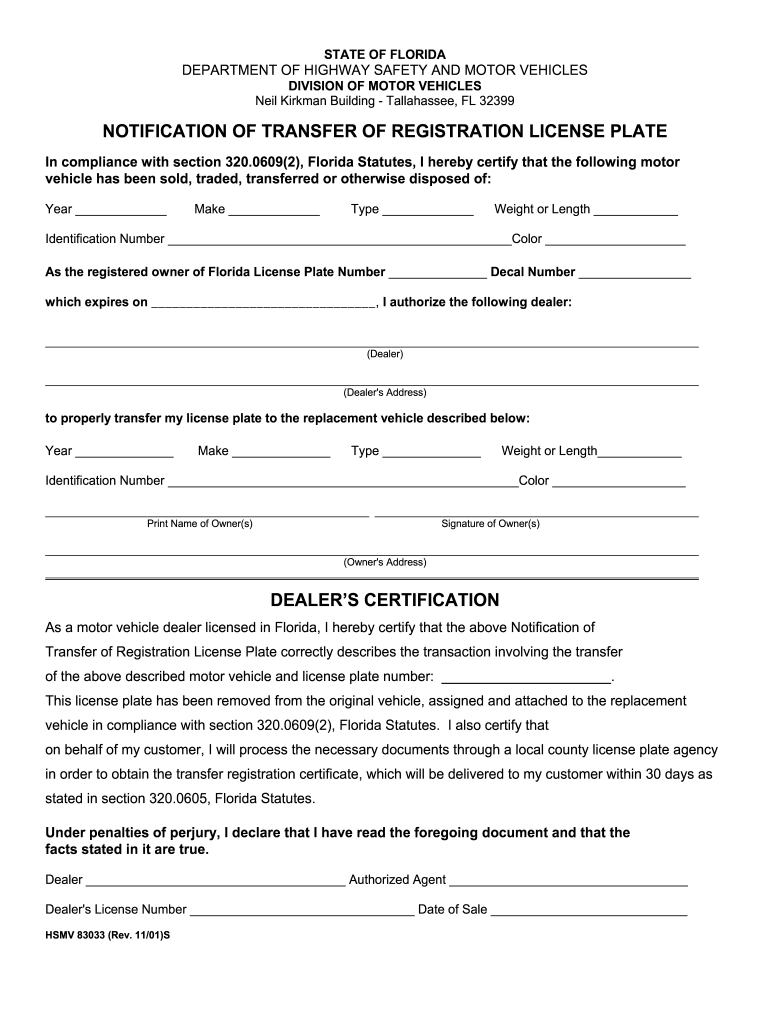
Summing up, for a new Florida resident with an out-of-state vehicle, the costs could easily range from $300 to $400+ (excluding sales tax if applicable), plus the annual registration fee. For a private sale within Florida, expect the title fees, plate fees, sales tax, and any prorated annual registration.
The Step-by-Step Process for a Smooth Transfer
While the exact procedures might slightly vary by County Tax Collector’s Office, the general steps to transfer a tag in Florida are consistent. Being prepared makes the experience far less cumbersome.
Gathering Your Documents
As detailed above, compile all necessary documents before heading to the Tax Collector’s Office. This includes your driver’s license, proof of insurance, original title (or lienholder information), VIN verification (if applicable), and any bills of sale. Make copies for your records, but bring the originals for verification.
Visiting the DMV / Tax Collector’s Office
In Florida, vehicle services are primarily handled by the local County Tax Collector’s Office, which acts as an agent for the Florida Department of Highway Safety and Motor Vehicles (FLHSMV).
- Locate Your Office: Find the nearest Tax Collector’s Office for your county. Their websites typically provide operating hours, required documents, and sometimes even wait times.
- Appointments: Many offices now offer online appointment scheduling, which can significantly reduce waiting times. It’s highly recommended to utilize this feature if available.
- Best Times to Visit: If an appointment isn’t possible, early mornings, mid-week, and avoiding lunch hours are generally the best times to minimize your wait.
What to Expect at the Counter
Once you reach the counter, a clerk will review your documents.
- They will verify your identity and insurance.
- They will process your title application, transferring ownership into your name.
- If you are a new resident, they will process the initial registration and issue a Florida license plate (if you don’t have one to transfer).
- They will collect all applicable fees and taxes. You can usually pay by cash, check, or credit/debit card, though credit card payments might incur a small convenience fee.
- Upon successful completion, you will receive your new registration, a temporary decal for your plate, and potentially a new license plate immediately. Your electronic title will be processed and stored, or a paper title mailed to you if requested.
Tips for a Seamless Florida Vehicle Transition
Making the move or simply acquiring a new vehicle should be exciting, not stressful. A few proactive steps can ensure your vehicle tag transfer is as smooth as possible.
Timing Your Transfer
Adhering to the state’s timelines is crucial. New residents have 10 days to register their vehicles, while private sale transfers generally need to be completed within 30 days. Missing these deadlines can result in penalties, so plan your visit to the Tax Collector’s Office accordingly. Don’t wait until the last minute, as unforeseen issues could cause delays.
Online Resources and Appointments
The Florida Department of Highway Safety and Motor Vehicles (FLHSMV) website and individual County Tax Collector’s Office websites are invaluable resources. They provide detailed lists of requirements, forms, fee calculators, and appointment scheduling tools. Take advantage of these to prepare thoroughly and minimize your time at the office. Many forms can be downloaded and filled out in advance.
Common Pitfalls to Avoid
- Incomplete Documentation: The most common reason for delays is missing documents. Double-check everything before you leave your home.
- Expired Insurance: Ensure your Florida insurance is active and meets state minimums on the day you visit.
- Unverified VIN: For out-of-state vehicles, the VIN verification is non-negotiable. Don’t forget to have it completed.
- Unpaid Parking Tickets/Tolls: Outstanding tickets or tolls associated with your driver’s license can prevent you from completing your vehicle registration. Clear these up beforehand.
- Not Understanding Sales Tax: Especially for private sales, ensure you understand your sales tax obligations to avoid surprises.
Long-Term Implications for Florida Residents
Once your tag is successfully transferred, your vehicle is legally registered in Florida. However, the process doesn’t end there.
Annual Renewals
Vehicle registrations in Florida must be renewed annually. You will receive a renewal notice in the mail prior to your tag’s expiration date. Renewals can often be completed online, by mail, or in person at a Tax Collector’s Office. The annual renewal fee primarily consists of the decal fee based on your vehicle’s weight.

Insurance Requirements
Maintaining continuous Florida auto insurance is mandatory. The state requires a minimum of $10,000 in Personal Injury Protection (PIP) and $10,000 in Property Damage Liability (PDL). Your insurance company will report your coverage directly to the state, and lapses in coverage can lead to suspension of your driving privileges and vehicle registration.
Transferring a tag in Florida is a straightforward process when approached with preparation and awareness. By understanding the required documents, the various fees involved, and the procedural steps, new residents and vehicle purchasers can seamlessly integrate their vehicles into their Florida lifestyle without unnecessary hassle or expense.
LifeOutOfTheBox is a participant in the Amazon Services LLC Associates Program, an affiliate advertising program designed to provide a means for sites to earn advertising fees by advertising and linking to Amazon.com. Amazon, the Amazon logo, AmazonSupply, and the AmazonSupply logo are trademarks of Amazon.com, Inc. or its affiliates. As an Amazon Associate we earn affiliate commissions from qualifying purchases.