

The ultimate destination for thousands of determined runners and millions of spectators worldwide, the Boston Marathon culminates on Boylston Street in the heart of Boston, Massachusetts. This iconic finish line, a mere block from Copley Square, represents the triumphant end of a grueling 26.2-mile journey, drawing travelers from across the globe to witness a spectacle of human endurance and spirit. For anyone planning a visit to Boston, especially around Patriots’ Day when the marathon is traditionally held, understanding this historic endpoint offers a unique entry point into the city’s vibrant culture, rich history, and dynamic urban landscape.

The Iconic Conclusion: Boylston Street’s Hallowed Ground
The final stretch of the Boston Marathon on Boylston Street is more than just a painted line on asphalt; it’s a profound cultural landmark and a pivotal point in the global running community. As runners turn onto Boylston Street from Hereford Street, they are met with the roar of thousands of cheering fans, signaling the end of their arduous journey. The energy here is palpable, a mix of exhilaration, relief, and sheer exhaustion. For travelers, this segment of Boston offers an unparalleled experience, blending sporting history with urban sophistication.
The Spectator’s Vantage Point
For visitors keen to immerse themselves in the marathon atmosphere, securing a spot along Boylston Street is a bucket-list experience. While the area immediately surrounding the finish line is often restricted or reserved for official personnel, the blocks leading up to it offer excellent viewing opportunities. Travelers should aim to arrive early on race day to claim a prime position, bringing layers of clothing, snacks, and water, as waiting times can be long. The thrill of watching athletes push their limits, from elite professionals to dedicated amateur runners, is an unforgettable aspect of the Boston Marathon experience. Many choose to watch from a nearby restaurant or cafe that offers street-side views, blending comfort with the excitement of the race. The atmosphere extends far beyond Boylston Street, with viewing spots along Commonwealth Avenue and through the Back Bay offering different perspectives on the race’s final miles.
Nearby Attractions for Post-Race Exploration
Beyond the excitement of race day, the Boylston Street area is a vibrant district rich in attractions, making it an ideal base for exploring Boston. Adjacent to the finish line is Copley Square, home to architectural marvels like the Boston Public Library and Trinity Church, both offering stunning photographic opportunities and a glimpse into Boston’s architectural grandeur. The Prudential Center, with its skywalk observatory, provides panoramic views of the city, an excellent way to grasp the urban sprawl and locate other landmarks. For shoppers, Newbury Street, running parallel to Boylston Street, is a must-visit, boasting high-end boutiques, art galleries, and charming cafes. The Hynes Convention Center often hosts the marathon expo in the days leading up to the race, an attraction in itself for running enthusiasts to collect bibs, browse gear, and soak in the pre-race buzz. A short stroll away lies the Public Garden and Boston Common, perfect for a leisurely walk, a ride on the famous Swan Boats, or simply enjoying the urban green space.
A Runner’s Pilgrimage: Tracing the Boston Marathon Journey
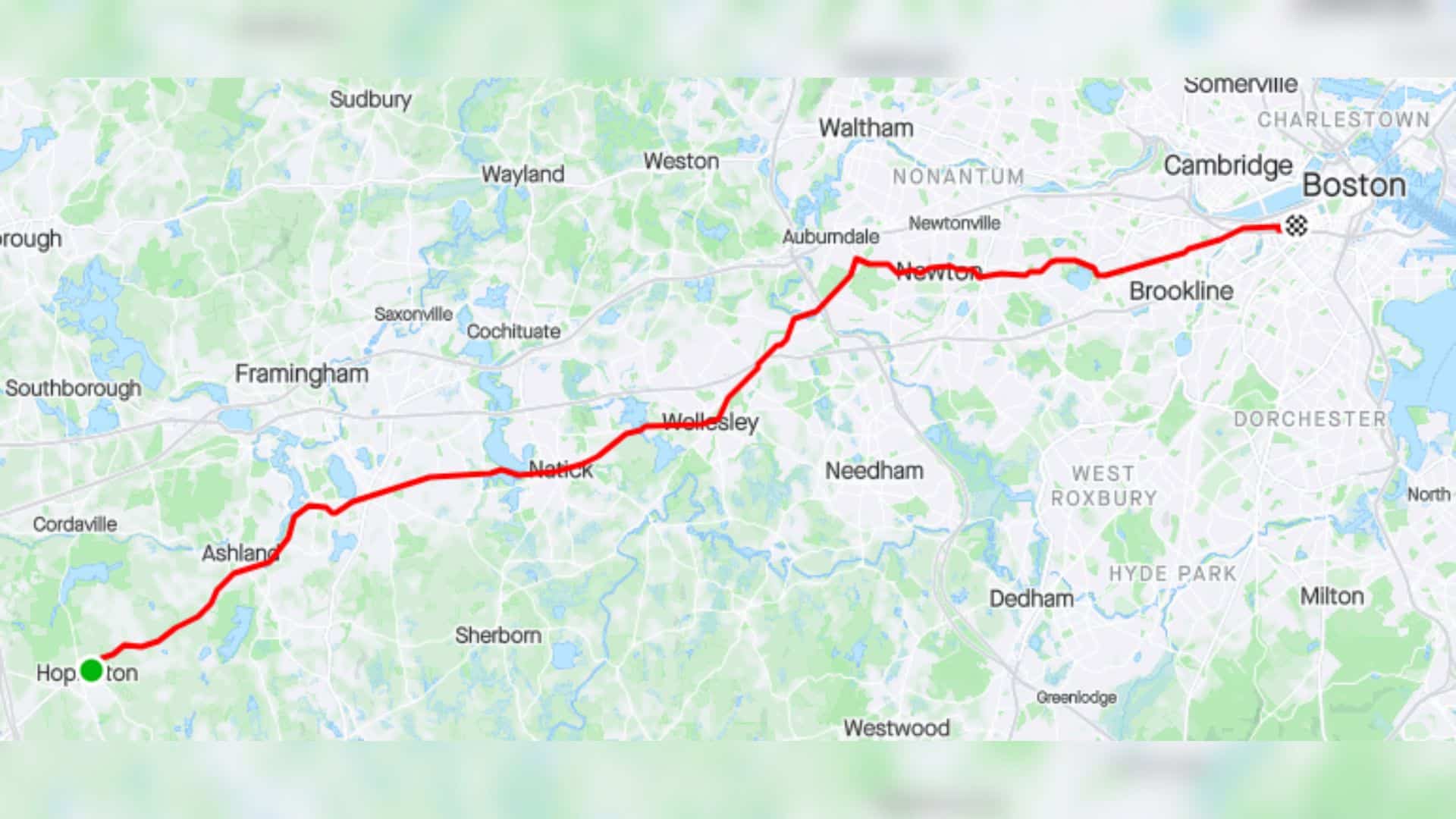
While Boylston Street is the culmination, the journey itself is a captivating aspect of the Boston Marathon experience, even for non-runners. The course winds through several charming towns west of Boston, each contributing to the unique character of this historic race. Understanding the route offers a deeper appreciation for the athletes’ efforts and provides additional travel opportunities for those wishing to explore more of Massachusetts.
From Hopkinton to Heartbreak Hill
The race famously begins in the quaint town of Hopkinton, approximately 26 miles west of Boston. Traveling to Hopkinton on race day can be challenging due to road closures, but visiting on a non-race day allows one to see the iconic starting line and appreciate the quiet beginnings of this grand event. From Hopkinton, the course passes through several suburban towns: Ashland, Framingham, Natick, and Wellesley. Each town offers distinct local flavor and, on race day, transforms into a vibrant festival of cheers and support. The most famous segment of the course outside of the finish line is undoubtedly Heartbreak Hill in Newton. This challenging incline, coming late in the race (around mile 20), is legendary for breaking runners’ spirits and testing their resolve. For travelers, visiting Heartbreak Hill offers a chance to walk or run a portion of the course and experience firsthand the physical demands faced by marathoners, perhaps even spotting the historic water tower in Newton that marks the approximate start of this infamous climb.
The Significance of Each Mile for the Traveling Enthusiast
For travelers interested in the full marathon experience, tracing portions of the route can be an insightful journey. The Scream Tunnel at Wellesley College, where students famously cheer on runners with incredible enthusiasm, is a unique cultural phenomenon worth witnessing, though access on race day is primarily for students and their guests. The gradual downhill slope from Hopkinton to Framingham provides an early boost for runners, while the undulating terrain through Natick and Wellesley showcases picturesque New England landscapes. By exploring these towns, travelers gain a broader perspective of the marathon’s community impact and the diverse scenery that characterizes Massachusetts. Local diners, small shops, and historical markers in each town offer glimpses into quintessential American small-town life, providing a charming contrast to the bustling finish line in Boston.
Experiencing Boston Beyond the Finish Line: A Traveler’s Guide
Visiting Boston for the marathon provides an excellent opportunity to explore one of America’s most historic and culturally rich cities. The city itself is a prime travel destination, offering an array of attractions that cater to diverse interests, from history buffs and foodies to art lovers and sports enthusiasts.
Culinary Delights and Local Flavors
Boston’s culinary scene is a destination in itself. After cheering on marathon runners, travelers can indulge in classic New England fare. The North End, Boston’s oldest residential neighborhood, is renowned for its authentic Italian restaurants, bakeries, and pastry shops. A cannoli from Mike’s Pastry or Modern Pastry is a quintessential Boston experience. For seafood lovers, a bowl of clam chowder or fresh lobster at a waterfront restaurant in the Seaport District is a must. The Back Bay area, close to the marathon finish line, offers a wide range of upscale dining options, while casual eateries abound throughout the city. Don’t forget to sample local craft beers at one of Boston’s many breweries, often found in the Fort Point or South Boston neighborhoods.
Historical Walks and Cultural Immersion
Boston’s place in American history is undeniable, and the city offers numerous opportunities for cultural immersion. The Freedom Trail, a 2.5-mile red-lined path, guides visitors to 16 historically significant sites, including the Massachusetts State House, Paul Revere House, and the site of the Boston Massacre. Walking the Freedom Trail offers a fascinating journey through the city’s role in the American Revolution. For art enthusiasts, the Museum of Fine Arts and the Isabella Stewart Gardner Museum provide world-class collections. Sports fans can tour Fenway Park, home of the Boston Red Sox, an iconic baseball stadium with a rich history. The Museum of Science and the New England Aquarium offer engaging experiences for families and curious minds.
Planning Your Visit: Attending the Boston Marathon as a Traveler
Traveling to Boston for the marathon, whether as a spectator or to explore the city during this vibrant period, requires careful planning. The city transforms during marathon week, with an influx of visitors and an electric atmosphere that is both exhilarating and, at times, challenging to navigate without preparation.
Best Times to Visit and Accommodation Tips
The Boston Marathon is traditionally held on Patriots’ Day, the third Monday in April. This time of year sees spring blooming in Boston, with typically mild but sometimes unpredictable weather. Hotel accommodations in Boston fill up rapidly and prices surge during marathon week. It is crucial for travelers to book flights and hotels months in advance, ideally as soon as the race date is announced for the following year. Consider staying in neighborhoods adjacent to the Back Bay, such as Beacon Hill or the Theatre District, which offer good access to the finish line area via public transportation. Alternatively, staying a bit further out in towns along the commuter rail lines can provide more affordable options, though it requires more planning for daily commutes into the city.
Navigating Race Day and Pre-Post Race Activities
On race day, public transportation, particularly the MBTA subway (“the T”), is the most efficient way to get around Boston, as many roads are closed or heavily restricted. Purchase a CharlieCard or paper ticket in advance to avoid queues. Beyond the race itself, marathon week offers several related activities. The Boston Marathon Expo at the Hynes Convention Center is a major draw, featuring running gear, fitness trends, and often appearances by running legends. Many charities host events and pasta dinners in the days leading up to the race. Post-race, Boston continues its celebratory mood. Consider booking a post-race brunch or dinner reservation well in advance, especially if you plan to celebrate a runner’s achievement. The energy of the city during this period, with runners proudly wearing their medals, is infectious and adds a unique dimension to any Boston travel experience. Whether you’re a devoted fan of running or simply a curious traveler, the journey to and experience of the Boston Marathon finish line on Boylston Street offers an unparalleled glimpse into the heart and soul of this historic American city.
LifeOutOfTheBox is a participant in the Amazon Services LLC Associates Program, an affiliate advertising program designed to provide a means for sites to earn advertising fees by advertising and linking to Amazon.com. Amazon, the Amazon logo, AmazonSupply, and the AmazonSupply logo are trademarks of Amazon.com, Inc. or its affiliates. As an Amazon Associate we earn affiliate commissions from qualifying purchases.