
For any tourist planning an unforgettable visit to the Golden State, understanding the nuances of the local time zone, particularly the adherence to Daylight Saving Time (DST), is crucial. California observes Pacific Standard Time (PST) and Pacific Daylight Time (PDT), meaning the clocks do change twice a year. Knowing when these shifts occur is not merely a matter of checking the time on your phone; it significantly impacts your daily itinerary, access to attractions, and overall experience of California’s vibrant tourism landscape.
Deciphering Daylight Saving Time in California
California follows the standard practice for Daylight Saving Time observed across most of the United States. This means clocks “spring forward” in the spring and “fall back” in the autumn.
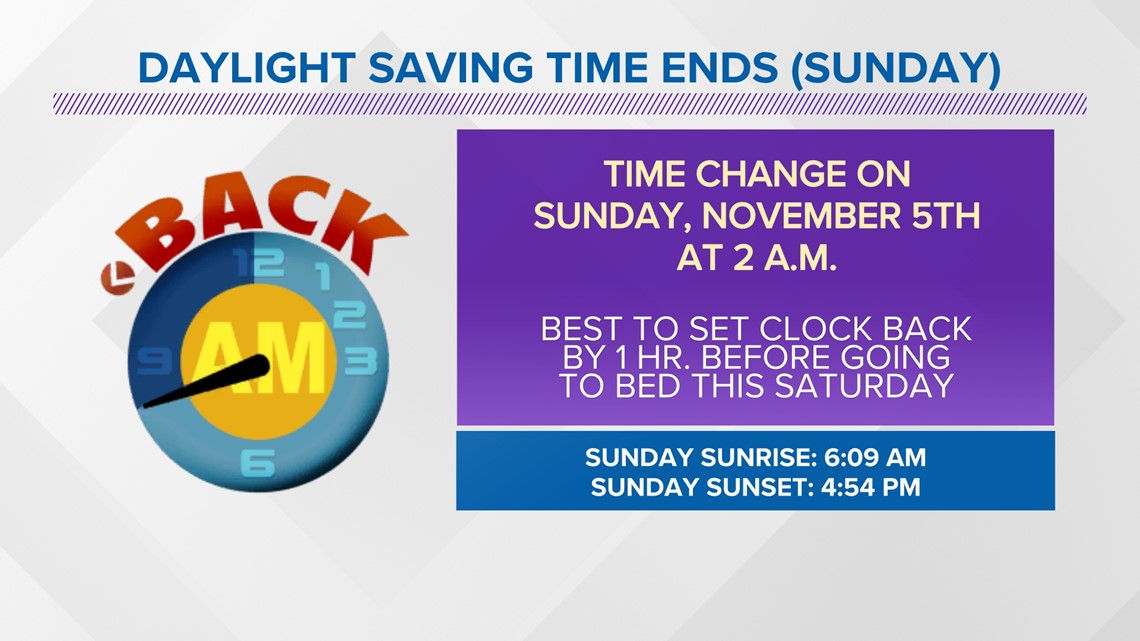
The Annual Ritual: Spring Forward and Fall Back
The transition to Daylight Saving Time typically occurs on the second Sunday in March. On this day, clocks advance by one hour at 2:00 AM local time, effectively shifting from PST to PDT. This change results in an hour of lost sleep but ushers in longer daylight hours in the evenings, a significant boon for tourism activities.
Conversely, the return to Pacific Standard Time happens on the first Sunday in November. At 2:00 AM local time, clocks fall back by one hour, marking the end of Daylight Saving Time. This transition grants an extra hour of sleep but means earlier sunsets, which can influence evening plans for tourists.
For instance, if you are planning a trip to California in mid-March or early November, these dates are critical to mark on your calendar. Your arrival or departure times might be affected, and local businesses will adjust their operating hours accordingly. Always confirm these dates close to your travel period, as legislative discussions surrounding DST are ongoing.
The Ongoing Debate: Permanent Daylight Saving Time
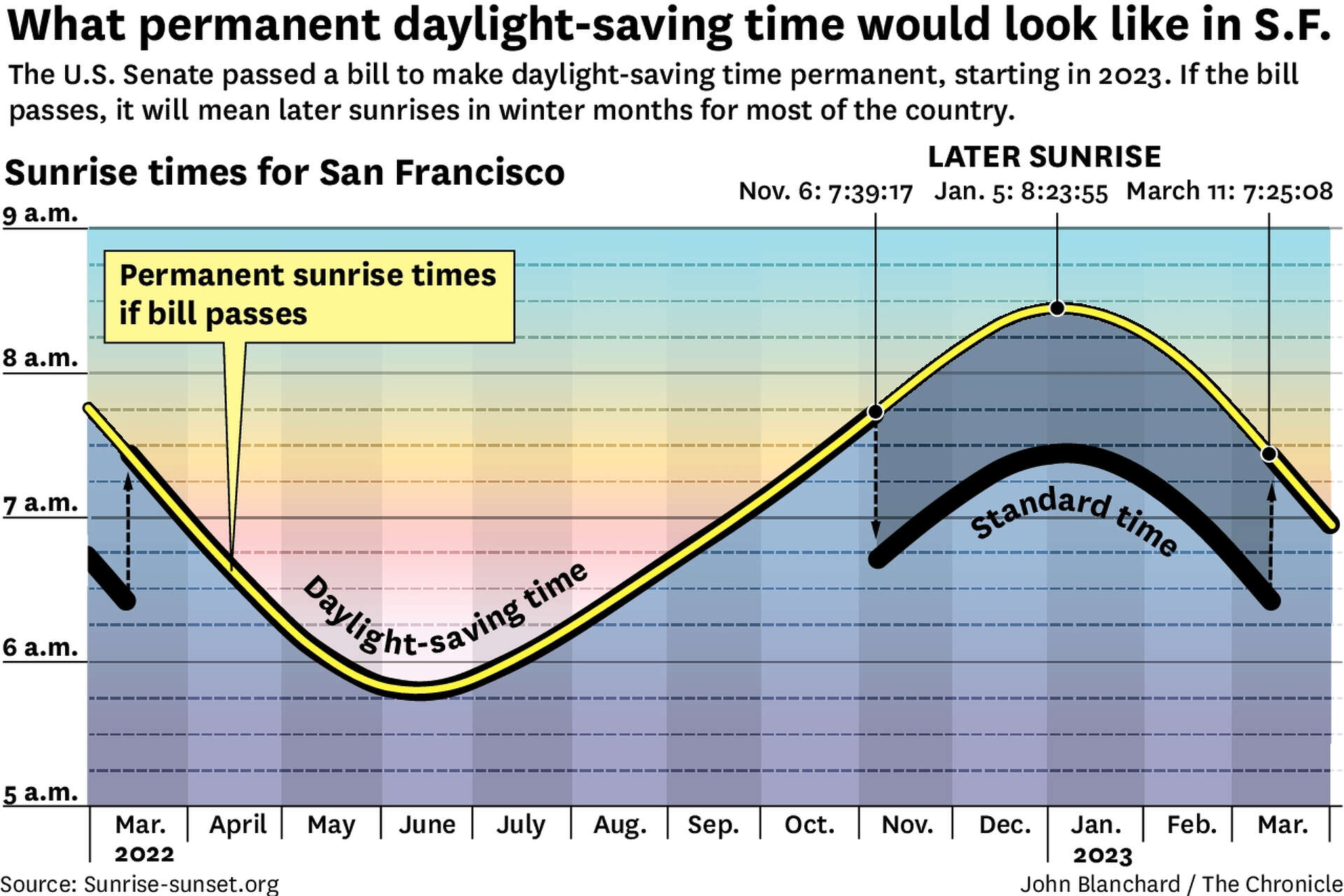
California has been at the forefront of discussions regarding the permanent adoption of Daylight Saving Time. In 2018, voters passed Proposition 7, which granted the state legislature the power to vote to make Daylight Saving Time permanent, provided Congress also acts to allow states to do so. As of now, these efforts have not resulted in a permanent change, meaning California continues to observe the biannual clock adjustments. Tourists should therefore plan based on the current system, keeping an eye on any potential future legislative changes that could affect timekeeping in the state.
Impact on Your California Tourism Experience
The time changes, while seemingly minor, can significantly influence a tourist’s daily agenda and overall enjoyment. Understanding these impacts allows for better planning and a smoother travel experience across California’s diverse regions.
Maximizing Daylight for Activities
When clocks spring forward in March, the extended evening daylight is a tremendous advantage for tourists. This allows for longer days exploring outdoor attractions such as the hiking trails in Yosemite National Park, a leisurely stroll across the Golden Gate Bridge in San Francisco, or extended beach time along the stunning coastline of Big Sur accessible via Highway 1. You can fit more sightseeing into your schedule without feeling rushed by an early sunset. Dinner reservations can be pushed back, allowing for more time at an afternoon wine tasting in Napa Valley or a late afternoon visit to the Getty Center in Los Angeles.
Conversely, when clocks fall back in November, the earlier sunset means that outdoor activities need to be scheduled earlier in the day. Tourists visiting during this period might find themselves wrapping up their explorations of places like Disneyland Park or the Santa Monica Pier earlier than anticipated, shifting evening focus towards indoor attractions, shows, or dining experiences.
Navigating Attraction Hours and Dining Schedules
Most tourist attractions, museums, and theme parks in California adjust their operating hours to account for Daylight Saving Time. During PDT, many sites extend their evening hours, offering visitors more flexibility. However, restaurants, especially those popular with the local crowd, might not adjust their peak dining hours as dramatically. It is always wise to double-check the current operating hours for specific attractions like Universal Studios Hollywood or a tour of Alcatraz Island and to make dining reservations, especially during peak season or for popular establishments, keeping the time change in mind. Arriving an hour off for a reservation due to a missed time change can disrupt an otherwise perfect evening.
Practical Tips for Tourists During Time Changes
Being prepared for the time change can make all the difference in ensuring your California vacation runs smoothly.
Pre-Arrival Preparation
Before your trip, confirm the exact dates for the “spring forward” or “fall back” transitions if your travel falls within those periods. Adjust your travel itinerary accordingly. If you are arriving on the day of the change, be mindful of how it might affect your flight or train schedule. Airlines and transportation services typically account for these changes, but it’s always prudent to confirm your specific journey details. Inform your accommodation provider, especially if you have an early check-in or late check-out request, as their internal clocks and schedules will also be adjusted.
During Your Stay: Maximizing and Adapting
When clocks spring forward, embrace the longer evenings! Plan outdoor activities, scenic drives like the 17-Mile Drive in Pebble Beach, or sunset cruises later in the day. Take advantage of the extra daylight to enjoy outdoor dining or explore vibrant night markets without feeling rushed by darkness.
When clocks fall back, adapt your schedule to the earlier sunsets. Consider starting your day earlier to maximize daylight for outdoor excursions. Shift evening plans towards indoor attractions like museums, theaters in San Francisco, or vibrant nightlife in Los Angeles. It’s also an excellent time to enjoy California’s diverse culinary scene earlier in the evening.
Managing Jet Lag and Time Adjustment
For international travelers, or those from different time zones within the US, the added layer of a Daylight Saving Time change can exacerbate jet lag. When springing forward, you might feel the effects of losing an hour, similar to mild jet lag. When falling back, the extra hour can be a welcome buffer. To mitigate the effects:
- Adjust gradually: Try to shift your sleep schedule by 15-30 minutes each day leading up to the change.
- Embrace natural light: Spend time outdoors in the natural daylight, especially in the morning, to help reset your circadian rhythm.
- Stay hydrated: Drink plenty of water and limit caffeine and alcohol.
- Maintain your routine: Try to stick to your regular meal and sleep times as much as possible once you’ve adjusted to the new time.
Regional Considerations Across California
The impact of the time change can feel subtly different depending on which part of California you are visiting, influencing activities and experiences.
Coastal Cities and Urban Centers
In bustling urban centers like San Francisco, Los Angeles, and San Diego, the time change mainly affects schedules for public transport, museum hours, and showtimes. Tourists will appreciate the longer daylight hours for exploring iconic neighborhoods, enjoying outdoor dining with ocean views, or taking scenic walks along city waterfronts. For example, a sunset viewing from Griffith Observatory in Los Angeles will occur later in the day during PDT, offering more flexibility for pre-observatory activities.

Inland Destinations and Natural Wonders
For inland destinations such as Palm Springs or Lake Tahoe, the change impacts outdoor activities even more profoundly. In Palm Springs, the extended daylight of PDT allows for cooler evening hikes or golf games, avoiding the intense midday heat. In Lake Tahoe, it means longer afternoons for boating, hiking, or simply enjoying the scenic vistas. During PST, with earlier sunsets, visitors might pivot to indoor activities sooner, such as casino entertainment in Lake Tahoe or spa treatments in Palm Springs.
Understanding when the time changes occur in California is a valuable piece of information for any tourist. It empowers you to plan more effectively, maximize your daylight hours for exploration, and seamlessly adjust to local rhythms, ensuring your visit to the Golden State is as enjoyable and fulfilling as possible. Always consult official sources for the most current dates and any potential legislative updates regarding Daylight Saving Time in California.
LifeOutOfTheBox is a participant in the Amazon Services LLC Associates Program, an affiliate advertising program designed to provide a means for sites to earn advertising fees by advertising and linking to Amazon.com. Amazon, the Amazon logo, AmazonSupply, and the AmazonSupply logo are trademarks of Amazon.com, Inc. or its affiliates. As an Amazon Associate we earn affiliate commissions from qualifying purchases.