
Nevada’s minimum wage is a topic of significant interest, particularly for those planning a trip to the Silver State or considering a move for work or leisure. Understanding the current minimum wage rates in Nevada is crucial for budgeting, planning your expenses, and appreciating the economic landscape of this dynamic state. Whether you’re a tourist looking to understand the cost of services, an employer, or an employee, grasping these figures provides valuable insight. This article delves into Nevada’s minimum wage, its nuances, and how it impacts various aspects of travel and lifestyle within the state.
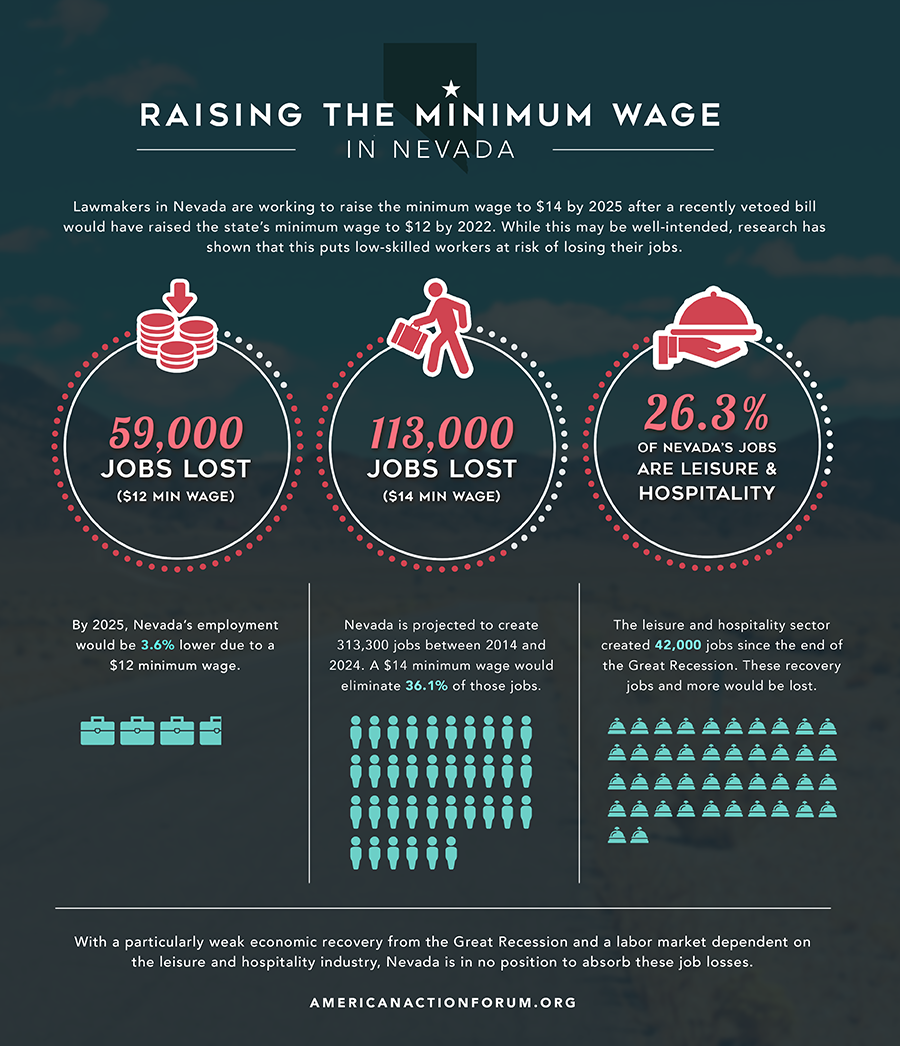
Understanding Nevada’s Minimum Wage Structure
Nevada operates with a dual minimum wage system, meaning there isn’t a single rate that applies to all employees. This structure is largely dependent on whether an employer offers qualifying health benefits to their employees. This distinction is a key element for businesses and workers alike to understand. The rates are periodically reviewed and adjusted by the Nevada Department of Labor, reflecting changes in the cost of living and economic conditions.
The Two Tiers of Minimum Wage
1. Employees Without Qualifying Health Benefits:
For employees who do not receive qualifying health benefits from their employer, Nevada has a higher minimum wage. This rate is designed to compensate for the absence of employer-provided health coverage, acknowledging that employees in this category will likely bear more of their healthcare costs independently. As of the latest adjustments, this rate stands at $12.00 per hour. This is the figure most often cited when discussing Nevada’s minimum wage, as it represents the maximum rate for those not covered by employer-sponsored health insurance.
2. Employees With Qualifying Health Benefits:
Conversely, employees who receive qualifying health benefits through their employer are subject to a lower minimum wage. The rationale here is that the employer is contributing to the employee’s overall compensation and well-being through health insurance. This allows businesses to manage labor costs differently while still providing a baseline wage. The current minimum wage for these employees is $11.25 per hour. It’s essential for both employers and employees to confirm whether the health benefits offered meet the state’s criteria for this reduced wage.
Impact of Minimum Wage on Travel and Tourism
Nevada is a global epicenter for tourism, with iconic destinations like Las Vegas and Reno attracting millions of visitors annually. The minimum wage plays a subtle yet significant role in the visitor experience and the operational costs of the vibrant hospitality industry.
Cost of Services and Local Economy
For travelers, understanding the minimum wage can offer a window into the cost of services they encounter. While luxury resorts like Bellagio or The Venetian may offer wages exceeding the minimum, many service roles in hotels, restaurants, casinos, and retail establishments are directly influenced by these rates. A higher minimum wage can translate to increased disposable income for service workers, potentially boosting local spending on goods and services, which benefits the broader Nevada economy. This can indirectly enhance the travel experience by supporting local businesses and a more robust service sector.
Conversely, for businesses in the tourism sector, labor costs are a significant component of their operating budget. Hotels, from budget-friendly motels to high-end resorts, rely on a workforce that is compensated at or above the minimum wage. Understanding these wage requirements helps businesses plan their pricing strategies for rooms, dining, and entertainment, ensuring they remain competitive while adhering to labor laws. This careful balance is crucial for the sustained success of Nevada’s renowned hospitality industry.
Impact on Different Tourist Experiences
The minimum wage can subtly influence the types of experiences available and their associated costs. For instance, in Las Vegas, the diverse range of entertainment, dining, and attraction options often involves a significant workforce. Higher minimum wages can support a more skilled and motivated workforce, leading to better service quality. This, in turn, can enhance the overall travel experience for visitors seeking authentic local culture and memorable experiences.
For budget travelers, the minimum wage can be a factor in understanding the affordability of various activities and services. While major attractions and high-end dining might be less sensitive to minimum wage fluctuations, smaller local eateries or independent tour operators might be more directly impacted. This can influence the range of affordable activities and tips for budget-conscious travelers exploring places like Hoover Dam or the natural beauty of Lake Tahoe.
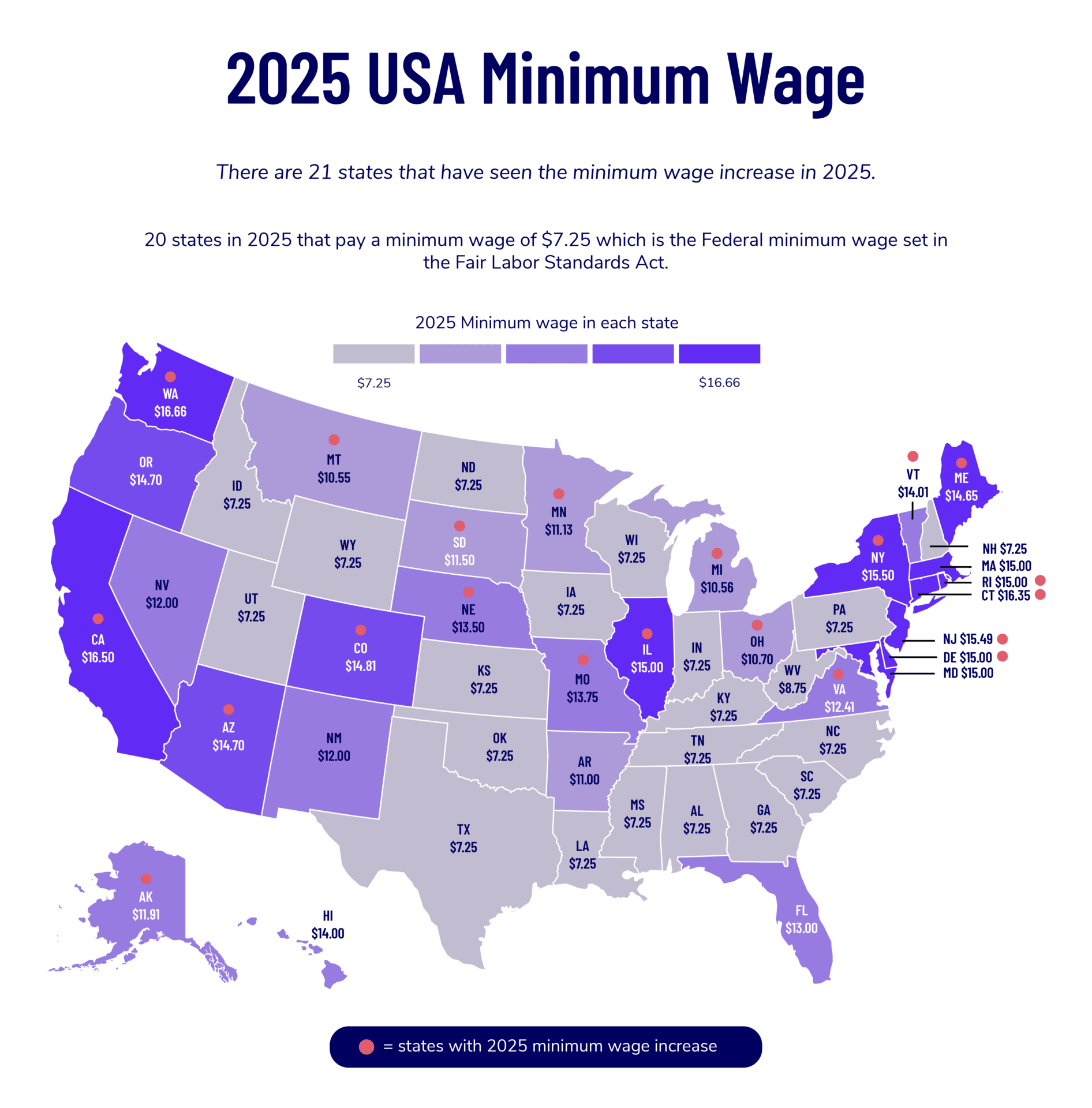
Adjustments and Future Outlook
Nevada’s minimum wage is not static. The state legislature has provisions for periodic adjustments to ensure the wage keeps pace with inflation and economic growth. These adjustments are typically announced in advance, giving businesses time to adapt their payroll and budgeting.
The Role of the Nevada Department of Labor
The Nevada Department of Labor is the governmental body responsible for setting, enforcing, and updating minimum wage laws. They conduct studies and gather data to determine the appropriate wage rates, ensuring compliance across all industries within the state. Employers are legally obligated to display current minimum wage rates in conspicuous places within their establishments. Employees are encouraged to familiarize themselves with these rates and to report any suspected violations.
Economic Factors Influencing Future Changes
Several economic factors can influence future changes to Nevada’s minimum wage. Inflation is a primary driver; as the cost of living increases, the purchasing power of the minimum wage erodes, necessitating adjustments. Employment rates, industry growth, and the overall economic health of Nevada also play a role. Policymakers consider these broader economic indicators when deciding on adjustments to the minimum wage. For example, periods of strong economic growth might see more significant increases, while economic downturns could lead to more conservative adjustments or a pause in increases.
The ongoing debate about the living wage and its relationship to the minimum wage is also a factor. Advocates often argue that the minimum wage should be sufficient to cover basic living expenses, a concept known as a living wage. While Nevada’s minimum wage is a legal floor, the discussion around ensuring all workers can earn enough to live comfortably continues to shape policy discussions.
Minimum Wage Implications for Various Lifestyles in Nevada
Nevada offers a diverse range of lifestyles, from the bustling energy of Las Vegas‘s Strip to the serene natural landscapes of Lake Tahoe and the historic charm of Reno. The minimum wage impacts how accessible these different lifestyles are to residents and how visitors experience them.
Luxury Travel and Budget Travel Considerations
For those indulging in luxury travel, the minimum wage might seem distant, as higher-end establishments often pay above the legal minimum to attract and retain skilled staff. However, the overall economic stability fostered by fair wages can contribute to the robust service culture that luxury travelers expect. From attentive service at the ARIA Resort & Casino to the exquisite dining at world-class restaurants, a well-compensated workforce is often a hallmark of luxury.
On the other hand, budget travel is directly influenced by minimum wage. A higher minimum wage can mean more disposable income for residents, leading to a greater demand for affordable attractions, restaurants, and accommodation. This can create a more vibrant and accessible budget travel scene. For instance, the cost of a simple meal at a local diner or an affordable stay in an apartment for a longer visit might be more predictable if minimum wages are stable and adequate. Budget travelers exploring landmarks like the Neon Museum or enjoying outdoor activities near Red Rock Canyon National Conservation Area will find their money goes further if the local economy supports fair wages.
Family Trips and Business Stays
When planning family trips, understanding the local economic conditions, including minimum wage, can help in budgeting for expenses like dining, entertainment, and souvenirs. For families considering a move to Nevada for work or a change of scenery, minimum wage is a critical factor in assessing the affordability of housing, childcare, and daily living expenses.
For business stays, while the focus is often on corporate rates and efficiency, the underlying economic health of the region, partly influenced by minimum wage, contributes to the overall business environment. Reliable service, from airport transportation to hotel amenities, is often a product of a stable and fairly compensated workforce. Companies planning events or operations in Nevada will also consider the labor market dynamics, including minimum wage, when making logistical and financial plans.
In conclusion, Nevada’s minimum wage, with its dual-rate structure, is a fundamental aspect of the state’s economy and influences everything from the cost of services for tourists to the daily lives of its residents. Whether you are planning a visit to experience the vibrant lifestyle of Las Vegas, seeking comfortable accommodation in Reno, or exploring the natural beauty of its landmarks, understanding the minimum wage provides a deeper appreciation for the economic forces at play in the Silver State. The ongoing adjustments and considerations surrounding minimum wage ensure it remains a relevant topic for anyone engaging with Nevada’s dynamic environment.
LifeOutOfTheBox is a participant in the Amazon Services LLC Associates Program, an affiliate advertising program designed to provide a means for sites to earn advertising fees by advertising and linking to Amazon.com. Amazon, the Amazon logo, AmazonSupply, and the AmazonSupply logo are trademarks of Amazon.com, Inc. or its affiliates. As an Amazon Associate we earn affiliate commissions from qualifying purchases.