
Sedona, Arizona is more than just a dot on a map; it’s a vibrant, spiritual, and geographically stunning travel destination that captivates visitors with its iconic red rock formations and serene desert landscapes. For any discerning traveler, understanding the precise location of Sedona is the foundational step in planning an unforgettable journey to this unique corner of the American Southwest. Nestled within the expansive and diverse state of Arizona, Sedona’s geographical placement is integral to its allure, influencing its climate, accessibility, and the very experiences it offers. Whether you’re seeking outdoor adventure, spiritual rejuvenation, or simply breathtaking scenery, pinpointing Sedona on the map reveals a gateway to a world-renowned travel haven.
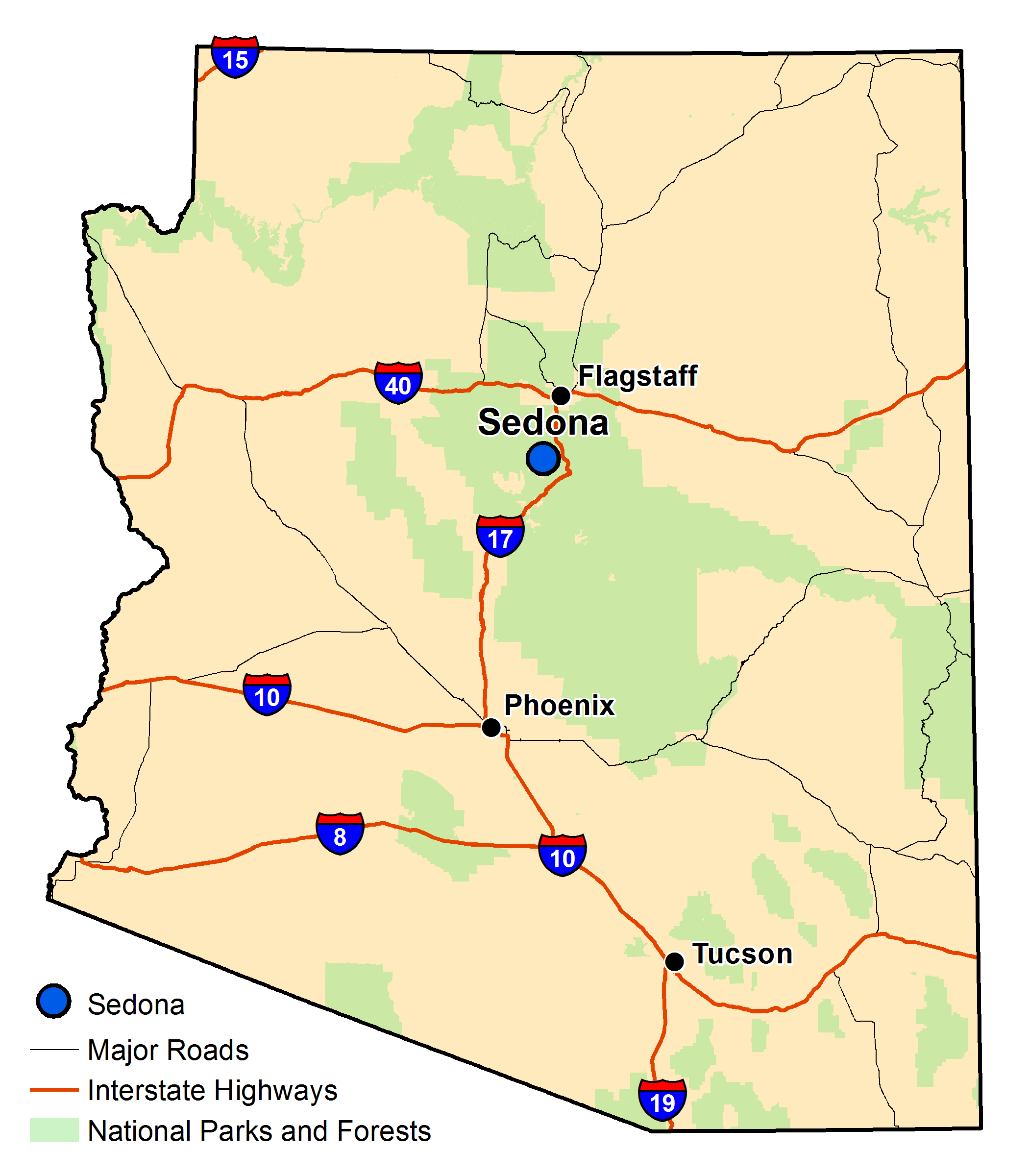
Pinpointing Sedona on the Arizona Map
To truly appreciate Sedona’s mystique, one must first grasp its exact position within the state of Arizona. Situated in the northern part of the state, Sedona serves as a unique transition zone between the high desert and the southern rim of the Colorado Plateau. This distinct placement contributes significantly to its moderate climate, diverse ecosystems, and the dramatic geological formations that define its landscape.
Geographical Coordinates and Elevation
Sedona is located approximately at coordinates 34.86° N latitude and 111.76° W longitude. This places it firmly within the northern temperate zone, though its high desert environment imparts a unique climatic profile. The city’s elevation plays a crucial role in its appeal, ranging from about 4,000 to 4,500 feet (1,220 to 1,370 meters) above sea level. This elevation is lower than nearby Flagstaff (7,000 feet) but significantly higher than Phoenix (1,100 feet), contributing to Sedona’s characteristically milder four-season climate, which offers a pleasant respite from the intense summer heat of the lower desert regions while still enjoying relatively mild winters. The transition from the flat desert floor to towering red rock mesas is a visual spectacle best understood when appreciating the city’s elevated position.
Proximity to Major Cities and Natural Wonders
Sedona’s location makes it an accessible and attractive destination for travelers from various directions. It is approximately a two-hour scenic drive north of Phoenix, Arizona’s largest city and home to Phoenix Sky Harbor International Airport (PHX), a major hub for national and international flights. To the north, Sedona is just a short 45-minute drive south of Flagstaff, which provides an alternative airport, Flagstaff Pulliam Airport (FLG), and serves as a gateway to the Grand Canyon. This strategic location positions Sedona perfectly for day trips or multi-destination travel itineraries, allowing visitors to easily combine its unique charm with other iconic Arizona attractions. Beyond these major cities, Sedona is nestled within the Verde Valley, a region rich in history and natural beauty, offering access to charming towns like Cottonwood, Jerome, and numerous wineries.
The Unique Geography That Defines Sedona’s Appeal
The reason Sedona garners so much attention from travelers is inextricably linked to its distinctive geography. Its location is not just a point on a map, but a canvas painted by geological forces over millions of years, resulting in a landscape that is both visually stunning and energetically profound.
The Iconic Red Rock Formations
The most striking feature defining Sedona’s geography is its mesmerizing red rock landscape. These towering sandstone formations, sculpted by millennia of erosion, derive their vibrant hue from the presence of iron oxide, or rust. Prominent landmarks like Bell Rock, Cathedral Rock, Courthouse Butte, and Snoopy Rock rise majestically from the desert floor, creating a panoramic vista that changes dramatically with the shifting sunlight. This unique geological spectacle is not just beautiful; it forms the backdrop for world-class hiking, mountain biking, and photography, making Sedona a premier destination for outdoor enthusiasts. The contrast of the vivid red rocks against the clear blue Arizona sky and the verdant green of the Juniper and Pinon pines creates an unparalleled visual experience for any traveler.
Oak Creek Canyon and the Verde River
Just north of Sedona, the landscape dramatically transforms into Oak Creek Canyon, a magnificent river gorge often referred to as the “little Grand Canyon.” Oak Creek, a perennial stream that flows through the canyon, eventually feeds into the Verde River, one of Arizona’s few remaining free-flowing rivers. This riparian corridor introduces a lush, forested environment contrasting sharply with the arid red rock country, offering cooler temperatures, natural swimming holes, and opportunities for fishing and picnicking. The scenic drive through Oak Creek Canyon on U.S. Route 89A is a highlight for many travelers, providing breathtaking views and access to popular spots like Slide Rock State Park. The presence of water in this desert environment is a precious resource that sustains a rich diversity of plant and animal life, adding another layer to Sedona’s natural allure.
Spiritual Significance and Vortexes
Beyond its physical beauty, Sedona’s unique geography is believed by many to be imbued with powerful spiritual energy, manifesting as “vortexes.” These are purported locations where the Earth’s energy is particularly strong, creating an uplifted, calming, or transformative effect on visitors. Popular vortex sites include Airport Mesa, Boynton Canyon, Cathedral Rock, and Bell Rock. Whether experienced as a spiritual phenomenon or simply appreciated for their serene beauty and panoramic views, these sites are integral to the Sedona travel experience, drawing seekers of wellness, meditation, and profound connection to nature. This spiritual dimension, deeply rooted in the landscape itself, distinguishes Sedona as a travel destination that offers more than just scenic vistas.
How to Get to Sedona: A Traveler’s Guide
Understanding Sedona’s location is key to planning your travel logistics. While it feels wonderfully secluded, its accessibility is a major advantage for travelers.
Driving from Phoenix Sky Harbor International Airport
The most common way to reach Sedona for out-of-state and international travelers is by flying into Phoenix Sky Harbor International Airport (PHX). From Phoenix, the drive to Sedona is straightforward and incredibly scenic, taking approximately two hours without significant stops. Travelers will head north on Interstate 17 (I-17) for about 90 miles. Near Camp Verde, you’ll take exit 298 for Arizona State Route 179 (AZ-179) north, which is famously known as the Red Rock Scenic Byway. This final stretch of highway delivers an immediate and stunning introduction to Sedona’s iconic red rocks, making the journey an integral part of the travel experience.
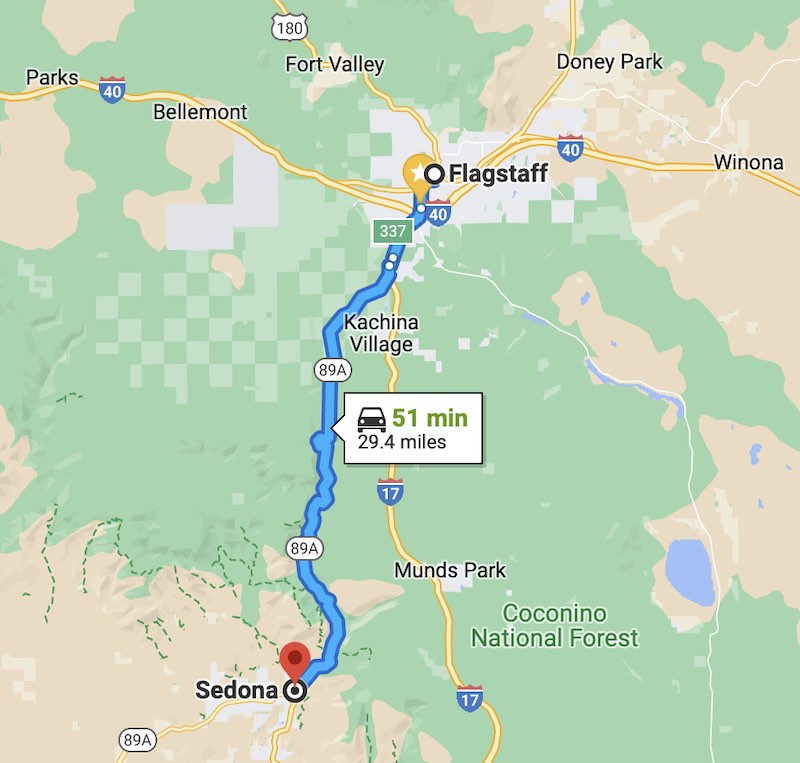
Driving from Flagstaff Pulliam Airport
For those preferring a shorter drive or arriving from other parts of Arizona or neighboring states like California or Nevada, Flagstaff Pulliam Airport (FLG) offers a convenient alternative. While smaller, it provides direct flights to some regional hubs. From Flagstaff, the drive south to Sedona takes approximately 45-60 minutes, depending on traffic and your specific destination within Sedona. This route follows U.S. Route 89A through the breathtaking Oak Creek Canyon, offering a different, equally spectacular, introduction to the region’s natural beauty. Be aware that during peak season or after snowfall, this route can be slower due to popularity and winding roads.
Scenic Drives and Road Conditions
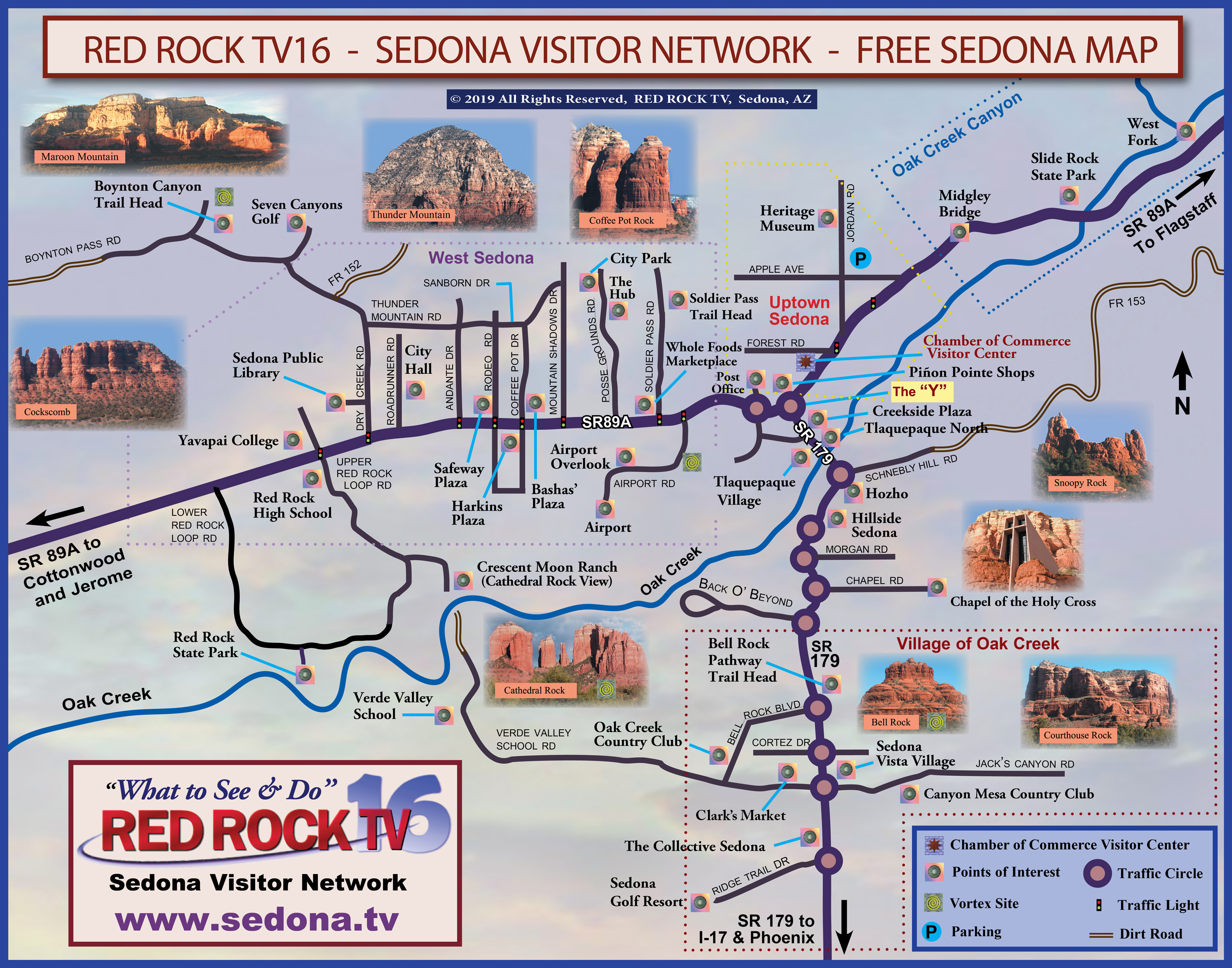
Beyond the primary routes, Sedona’s surrounding network of roads is a traveler’s delight. The Red Rock Scenic Byway (AZ-179) is not just an entry point but a destination in itself, dotted with trailheads, viewpoints, and art galleries. The drive through Oak Creek Canyon on U.S. Route 89A offers stunning vistas and opportunities for roadside stops. While roads within Sedona and on the main approach routes are well-maintained, travelers should be mindful of seasonal weather conditions, especially during winter months when higher elevations might experience snow and ice, potentially affecting travel times in Oak Creek Canyon. Always check local road conditions before embarking on your journey, especially if traveling during colder months.
What to Experience Once You’ve Found Sedona
Once you’ve navigated to this magical place, Sedona’s unique geographical and cultural tapestry unfolds into a wealth of travel experiences. Its location provides the perfect stage for a diverse range of activities, cementing its status as a top-tier travel destination.
Outdoor Adventures and Hiking Trails
Sedona’s location in the heart of the red rocks makes it an outdoor adventurer’s paradise. The area boasts hundreds of miles of trails for hiking, mountain biking, and trail running, catering to all skill levels. Popular hikes include the Boynton Canyon Trail, leading to one of the famous vortexes; the scenic climb to the Airport Mesa summit for unparalleled sunset views; and the challenging but rewarding ascent of Cathedral Rock or Bell Rock. For those seeking water activities, the clear waters of Oak Creek offer swimming, fishing, and creek-side relaxation. The Red Rock State Park provides additional opportunities for nature walks and wildlife viewing, all set against the backdrop of Sedona’s dramatic geography.
Arts, Culture, and Wellness
Beyond its natural beauty, Sedona’s location has fostered a vibrant community centered around art, wellness, and spiritual exploration. The town is home to numerous art galleries, especially along Highway 179 and in Uptown Sedona, showcasing local, regional, and Native American art. The Chapel of the Holy Cross, a stunning architectural marvel built directly into the red rocks, is a must-visit cultural landmark. For those drawn to Sedona’s spiritual reputation, the town offers a plethora of wellness retreats, yoga studios, meditation centers, and metaphysical shops, providing a holistic experience that complements the natural surroundings. This fusion of art, culture, and spiritual well-being truly makes Sedona a unique travel destination.
Stargazing and Night Skies
Sedona’s relatively remote location and commitment to dark sky preservation have earned it the designation as an International Dark Sky Community. This means that once the sun dips below the horizon, travelers are treated to some of the most spectacular stargazing opportunities in the United States. With minimal light pollution, the Milky Way, constellations, and even distant galaxies become visible to the naked eye. Many local tour operators offer stargazing excursions, providing telescopes and expert guidance to enhance the experience. This natural wonder is a powerful reminder of Sedona’s pristine environment and its distance from major metropolitan light pollution, offering a serene and awe-inspiring end to any day of travel.
Planning Your Sedona Travel Itinerary
To fully capitalize on Sedona’s geographical advantages and wealth of activities, thoughtful planning is essential. Understanding the best times to visit and what to bring will enhance your travel experience.
Best Time to Visit
Sedona’s mild four-season climate makes it a year-round destination, but certain seasons offer distinct advantages for travelers. Spring (March to May) and Fall (September to November) are often considered the best times to visit. During these months, temperatures are pleasant, ideal for hiking and outdoor activities, and the scenery is particularly vibrant with wildflowers in spring or fall foliage in Oak Creek Canyon. However, these are also peak seasons, meaning more crowds and higher accommodation prices. Summer (June to August) brings hotter temperatures, but early mornings and evenings are still enjoyable, and afternoon monsoons can offer dramatic skies. Winter (December to February) is characterized by cooler temperatures and the occasional dusting of snow on the red rocks, creating a magical, tranquil atmosphere, often with fewer crowds.
Essential Packing Tips
Given Sedona’s varied terrain and climate, packing smart is crucial for a comfortable travel experience. Regardless of the season, layers are always recommended, as temperatures can fluctuate significantly between day and night, and between sunny and shaded areas. Sturdy hiking shoes or boots with good ankle support are essential for exploring the trails. Sun protection—hats, sunglasses, and high-SPF sunscreen—is a must, even on cloudy days, due to the high elevation. A reusable water bottle is also highly recommended to stay hydrated, especially during outdoor activities. For those planning evening excursions or stargazing, a warm jacket, even in summer, will be beneficial.
Exploring Beyond the City Limits
Sedona’s central location in northern Arizona makes it an excellent base for exploring a wider array of regional attractions. Day trips can easily be made to the Grand Canyon National Park, typically a two to three-hour drive north. The historic mining town of Jerome, perched on a hillside with stunning views, is just a 45-minute drive southwest. Additionally, the Montezuma Castle National Monument, an ancient Sinagua cliff dwelling, is a mere 30 minutes south. These excursions enhance the travel experience, allowing visitors to delve deeper into Arizona’s rich history and diverse landscapes, all easily accessible from Sedona due to its prime geographical position.
In conclusion, “Where is Sedona, Arizona on the map?” is a question that unlocks a world of travel possibilities. Its specific location in northern Arizona, nestled amidst the stunning red rock formations and close to major urban centers and natural wonders, is precisely what makes it an unparalleled travel destination. From its unique geology and spiritual energy to its accessible routes and myriad of outdoor and cultural experiences, Sedona’s geographical identity is the very core of its magnetic appeal to travelers worldwide. Understanding its place on the map is the first step towards embarking on a journey that promises breathtaking beauty, adventurous exploration, and profound rejuvenation.
LifeOutOfTheBox is a participant in the Amazon Services LLC Associates Program, an affiliate advertising program designed to provide a means for sites to earn advertising fees by advertising and linking to Amazon.com. Amazon, the Amazon logo, AmazonSupply, and the AmazonSupply logo are trademarks of Amazon.com, Inc. or its affiliates. As an Amazon Associate we earn affiliate commissions from qualifying purchases.