
Planning a trip to the incomparable New York City is an exhilarating prospect. The vibrant energy, iconic Manhattan skyline, world-class attractions, and endless opportunities for discovery make it a top destination for travelers worldwide. From the dazzling lights of Times Square to the tranquil paths of Central Park, the city offers an unparalleled array of experiences. However, beyond the excitement of planning your itinerary and booking that perfect boutique hotel, there’s a practical aspect that every visitor and even long-term stay resident should understand: sales tax.
Sales tax can significantly impact your overall budget, especially in a city known for its diverse shopping, dining, and entertainment options. It’s not just an abstract percentage; it’s a real factor that influences the final price of almost everything you purchase, from a morning coffee to a designer outfit. Understanding the specific sales tax rate in New York City, what items are subject to it, and where you might find exemptions, is key to smart budgeting and a seamless travel experience. This comprehensive guide will break down the intricacies of New York City’s sales tax, offering insights that will help you navigate your expenditures whether you’re here for a luxury escape, a budget-conscious family trip, or a business stay. Armed with this knowledge, you can better estimate your costs, make informed decisions, and fully immerse yourself in the magic of the Big Apple without any unwelcome financial surprises.
Unpacking the New York City Sales Tax Rate
The question, “How much is New York City sales tax?” isn’t as straightforward as a single number, though it culminates in one. The total sales tax rate you pay in New York City is a combination of state and local taxes, along with an additional district surcharge. This layered approach is common in many U.S. states and cities, and understanding its components can provide clarity on how prices are formulated.
The Combined State and Local Sales Tax
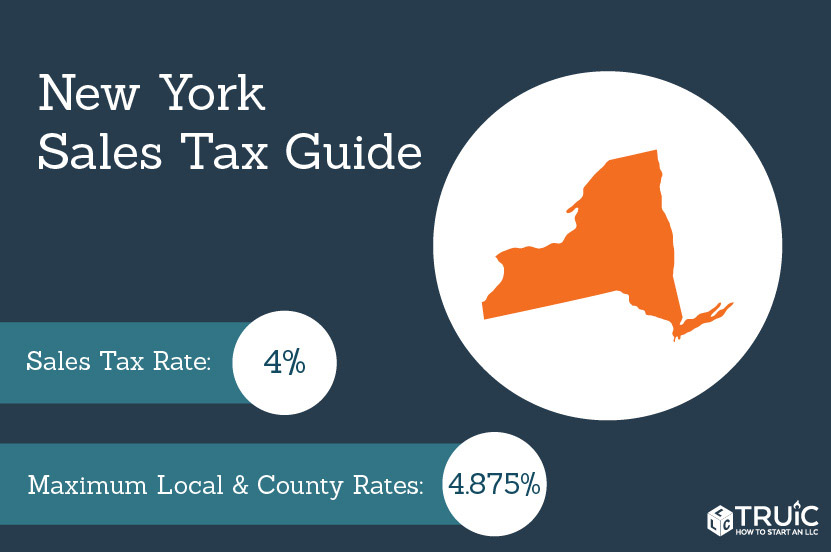
The combined sales tax rate in New York City currently stands at 8.875%. This seemingly precise figure is derived from three distinct components:
- New York State Sales Tax: The baseline for any purchase within New York State is a 4% sales tax. This percentage applies statewide, regardless of the specific city or county you are in. It’s the foundation upon which local taxes are added.
- New York City Local Sales Tax: New York City itself imposes an additional 4.5% local sales tax. This revenue directly supports city services and infrastructure, making it a crucial component of local governance and the quality of life for residents and visitors alike.
- Metropolitan Commuter Transportation District (MCTD) Surcharge: A smaller, yet significant, component is the 0.375% surcharge imposed within the Metropolitan Commuter Transportation District. This district encompasses New York City and several surrounding counties, and the revenue generated helps fund the region’s extensive public transit system, operated by the MTA. This surcharge is particularly relevant for travelers who rely on the subway, buses, or commuter rails to navigate the city and its environs.
When you combine these three rates (4% + 4.5% + 0.375%), you arrive at the total of 8.875% that is applied to most taxable goods and services purchased within the five boroughs of New York City: Manhattan, Brooklyn, Queens, The Bronx, and Staten Island.
What Goods and Services Are Taxable?
Generally, the 8.875% sales tax applies to most tangible personal property and many services sold within New York City. This broad application means that you’ll encounter it frequently during your visit. Common taxable items include:
- Retail Purchases: Clothing (with a notable exemption, discussed later), electronics, souvenirs, books, cosmetics, and most other goods purchased from stores.
- Prepared Foods and Restaurant Meals: When you dine out, grab a quick bite from a deli, or order takeout, the sales tax is added to your bill. This includes beverages, whether alcoholic or non-alcoholic, consumed on-premises or for takeout.
- Certain Services: While many services are exempt, some are taxable, such as dry cleaning, car wash services, and certain repair services.
- Entertainment and Recreation: Tickets to concerts, shows (like a Broadway performance), sporting events, movie theaters, and admission to many attractions often have sales tax included in the final price, or added at the point of sale.
Understanding this general scope is essential, as it forms the baseline for what you can expect to pay beyond the advertised price. However, as with many tax systems, there are specific nuances and exemptions that can influence your final costs.
Sales Tax Impact on Your New York City Experience
The 8.875% sales tax isn’t just a number; it’s a pervasive element that touches nearly every aspect of a New York City visit. From where you sleep to what you eat and the souvenirs you take home, understanding its application helps manage your travel budget effectively.
Accommodation: Hotels, Resorts, and Short-Term Rentals
When it comes to accommodation in New York City, the sales tax picture is a bit more complex than a simple 8.875%. While the general sales tax does apply to certain aspects, visitors primarily encounter the hotel occupancy tax.
- Hotel Occupancy Tax: This is a separate tax levied specifically on hotel rooms, suites, and other lodging accommodations. In New York City, the hotel occupancy tax is 5.875% of the room rate, plus an additional flat fee of $1.50 per room per night. This is in addition to the standard 8.875% sales tax, which also applies to the room rate.
- Combined Accommodation Tax: Therefore, the total tax on a hotel room in New York City is approximately 14.75% (8.875% sales tax + 5.875% occupancy tax) of the room rate, plus the $1.50 per night flat fee. This can add a significant amount to your stay, especially at luxury hotels like The Plaza Hotel or Ritz-Carlton New York.
- Resort Fees and Other Charges: Be aware that many hotels also charge “resort fees” or “destination fees” which are often subject to the full combined sales and occupancy tax rates, further increasing your out-of-pocket costs. Always check the total price, including all taxes and fees, when booking through platforms or directly with establishments. For those considering apartments or villas for longer stays, the tax rules might differ based on the length of stay and the booking platform.
Dining and Food Purchases
Food is an integral part of the New York City experience, from world-class restaurants to famous street food vendors. The sales tax application here can vary:
- Restaurant Meals and Prepared Foods: Any food or drink purchased for immediate consumption, whether at a sit-down restaurant, a fast-food establishment, a café, or even prepared items from a deli or grocery store (like a hot sandwich or a salad from a buffet), is subject to the full 8.875% sales tax. This applies whether you dine in, take out, or have it delivered.
- Groceries: Unprepared food items, such as fresh produce, raw meat, packaged groceries, and non-alcoholic beverages sold in their original containers (e.g., a gallon of milk, a loaf of bread, a bag of chips), are generally exempt from sales tax. This distinction is crucial for budget travelers or those opting for long-term stays in self-catering accommodations who plan to cook some of their meals.
- Beverages: Alcoholic beverages sold in restaurants or bars are subject to the 8.875% sales tax. If you purchase alcoholic beverages from a liquor store for off-premise consumption, they are generally subject to sales tax, but the specific rules can vary slightly.
Shopping in the Big Apple
New York City is a shopper’s paradise, offering everything from high fashion on Fifth Avenue to unique finds in Greenwich Village. Most retail purchases are subject to the 8.875% sales tax, but there’s a significant exemption for clothing and footwear:
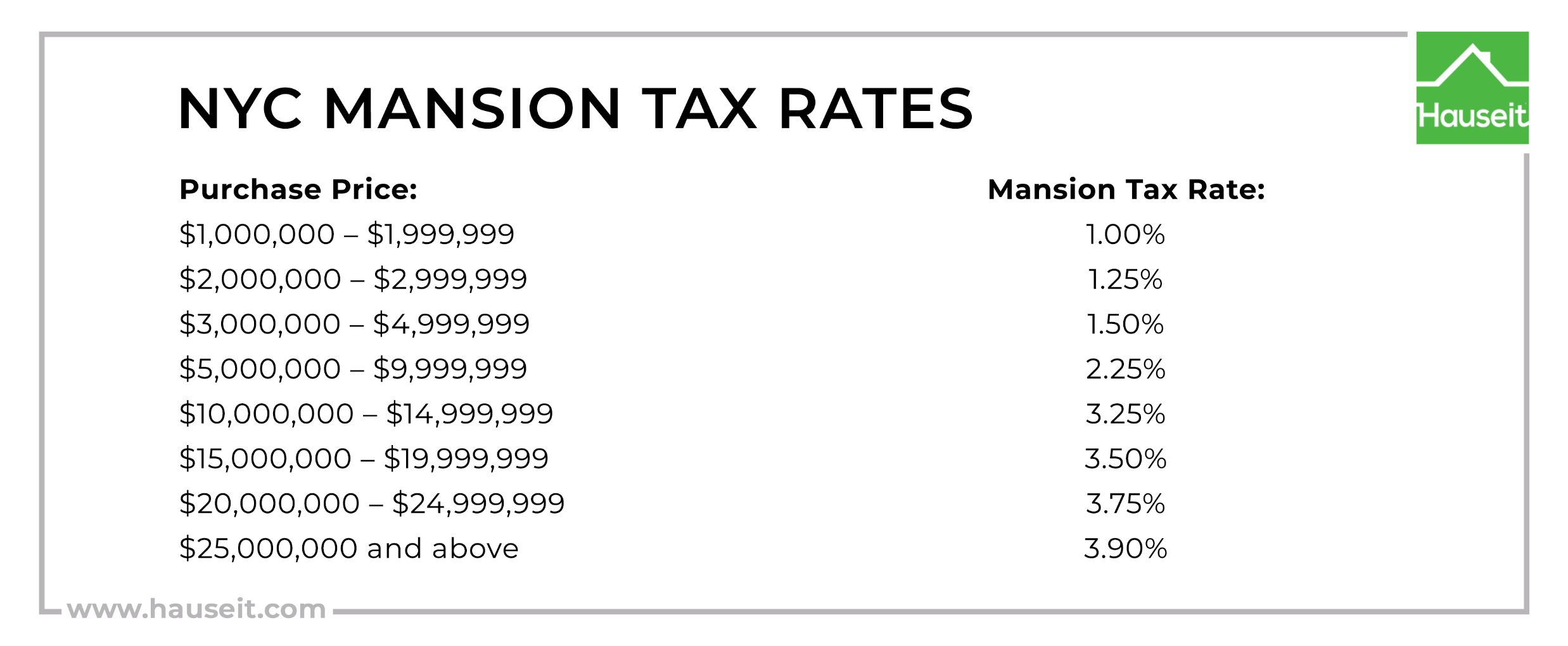
- Clothing and Footwear Exemption: This is one of the most beneficial exemptions for shoppers. Individual items of clothing and footwear costing less than $110 are exempt from the 4% New York State sales tax and the 0.375% MCTD surcharge. They are, however, still subject to the 4.5% New York City local sales tax. If an item of clothing or footwear costs $110 or more, the full 8.875% sales tax applies to the entire purchase price of that item. This means a pair of shoes at $109.99 would only incur the 4.5% local tax, while a pair at $110.00 would incur the full 8.875%. This is a critical detail for those planning extensive shopping trips.
- Other Retail Goods: Electronics, souvenirs (e.g., a miniature Statue of Liberty), jewelry, books, homeware, and most other tangible goods are subject to the full 8.875% sales tax, regardless of price.
Attractions, Entertainment, and Services
Experiencing New York City’s rich cultural scene and diverse entertainment options is a highlight for many visitors. Sales tax is often part of the cost for these activities:
- Tickets and Admissions: Whether you’re catching a Broadway show, visiting a museum like the Metropolitan Museum of Art, enjoying an observation deck at the Empire State Building, or going to a concert, tickets are generally subject to the 8.875% sales tax.
- Tours and Excursions: Guided tours, boat cruises, and other organized excursions typically include sales tax in their price.
- Personal Services: Services like haircuts, manicures, spa treatments, or massages are generally not subject to sales tax, though the goods used or sold in conjunction (e.g., shampoo) might be. However, gratuities are customary and expected for service industries.
Navigating Exemptions and Saving on Sales Tax
While the 8.875% sales tax is prevalent, being aware of specific exemptions and adopting strategic spending habits can help you manage your budget more effectively during your New York City adventure. Understanding these nuances is especially valuable for budget travelers or those on longer stays.
Key Exemptions for Visitors and Shoppers
The New York State and New York City tax laws offer several key exemptions that can lead to savings:
- Clothing and Footwear Under $110: As previously detailed, this is perhaps the most significant exemption for shoppers. Any single item of clothing or footwear costing less than $110 is exempt from the 4% New York State sales tax and the 0.375% MCTD surcharge. This means you only pay the 4.5% New York City local sales tax on such items. This makes shopping for multiple moderately priced items more appealing and can result in considerable savings compared to other U.S. cities where full sales tax applies to all clothing.
- Unprepared Food Items: Groceries, fresh produce, meat, dairy, and other food items meant for home preparation are generally exempt from sales tax. This encourages cooking some meals, which is a common strategy for saving money, especially for those staying in apartments with kitchen facilities. Stocking up at local supermarkets can significantly reduce your daily food expenses compared to consistently dining out.
- Select Services: Many professional and personal services, such as medical services, educational services, haircuts (as mentioned), and certain legal or accounting services, are not subject to sales tax. This typically doesn’t affect the average tourist significantly but is good to know.
- Prescription Medications: All prescription drugs and many over-the-counter medications are exempt from sales tax.
Strategic Spending for Budget-Conscious Travelers
Beyond knowing the exemptions, adopting smart spending habits can further stretch your travel budget:
- Cook Your Own Meals: Take advantage of the grocery exemption. Visit local supermarkets or farmers’ markets (like those found near Union Square) to buy ingredients and prepare some meals at your accommodation. This is often much cheaper than eating out for every meal, especially when considering the 8.875% sales tax on prepared foods and restaurant meals.
- Look for Deals on Clothing/Footwear: If you’re planning to shop, be mindful of the $110 threshold for clothing and footwear. Try to purchase items individually if a combined purchase would push the total over $110, or simply aim for items below this price point to benefit from the reduced tax rate.
- Free Attractions: New York City offers a plethora of free attractions, from strolling across the Brooklyn Bridge to exploring Central Park, visiting St. Patrick’s Cathedral, or walking Wall Street. Even some museums offer free admission days or suggested donation entry. These experiences incur no sales tax on admission, though any purchases inside might.
- Utilize Public Transportation: The MTA subway and bus system is efficient and cost-effective. Fares for public transportation are exempt from sales tax, making it an economical way to explore the city without incurring additional taxes on rideshare services or taxis (which, while convenient, are not exempt from sales tax on their services if applicable, or from potential tolls).
By combining knowledge of sales tax exemptions with savvy budgeting strategies, you can make your New York City trip more affordable and enjoyable, allowing you to allocate more of your funds to unique experiences rather than unexpected taxes.
Budgeting for Your New York City Adventure
An unforgettable trip to New York City requires careful planning, and a crucial component of that is effective budgeting. Beyond the initial costs of flights and hotels, understanding how sales tax and other fees factor into your daily expenses will help you avoid financial surprises and ensure a stress-free experience. For both luxury travelers and those on a tighter budget, accurate estimation is key to fully enjoying the city’s myriad offerings.
Estimating Your Expenses: A Practical Approach
Integrating sales tax into your budget requires a slightly adjusted mindset. Instead of looking at advertised prices as the final cost, mentally (or literally) add the applicable tax.
- Factor in Sales Tax for Shopping: If you’re planning a shopping spree, especially for items above the $110 clothing exemption, assume an almost 9% increase on the sticker price. For example, a $100 item will cost you $108.88. For clothing under $110, remember it’s closer to a 4.5% increase. Keep a running tally as you shop.
- Dining Out Calculations: When budgeting for meals, don’t just account for the menu price. Add 8.875% for sales tax, and then factor in a tip (customarily 15-20% for good service in restaurants). So, a $50 meal could easily become $60-$65 after tax and tip. This significant increase should be a primary consideration for food expenses.
- Attractions and Entertainment: Most ticket prices for landmarks like the Statue of Liberty, the 9/11 Memorial & Museum, or Broadway shows are subject to the 8.875% sales tax. When you see a base ticket price online, remember the final charge will be slightly higher. Websites usually show the full price, but it’s good to be aware of what it includes.
- Use a Budgeting App or Spreadsheet: Track your spending as you go. Many budgeting apps allow you to categorize expenses and include tax, giving you a real-time overview of how much you’re spending and how much is allocated to taxes.
Beyond Sales Tax: Other Considerations
While sales tax is a significant factor, New York City has other costs that can quickly add up and should be included in your budgeting strategy:
- Hotel Occupancy Tax and Fees: As discussed, this is a substantial additional cost for accommodation. Always confirm the total price, including all taxes and resort/destination fees, when booking.
- Tipping Culture: Tipping is deeply ingrained in American service culture. You’ll typically tip 15-20% for restaurant service, taxi drivers, hotel housekeepers, and tour guides. This can add a considerable amount to your total expenditures, especially if you plan to utilize many services.
- Transportation Costs: While subway fares are tax-exempt, the cost of MetroCards or single rides should be budgeted. Taxis and rideshares are more expensive, and tolls for bridges and tunnels (e.g., to get to Queens or Brooklyn) can add to the cost, although they are usually incorporated into the fare. Consider purchasing an unlimited MetroCard for your stay if you plan on frequent public transport use.
- Experiences and Activities: Beyond major landmarks, New York City offers unique experiences like cooking classes, walking tours, or specialized workshops. Factor in their costs, along with any applicable sales tax.
- Emergency Fund: It’s always wise to set aside an emergency fund for unexpected expenses, whether it’s a forgotten item, an unplanned souvenir, or a sudden change in plans.
By taking a holistic approach to your budget, carefully considering not just the advertised prices but also the impact of sales tax, hotel occupancy tax, tipping, and other common expenses, you can ensure a well-managed and thoroughly enjoyable visit to New York City. Whether you’re marveling at the architecture of Grand Central Terminal, exploring the shops at Rockefeller Center, or simply soaking in the atmosphere, being prepared financially will allow you to focus on creating unforgettable memories.
LifeOutOfTheBox is a participant in the Amazon Services LLC Associates Program, an affiliate advertising program designed to provide a means for sites to earn advertising fees by advertising and linking to Amazon.com. Amazon, the Amazon logo, AmazonSupply, and the AmazonSupply logo are trademarks of Amazon.com, Inc. or its affiliates. As an Amazon Associate we earn affiliate commissions from qualifying purchases.