
The San Francisco Bay Bridge is an iconic symbol of engineering prowess and a vital artery connecting the vibrant city of San Francisco with its East Bay neighbor, Oakland, in beautiful California. Often overshadowed by its more famous sibling, the Golden Gate Bridge, the Bay Bridge holds its own as a magnificent landmark with a rich history, complex design, and an indispensable role in the daily lives of millions. When planning a trip to the Bay Area, understanding this impressive structure, from its sheer scale to the experiences it offers, enriches any travel itinerary.

The simple question, “How long is the San Francisco Bay Bridge?” unveils a fascinating story of ambition, innovation, and resilience. Unlike many bridges that span a single body of water with a unified design, the Bay Bridge is a complex amalgamation of different bridge types and spans, broken up by the natural landmasses of Yerba Buena Island and Treasure Island in the heart of the San Francisco Bay. This multi-segment design means that its total length is an accumulation of various sections, each with its own engineering challenges and distinct character.
For travelers, tourists, and even those considering a long-term stay in the Bay Area, the bridge is more than just a means of transport; it’s an attraction in itself, offering breathtaking views, unique vantage points, and a tangible connection to the region’s dynamic history. From luxurious hotel suites boasting panoramic bridge vistas to budget-friendly stays offering easy access to its pedestrian and cycling paths, the Bay Bridge experience caters to a diverse range of lifestyles and preferences.
An Engineering Marvel Spanning the Bay
The construction of the Bay Bridge was a monumental undertaking, beginning in 1933 amidst the Great Depression and completed in 1936. At the time of its opening, it was the longest steel structure in the world, a testament to human ingenuity and determination. Its design had to contend with deep waters, strong currents, and the ever-present threat of seismic activity, leading to a structure that is both robust and aesthetically compelling.
What makes the Bay Bridge truly unique is its dual nature: two distinct bridge sections separated by islands. The West Span connects San Francisco to Yerba Buena Island, while the East Span connects Yerba Buena Island to Oakland. Each of these spans tells its own story of engineering evolution, culminating in the modern marvel we see today.
Unpacking the Bridge’s Dimensions
To answer the central question directly, the total length of the San Francisco Bay Bridge, including its various approaches and segments from San Francisco to Oakland, is approximately 8.4 miles (13.5 kilometers). However, this overall figure is a composite, and breaking it down reveals the intricate nature of its construction:
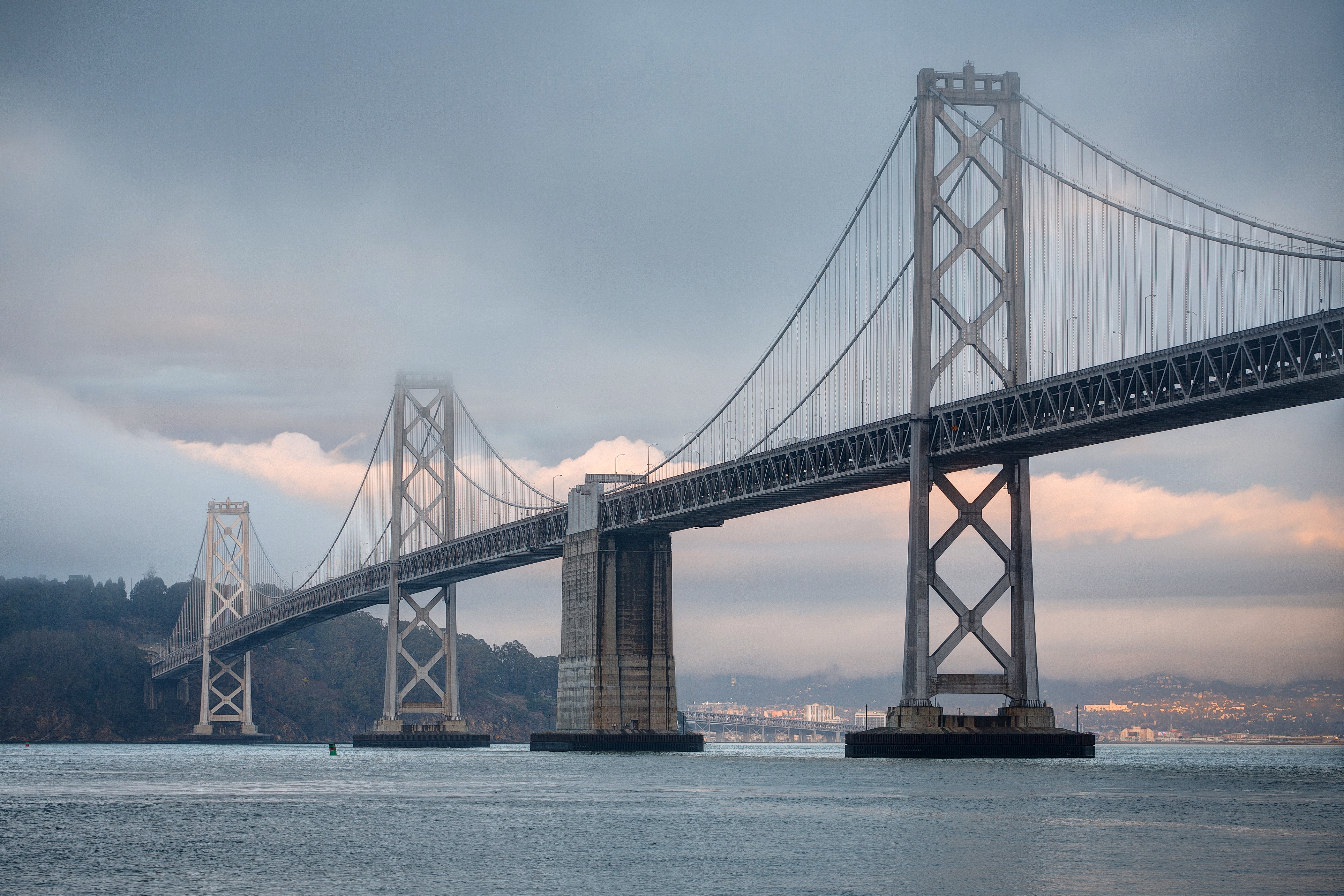
- The West Span: This section, stretching from downtown San Francisco to Yerba Buena Island, is roughly 2 miles (3.2 kilometers) long. It comprises a double suspension bridge, meaning it features two complete suspension bridges end-to-end, with a massive central anchorage located between them. This innovative design was necessary due to the depth of the bay and the need for seismic resilience.
- The Yerba Buena Island Tunnel: Upon reaching Yerba Buena Island, traffic passes through the world’s largest-diameter bore tunnel, a unique double-deck structure carved directly through the island’s rock. This segment is approximately 0.6 miles (1 kilometer) long.
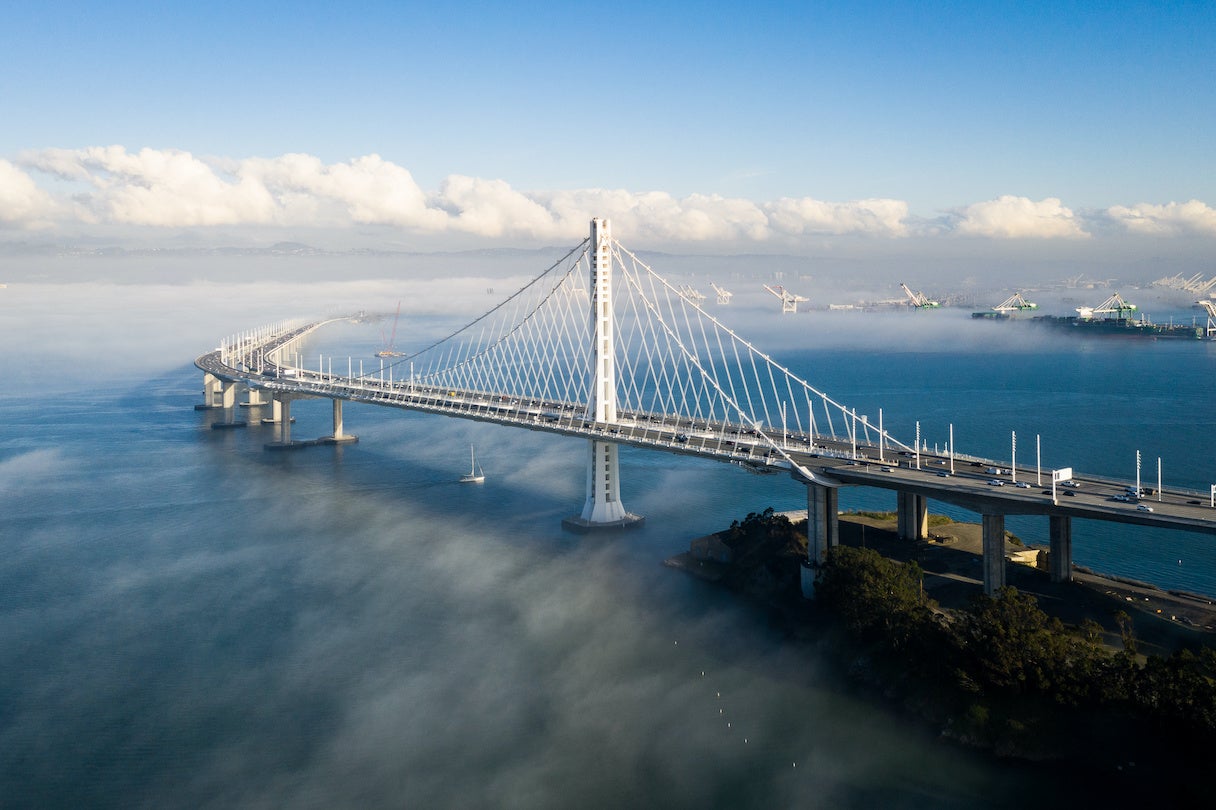
- The East Span: Historically, the original East Span was a cantilever bridge and a series of truss bridges extending from Yerba Buena Island to Oakland. However, after sustaining damage in the 1989 Loma Prieta earthquake, a new, seismically upgraded East Span was constructed and opened in 2013. This impressive self-anchored suspension bridge (SAS) is approximately 2.2 miles (3.5 kilometers) long from Yerba Buena Island to the Oakland touchdown, not including the approach structures that extend further into Oakland.
When considering the full journey, including the approaches on both sides, the grand total stretches to the aforementioned 8.4 miles. This complexity makes the Bay Bridge a fascinating subject for anyone interested in landmarks, architecture, and the history of civil engineering.
A Tale of Two Crossings: East and West Spans
The contrast between the old West Span and the new East Span is a powerful narrative in itself. The West Span (the older part, though extensively retrofitted) maintains its classic double-suspension bridge design, with its elegant cables and sturdy towers providing a timeless silhouette against the San Francisco skyline. It’s a testament to the engineering principles of the early 20th century, adapted for the challenges of the 21st.
The New East Span, on the other hand, is a masterpiece of modern engineering and design. Its single tower and sleek, slender deck give it a futuristic appearance. It features a bicycle and pedestrian path, the Bay Bridge Trail, which offers unparalleled views of the bay, the bridge’s intricate structure, and the urban landscapes of San Francisco and Oakland. This path is a game-changer for tourists and locals alike, providing a unique way to interact with this magnificent landmark. The construction of the new East Span was one of the largest public works projects in California history, costing over $6 billion and taking more than a decade to complete. Its distinctive design makes it a landmark in its own right, pushing the boundaries of bridge architecture.
More Than Just a Crossing: Exploring the Bay Bridge Experience
Beyond its impressive dimensions and engineering feats, the San Francisco Bay Bridge offers a rich tapestry of experiences for travelers. From exhilarating drives to leisurely strolls, the bridge provides unique perspectives on the Bay Area’s natural beauty and bustling urban centers. Integrating a visit to the Bay Bridge into your travel itinerary transforms it from a mere passage to an unforgettable part of your California adventure.
Driving, Cycling, and Walking the Bridge
- Driving Across: The most common way to experience the Bay Bridge is by driving. The upper deck carries westbound traffic into San Francisco, offering dramatic views of the city skyline, Alcatraz Island, and the Golden Gate Bridge as you approach. The lower deck carries eastbound traffic towards Oakland, providing a different perspective of the industrial waterfronts and the East Bay hills. The sensation of driving across such a massive structure, especially at night when the city lights twinkle, is an experience in itself. Traffic can be heavy, especially during peak hours, so planning your drive is advisable for a smoother journey.
- Cycling and Walking the Bay Bridge Trail: For those seeking a more immersive and active experience, the Bay Bridge Trail on the new East Span is an absolute must-do. This multi-use path, open to pedestrians and cyclists, starts near the Oakland side of the bridge and extends all the way to Yerba Buena Island. It offers stunning, unobstructed views of the bay, the new East Span’s architecture, and both San Francisco and Oakland skylines.
- Access Points: The primary access point for the trail is in Oakland at the bridge’s eastern touchdown, near the Toll Plaza. There are parking lots available, and public transit connections can get you close.
- Distance and Time: The path itself is about 2.2 miles (3.5 km) one-way to Yerba Buena Island. Walking the round trip might take 2-3 hours, while cycling would be considerably faster, perhaps an hour or less, allowing for stops to take photos and soak in the views.
- What You’ll See: As you traverse the trail, you’ll be eye-level with the bridge’s magnificent cables and suspension elements, offering a unique appreciation for its scale. The panoramic vistas include the dynamic shipping lanes of the bay, the distant silhouette of the Golden Gate Bridge, and the unique character of Yerba Buena Island and Treasure Island.
Iconic Views and Photography Spots
Photography enthusiasts will find endless opportunities to capture the grandeur of the Bay Bridge.
- From San Francisco: Views from the Embarcadero, particularly near the Ferry Building, offer excellent perspectives of the West Span. Night photography is particularly rewarding when the Bay Lights illuminate the bridge.
- From Oakland/Berkeley: Various points along the Oakland and Berkeley waterfronts provide fantastic views of the new East Span. Middle Harbor Shoreline Park in Oakland is a local favorite.
- From Yerba Buena Island & Treasure Island: These islands, nestled in the middle of the bay, offer some of the most spectacular and unique vantage points. Driving or cycling to Yerba Buena Island allows for close-up views of both spans, while Treasure Island provides iconic skyline views of San Francisco with the Bay Bridge prominently featured. Sunsets from these islands, with the city and bridge silhouetted against a fiery sky, are truly unforgettable.
Nearby Attractions and Island Gems
The Bay Bridge doesn’t just connect two cities; it also provides access to two fascinating islands that are destinations in themselves:
- Yerba Buena Island: This natural island is home to residential communities, parks, and historical sites. It’s a peaceful contrast to the urban bustle, offering hiking trails and incredible views. The tunnel through the island is a unique architectural feature.
- Treasure Island: A man-made island built for the 1939 Golden Gate International Exposition, Treasure Island offers expansive open spaces, art installations, and perhaps the most iconic panoramic views of the San Francisco skyline, the Bay Bridge, and the Golden Gate Bridge. It’s a popular spot for picnics, photography, and simply soaking in the quintessential Bay Area atmosphere. Efforts are underway to redevelop Treasure Island into a vibrant new neighborhood, promising even more attractions in the future. Both islands are accessible by car or public transit (Muni buses serve Yerba Buena Island and Treasure Island from San Francisco).
Planning Your Visit: Accommodation and Beyond
Integrating the Bay Bridge experience into your broader Bay Area visit requires thoughtful planning, especially concerning accommodation and transportation. Whether you’re seeking luxury travel, a budget-friendly family trip, or a convenient business stay, the region offers myriad options that enhance your interaction with this iconic landmark.
Where to Stay: Hotels with a View
Choosing the right accommodation can significantly elevate your Bay Bridge experience. Many hotels in both San Francisco and Oakland offer spectacular views of the bridge, especially from higher floors or dedicated viewing lounges.
- San Francisco Waterfront Hotels:
- The Embarcadero and Financial District: This area puts you closest to the West Span, with several high-end hotels offering direct views. Imagine waking up to the sight of the bridge illuminated by the morning sun or sparkling with the Bay Lights at night. Hotels like the Hyatt Regency San Francisco or the Hotel Vitale often feature rooms with prime bridge vistas. Staying here also offers easy access to the Ferry Building Marketplace, a hub for local food and culture.
- SOMA (South of Market) District: This trendy neighborhood is a bit further south but still offers excellent connectivity and hotels with views, often catering to business travelers and luxury seekers.
- Oakland Waterfront Hotels:
- Jack London Square: On the Oakland side, Jack London Square is a vibrant district with hotels like the Waterfront Hotel, an Unbound Collection by Hyatt that provide fantastic views of the new East Span, especially at night when its intricate design is beautifully lit. This area offers a different vibe than San Francisco, with a focus on local culture, diverse food scenes, and easy access to the Bay Bridge Trail.
- Boutique Hotels and Vacation Rentals: For those seeking a more unique or budget-conscious stay, boutique hotels throughout San Francisco and Oakland, or even vacation rental apartments, can provide charm and local flavor, often just a short public transport ride away from bridge viewpoints. When booking, always inquire about views or proximity to scenic overlooks.
Getting Around San Francisco
Efficient transportation is key to maximizing your Bay Area exploration.
- Public Transit: Both San Francisco and Oakland boast extensive public transportation networks. BART (Bay Area Rapid Transit) connects both cities, making it easy to travel between them. Muni in San Francisco and AC Transit in Oakland provide local bus and light rail services. Using public transit is often the most cost-effective and environmentally friendly way to explore, especially given potential traffic and parking challenges.
- Ridesharing and Taxis: Readily available throughout the urban areas, these offer convenience, especially for late-night excursions or travel with luggage.
- Bicycle Rentals: For those keen on cycling the Bay Bridge Trail or exploring the cities on two wheels, numerous rental shops are available.
- Ferries: While not directly traversing the entire Bay Bridge, various ferry services operate on the San Francisco Bay, offering splendid water-level views of both the Bay Bridge and the Golden Gate Bridge. A ferry ride can be a delightful and scenic way to travel between San Francisco, Oakland, Sausalito, or Tiburon.
Experiencing the Bay Bridge at Night (The Bay Lights)
A highlight for any visitor is witnessing the Bay Bridge illuminated after dark. From 2013 to 2015, and then permanently reinstalled in 2017, the western span of the Bay Bridge became the canvas for a stunning public art installation known as the Bay Lights. This monumental LED art piece features 25,000 individual white LEDs programmed to display dynamic, non-repeating patterns that dance across the bridge’s vertical cables.
The Bay Lights transform the bridge into a mesmerizing spectacle, visible from miles around, particularly from San Francisco’s waterfront, Treasure Island, or even from the comfort of a bay-facing hotel room. This installation has added another layer to the bridge’s allure, making it a living, breathing landmark that offers a different experience after sunset. Experiencing the Bay Lights can be a magical conclusion to a day of sightseeing, providing a moment of serene beauty against the bustling backdrop of the city.
In conclusion, the San Francisco Bay Bridge is far more than just a measurement of length. It’s a symbol of human achievement, a testament to enduring design, and an integral part of the Bay Area’s identity. At approximately 8.4 miles long, it represents a journey through diverse landscapes and engineering marvels. For any traveler exploring San Francisco, Oakland, or the wider California region, engaging with this magnificent structure – whether by driving across, cycling its path, or simply admiring it from afar – offers a profound connection to the spirit and ingenuity of this iconic destination. It seamlessly blends travel, tourism, and landmarks into an unforgettable experience, appealing to every lifestyle from the luxury seeker to the budget explorer.
LifeOutOfTheBox is a participant in the Amazon Services LLC Associates Program, an affiliate advertising program designed to provide a means for sites to earn advertising fees by advertising and linking to Amazon.com. Amazon, the Amazon logo, AmazonSupply, and the AmazonSupply logo are trademarks of Amazon.com, Inc. or its affiliates. As an Amazon Associate we earn affiliate commissions from qualifying purchases.