
Navigating the nuances of sales tax can feel like deciphering an ancient riddle, especially when planning a trip to a vibrant metropolis like New York. For many travelers, the excitement of exploring iconic landmarks, indulging in world-class cuisine, and immersing themselves in the local culture can overshadow the practicalities of budgeting. However, understanding how much New York sales tax will add to your purchases is crucial for a smooth and financially sound experience. This comprehensive guide will break down the New York sales tax landscape, from the statewide rate to the additional local taxes that can impact your spending.
Understanding the Basics of New York Sales Tax
At its core, New York sales tax is a levy imposed by the state and, in many cases, by local governments on the sale of tangible personal property and certain services. The rate you’ll encounter can vary significantly depending on your exact location within the state. This means that while a souvenir purchased in Manhattan might have a different total tax than one bought upstate, the fundamental principles governing the tax remain consistent.
The Statewide Base Rate
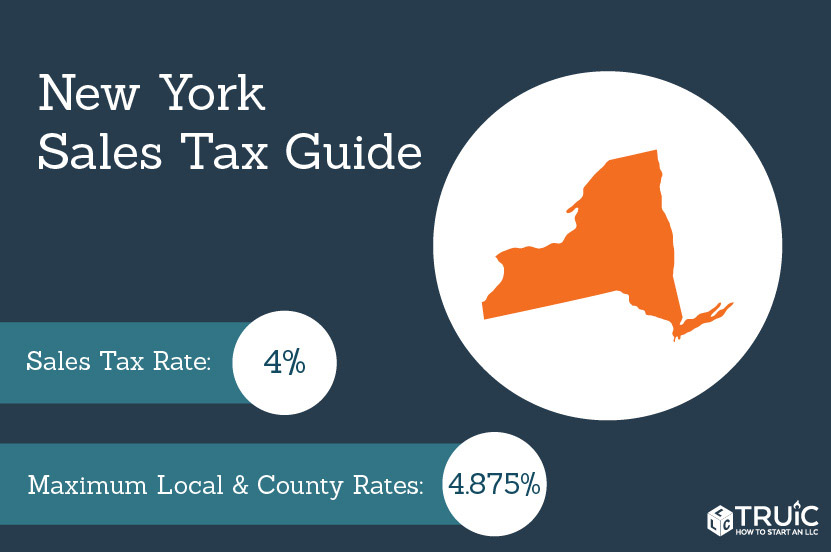
The foundation of New York sales tax is the state’s base rate. This is the minimum tax applied across the entire state on taxable goods and services. Currently, the New York state sales tax rate stands at 4%. This rate applies to most retail purchases, from clothing and electronics to restaurant meals and hotel stays. It’s important to note that while this is the base, it’s rarely the final amount you’ll pay due to the addition of local taxes.
The Impact of Local Taxes
This is where the complexity truly sets in. Unlike some states with a single, uniform sales tax rate, New York allows counties and some cities to impose their own additional sales taxes. These local taxes are added on top of the state’s base rate, creating a combined tax that can vary considerably from one municipality to another.
For instance, when you’re enjoying the bustling streets of New York City, you’ll encounter the highest combined rates. This is because New York City has its own city sales tax, which is then added to the state’s base rate and any applicable metropolitan commuter transportation district (MCTD) taxes. The result is a significant increase in the overall sales tax burden for shoppers and diners in the five boroughs.
Conversely, if your travels take you to a more rural county upstate, you might find a lower combined sales tax rate. Some counties have chosen not to impose any additional local sales tax beyond the state’s 4%, while others have opted for modest additions. This variability underscores the importance of being aware of your specific location when estimating your total costs.
Specific Considerations for Travelers
As a traveler, you’ll encounter New York sales tax on a wide range of expenditures. From the moment you check into your hotel to the last souvenir you pick up, the tax will likely be factored into the price. Understanding how it applies to different categories of spending can help you budget more effectively for your New York adventure.
Tax on Accommodation and Dining
When you book a stay at a hotel, resort, or even a charming bed and breakfast, the room rate is subject to New York sales tax. This includes the state rate, plus any applicable local taxes for the county and city where the accommodation is located. For example, a night at the Plaza Hotel in New York City will carry a higher tax percentage than a room at a motel in a smaller upstate town. This can add a noticeable amount to the overall cost of your stay, especially for longer visits.
Similarly, dining out is a significant part of the New York experience, and restaurant meals are generally subject to sales tax. This applies to everything from a quick bite at a deli to a fine dining experience at a Michelin-starred restaurant. The tax is typically calculated on the total bill, including food, beverages, and any service charges or gratuities that are considered taxable. Again, the location of the restaurant will determine the exact combined rate. A meal enjoyed in Times Square will likely incur a higher tax than one savored in a quaint village in the Adirondacks.
Hotel Taxes Beyond Sales Tax
It’s worth noting that beyond the standard sales tax, some accommodations, particularly in New York City, may also be subject to additional hotel occupancy taxes or tourism fees. These are separate levies designed to support local tourism infrastructure and services. While often bundled into the total price presented at booking, it’s good to be aware that the final bill might reflect more than just the sales tax on the room rate. For example, staying at the Grand Hyatt Hotel in New York City will include these additional fees.
Tax on Retail Purchases and Souvenirs
Shopping is an integral part of many travelers’ itineraries, and New York offers an unparalleled retail experience, from luxury boutiques on Fifth Avenue to bustling street markets. Almost all tangible goods purchased in New York are subject to sales tax. This includes clothing, accessories, electronics, books, and souvenirs.
When browsing for that perfect memento or a stylish addition to your wardrobe, remember to factor in the combined sales tax rate of the area. For example, purchasing a designer handbag at Bergdorf Goodman in Manhattan will have a higher tax applied than buying a locally crafted item in a town in western New York. Understanding these local variations can help you make informed purchasing decisions and avoid any sticker shock at the checkout.
Exemptions and Special Cases
While most goods and services are taxable, New York does offer certain exemptions. These are important for travelers to be aware of to avoid overpaying tax or to understand why certain items might be priced without it.
Food and Groceries
A significant exemption in New York is for most basic groceries. Unprepared food items intended for home consumption, such as produce, meat, dairy products, and bread, are generally exempt from sales tax. This means that your weekly shop at a supermarket like Trader Joe’s will be significantly less taxed than a meal at a restaurant. However, prepared foods, such as deli sandwiches, hot food from a salad bar, or baked goods sold by a bakery for immediate consumption, are typically taxable. Drinks like soda and other sweetened beverages are also subject to tax.
Clothing Exemptions
Historically, clothing items priced below a certain threshold were exempt from sales tax in New York. However, this exemption was largely phased out, and now most clothing and footwear purchases are taxable. While there might be very specific, limited exemptions for certain types of religious garments or specialized athletic wear, for the vast majority of clothing items you’ll find in stores, sales tax will apply.
Services and Digital Goods
The taxability of services can be more nuanced. While some services are explicitly taxable (like dry cleaning or repair services), others are not. Digital goods, such as e-books, apps, and music downloads, are generally considered tangible personal property in New York and are subject to sales tax. However, the specific tax treatment of certain professional services can vary, and it’s always best to confirm if you are unsure.
Calculating Your New York Sales Tax
Knowing the general rules is helpful, but actually calculating how much New York sales tax you’ll pay requires knowing the precise rate for your location.
Finding Your Local Rate
The most reliable way to determine the exact sales tax rate is to know the county and city you are in. New York sales tax rates are comprised of the state rate (4%), plus the county rate, and, if applicable, the Metropolitan Commuter Transportation District (MCTD) rate and the City of New York rate.
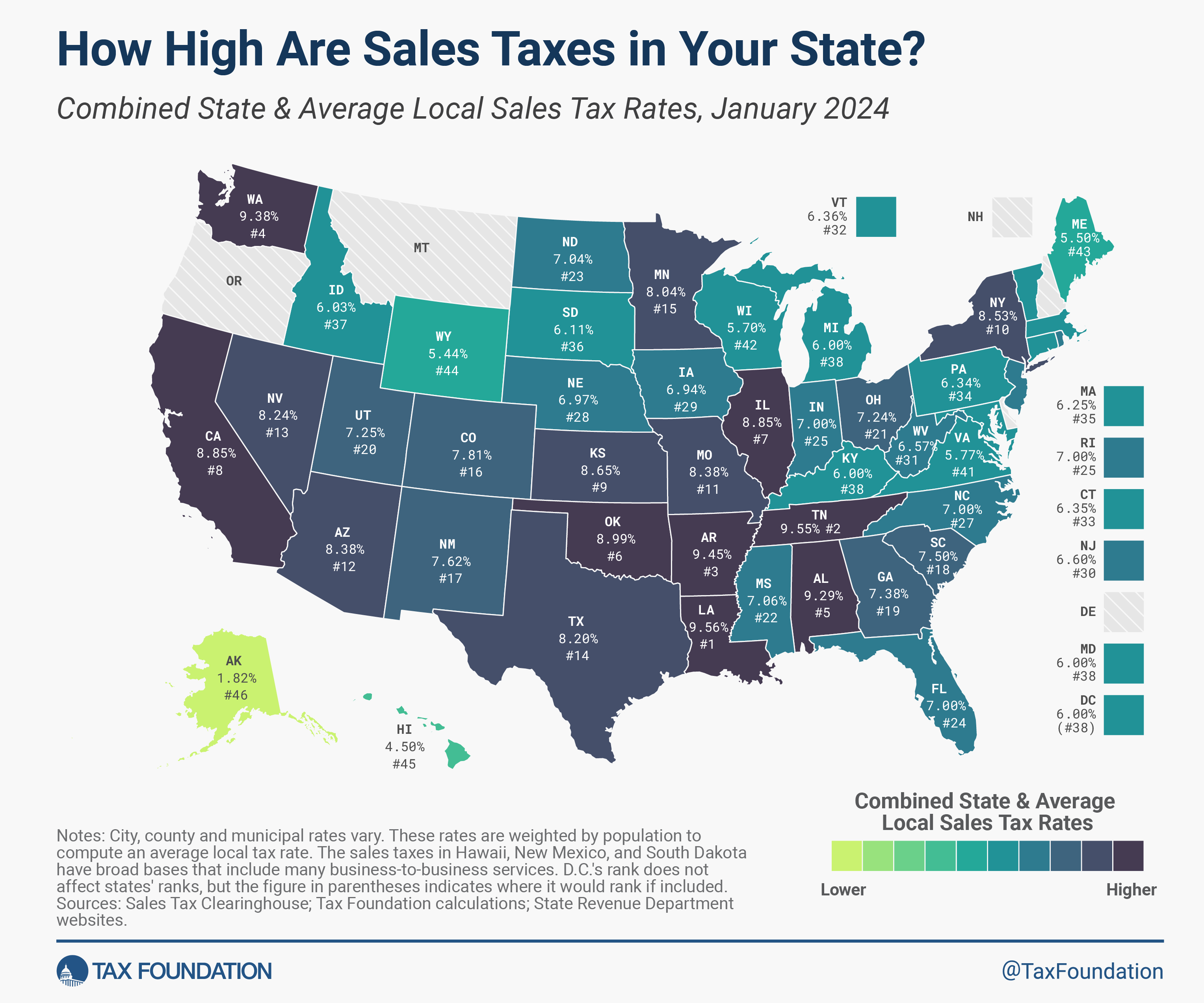
For New York City, the current combined state and local sales tax rate is 8.875%. This is made up of the 4% state tax, a 0.375% New York City tax, a 4% New York State add-on to the New York City tax (which brings the city’s portion up to 8%), and a 0.375% MCTD tax. This 8.875% rate applies to most purchases within the five boroughs.
Outside of New York City, the rates vary by county. For example, in Albany County, the combined rate is typically 7% (4% state + 3% local). In a county with no additional local tax, the rate would remain at the base 4%. You can find detailed information on the New York State Department of Taxation and Finance website, which provides an up-to-date list of sales tax rates by county.
Example Calculation
Let’s say you are purchasing a jacket for $100 in New York City.
The sales tax rate is 8.875%.
The sales tax amount would be $100 * 0.08875 = $8.88.
Your total cost for the jacket would be $100 + $8.88 = $108.88.
If you were to purchase the same jacket for $100 in Albany County, where the rate is 7% (assuming this is the combined rate for that specific location within the county):
The sales tax amount would be $100 * 0.07 = $7.00.
Your total cost for the jacket would be $100 + $7.00 = $107.00.
This simple example illustrates how even a small difference in tax rates can impact your overall spending, especially on larger purchases or when combined with multiple transactions throughout a trip. When planning a budget for exploring attractions like the Statue of Liberty or enjoying a Broadway show in New York City, always factor in the higher combined tax rates.
Maximizing Your Budget While Exploring New York
Understanding New York sales tax is a vital step in smart travel budgeting. By being aware of the different rates and exemptions, you can make more informed decisions about where and what you purchase.
Planning Ahead for Purchases
Before you embark on your New York adventure, it’s wise to do some research on the sales tax rates in the specific areas you plan to visit. If you’re primarily staying in New York City, mentally prepare for the higher 8.875% rate. If your itinerary includes excursions upstate, research the county-specific rates to gauge potential savings on purchases made outside the metropolitan area. This foresight can help you allocate your funds more effectively, allowing you to enjoy more experiences, whether it’s a special meal, a unique souvenir from a local artisan, or an extra day at a charming lakeside resort.
Taking Advantage of Exemptions
Leverage the exemptions available. If you plan on cooking some meals during your stay, stocking up on groceries from a supermarket is a tax-savvy move compared to relying solely on restaurant dining. While clothing is generally taxable, understanding the exemptions for specific items (though limited) can still be beneficial. For those undertaking longer stays or seeking a more budget-friendly lifestyle experience, knowing where you can save on daily expenses through tax exemptions can make a significant difference.
By staying informed about New York sales tax, you can enhance your travel experience, ensuring that your budget stretches further, allowing you to fully immerse yourself in all that the Empire State has to offer, from the iconic skyscrapers of New York City to the natural beauty of Niagara Falls.
LifeOutOfTheBox is a participant in the Amazon Services LLC Associates Program, an affiliate advertising program designed to provide a means for sites to earn advertising fees by advertising and linking to Amazon.com. Amazon, the Amazon logo, AmazonSupply, and the AmazonSupply logo are trademarks of Amazon.com, Inc. or its affiliates. As an Amazon Associate we earn affiliate commissions from qualifying purchases.