
When considering the political landscape of the United States, the state of Kansas often evokes a particular image. Historically, it’s been a bedrock of the Republican Party, a state that has leaned consistently red for decades. However, the question of “Is Kansas a red or blue state in 2023?” delves deeper than simple historical patterns. It requires an examination of recent electoral trends, demographic shifts, and the nuanced political discourse that shapes the Sunflower State. While its deep-rooted conservative identity remains, understanding the complexities of its present political leaning necessitates looking beyond generalizations.
The very notion of a state being definitively “red” or “blue” can be overly simplistic. Political affiliations are not static; they evolve with changing populations, economic conditions, and national political currents. Kansas, with its vast prairies and agricultural heritage, has long been associated with a strong conservative ethos, deeply valuing traditional principles and fiscal responsibility. This has translated into electoral victories for Republican candidates at both state and federal levels for a significant period. However, even within a predominantly red state, pockets of progressive thought and shifting demographics in urban centers present a more intricate picture.
To truly answer the question of Kansas‘s political leaning in 2023, one must analyze various contributing factors, including voting patterns in recent elections, the influence of key demographics, and the performance of different political parties across the state. This exploration will shed light on whether Kansas is firmly entrenched in its red identity or if there are emerging signs of a more varied political spectrum.
Understanding the “Red” Identity of Kansas
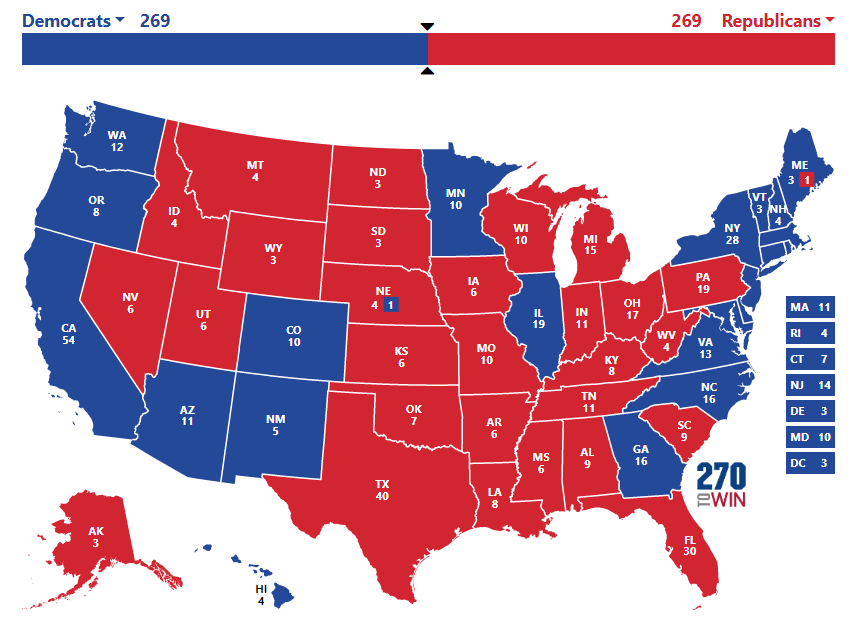
Kansas‘s reputation as a “red state” is not without considerable historical and electoral backing. The state has consistently favored Republican presidential candidates since 1940, with only one exception in 1964 when it voted for Lyndon B. Johnson. This long-standing trend has solidified its image as a reliably conservative bastion. This Republican dominance is often attributed to a combination of factors deeply ingrained in the state’s culture and economy.
The agricultural sector has historically been a cornerstone of the Kansas economy, and farmers and ranchers have often aligned with the Republican Party‘s platform, which typically emphasizes deregulation, lower taxes, and policies supportive of agricultural industries. This alignment extends to a broader cultural conservatism that values self-reliance, limited government intervention, and traditional social values. These principles resonate with a significant portion of the Kansas electorate, contributing to the sustained success of Republican candidates.
Electoral Performance and Key Indicators
Examining recent electoral performance provides concrete evidence of Kansas‘s leanings. In the 2020 presidential election, Donald Trump won Kansas by a substantial margin, securing over 57% of the vote compared to Joe Biden‘s nearly 42%. This victory mirrored the outcome in many previous presidential contests. Similarly, in the 2022 midterm elections, Republican candidates generally performed well across the state. Laura Kelly, the incumbent Democratic governor, managed to secure re-election in a hard-fought race, demonstrating that while the state leans red, it is not entirely monolithic. Her victory was seen by some as a testament to her moderate appeal and ability to connect with a broader range of voters, even within a conservative electorate.
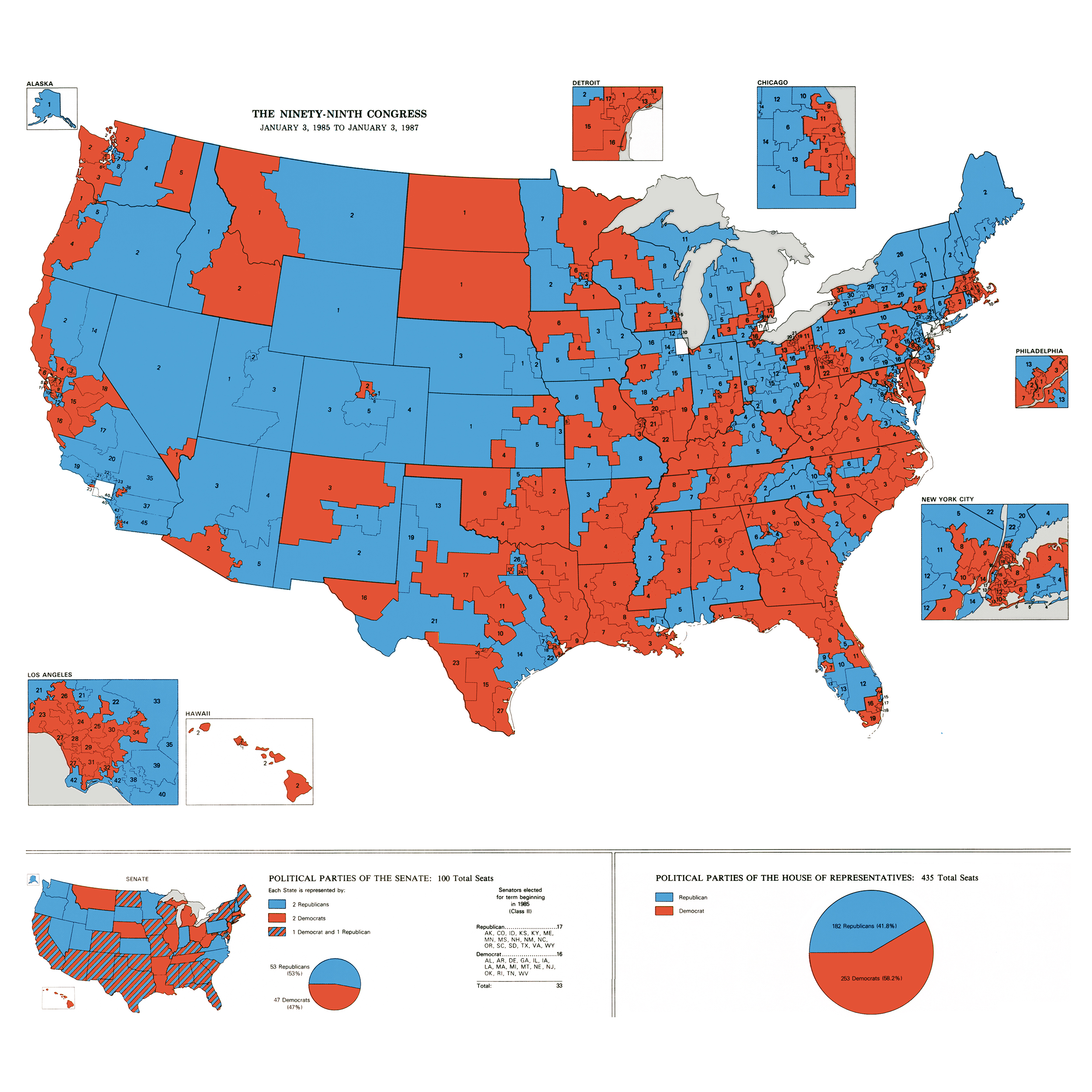
Beyond the gubernatorial race, Republican candidates largely swept the other statewide offices and congressional seats. The state’s congressional delegation, for instance, has been predominantly Republican. This consistent pattern in federal elections underscores the strong influence of the Republican Party in Kansas. The composition of the state legislature also heavily favors Republicans, with supermajorities in both the House and Senate. This allows the Republican party to largely set the legislative agenda and pass bills aligned with their conservative platform.
The electoral map of Kansas further illustrates its red character. While larger urban centers like Wichita, Overland Park, and Kansas City show more diverse voting patterns, with higher concentrations of Democratic votes, the vast majority of the state’s counties, particularly in rural areas, overwhelmingly vote Republican. This geographical divide highlights the impact of demographics and economic structures on political affiliations, with rural, agricultural communities tending to be more consistently conservative than their urban counterparts.
Shifting Demographics and Emerging Trends
While Kansas has a strong historical identity as a red state, it’s crucial to acknowledge the evolving demographics and emerging trends that might influence its political future. Like many states, Kansas is experiencing demographic shifts, including changes in age, ethnicity, and educational attainment, which can subtly alter the political landscape.
Urban and suburban areas are often hubs for these demographic changes. As cities grow and attract more diverse populations, they can become more politically competitive. For example, Johnson County, the most populous county in Kansas and a historically Republican stronghold, has seen a noticeable shift towards the Democratic Party in recent elections. This trend is often attributed to an influx of younger professionals, individuals with higher education levels, and a growing non-white population, all of whom may lean more Democratic.
The Influence of Urban Centers and Suburban Growth
The urban centers of Kansas – Wichita, Kansas City, and Topeka – along with their surrounding suburban areas, are increasingly important battlegrounds in state and local elections. These areas tend to be more diverse in terms of their populations and economies, with a greater presence of industries beyond traditional agriculture, such as advanced manufacturing, technology, and healthcare. This diversity can foster a broader range of political viewpoints.
In Kansas City, the presence of a significant minority population and a more unionized workforce has historically contributed to a stronger Democratic presence. Similarly, Wichita, while home to the aviation industry and its associated conservative workforce, also has pockets of Democratic support. Topeka, the state capital, with its government employees and university presence, exhibits a more mixed political lean.
The growth of suburban areas, particularly in the Kansas City metropolitan area, has been a key factor. Suburbs like Overland Park and Leawood, while still largely Republican, have seen increasing support for Democratic candidates, particularly in races where moderate candidates are presented. This trend suggests that the traditional conservative alignment of suburban voters may be softening, influenced by factors such as education, economic anxieties, and social issues.
The Democratic Party in Kansas has been making concentrated efforts to mobilize voters in these urban and suburban areas. By focusing on issues such as education funding, healthcare access, and infrastructure improvements, they aim to appeal to a broader electorate that may feel overlooked by the state’s prevailing conservative agenda. The success of Laura Kelly‘s re-election campaign, which heavily relied on support from these more populated areas, demonstrates the potential for Democratic inroads, even in a red state.

Conclusion: A Nuanced Political Landscape
In conclusion, when addressing the question of whether Kansas is a red or blue state in 2023, the most accurate answer is that it remains predominantly red, but with notable nuances and emerging trends that suggest a more complex and potentially shifting political landscape. The historical dominance of the Republican Party, coupled with consistent electoral victories at the state and federal levels, firmly anchors Kansas within the red category. Its deeply ingrained conservative culture, influenced by its agricultural heritage and traditional values, continues to resonate with a significant portion of the electorate.
However, to view Kansas as solely a monolithically red state would be to overlook the growing influence of its urban centers and suburban growth. Cities like Wichita, Kansas City, and Topeka, along with their surrounding suburbs, are becoming increasingly diverse and politically competitive. These areas, driven by changing demographics and evolving economic landscapes, are demonstrating a greater openness to Democratic candidates and policies. The successful re-election of Governor Laura Kelly in 2022 serves as a prime example of the potential for Democratic victories, even in a state that leans conservative.
The future political trajectory of Kansas will likely be shaped by the interplay between its enduring conservative traditions and the evolving demographics and political sentiments in its more populated regions. While a complete flip from red to blue seems unlikely in the immediate future, the state may continue to exhibit an increasing degree of political competitiveness. Understanding the nuances of its electoral patterns, the impact of demographic shifts, and the strategies employed by both major political parties is essential for a comprehensive grasp of Kansas‘s current and future political identity. The Sunflower State, while still largely waving a red flag, is also showing signs of a more vibrant and varied political spectrum.
LifeOutOfTheBox is a participant in the Amazon Services LLC Associates Program, an affiliate advertising program designed to provide a means for sites to earn advertising fees by advertising and linking to Amazon.com. Amazon, the Amazon logo, AmazonSupply, and the AmazonSupply logo are trademarks of Amazon.com, Inc. or its affiliates. As an Amazon Associate we earn affiliate commissions from qualifying purchases.