
Navigating the complexities of payroll taxes in California is a critical aspect of operating a business, regardless of its size. For employers, understanding these obligations is not merely a matter of compliance but a fundamental component of financial planning and responsible business management. California’s tax landscape is dynamic, with various federal and state taxes contributing to the overall payroll tax burden. This article aims to demystify these contributions, providing a comprehensive overview for business owners and human resources professionals.
Understanding the Core Components of California Payroll Tax
California payroll taxes are comprised of several distinct elements, each with its own set of rules, rates, and responsibilities. These can be broadly categorized into federal taxes and state taxes. While federal taxes are uniform across the nation, state taxes, particularly in California, introduce additional layers of complexity and financial consideration.

Federal Payroll Taxes
The federal government levies several taxes on payroll that employers are responsible for withholding from employee wages and remitting to the Internal Revenue Service (IRS).
Social Security and Medicare Taxes (FICA)
The Federal Insurance Contributions Act (FICA) mandates taxes for Social Security and Medicare. These are often referred to as “trust fund taxes” due to their dedicated funding purpose.
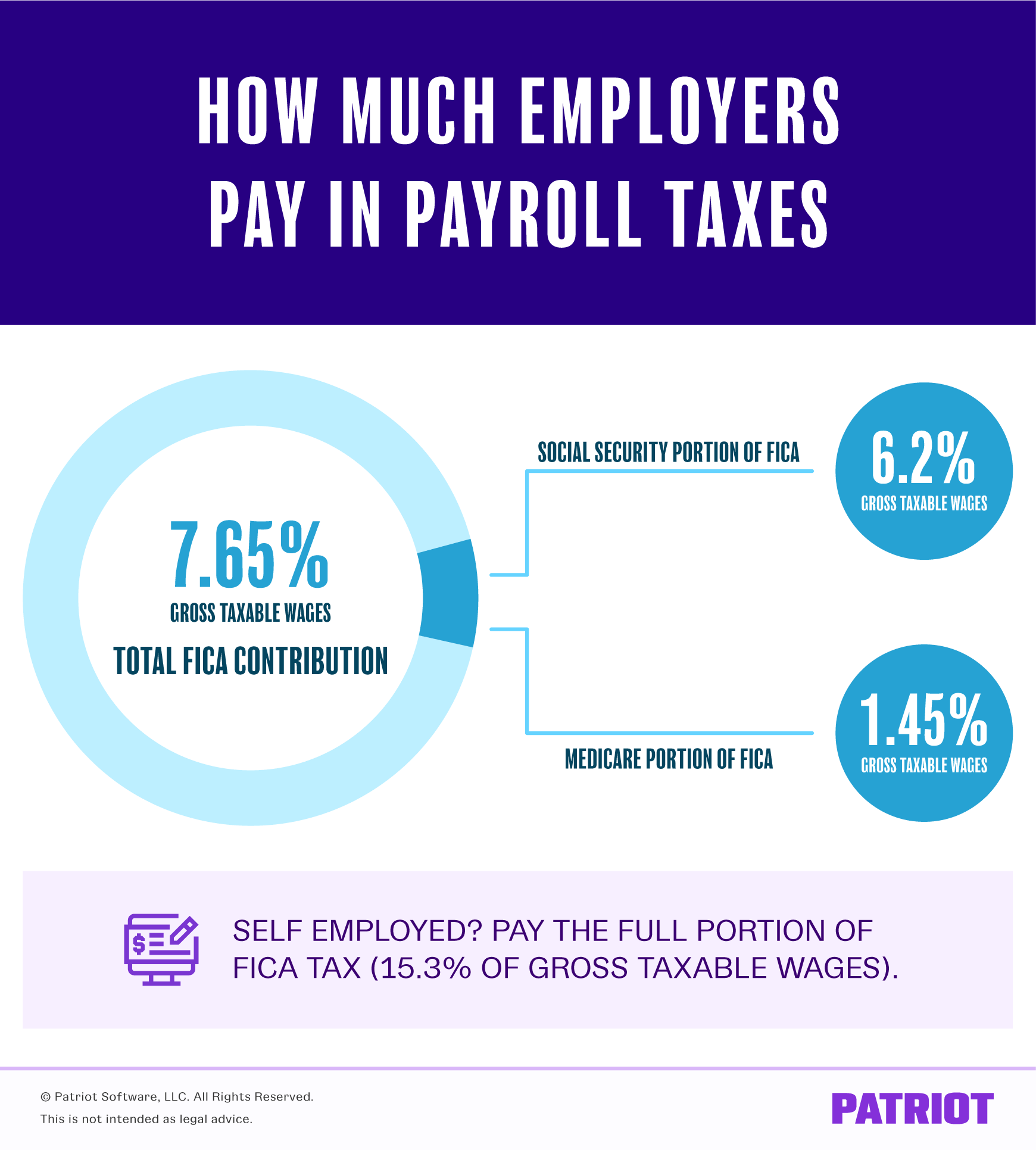
- Social Security Tax: For 2023, the Social Security tax rate is 6.2% for both the employer and the employee, up to an annual wage base limit. This limit changes each year; for 2023, it was $160,200. This means that once an employee’s earnings reach this threshold, Social Security tax is no longer withheld for the remainder of the year.
- Medicare Tax: The Medicare tax rate is 1.45% for both the employer and the employee, with no wage base limit. This means Medicare tax is applied to all earnings.
For employees earning above a certain threshold, an Additional Medicare Tax of 0.9% may apply. This additional tax is paid only by the employee and is levied on earnings over $200,000 for single filers and $250,000 for married couples filing jointly. Employers do not match this additional portion.
Federal Unemployment Tax Act (FUTA)
The Federal Unemployment Tax Act (FUTA) imposes a tax on employers to fund state unemployment agencies. The standard FUTA tax rate is 6.0% on the first $7,000 of wages paid to each employee per year. However, most employers receive a credit of up to 5.4% if they pay their state unemployment taxes on time. This effectively reduces the FUTA tax rate to 0.6% in most cases. The $7,000 wage base applies to FUTA, meaning once an employee earns $7,000 in a calendar year, no further FUTA tax is due for that employee by the employer.
California State Payroll Taxes
California, like other states, imposes its own set of payroll taxes, which can significantly add to the employer’s financial obligations.
State Unemployment Insurance (SUI)
California’s Employment Development Department (EDD) administers the State Unemployment Insurance (SUI) program. This program provides temporary income to workers who have lost their jobs through no fault of their own. The SUI tax rate for employers varies annually and is determined by the employer’s “reserve account” experience rating. This rating reflects the history of unemployment claims filed by former employees of the employer.
- New Employer Rate: New employers in California are assigned a standard “new employer rate” for their first few years of operation. For 2023, this rate was 3.4% on the first $7,000 of wages paid to each employee.
- Experience Rating: After the initial period, employers are assigned a rate based on their specific experience. This rate can range significantly. For 2023, the SUI tax rate for experienced employers ranged from 0.1% to 6.0% on the first $7,000 of wages per employee. The average rate for experienced employers in 2023 was approximately 2.9%.
California Personal Income Tax (PIT)
While not strictly an “employer” tax in the same vein as unemployment or disability, employers are mandated to withhold California Personal Income Tax (PIT) from their employees’ wages. The PIT system in California is progressive, meaning higher earners pay a larger percentage of their income in taxes. The tax rates and brackets are adjusted annually for inflation. Employers use withholding tables provided by the Franchise Tax Board (FTB) to accurately calculate the amount of PIT to withhold based on the employee’s W-4 form and pay stubs.
State Disability Insurance (SDI)
California’s State Disability Insurance (SDI) program provides partial wage replacement for workers who are unable to work due to non-work-related illness, injury, or maternity leave. The SDI program is funded by employee contributions.
- Employee Contribution: For 2023, the SDI tax rate was 0.9% of an employee’s wages, up to an annual wage limit. For 2023, this limit was $153,164. Therefore, the maximum SDI contribution per employee in 2023 was $1,378.48.
- Employer Responsibility: While the employee pays the SDI tax, employers are responsible for withholding these contributions from employee paychecks and remitting them to the EDD, typically along with SUI contributions.
Employment Training Tax (ETT)
The Employment Training Tax (ETT) is a state tax that funds job training programs in California. For 2023, the ETT rate was 0.1% on the first $7,000 of wages paid to each employee. This tax is paid by the employer and is separate from the employee contributions for SDI.
Calculating Your Total Payroll Tax Burden
To determine the total payroll tax for a specific employee, you must sum the applicable federal and state taxes. It’s crucial to remember that the rates and wage bases can change annually, so staying updated with the latest figures from the IRS, EDD, and FTB is essential.
Example Calculation (Illustrative for 2023)
Let’s consider an employee earning $50,000 annually in California, and assume the employer is a new employer with an SUI rate of 3.4%.
Employee Portion:
- Social Security Tax: $50,000 * 6.2% = $3,100
- Medicare Tax: $50,000 * 1.45% = $725
- SDI Tax: $50,000 * 0.9% = $450
Total Employee Withholdings: $3,100 + $725 + $450 = $4,275
Employer Portion:
- Social Security Tax: $50,000 * 6.2% = $3,100
- Medicare Tax: $50,000 * 1.45% = $725
- FUTA Tax: $7,000 * 0.6% (assuming full credit) = $42
- SUI Tax: $7,000 * 3.4% = $238
- ETT Tax: $7,000 * 0.1% = $7
Total Employer Taxes: $3,100 + $725 + $42 + $238 + $7 = $4,112
Total Payroll Tax Burden (Employee + Employer): $4,275 + $4,112 = $8,387
This simplified example illustrates the various components. For employees earning above the Social Security wage base or the SDI wage limit, the calculations would adjust accordingly. For instance, if the employee earned $200,000, the Social Security tax would be capped at the wage base limit multiplied by 6.2%, and the SDI tax would be capped at its respective wage limit multiplied by 0.9%.
Important Considerations for Employers
Beyond the basic calculation, several other factors influence payroll tax obligations in California.
Minimum Wage and its Impact
California has one of the highest minimum wages in the United States, which is subject to annual adjustments. As of January 1, 2024, the statewide minimum wage for all employers is $16.00 per hour. This increase directly impacts payroll taxes, as higher wages mean higher contributions for Social Security, Medicare, and state taxes, particularly for lower-paid employees. Employers must ensure their payroll systems are updated to reflect the current minimum wage to avoid underpayment and penalties.
Withholding and Reporting Requirements
Accurate withholding and timely reporting are paramount. Employers are responsible for:
- Obtaining Employee Information: Properly collecting and verifying employee Social Security numbers (SSNs) and W-4 information.
- Calculating Withholdings: Precisely calculating federal and state income tax, Social Security, Medicare, and SDI based on current rates and employee declarations.
- Remitting Taxes: Depositing withheld taxes with the appropriate federal and state agencies (IRS, EDD, FTB) on a regular schedule (e.g., monthly or semi-weekly, depending on the total tax liability).
- Filing Quarterly Reports: Submitting Forms 941 (Employer’s Quarterly Federal Tax Return) to the IRS and the quarterly contribution return (DE 9 and DE 9C) to the California EDD.
- Annual Reporting: Providing employees with Form W-2 (Wage and Tax Statement) by January 31st of the following year and filing Form W-2 with the Social Security Administration (SSA). Employers also need to file the annual Federal Unemployment Tax return (Form 940) and the California Annual Reconciliation Return (DE 7).
Penalties for Non-Compliance
Failure to comply with California’s payroll tax regulations can result in significant penalties and interest charges. These can include:
- Late payment penalties.
- Interest on underpaid taxes.
- Penalties for inaccurate reporting.
- Failure-to-file penalties.
In severe cases, particularly involving intentional evasion, employers could face audits, legal action, and even criminal charges.
Leveraging Technology and Professional Assistance
Given the intricate nature of payroll taxes, many businesses opt to utilize payroll software or outsource their payroll processing to third-party providers.
Payroll Software Solutions
Modern payroll software can automate many of the complex calculations, tax withholdings, and reporting requirements. These systems are typically updated regularly to reflect changes in tax laws and rates. Popular options include ADP, Gusto, and QuickBooks Payroll. Such software can significantly reduce the risk of errors and ensure timely compliance. For instance, Gusto is often praised for its user-friendly interface and comprehensive features tailored for small businesses, handling everything from direct deposit to tax form filing.
Professional Payroll Services
For businesses with more complex needs or those seeking to offload payroll entirely, professional payroll services offer a comprehensive solution. These services can handle all aspects of payroll administration, from employee onboarding and time tracking to tax filing and compliance. Companies like Paychex and TriNet provide robust payroll and HR solutions that can be invaluable for businesses operating in a jurisdiction as complex as California. Engaging with a certified public accountant (CPA) or a payroll tax specialist can also provide expert guidance and ensure that all legal obligations are met, offering peace of mind and allowing business owners to focus on their core operations.
Conclusion
Understanding and accurately calculating payroll taxes in California is a multifaceted undertaking. By breaking down the federal and state components—Social Security, Medicare, FUTA, SUI, PIT, SDI, and ETT—and staying abreast of annual rate adjustments and wage base limits, businesses can better manage their financial obligations. Diligent record-keeping, timely remittances, and accurate reporting are essential to avoid penalties and maintain a compliant and healthy business operation. Whether through sophisticated software or the expertise of payroll professionals, investing in robust payroll management is a strategic imperative for any employer in the Golden State.
LifeOutOfTheBox is a participant in the Amazon Services LLC Associates Program, an affiliate advertising program designed to provide a means for sites to earn advertising fees by advertising and linking to Amazon.com. Amazon, the Amazon logo, AmazonSupply, and the AmazonSupply logo are trademarks of Amazon.com, Inc. or its affiliates. As an Amazon Associate we earn affiliate commissions from qualifying purchases.