
The Florida Everglades, a UNESCO World Heritage site and a designated Biosphere Reserve, is a vast and unique subtropical wilderness. This sprawling wetland ecosystem, often referred to as the “River of Grass,” stretches across south Florida, encompassing a mosaic of sawgrass marshes, cypress swamps, mangrove forests, and pinelands. Its extraordinary biodiversity makes it a premier destination for nature enthusiasts and wildlife photographers. Understanding the diverse array of animals that call this remarkable landscape home is crucial for appreciating the ecological significance of the Everglades National Park and planning an enriching visit.
Iconic Mammals of the Everglades
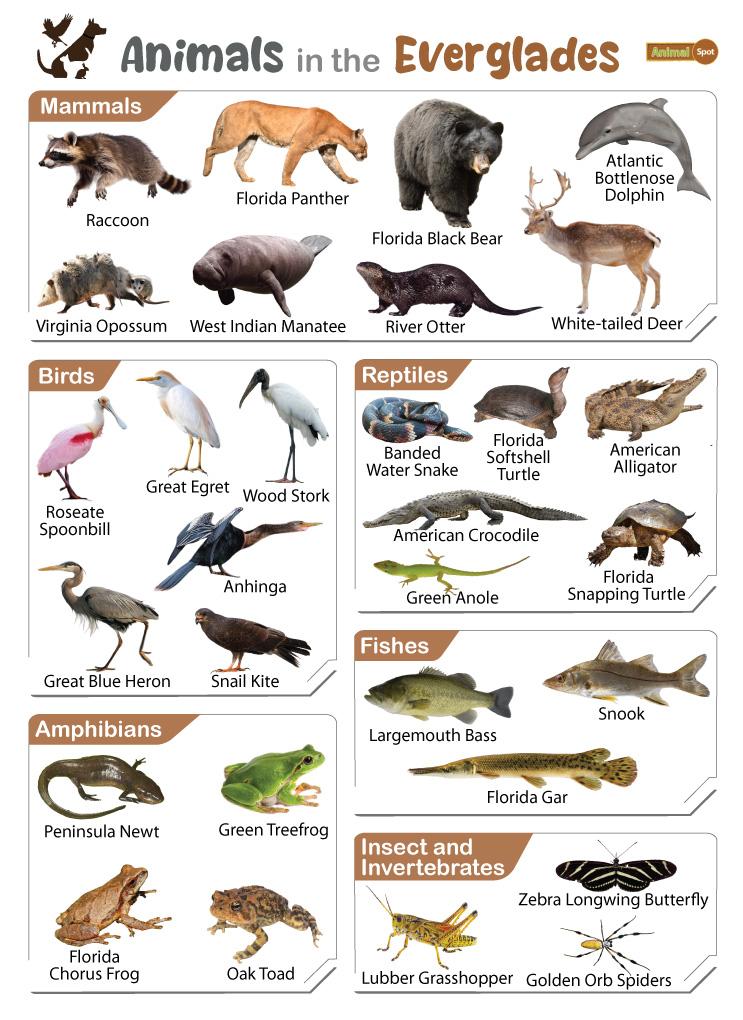
The Everglades teem with a fascinating array of mammals, some of which are iconic symbols of this wild frontier. From the apex predator to elusive herbivores, these creatures play vital roles in the delicate balance of the ecosystem.
The American Alligator and its Reptilian Neighbors
Perhaps the most recognizable inhabitant of the Everglades is the mighty American alligator. These ancient reptiles are abundant in the freshwater marshes and sloughs, often seen basking on sunny banks or cruising through the waterways. Their presence is a testament to the health of the ecosystem, as they are crucial for maintaining water levels and creating habitats for other species.
Beyond the alligator, the Everglades are home to other fascinating reptiles. The American crocodile, a rarer species, inhabits the brackish and saltwater areas of the southern part of the park, including Florida Bay. Various species of turtles, such as the diamondback terrapin and the Florida red-bellied turtle, are frequently spotted in the water. Snakes, including the non-venomous black racer and the venomous cottonmouth, also navigate the diverse habitats.
Elusive and Endemic Mammals
While not as readily visible as the alligators, several mammal species contribute to the rich tapestry of life in the Everglades. The Florida panther, a critically endangered subspecies of cougar, roams the western edge of the Everglades and adjacent habitats. Spotting one of these magnificent cats is an extremely rare occurrence, but their presence underscores the importance of preserving their shrinking territory.
Other notable mammals include the white-tailed deer, which are common in the higher, drier pinelands. The raccoon, a ubiquitous scavenger, is often seen near developed areas and campgrounds. In the more remote freshwater sloughs and marshes, the North American river otter can sometimes be observed playfully diving and swimming. Smaller mammals, such as various species of bats, marsh rabbits, and opossums, are also integral components of the Everglades ecosystem, though they are more often encountered by keen observers or during nocturnal wildlife tours.
A Haven for Avian Wonders
The Everglades are an ornithologist’s paradise, boasting an astounding diversity of bird species. Its varied habitats provide crucial breeding grounds, migratory stopovers, and wintering grounds for hundreds of thousands of birds annually.
Wading Birds: The Icons of the Sawgrass Marshes
The most iconic birds of the Everglades are undoubtedly the wading birds. Vast rookeries, where thousands of birds nest and raise their young, are a spectacular sight. The Great Egret, with its pristine white plumage, is a common and elegant resident. The Great Blue Heron, a larger, stately bird, is also a constant presence.
More colorful species add to the visual splendor. The Roseate Spoonbill, with its distinctive spoon-shaped bill and vibrant pink feathers, is a must-see for any visitor. The Wood Stork, a large white bird with black flight feathers and a bald head, is a key indicator species for wetland health. Other common waders include the Snowy Egret, Tricolored Heron, and various ibis species, such as the White Ibis and the Glossy Ibis. Observing these birds foraging in the shallow waters, their long legs and necks perfectly adapted to their environment, is a quintessential Everglades experience.
Birds of Prey and Other Avian Residents

Beyond the waders, the Everglades are home to a variety of birds of prey. The Osprey is frequently seen fishing in the coastal waters and larger lakes. The Bald Eagle, a symbol of national pride, can be spotted nesting in tall trees or soaring overhead. Various hawk species, including the Red-shouldered Hawk and the Northern Harrier, also inhabit the park.
The diverse habitats support a wide range of other birdlife. In the cypress swamps, you might find the Barred Owl and the Osprey. The mangrove forests are alive with the calls of Mangrove Warblers and Ospreys. The open prairies and sawgrass marshes are favored by ground-dwelling birds and raptors. Even the more developed areas around visitor centers and picnic spots offer opportunities to see common species like the Northern Cardinal, Blue Jay, and various woodpeckers. During migratory seasons, the Everglades can also host an impressive array of migratory songbirds and waterfowl.
Aquatic Life: A Hidden World Beneath the Surface
The waterways of the Everglades are just as rich in life as its terrestrial and avian inhabitants. Beneath the shimmering surface lies a complex aquatic ecosystem teeming with fish, invertebrates, and marine life in the coastal areas.
Freshwater Fish and Invertebrates
The freshwater marshes and sloughs are home to numerous fish species, many of which are crucial food sources for larger predators like alligators and wading birds. The largemouth bass is a popular sport fish found in many of the larger water bodies. Smaller fish, such as mosquitofish and various minnow species, are abundant and play a vital role in the food web.
Invertebrates are also essential to the Everglades aquatic life. Various species of crayfish burrow into the mud, providing food for many animals. Numerous insect larvae inhabit the water, developing into the flying insects that are a characteristic feature of the region. Snails and clams are also common, filtering the water and contributing to the ecosystem’s health.
Marine and Estuarine Species
As the freshwater of the Everglades gradually merges with the saltwater of the ocean, the ecosystem transitions to brackish and marine environments. Here, a different array of species thrives. Redfish, trout, and snook are common game fish found in these estuarine areas, attracting anglers from around the globe.
The coastal waters and mangrove fringes are also important habitats for manatees, gentle giants that often visit the warmer waters to feed on seagrass. Dolphins are frequently seen in Florida Bay and the coastal waters, playing and hunting. Various species of sharks, including bull sharks and blacktip sharks, also inhabit these marine environments. The intertidal zones, with their complex root systems of mangroves, provide nursery grounds for countless juvenile fish and crustaceans, including shrimp and crabs.
Planning Your Wildlife Encounters
Visiting the Everglades National Park to witness its incredible wildlife requires a bit of planning and an appreciation for the natural world. The best times for wildlife viewing are typically during the dry season, from November to April, when water levels are lower, concentrating animals in fewer water bodies and making them easier to spot.
Best Viewing Locations and Activities
Several areas within the park offer exceptional opportunities for wildlife encounters. The Anhinga Trail at the Royal Palm area is renowned for its high density of wading birds and alligators, often in very close proximity to the boardwalk. The Eco Pond near Flamingo provides excellent birdwatching opportunities, especially during dawn and dusk. For those interested in exploring by water, airboat tours (available outside the national park boundaries but often accessible from nearby gateways like the Everglades Holiday Park) offer a thrilling way to cover vast areas and spot wildlife from a different perspective. Kayaking and canoeing through the mangrove tunnels or along the sloughs provide a more intimate and quiet way to observe the natural world.

Ethical Wildlife Viewing
Responsible wildlife viewing is paramount in the Everglades. It is crucial to maintain a safe distance from all animals, especially alligators and crocodiles. Never feed the wildlife, as this can lead to unnatural behaviors and dependence. Staying on designated trails and boardwalks helps protect the fragile ecosystem. By adhering to these guidelines, visitors can ensure a memorable and respectful experience, contributing to the conservation of this irreplaceable natural treasure for generations to come.
LifeOutOfTheBox is a participant in the Amazon Services LLC Associates Program, an affiliate advertising program designed to provide a means for sites to earn advertising fees by advertising and linking to Amazon.com. Amazon, the Amazon logo, AmazonSupply, and the AmazonSupply logo are trademarks of Amazon.com, Inc. or its affiliates. As an Amazon Associate we earn affiliate commissions from qualifying purchases.