
California, the Golden State, beckons with its sun-drenched beaches, towering redwoods, vibrant cities, and iconic landmarks. From the bustling streets of Los Angeles to the fog-kissed vistas of San Francisco, and the serene beauty of its national parks, it offers a kaleidoscope of experiences for every traveler. However, as you plan your dream road trip through this diverse landscape, one question often looms large: how much will petrol cost? The answer, unfortunately, is often “more than you think.” California consistently ranks among the states with the highest fuel prices in the United States, a factor that can significantly impact a traveler’s budget. This comprehensive guide will delve into the intricacies of fuel costs in California, helping you understand why prices are high, how to budget effectively, and smart strategies to mitigate these expenses, ensuring your adventure remains unforgettable.

Navigating California’s Unique Fuel Landscape
Understanding the factors that contribute to California’s elevated fuel prices is the first step in preparing for your trip. It’s not just a matter of supply and demand; a complex web of regulations, taxes, and unique market conditions plays a significant role.
Understanding the Golden State’s Premium at the Pump
The primary drivers behind California’s high petrol prices can be broken down into several key categories:
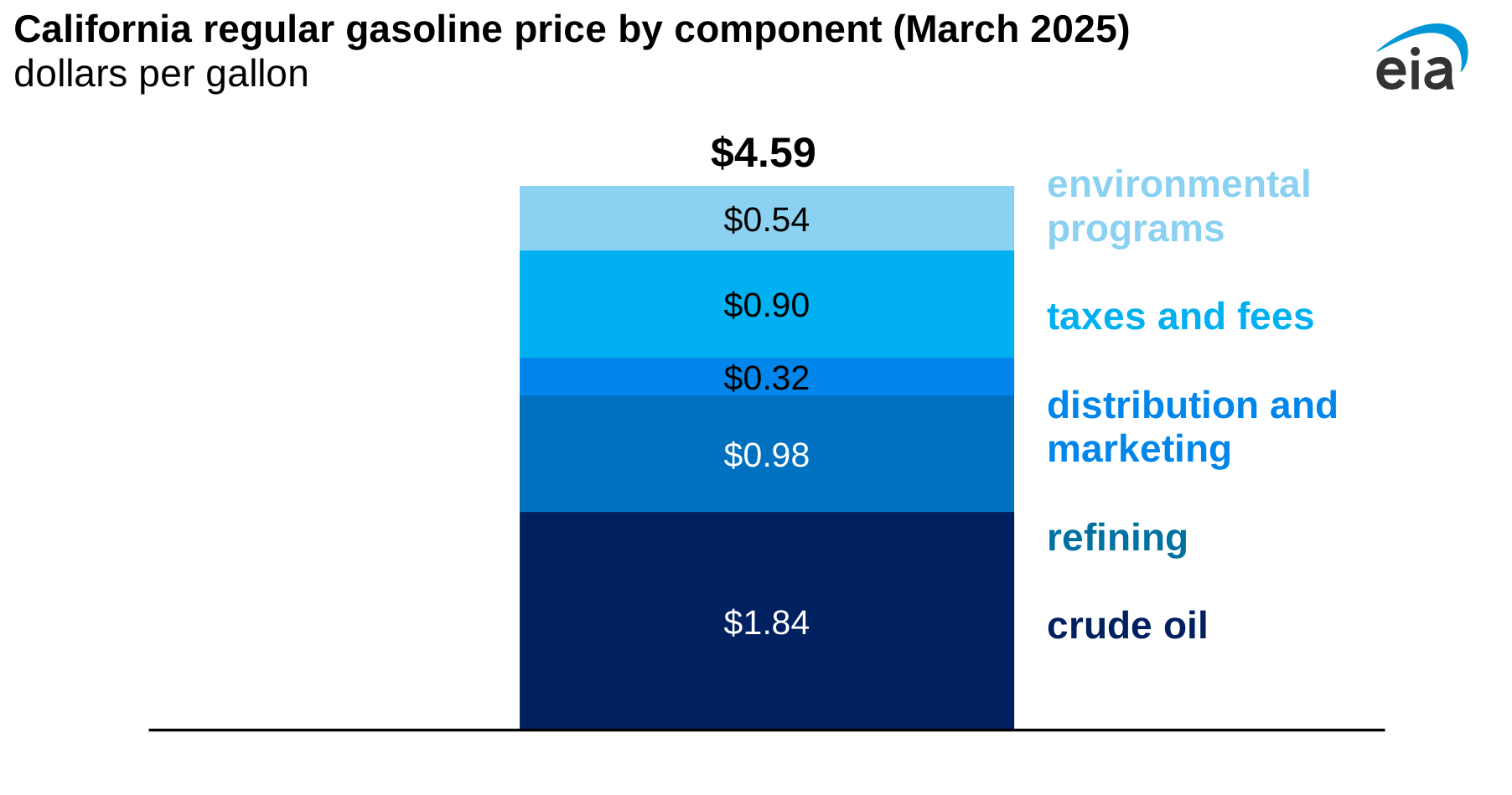
- Taxes: California levies some of the highest state fuel taxes in the nation, including excise taxes, sales taxes, and a carbon tax (often referred to as Cap-and-Trade fees). These taxes fund infrastructure projects and environmental initiatives, but they also add a substantial amount to every gallon purchased.
- Environmental Regulations (CARB): The California Air Resources Board (CARB) mandates a specific blend of petrol that burns cleaner than the federal standard. This unique formulation, designed to combat air pollution in urban areas, is more expensive to produce and refine. Refineries must invest in specialized equipment to meet these strict requirements, and the supply chain for this specific blend is more limited.
- Refining Capacity and Location: Most of California’s fuel comes from a limited number of refineries within the state. When one of these facilities experiences an outage or maintenance issue, supply can tighten rapidly, leading to price spikes. Furthermore, the logistical challenges of transporting fuel over vast distances, especially to remote tourist destinations, can also add to the cost.
- Market Dynamics: California is an isolated fuel market, meaning it cannot easily import petrol from other states if local supply falters. This lack of flexibility makes the market more susceptible to price volatility based on local supply disruptions, global crude oil prices, and even seasonal demand.
These combined factors mean that while national average prices might fluctuate, California almost always sits at the higher end of the spectrum.
The Fluctuating Reality: What to Expect
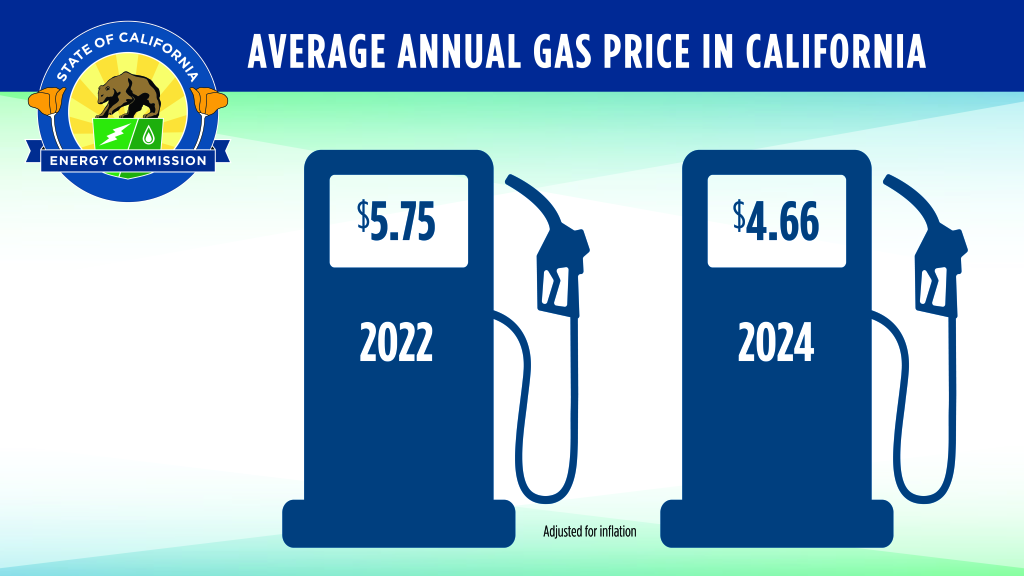
While it’s challenging to provide an exact, real-time figure, travelers should generally expect to pay anywhere from $4.50 to $7.00 per gallon for regular unleaded petrol, depending on the time of year, global oil prices, and the specific location within the state. During peak travel seasons, or after significant supply disruptions, prices can surge even higher.
Prices also vary significantly by region:
- Major Metropolitan Areas: Cities like Los Angeles, San Francisco, San Diego, and their surrounding suburbs typically see the highest prices due to higher demand, local taxes, and the cost of living.
- Coastal Regions: Popular tourist destinations along the Pacific Coast Highway like Big Sur or Santa Barbara often have elevated prices due to their remote nature and reliance on tourist traffic.
- Inland Areas: While generally lower than coastal or major city prices, inland regions, particularly in the Central Valley, can still be higher than national averages. Prices tend to rise as you approach popular national parks like Yosemite National Park or Death Valley National Park, where competition is limited.
- Premium Fuel: If your rental car or personal vehicle requires premium fuel, expect to pay an additional $0.50 to $1.00 per gallon above regular unleaded prices. Always check your vehicle’s fuel requirements before filling up.
Staying informed about current average prices via online resources or apps (which we’ll discuss later) will be crucial for effective budgeting.
Budgeting for Your California Road Trip Adventure
Forewarned is forearmed. Integrating fuel costs into your overall travel budget from the outset will prevent unwelcome surprises and allow you to allocate funds more effectively to other aspects of your trip, such as accommodation, attractions, and dining.
Integrating Fuel Costs into Your Travel Plan
Effective budgeting starts with a realistic assessment of your itinerary and expected mileage.
- Estimate Your Mileage: Map out your planned route, calculating approximate distances between major destinations like Anaheim (Disneyland), Hollywood, Napa Valley, or Lake Tahoe. Don’t forget to account for daily excursions from your hotel.
- Calculate Fuel Consumption: Determine your vehicle’s average miles per gallon (MPG). Rental cars often provide this information. Divide your total estimated mileage by your MPG to get the total number of gallons needed.
- Factor in Price Fluctuations: Use the higher end of the expected price range (e.g., $6.00-$7.00 per gallon) for your budget calculations to create a buffer. It’s better to overestimate slightly than to run short.
- Contingency Fund: Always include a contingency fund in your overall travel budget for unexpected expenses, including sudden spikes in fuel prices or detours.
For example, a trip covering 1,000 miles in a car averaging 25 MPG would require 40 gallons of petrol. At an average of $5.50 per gallon, that’s $220. If prices rise to $6.50, it’s $260. Over a multi-day trip with extensive driving, these costs accumulate quickly.
Smart Strategies for Savings on the Road
While California petrol prices can be daunting, several strategies can help you minimize their impact on your travel budget:
- Utilize Gas Price Apps: Tools like GasBuddy (a popular mobile app) are invaluable. They allow you to locate the cheapest petrol stations in your immediate vicinity or along your route, often saving you significant amounts over the course of your trip.
- Join Loyalty Programs: Many major gas station chains, such as Shell, Chevron, ExxonMobil, and grocery store chains, offer loyalty programs that provide discounts per gallon. Consider signing up for one or two before your trip. Big-box retailers like Costco and Sam’s Club also often have some of the lowest prices, though they usually require membership.
- Fill Up Strategically: Avoid filling up right off major highway exits or in highly tourist-centric areas like San Francisco’s Fisherman’s Wharf or near theme parks like Universal Studios Hollywood or Knott’s Berry Farm. Drive a few miles into residential or less commercial areas to find better prices.
- Optimize Driving Habits: Smooth acceleration and braking, maintaining a steady speed, and avoiding excessive idling can significantly improve your vehicle’s fuel efficiency. Using cruise control on highways can also help.
- Vehicle Choice: If renting a car, consider fuel-efficient models. While larger SUVs might offer more space, their lower MPG will cost you more at the pump. Hybrid or electric vehicle rentals are also increasingly available, though charging infrastructure should be planned for EVs.
- Rental Car Fuel Policies: Be aware of your rental car company’s fuel policy. Often, the cheapest option is to return the car with a full tank yourself, rather than paying for their prepaid fuel option or facing exorbitant refueling charges.
Beyond the Pump: Alternative Travel and Accommodation Choices
While driving is synonymous with a California road trip, it’s not always the only or most economical option. Smart travelers integrate various modes of transport and choose accommodations that align with their mobility needs and budget.
Embracing Eco-Friendly and Cost-Effective Transportation
Reducing your reliance on a private vehicle, especially in densely populated areas, can save you money on both fuel and parking.
- Public Transportation in Cities: Major metropolitan areas like Los Angeles and San Francisco boast extensive public transportation networks. San Francisco’s BART (Bay Area Rapid Transit) and Muni system, or Los Angeles’ METRO rail and bus system, can be efficient for getting around urban attractions like the Santa Monica Pier or the Golden Gate Bridge. Consider purchasing a multi-day pass for convenience and savings.
- Ride-Sharing Services: Uber and Lyft are widely available across California’s cities and can be a cost-effective alternative for short distances or when traveling in a group, especially if parking is expensive or scarce.
- Biking and Walking: For exploring specific neighborhoods or attractions, walking or renting bicycles can be an enjoyable and free (or low-cost) way to get around. Many cities offer bike-sharing programs.
- Electric Vehicles (EVs): California leads the nation in EV adoption and charging infrastructure. If you’re considering renting an EV, you’ll find numerous charging stations, often cheaper than petrol, especially if you can charge overnight at your hotel. Planning your route around charging stops is essential for a seamless EV experience.
Accommodation Choices and Their Impact on Driving
Your choice of accommodation can indirectly influence your fuel costs.
- Stay in Walkable Areas: Opt for hotels or vacation rentals in vibrant, walkable neighborhoods where attractions, restaurants, and shops are within easy reach. This minimizes the need for daily driving. For instance, staying in downtown Pasadena allows you to explore many spots on foot.
- Proximity to Public Transit: When booking accommodation, check its proximity to public transit stops. A hotel near a BART station in the San Francisco Bay Area or a METRO line in Los Angeles can be a strategic choice.
- Hotels with Shuttles or Free Parking: Some hotels, particularly near airports or major attractions, offer complimentary shuttle services. Always inquire about parking fees as these can add significantly to your daily expenses, especially in cities like San Francisco or Beverly Hills, making a car less appealing for urban exploration.
- Long-Term Stays: For those planning extended stays or digital nomad experiences, consider locations where daily errands and local exploration don’t require constant driving. This aligns with budget-friendly accommodation choices that prioritize local immersion over constant mobility.
Maximizing Your California Experience Despite Fuel Costs
Despite the higher cost of petrol, the undeniable allure and vast array of experiences California offers make it a destination well worth the investment. With careful planning, you can still enjoy an incredible journey without breaking the bank on fuel.
The Unbeatable Value of California’s Attractions
The diversity of California’s destinations and attractions offers immense value, often making the additional fuel cost a minor consideration in the grand scheme of an unforgettable trip.
- Nature’s Masterpieces: From the giant sequoias of Muir Woods National Monument to the dramatic deserts of Joshua Tree National Park, California boasts some of the most stunning natural beauty on earth, many of which require driving to access. The awe-inspiring vistas of Yosemite National Park or the serene waters of Lake Tahoe are priceless experiences.
- Cultural Hubs: Cities like San Francisco, Los Angeles, and San Diego are cultural epicenters, offering world-class museums, vibrant arts scenes, and diverse culinary experiences. Explore the Monterey Bay Aquarium, stroll through Silicon Valley’s tech giants, or visit the iconic Hollywood Sign.
- Theme Parks and Entertainment: For families, Disneyland in Anaheim and Universal Studios Hollywood provide unparalleled entertainment, creating memories that far outweigh the cost of getting there.
- Relaxation and Luxury: Destinations like Napa Valley for wine tasting or Palm Springs for desert resorts offer luxurious getaways and unique lifestyle experiences.
These diverse offerings justify the journey, making the fuel costs a necessary part of accessing these incredible opportunities.
Planning for a Seamless and Enjoyable Journey
Ultimately, a truly enjoyable California adventure comes down to thorough planning and a flexible mindset.
- Embrace the Journey: See the higher fuel prices not as a deterrent, but as a small investment in accessing one of the world’s most incredible travel destinations. The scenic drives along the Pacific Coast Highway are an experience in themselves.
- Leverage Travel Guides: Utilize travel guides and blogs (like lifeoutofthebox.com) for detailed itineraries, tips on local attractions, and advice on optimizing your travel budget for destinations, hotels, and tourism activities.
- Focus on Experiences: Prioritize the unique experiences that California offers, whether it’s a luxury resort stay, a budget-friendly camping trip, or a family-focused adventure. Fuel is merely a means to an end.
- Stay Informed: Keep an eye on current events and market conditions. Global oil prices, local refinery issues, or legislative changes can all impact petrol prices, so staying informed helps you anticipate and adapt.
In conclusion, while petrol in California is indeed more expensive than in most other parts of the United States, this reality should not deter you from exploring this magnificent state. By understanding the reasons behind the prices, diligently budgeting, and employing smart strategies to save on fuel and transportation, you can embark on an incredible journey. From the bustling energy of its cities to the serene beauty of its natural wonders, California promises a travel experience that is truly unparalleled, making every gallon of petrol a worthwhile investment in a lifetime of memories.