
Understanding the rental landscape in Arizona is crucial for anyone considering a move to the Grand Canyon State, whether for work, study, or retirement. Arizona offers a diverse range of environments, from bustling metropolises to serene desert towns and cooler mountain communities, each with its unique charm and, consequently, its distinct rental market dynamics. Rent prices can fluctuate significantly based on location, property type, amenities, and current market demand, making a precise average challenging to pinpoint without deeper analysis. However, by dissecting the various factors at play and examining key regions, prospective renters can gain a comprehensive understanding of what to expect when budgeting for accommodation in Arizona.

Understanding Arizona’s Diverse Rental Market
The rental market in Arizona is a complex ecosystem influenced by a confluence of economic, demographic, and geographical factors. Its appeal as a destination for both permanent residents and seasonal snowbirds fuels a continuous demand for various types of accommodation.
Key Factors Influencing Rent Prices
Several core elements contribute to the variability of rental costs across Arizona:
- Location: As with real estate everywhere, location is paramount. Rents are significantly higher in popular urban centers, amenity-rich suburbs, and areas with strong job markets or desirable school districts. Conversely, more rural or less developed areas often present more affordable options.
- Property Type and Size: A studio apartment will naturally cost less than a multi-bedroom single-family home. The age of the property, its condition, and the range of amenities (e.g., in-unit laundry, gym access, pool, covered parking) also play a substantial role in determining the price point.
- Economic Growth and Job Market: Regions experiencing robust economic growth and job creation tend to see upward pressure on rental prices due to increased demand from new residents. Arizona’s tech, healthcare, and tourism sectors have historically driven such growth in various areas.
- Population Influx: Arizona is one of the fastest-growing states in the U.S., attracting residents from other states seeking warmer climates and more affordable living costs (though the latter is becoming less true in prime areas). This sustained population growth directly fuels rental demand.
- Seasonality: While some states see seasonal spikes in tourism, Arizona’s seasonal variations in rent are largely driven by “snowbirds” – retirees and others who flock to the state during the cooler winter months (roughly October to April) to escape colder climates elsewhere. This influx dramatically increases demand for short-term and medium-term rentals, driving up prices in popular winter destinations like Phoenix and Tucson and their surrounding communities.
- Vacancy Rates: Low vacancy rates indicate high demand and limited supply, giving landlords more leverage to increase prices. High vacancy rates, conversely, can lead to more competitive pricing.
Regional Variances Across the State
Arizona’s geography and urban development create distinct rental markets. The vast Phoenix metropolitan area dominates, but Tucson offers a different vibe and price point, while the northern parts of the state have their own unique characteristics.
A Closer Look at Major Metropolitan Areas
To provide a more granular understanding, it’s essential to examine the rental dynamics within Arizona’s primary population centers.
Phoenix Metropolitan Area
The Phoenix metropolitan area, also known as the Valley of the Sun, is the largest and most populous region in Arizona. It encompasses a sprawling collection of cities, each with its own rental market nuances.
- Phoenix Proper: As the state capital, Phoenix offers a broad spectrum of rental prices. Downtown Phoenix has seen significant development, with new high-rise apartments catering to urban professionals, often commanding premium rents. For a one-bedroom apartment, renters might expect to pay anywhere from $1,400 to $2,000+, depending on the neighborhood and amenities. Family homes in established neighborhoods can range from $2,200 to $3,500+.
- Scottsdale: Known for its upscale lifestyle, vibrant nightlife, and luxury resorts, Scottsdale consistently has some of the highest rental prices in the state. One-bedroom apartments in desirable areas often start around $1,800 and can easily exceed $2,800. Luxury apartments and single-family homes can command rents upwards of $3,500 to $6,000+ per month.
- Tempe: Home to Arizona State University, Tempe has a significant student population, which influences its rental market. While student housing (often by the room) is prevalent, traditional one-bedroom apartments typically range from $1,500 to $2,200. The demand for housing near the university and vibrant Mill Avenue keeps prices relatively high.
- Mesa and Chandler: These East Valley cities offer a blend of suburban living with growing tech sectors and family-friendly amenities. Rents here tend to be slightly more affordable than in Scottsdale or central Phoenix. A one-bedroom apartment in Mesa or Chandler might cost between $1,300 and $1,900. Larger homes, popular with families, can range from $2,000 to $3,200+.
- Glendale and Peoria: Located in the West Valley, these cities often present more budget-friendly options while still offering access to amenities and employment opportunities. One-bedroom apartments typically fall within the $1,250 to $1,800 range, with single-family homes from $1,900 to $3,000+.
Tucson and Southern Arizona
Tucson, the state’s second-largest city, offers a distinct culture and a generally more relaxed pace than Phoenix. It’s also home to the University of Arizona, influencing local rental trends.
- Tucson: Rent in Tucson is typically more affordable than in the Phoenix metro area. A one-bedroom apartment often ranges from $1,000 to $1,600, with prices varying based on proximity to the university, downtown, or desirable suburban neighborhoods. Single-family homes can be found from $1,700 to $2,800+, offering good value compared to the Valley.
- Surrounding Areas: Towns like Oro Valley and Marana offer newer developments and generally higher rents than central Tucson, reflecting their suburban appeal and amenities.
Northern Arizona
The cooler climates and picturesque landscapes of Northern Arizona attract a different demographic, and its rental market reflects this unique appeal.
- Flagstaff: Situated at a higher elevation, Flagstaff experiences all four seasons and is a gateway to the Grand Canyon. Its appeal, combined with a limited housing supply and the presence of Northern Arizona University, makes it one of the more expensive places to rent outside of the Phoenix area. One-bedroom apartments commonly range from $1,400 to $2,000+, and single-family homes are scarce and expensive, often starting from $2,500+.
- Prescott: Known for its historic downtown and mild climate, Prescott is popular with retirees and those seeking a quieter mountain lifestyle. Rental prices are moderate to high, with one-bedroom apartments typically costing between $1,200 and $1,800. Houses can be found from $2,000 to $3,500+, varying significantly with size and location.
Types of Rental Accommodation and Their Costs
The type of accommodation chosen plays a significant role in monthly expenditure. Arizona offers a variety of housing styles to suit different needs and budgets.
Apartments and Condominiums
Apartments are the most common rental type, ranging from studios to three-bedroom units. They are prevalent in urban centers and suburban developments.
- Studio/1-Bedroom: These are generally the most affordable options, ideal for single occupants or couples. Prices can range widely, from under $1,000 in more rural areas to over $2,800 in high-demand luxury markets like Scottsdale.
- 2-Bedroom: Popular with small families, roommates, or individuals needing extra space, these typically range from $1,400 to $3,000+, depending heavily on location and amenities.
- 3-Bedroom+: Less common in traditional apartment complexes but available, these can range from $1,800 to well over $4,000.
Condominiums, often managed by HOAs, may offer similar layouts to apartments but sometimes come with higher-end finishes or more extensive community amenities, reflected in their rental price.
Single-Family Homes
Renting a single-family home offers more space, privacy, and often a yard, making them popular among families or those with pets.
- Smaller Homes (2-3 Bedrooms): These can typically be found from $1,800 to $3,500+, with significant variations based on the specific city, neighborhood, and home condition.
- Larger Homes (4+ Bedrooms): Expect to pay $2,500 to $6,000+ for larger or more luxurious homes, particularly in desirable suburban communities in the Phoenix metro area or high-end neighborhoods.
Short-Term vs. Long-Term Stays
While the focus here is on long-term rental costs, it’s worth noting the distinction. Short-term rentals (e.g., month-to-month or seasonal leases, often furnished) are generally more expensive on a per-month basis due to their flexibility and the costs associated with furnishing and higher turnover. In popular snowbird destinations like Mesa, Sun City, or parts of Tucson, winter rates for furnished short-term rentals can easily be double or triple the long-term unfurnished rate.
Navigating the Rental Search in Arizona
Finding the right accommodation in Arizona requires careful planning and an understanding of the market.
Essential Tips for Renters
- Start Early: Especially if moving during peak seasons (fall and winter for most of Arizona), begin your search well in advance.
- Define Your Priorities: Decide what’s most important to you – proximity to work/school, amenities, neighborhood vibe, or budget. This will help narrow your search.
- Factor in Commute Times: Arizona cities, especially Phoenix, are sprawling. A seemingly affordable rent far from your workplace could negate savings with increased commuting costs and time.
- Be Prepared: Have your documents ready (ID, proof of income, rental history, references) as desirable properties can be rented quickly.
- Consider a Relocation Specialist: For those moving from out of state, a local agent specializing in rentals can be invaluable for navigating the market and finding properties that meet specific criteria.
Budgeting for Rental Costs Beyond Base Rent
Base rent is just one component of your monthly housing expenses. Don’t forget to budget for:
- Utilities: Electricity (especially high in summer for air conditioning), water, sewer, trash, natural gas (less common in Phoenix, more so in cooler northern areas), internet, and cable.
- Deposits and Fees: Most landlords require a security deposit (typically equal to 1-1.5 months’ rent), and some may charge application fees, pet deposits, or administrative fees.
- Renter’s Insurance: Highly recommended and sometimes mandatory, renter’s insurance protects your belongings from fire, theft, and other damages.
- HOA Fees (for some condos/townhomes): While typically paid by the owner, some rental agreements may pass certain HOA-related charges to the tenant, especially for specific amenities.
Future Outlook and Market Trends
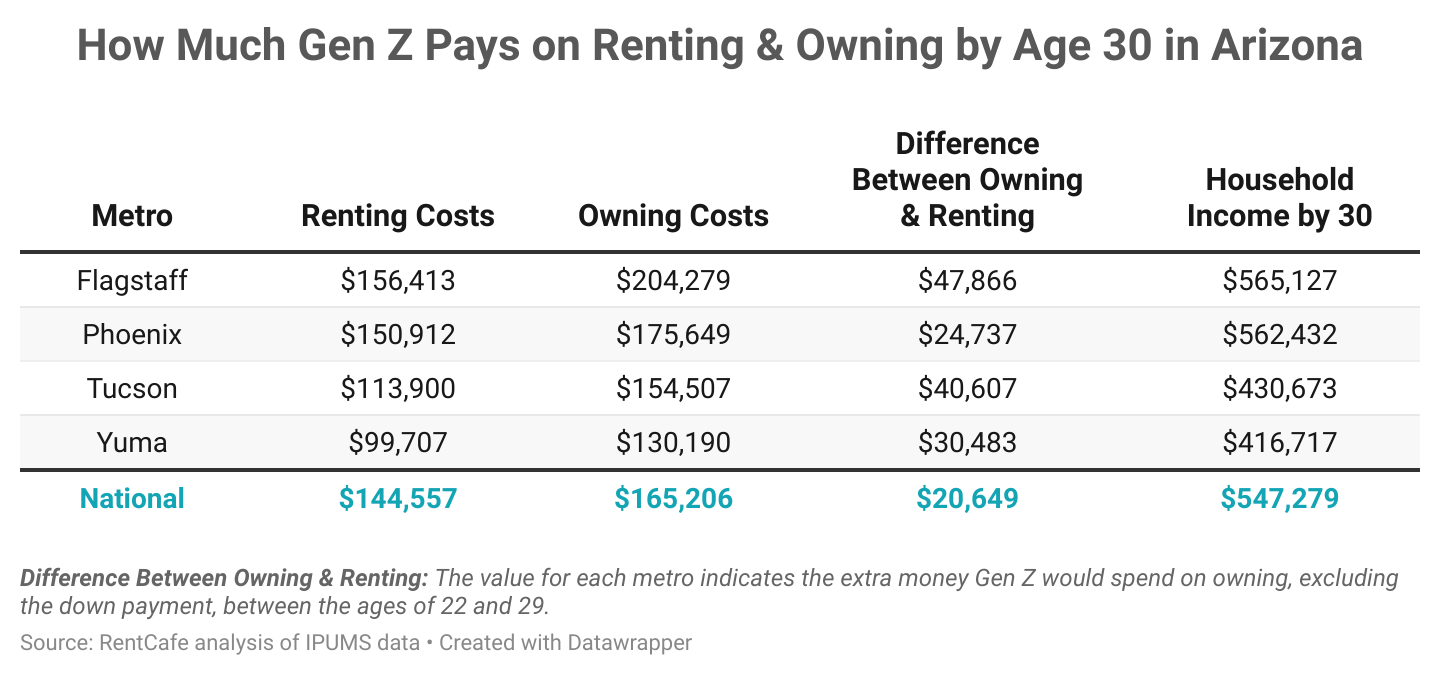
The rental market in Arizona remains dynamic. While there have been periods of rapid escalation, recent trends suggest a slight cooling or stabilization in some areas, though demand continues to outstrip supply in many desirable locations. The influx of new residents, coupled with continued economic development, suggests that while extreme spikes may temper, rental prices are likely to remain elevated compared to historical averages. Developers are continually building new apartment complexes, particularly in the Phoenix and Tucson areas, which may help alleviate some pressure on pricing in the long term. However, the overall long-term trajectory for rent in Arizona points towards sustained demand and competitive pricing, making informed decision-making all the more important for prospective renters.
LifeOutOfTheBox is a participant in the Amazon Services LLC Associates Program, an affiliate advertising program designed to provide a means for sites to earn advertising fees by advertising and linking to Amazon.com. Amazon, the Amazon logo, AmazonSupply, and the AmazonSupply logo are trademarks of Amazon.com, Inc. or its affiliates. As an Amazon Associate we earn affiliate commissions from qualifying purchases.