
For professionals considering a relocation to the vibrant business hubs of New York, understanding the fiscal landscape is as essential as selecting the right neighborhood. The allure of living in the global capital of finance, media, and technology often comes with a complex tax structure. Because New York imposes taxes at the state, city, and federal levels, the “take-home pay” calculation requires a nuanced approach for those planning to integrate into the local Lifestyle of this metropolis.
Navigating the Three-Tier Tax Structure
Unlike many other regions in the United States, residents of the five boroughs must navigate a tripartite tax system. Your total salary tax is not a single flat percentage, but rather a cumulative burden composed of federal, state, and local levies.
Federal Income Tax Obligations
Regardless of where you reside in the United States, federal income tax remains the largest portion of your payroll deduction. These rates are progressive, meaning as your earnings rise, the percentage taken by the Internal Revenue Service increases. For high-earners drawn to the executive roles in Manhattan, the top federal bracket can represent a significant portion of annual income.
New York State Income Tax
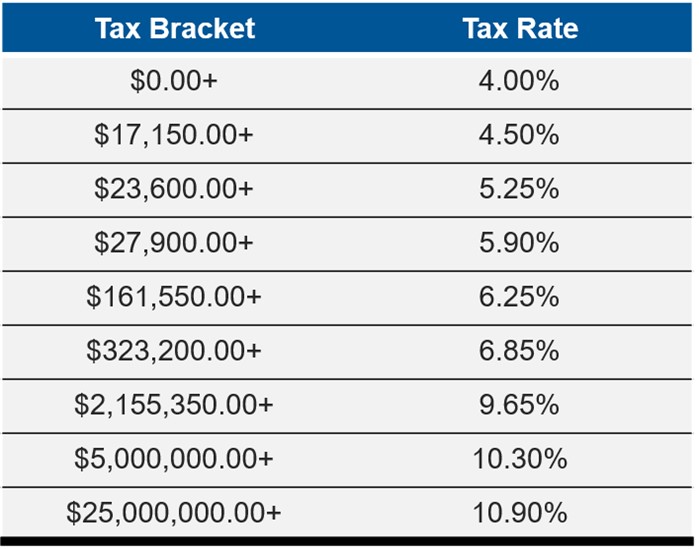
New York State maintains its own progressive income tax system. The rates are structured to scale with your income, effectively taxing higher brackets at a steeper rate than lower ones. When evaluating job offers, it is vital to account for the New York State tax brackets, which are adjusted periodically by the state legislature. This state-level tax is applied to your taxable income after federal deductions and adjustments have been accounted for.
New York City Personal Income Tax
Perhaps the most unique aspect of the local tax landscape is the New York City personal income tax. Unlike residents of Brooklyn, Queens, or Staten Island who might assume taxes are uniform across the board, individuals living within the five boroughs are subject to an additional municipal income tax. This local levy is paid in addition to federal and state taxes, reflecting the cost of sustaining the extensive infrastructure and public services of the nation’s largest city.
Understanding Progressive Taxation and Effective Rates
One of the most common mistakes newcomers make when moving to New York is confusing marginal tax rates with effective tax rates. Understanding the difference is crucial for effective personal financial planning.
The Marginal vs. Effective Distinction
Your marginal tax rate is the percentage taken from your “last” dollar earned—the bracket into which your highest level of income falls. However, your effective tax rate is the actual percentage of your total income that goes to the government after all the progressive brackets are blended together. In a high-tax environment like New York City, your effective rate will almost always be lower than your highest marginal rate.

Why Gross Salary Can Be Deceptive
When negotiating a salary in the Big Apple, it is imperative to calculate the “net” rather than the “gross.” Because of the high cost of living—encompassing everything from Luxury real estate rentals to premium lifestyle expenses—a six-figure salary can feel surprisingly modest once the combined federal, state, and city taxes are deducted. Professionals often find that they need to factor in these deductions before committing to long-term leases or high-end lifestyle choices in districts like Tribeca or SoHo.
Payroll Deductions Beyond Income Tax
In addition to income taxes, your paycheck will reflect several other mandatory deductions that are essential for long-term security. These are often grouped under FICA—the Federal Insurance Contributions Act.
Social Security and Medicare
These payroll taxes are mandatory for all employees in the United States. Social Security taxes fund the retirement system, while Medicare taxes contribute to healthcare for the elderly. For most W-2 employees, these are withheld automatically by the employer. It is important to note that these contributions are a fixed percentage of your gross income, regardless of the high cost of living in New York.
State Disability and Paid Family Leave
New York State also mandates contributions toward disability insurance and paid family leave programs. While these amounts are generally smaller than income taxes, they are deducted from each paycheck. Being aware of these deductions allows for a more accurate projection of your monthly disposable income.
Financial Planning for a New York Lifestyle
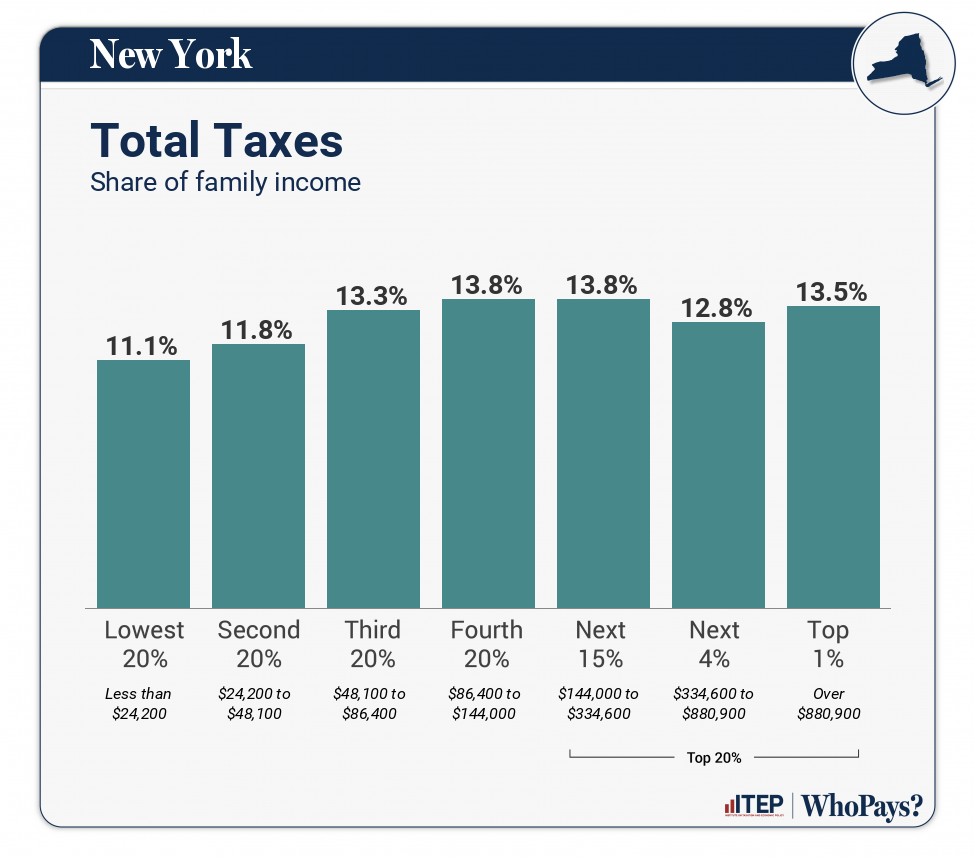
Living in a global hub requires a strategic approach to personal finance. The tax burden is merely one component of your overall budget, which must also account for local costs.
Impact of Deductions and Credits
Strategic financial planning can help mitigate some of the tax impact. Contributions to 401(k) plans or 403(b) retirement accounts, for instance, are generally made pre-tax. By maximizing these contributions, professionals can lower their taxable income, which in turn reduces the total income tax burden at the federal, state, and city levels. Understanding which deductions are available for New York residents is a critical step in preserving wealth.
Balancing Expenses and Taxes
The Lifestyle of New York is undeniably alluring, but it demands fiscal discipline. From the dining scenes in the West Village to the cultural offerings near Central Park, the city offers an unparalleled experience. However, when your take-home pay is reduced by municipal and state taxes, the remaining budget must be carefully managed. High earners frequently utilize tax-advantaged accounts and consult with financial advisors to ensure that their standard of living matches their professional standing.
Long-Term Considerations
As your career progresses, your tax situation in New York may change. Salary increases, bonuses, and changes in family status can trigger higher tax brackets or grant eligibility for new credits. Being proactive in your financial assessment allows you to navigate the complexities of New York City life without the stress of unexpected tax liabilities. Whether you are relocating for a corporate role or pursuing an entrepreneurial venture in Brooklyn, a clear understanding of your net income is the foundation of a successful residency.
By staying informed about current tax legislation and practicing diligent budgeting, you can fully embrace everything that New York has to offer, turning a potentially complex financial environment into a manageable and rewarding facet of your daily life.
LifeOutOfTheBox is a participant in the Amazon Services LLC Associates Program, an affiliate advertising program designed to provide a means for sites to earn advertising fees by advertising and linking to Amazon.com. Amazon, the Amazon logo, AmazonSupply, and the AmazonSupply logo are trademarks of Amazon.com, Inc. or its affiliates. As an Amazon Associate we earn affiliate commissions from qualifying purchases.