
When travelers look toward the American heartland, Oklahoma often presents a complex tapestry of history, culture, and social evolution. For those planning a visit to this state—whether to explore the rolling Ozark Mountains or to dive into the urban energy of Oklahoma City—the question of social climate and historical reputation frequently surfaces. To understand the state today, one must look past binary labels and engage with the layers of heritage that define the contemporary experience for locals and visitors alike.
The Weight of Historical Context
To truly engage with Oklahoma as a destination, a visitor must be willing to confront its past. The state, once designated as “Indian Territory,” serves as a profound location for understanding the intersection of indigenous sovereignty and American expansionism.
The Greenwood District and Resilience
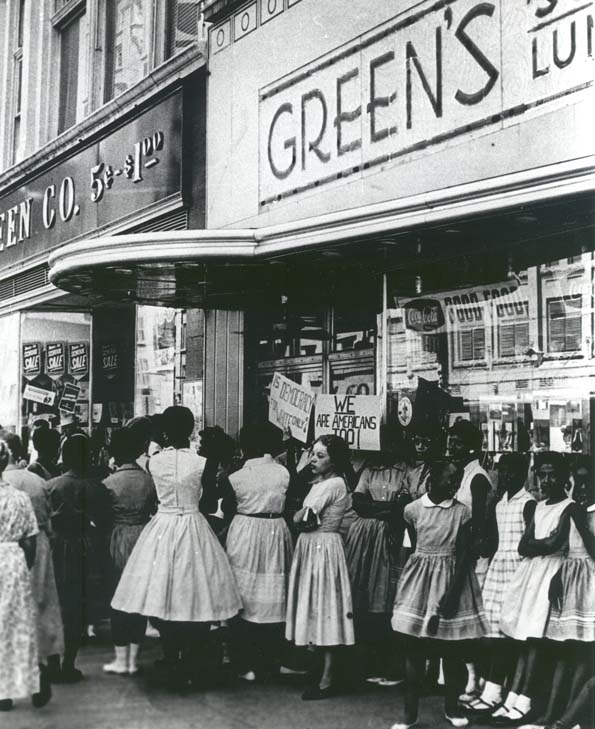
Perhaps the most significant historical touchstone in the state is the Greenwood District in Tulsa. Often historically referred to as “Black Wall Street,” this area was the site of the 1921 Tulsa Race Massacre. Today, the Greenwood Rising museum provides a powerful, sobering look at the destruction and the subsequent endurance of the community. For the modern tourist, visiting this site is not merely an act of sightseeing; it is an essential act of witnessing. The architectural and cultural rebirth of Greenwood reflects a commitment to remembrance that informs the current cultural fabric of the city.
Native American Sovereignty
Beyond the scars of the 20th century, the state is defined by its relationship with the 39 tribal nations headquartered within its borders. The influence of the Cherokee Nation, the Choctaw Nation, and others is omnipresent. In towns like Tahlequah, travelers encounter a vibrant, living culture rather than a relic of the past. The way the state interacts with its indigenous population is a cornerstone of its modern identity, moving away from past exclusionary policies toward a framework of sovereign partnership.
Navigating the Modern Cultural Landscape
If a traveler asks, “Is Oklahoma racist?” the answer found in the lived experience of the 21st century is nuanced. The state is currently undergoing a significant demographic and social transformation.
The Urban-Rural Divide
Like many states in the United States, there is a palpable distinction between the urban centers and the rural expanse. Cities like Oklahoma City and Tulsa have become melting pots of diverse populations, art scenes, and culinary movements. In these metropolitan hubs, one finds inclusive communities that prioritize equity and progress.
Conversely, rural Oklahoma often retains a more traditional, conservative outlook. While hospitality—the famous “Southern charm”—is a pervasive trait across the state, the political and social ideologies can vary wildly from one county to the next. For a tourist, this means that the experience of Oklahoma is highly localized.

Tourism and Inclusive Spaces
The tourism infrastructure in Oklahoma has made significant strides in recent years. The First Americans Museum in Oklahoma City is a world-class institution that tells the stories of the state’s original inhabitants with dignity and nuance. By prioritizing these narratives, the state is actively working to dismantle the monolithic, often negative stereotypes that have historically plagued the Great Plains.
Travel Tips for an Informed Visit
For those planning a trip, engagement is key. The best way to move past stereotypes and discover the authentic heart of the region is through intentional travel.
- Prioritize Local Narratives: Seek out guided tours led by tribal members when visiting sites related to indigenous history. Support businesses owned by local minority entrepreneurs in the Arts District of Tulsa.
- Explore Diverse Neighborhoods: Don’t limit your stay to the popular hotels downtown. Spend time in neighborhoods that celebrate the cultural diversity of the state. Places like the Asian District in Oklahoma City offer a fantastic glimpse into the immigrant stories that helped build the modern state.
- Engage with Education: Before visiting a historical site, read about its origins. Understanding the context of landmarks like the Route 66 corridors and how they impacted local minority communities provides a much richer, more meaningful travel experience.
Why the Question Matters
Asking about the social climate of a destination is a sign of a responsible, conscientious traveler. It demonstrates a desire to engage with the reality of a place rather than a curated postcard version of it. Oklahoma is a state that does not hide its history; it puts it on display. Whether it is the exhibits at the National Cowboy & Western Heritage Museum or the reflective spaces in Greenwood, the state invites visitors to look, listen, and learn.
A State in Flux
The “racism” question is often a shorthand for asking if a place is welcoming, safe, and open-minded. By and large, modern travelers to Oklahoma report a warm reception. The state’s culture is deeply rooted in a sense of neighborliness that transcends political or racial lines. While systemic issues exist—as they do in every state in the union—the trend toward progress, historical reconciliation, and cultural appreciation is unmistakable.

The Future of Tourism in the Heartland
As tourism continues to grow, so does the responsibility of the visitor. By choosing to visit the museums, the local restaurants, and the tribal lands, travelers participate in the economic and social life of the region. This support is vital for organizations and community leaders who are working to ensure that the future of Oklahoma is defined by its diversity and its capacity for growth.
When you travel through the Great Plains, you are not just passing through a landscape of prairies and cities; you are moving through a space that is actively defining its own future. Whether you are walking the streets of Tulsa or taking in the sunset over the Wichita Mountains, you will find that the hospitality of the people and the resilience of the communities leave a lasting impression.
Ultimately, Oklahoma is a destination that demands to be understood on its own terms. It is a place of profound beauty, deep tragedy, and remarkable hope. For those willing to look past the surface, it offers an authentic, thought-provoking, and deeply rewarding travel experience. It is a state where the past is always present, but where the desire for a more inclusive and equitable future is driving the next chapter of its history. Whether you are traveling for business, pleasure, or personal education, you will find that the state welcomes you to witness its journey firsthand.
LifeOutOfTheBox is a participant in the Amazon Services LLC Associates Program, an affiliate advertising program designed to provide a means for sites to earn advertising fees by advertising and linking to Amazon.com. Amazon, the Amazon logo, AmazonSupply, and the AmazonSupply logo are trademarks of Amazon.com, Inc. or its affiliates. As an Amazon Associate we earn affiliate commissions from qualifying purchases.