
Embarking on a journey to the Empire State is an exhilarating prospect, whether you dream of the glittering lights of New York City or the serene beauty of Upstate New York. From iconic landmarks like the Statue of Liberty to world-class dining, shopping, and Broadway shows, New York offers an unparalleled array of experiences. However, like any major travel destination, understanding the local financial landscape, particularly sales tax, is crucial for effective budgeting and a seamless trip. Overlooking this seemingly minor detail can lead to unexpected costs, potentially impacting your travel plans and overall enjoyment.
This comprehensive guide aims to demystify the sales tax in New York, providing clarity for every type of traveler. Whether you’re planning a luxury getaway, a budget-friendly adventure, or a family vacation, knowing what to expect in terms of taxes on your accommodation, meals, souvenirs, and attractions will empower you to make informed decisions. We’ll explore the statewide rates, delve into local variations, highlight key exemptions, and offer practical tips to help you budget effectively for your unforgettable New York escape.
Understanding New York Sales Tax for Travelers
The question of “How much is sales tax in New York?” isn’t as straightforward as it might seem, primarily because the total rate is a combination of a statewide tax and various local levies. For visitors, this means that the price tag you see on an item, a hotel room, or a restaurant menu might not be the final amount you pay. Factor in taxes from the outset, and you’ll navigate your New York adventure with confidence.
The Statewide Sales Tax Rate
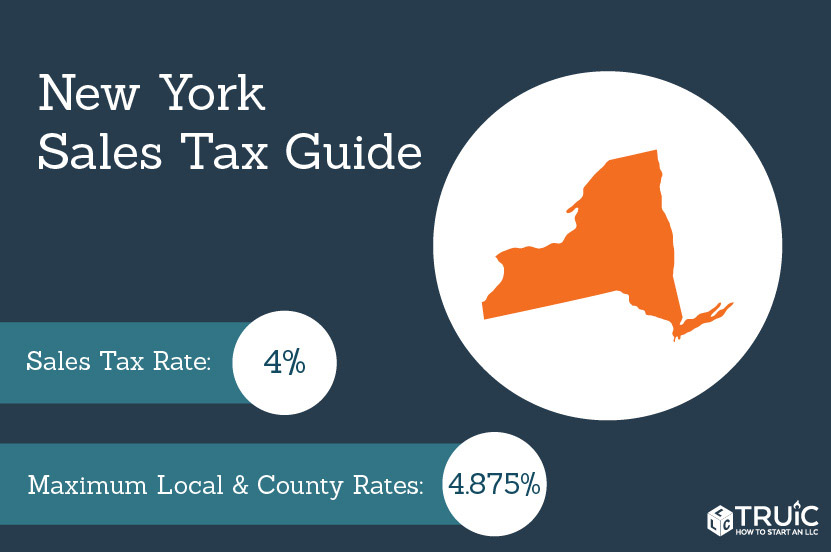
At its core, New York State imposes a uniform sales tax rate across all its counties. This foundational rate applies to most tangible personal property and selected services sold within the state. Understanding this base is the first step in decoding your expenses, no matter where your New York itinerary takes you. For 2024, the statewide sales tax rate in New York is 4%. This percentage is applied to the purchase price of taxable goods and services before any local taxes are added. While 4% might seem modest, it’s crucial to remember that this is just the starting point; local taxes can significantly increase the total.
Local Variations: A Tale of Two New Yorks
The true complexity of New York sales tax emerges when considering the local rates, which vary significantly from one county or city to another. This is where the distinction between experiencing the bustling metropolis and exploring the serene countryside becomes especially relevant to your wallet. Each county and some cities are permitted to add their own local sales tax to the statewide rate. This can range from an additional 3% to 4.875%, bringing the combined sales tax rate to anywhere between 7% and 8.875% in most areas.
For instance, a trip through the picturesque Hudson Valley might involve a different combined sales tax rate than a visit to the majestic Niagara Falls or a stay in the tranquil Adirondacks. Savvy travelers often factor these regional differences into their overall travel planning, especially if their itinerary spans multiple regions of New York State. This mosaic of local taxes underscores the importance of researching the specific rates for your chosen destinations within New York.
Sales Tax in New York City: A Detailed Look
No discussion about New York sales tax would be complete without a deep dive into New York City, arguably the state’s most popular tourist destination. New York City comprises five boroughs: Manhattan, Brooklyn, Queens, The Bronx, and Staten Island. Each of these boroughs falls under the same sales tax umbrella for New York City.
The combined sales tax rate in New York City is 8.875%. This consists of the 4% New York State sales tax, a 4.5% New York City local sales tax, and a 0.375% Metropolitan Commuter Transportation District (MCTD) surcharge. This 8.875% rate applies to most taxable goods and services you’ll encounter, from designer clothes on Fifth Avenue to a souvenir from Times Square.
However, it’s not just sales tax that impacts your New York City budget. For accommodation, travelers also need to contend with a hefty hotel occupancy tax, which is levied in addition to the standard sales tax. In New York City, the hotel occupancy tax is 5.875% of the room rate, plus a flat fee of $1.50 per room per night. So, when booking a hotel room, be prepared for an effective tax rate that combines the 8.875% sales tax with the 5.875% hotel tax, totaling approximately 14.75% of your room rate, plus the flat fee. This can significantly increase the cost of your stay, especially in luxury hotels or during peak tourist seasons. Whether you opt for a grand suite near Central Park or a boutique hotel in SoHo, this additional tax is a non-negotiable part of your accommodation expenses.
What’s Taxed and What’s Not: Essential Exemptions for Visitors
While the general rule is that most goods and some services are subject to sales tax, New York offers several notable exemptions that can help travelers save money, particularly on everyday necessities and certain shopping endeavors. Being aware of these exceptions is key to smart spending and maximizing your budget.
Navigating Sales Tax on Accommodation and Dining
As discussed, accommodation in New York City comes with a significant tax burden. While the general 8.875% sales tax applies to your room rate, the additional 5.875% occupancy tax plus the $1.50 fee is specific to hotels and similar lodging establishments. This includes rooms booked through traditional hotels as well as many short-term rentals like Airbnb, which are often subject to similar regulations in New York City. When comparing hotel rates or looking for apartments for a long-term stay, always look at the total price, including all taxes and fees, to get an accurate picture of your expense.
When it comes to dining, restaurant meals and prepared foods are generally subject to the full sales tax rate of the location where they are purchased. So, whether you’re enjoying a gourmet meal in Manhattan or a quick bite from a food truck, expect the 8.875% sales tax in New York City (or the relevant local rate elsewhere in the state) to be added to your bill. This also applies to beverages, including alcoholic drinks. Tipping, while customary and expected for good service, is not subject to sales tax itself.
Shopping Smart: Clothing, Groceries, and Services
Here’s where New York offers a pleasant surprise for shoppers:
- Clothing and Footwear Exemption: A significant exemption exists for purchases of clothing and footwear. Individual items of clothing or footwear costing less than $110 are entirely exempt from the 4% New York State sales tax, the 4.5% New York City sales tax, and the 0.375% MCTD surcharge. This means that if you buy a shirt for $100, you pay absolutely no sales tax on it in New York City. However, if an item costs $110 or more, the full 8.875% sales tax (in New York City) applies to the entire amount. This exemption is particularly beneficial for travelers looking to indulge in retail therapy on Fifth Avenue or explore the boutiques of SoHo. It encourages shopping and can lead to considerable savings, especially for families or those planning extensive wardrobe updates. Many other counties in New York State also offer this exemption on clothing and footwear items under $110, so it’s always worth checking the local regulations for your specific destination.
- Groceries: Most unprepared food items, such as fresh produce, meat, dairy, and packaged goods purchased at grocery stores, are generally exempt from sales tax. This is great news for travelers staying in accommodations with kitchenettes or those opting for a more budget-conscious travel style by preparing some of their own meals. However, prepared foods, deli items, and restaurant meals, as mentioned, are taxable.
- Services: The taxation of services in New York is selective. Generally, most personal services (like haircuts, massages, or dry cleaning) are not subject to sales tax. However, certain services, particularly those involving the repair or installation of tangible property, may be taxable. For travelers, this often means that entry fees to attractions or tickets for shows might have sales tax included, while a guided tour fee might not, depending on how it’s classified. It’s always best to check directly with the provider or review your booking details carefully.
Special Considerations for Tourist Attractions and Experiences
New York is a treasure trove of attractions, from the historical depth of the 9/11 Memorial & Museum to the artistic grandeur of the Metropolitan Museum of Art and the panoramic views from the Empire State Building or Rockefeller Center. The sales tax implications for these experiences can vary.
- Tickets for cultural events and performances: Tickets for Broadway shows, concerts, and other live entertainment are often subject to the standard sales tax rate. The price advertised usually includes the sales tax, but it’s good practice to verify this, especially when purchasing through third-party vendors.
- Museums and attractions: Entry fees for museums like the Museum of Modern Art or tourist attractions like the Statue of Liberty ferry may or may not include sales tax depending on their classification and whether they are non-profit organizations. Many non-profit cultural institutions are exempt from charging sales tax on admissions. Always check the final price before confirming your purchase.
- Tours and Activities: Whether it’s a bus tour through Manhattan, a walking tour of Wall Street and the Financial District, or a boat cruise, the application of sales tax often depends on the specific nature of the service. Some tour operators include tax in their advertised prices, while others add it at checkout.
The key takeaway for travelers is to always clarify the total cost, including all applicable taxes and fees, before committing to a purchase. This proactive approach will prevent any unwelcome surprises and help maintain your travel budget.
Budgeting for Your New York Adventure: Beyond the Sales Tax
Understanding sales tax is just one piece of the financial puzzle when planning your trip to New York. A truly successful and stress-free vacation requires a holistic approach to budgeting, integrating all potential expenses. New York, especially New York City, is renowned for being one of the most expensive cities in the world, making careful financial planning paramount.
Estimating Your Total Trip Costs
Beyond sales tax, several other significant expenses contribute to the total cost of your New York adventure.
- Transportation: Airfare to one of New York City’s major airports (John F. Kennedy International Airport, LaGuardia Airport, or even Newark Liberty International Airport in New Jersey) is a primary consideration. Once there, factor in subway fares, taxi/rideshare services, or even car rentals for Upstate excursions. Public transportation within New York City is efficient and relatively affordable, but daily costs can add up.
- Accommodation: As highlighted, hotel prices in New York City are steep, especially for well-located properties. The combination of high base rates, sales tax, and occupancy tax makes this a substantial portion of any travel budget. Consider booking accommodations well in advance, exploring various neighborhoods (some are more affordable than others), or opting for hostels or guesthouses if on a tighter budget. For long-term stays, apartments or villas might offer better value.
- Food and Dining: New York is a culinary paradise, but dining out frequently can be costly. While casual eateries and delis offer more affordable options, a sit-down meal, particularly in popular tourist areas or fine dining establishments, can quickly deplete your funds. Remember to account for the sales tax on prepared foods and tips.
- Activities and Attractions: Entry fees to museums, observatories (Empire State Building, Rockefeller Center), Broadway shows, and tours add up. Look for city passes or discount programs that bundle attraction tickets to save money. Many free attractions, like walking across the Brooklyn Bridge or exploring Central Park and Grand Central Terminal, can also enrich your experience without a ticket price.
- Shopping and Souvenirs: Even with the clothing exemption, shopping can be a significant expense. Factor in potential purchases of gifts, local crafts, and personal items.
Smart Spending Strategies in the Empire State
To make your New York experience both memorable and financially manageable, consider these strategies:
- Cook Some Meals: Staying in an accommodation with kitchen facilities allows you to take advantage of the sales tax exemption on groceries and significantly reduce your dining expenses.
- Utilize Public Transportation: New York City’s subway system is an efficient and cost-effective way to navigate the city. Consider purchasing a MetroCard for unlimited rides.
- Seek Free Attractions: Beyond Central Park, many museums offer free admission on specific days or evenings. Walking through neighborhoods, enjoying street art, or simply soaking in the atmosphere of places like Times Square are all incredible experiences that cost nothing.
- Take Advantage of the Clothing Tax Exemption: If you plan on shopping for clothes, remember the under-$110 exemption. This can lead to substantial savings, especially if you buy multiple items individually under that threshold.
- Look for Hotel Deals and Packages: Many hotels offer seasonal promotions or packages that can help offset the cost of accommodation. Utilizing hotel comparison websites and reading reviews can also help you find the best value.
Planning Ahead: A Stress-Free New York Experience
Thorough planning is the cornerstone of a smooth travel experience.
- Research Specific Rates: Before you arrive, use online resources to confirm the exact sales tax rates for the specific counties or cities you plan to visit. This is particularly important if you’re venturing outside of New York City.
- Create a Detailed Budget: Allocate funds for accommodation, food, transportation, attractions, and shopping, always adding an extra percentage for taxes and a contingency fund for unexpected expenses.
- Consider Travel Insurance: While not directly related to sales tax, travel insurance can protect your financial investment in case of unforeseen cancellations, medical emergencies, or lost luggage, adding another layer of security to your trip.
- Stay Informed: Tax laws can change, so a quick check of the New York State Department of Taxation and Finance website before your trip is always a good idea.
By taking the time to understand the nuances of sales tax and incorporating it into a broader financial strategy, you can enjoy all that New York has to offer without any budget surprises. Whether you’re coming from Europe, Asia, or another part of the Americas, a well-planned trip ensures that your focus remains on creating unforgettable memories in this dynamic state.
LifeOutOfTheBox is a participant in the Amazon Services LLC Associates Program, an affiliate advertising program designed to provide a means for sites to earn advertising fees by advertising and linking to Amazon.com. Amazon, the Amazon logo, AmazonSupply, and the AmazonSupply logo are trademarks of Amazon.com, Inc. or its affiliates. As an Amazon Associate we earn affiliate commissions from qualifying purchases.