
Understanding the dynamic landscape of wildfires in Colorado has become an essential aspect of planning any trip to the Centennial State. For residents and visitors alike, the question of “Where are the fires in Colorado?” isn’t merely about immediate danger; it profoundly impacts travel itineraries, accommodation choices, and the overall tourism experience. This guide aims to provide a comprehensive overview, drawing on the expertise of travel, hospitality, and lifestyle insights, to help you navigate your journey responsibly and safely during wildfire season.
Understanding Colorado’s Wildfire Landscape
Colorado, with its stunning natural beauty, expansive forests, and often dry climate, is susceptible to wildfires, particularly during the warmer months. These fires can range from small, quickly contained incidents to large-scale events that reshape vast tracts of land and significantly affect human activity. For anyone planning a visit, knowing the typical season, common causes, and where to find reliable information is the first step towards a well-informed and safe trip.

The Seasonal Challenge
Wildfire season in Colorado typically runs from late spring through fall, though conditions can vary greatly year to year based on snowpack, rainfall, and temperatures. Drought conditions, a recurring issue in the Western United States, often extend the season and increase the intensity of fires. Human activity, such as unattended campfires or sparks from vehicles, accounts for a significant percentage of ignitions, although lightning strikes are also a natural cause. These fires are not just isolated incidents; they can lead to extensive smoke plumes, road closures, and the evacuation of communities, directly influencing everything from the availability of hotel rooms to the accessibility of hiking trails in revered areas like Rocky Mountain National Park. Understanding this seasonal rhythm is crucial for setting realistic expectations and preparing for potential disruptions to your travel plans. The state’s diverse topography, from the high peaks of the San Juan Mountains to the plains, means that fire risks are not uniform across all regions, demanding localized awareness.
Key Fire Information Resources
For travelers, reliable, up-to-the-minute information is paramount. Several official sources provide current fire statuses, evacuation orders, and air quality advisories. The Colorado Office of Emergency Management is a primary resource, offering alerts and updates on active incidents. The USDA Forest Service and Bureau of Land Management provide detailed information on closures and restrictions within national forests and public lands, which are vital for outdoor enthusiasts. For air quality concerns, the Colorado Department of Public Health and Environment and platforms like AirNow offer real-time data on smoke levels, an important consideration for those with respiratory sensitivities or for planning outdoor activities. Before setting out for destinations like Estes Park or the areas around Grand Lake, checking these resources becomes as important as confirming your hotel booking. Local county sheriff’s offices and emergency services also often maintain dedicated websites or social media channels for the most immediate, hyper-local updates, which can be invaluable when exploring specific attractions or remote areas.
Impact on Travel and Tourism in Colorado
Wildfires inevitably cast a long shadow over Colorado’s vibrant tourism industry. Beyond the immediate danger, their effects ripple through travel logistics, visitor experiences, and the economic well-being of communities dependent on tourism. Understanding these impacts is key to planning a resilient and enjoyable trip, even during challenging seasons.
Assessing Risk for Popular Destinations
The decision of where to travel in Colorado during wildfire season requires careful consideration of current fire activity and long-term risk. While some areas might be directly affected by fire, others may experience secondary impacts like smoke or road closures.
Rocky Mountain National Park and Surrounding Areas
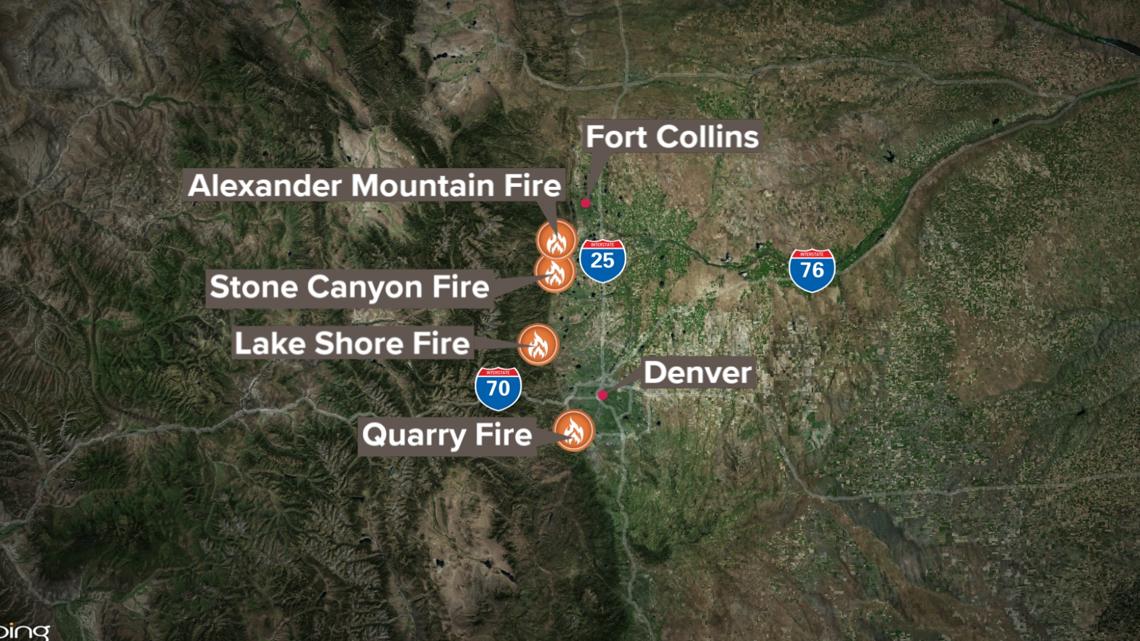
Rocky Mountain National Park, one of Colorado’s crown jewels, has experienced significant wildfire activity in recent years. Fires within or near the park can lead to extensive closures of trails, campgrounds, and even sections of Trail Ridge Road. Visitors hoping to experience the park’s iconic alpine scenery and wildlife often need to adjust their plans, perhaps exploring alternative routes or focusing on areas further afield if smoke is heavy. The town of Estes Park, the eastern gateway to the park, is particularly vulnerable to disruptions, affecting local businesses, hotels, and tourist attractions. Similar considerations apply to other national parks like Great Sand Dunes National Park or Mesa Verde National Park, where unique ecosystems and historical sites are at risk. Always check the park’s official website for the most current status before departing.
Aspen, Vail, and Mountain Resorts
Colorado’s renowned mountain resorts, including Aspen, Vail, Breckenridge, Telluride, and Steamboat Springs, thrive on summer outdoor recreation. While these areas are typically less prone to large-scale fires affecting the immediate resort towns due to fire mitigation efforts, surrounding forests can be impacted. Smoke, even from distant fires, can travel hundreds of miles, affecting air quality and visibility for hiking, mountain biking, and other activities. Road closures, particularly on major arteries like I-70 or scenic byways, can also make reaching these destinations challenging. Luxury travelers booking stays at properties like The Broadmoor or the Ritz-Carlton, Denver should monitor conditions, as even high-end experiences can be diminished by poor air quality or restricted access to natural amenities. Consider checking local resort websites or tourism offices for specific updates on trail closures or activity modifications.
Urban Centers: Denver, Colorado Springs, Fort Collins
Even Colorado’s major urban centers like Denver, Colorado Springs, Fort Collins, Boulder, and Grand Junction are not immune to wildfire impacts. While direct fire threats to downtown areas are rare, these cities frequently experience heavy smoke. This can turn a picturesque day exploring Union Station or the Denver Art Museum into a hazy, less enjoyable experience. Air quality alerts can prompt recommendations to stay indoors, affecting plans for outdoor dining, visits to attractions like Garden of the Gods near Colorado Springs, or concerts at Red Rocks Amphitheatre. City-based tourism, while often perceived as a safer alternative, still requires awareness of broader environmental conditions. Those planning family trips or business stays should be mindful of these potential atmospheric impacts and factor them into their activity planning.
Air Quality and Health Considerations
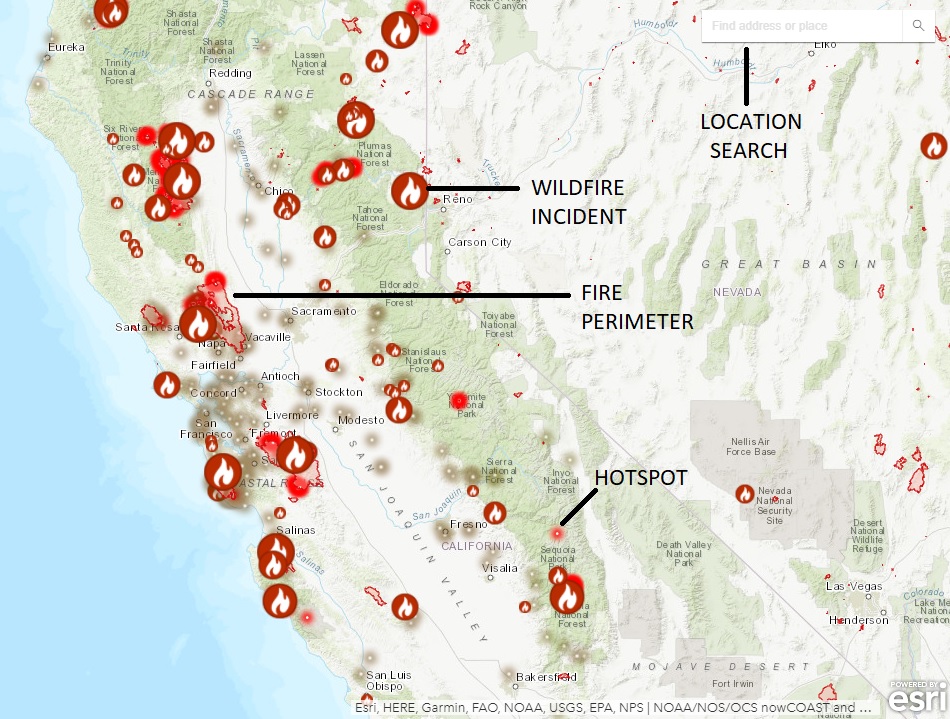
One of the most widespread impacts of wildfires, even those far from your immediate location, is poor air quality. Smoke contains fine particulate matter that can pose serious health risks, especially for children, the elderly, and individuals with respiratory or heart conditions. When air quality is poor, outdoor activities—from hiking Pikes Peak to exploring Cheyenne Mountain Zoo—become ill-advised. It’s crucial for travelers to monitor air quality reports from trusted sources like AirNow or the National Weather Service. Hotels and resorts might also provide advisories. Planning alternative indoor activities, such as visiting museums, art galleries, or enjoying indoor amenities at your accommodation, can help salvage a trip affected by smoke. This shift in lifestyle choices is a pragmatic adjustment when the majestic views are obscured.
Navigating Your Colorado Trip Safely During Fire Season
Traveling to Colorado during wildfire season requires a flexible mindset and proactive planning. While the allure of the mountains remains, safety and informed decision-making are paramount. This section offers practical advice for managing your trip.
Essential Travel Planning Adjustments
Flexibility is your best friend when planning travel during wildfire season. Instead of rigid itineraries, consider having backup plans. This might involve identifying alternative routes to your destination in case of road closures, especially for scenic drives through areas like Black Canyon of the Gunnison National Park or on the way to mountain towns like Glenwood Springs or Manitou Springs. Keeping an eye on weather forecasts, particularly wind conditions which can spread smoke rapidly, is also advisable. For those embarking on budget travel, potential last-minute changes could impact costs, so building a buffer into your financial plan is wise. Always carry an emergency kit in your vehicle, including water, snacks, a first-aid kit, and a full tank of gas, especially if venturing into remote areas. Stay updated with GPS navigation apps that offer real-time traffic and road closure information.
Accommodation and Booking Strategies
Your choice of accommodation and how you book it can significantly mitigate wildfire-related stress.
Flexibility with Hotels and Resorts
When booking hotels, suites, resorts, or apartments, always review their cancellation and rebooking policies carefully. Many establishments, particularly larger chains like Marriott or Hilton, offer flexible cancellation options, but it’s crucial to understand the deadlines and any associated fees. If you’re booking through third-party sites, clarify their specific policies as well. During active fire situations, some hotels might offer waivers for cancellation fees due to natural disasters, but this is not guaranteed. Consider travel insurance that covers natural disaster-related cancellations or interruptions, especially for luxury travel where costs are higher. Enquire about air filtration systems if you’re concerned about smoke, as some modern resorts and hotels are equipped with advanced systems to maintain indoor air quality.
Alternative Accommodation Options
Platforms like Airbnb and Vrbo also provide vacation rental options, but their cancellation policies can vary widely by host. Always communicate directly with hosts about potential fire impacts and their flexibility. If your original destination becomes inaccessible or undesirable due to smoke, having a list of alternative cities or towns where you might find accommodation is beneficial. For instance, if conditions are poor near Winter Park, looking for lodging further east towards Denver or even south towards less affected regions could be a viable backup plan. Always prioritize locations outside of active evacuation zones or areas with severe air quality warnings.
Recreational Alternatives and Safety Tips
Should outdoor activities be curtailed due to fire or smoke, Colorado still offers a wealth of indoor attractions. Explore museums, breweries, art galleries, or enjoy spa treatments. Many towns have vibrant culinary scenes that can be enjoyed regardless of outdoor conditions. If you do venture outdoors, adhere strictly to all fire restrictions, which often include bans on campfires, fireworks, and sometimes even smoking in certain areas. Always know your exits, carry a map, and inform someone of your planned route if hiking. For family trips, explain fire safety and the importance of adhering to official warnings. Respect closures of parks or trails; these are put in place for your safety and to protect natural resources.
Supporting Colorado Communities and Responsible Tourism
Wildfires have a profound and lasting impact on Colorado’s communities, especially those heavily reliant on tourism. As a traveler, you have a role to play not only in ensuring your own safety but also in supporting the resilience and recovery efforts of these regions.
How Tourists Can Help
Responsible tourism during wildfire season extends beyond merely staying safe. If your plans are disrupted but you still travel to Colorado, consider shifting your tourism dollars to unaffected areas or local businesses that might be struggling due to decreased visitor numbers. For instance, if a specific national park is closed, explore a state park or a different region of the state that remains open and safe. Purchase local products, dine at local restaurants, and support local attractions where possible. Even a small contribution to the local economy can make a difference. Avoiding generalizations about the entire state being “on fire” is also important; many areas remain open and safe for visitors. Spreading accurate information and dispelling misconceptions helps maintain a steady flow of tourism to healthy regions. The Colorado Tourism Office often provides guidance on how best to support affected communities or find open destinations.
Long-Term Recovery and Efforts
The aftermath of a wildfire is a long and challenging process, involving reforestation, erosion control, and the rebuilding of communities. While immediate fire response is critical, long-term recovery efforts are equally vital. Tourists can contribute by respecting rehabilitated areas, adhering to “leave no trace” principles, and supporting organizations dedicated to forest restoration and wildfire prevention. Learning about the ecological role of fire and the challenges of forest management can also foster a deeper appreciation for Colorado’s natural environment. Your understanding and patience as a visitor are invaluable. By staying informed, remaining flexible, and acting responsibly, you can enjoy the incredible beauty of Colorado while contributing positively to its enduring spirit and recovery.
LifeOutOfTheBox is a participant in the Amazon Services LLC Associates Program, an affiliate advertising program designed to provide a means for sites to earn advertising fees by advertising and linking to Amazon.com. Amazon, the Amazon logo, AmazonSupply, and the AmazonSupply logo are trademarks of Amazon.com, Inc. or its affiliates. As an Amazon Associate we earn affiliate commissions from qualifying purchases.