
Navigating the financial landscape of California can be a significant challenge for anyone, but particularly for individuals reliant on Supplemental Security Income (SSI). As we look towards 2025, understanding the projected benefit amounts for SSI in the Golden State is crucial for budgeting, planning, and maintaining a viable lifestyle. SSI is a federal program that provides a minimum income for aged, blind, and disabled individuals with limited income and resources. What sets California apart is its generous State Supplementary Payment (SSP) program, which significantly augments the federal benefit, offering a slightly more substantial safety net compared to most other states. However, even with California’s SSP, the state’s notoriously high cost of living presents unique lifestyle considerations. This article delves into the anticipated SSI figures for 2025, exploring what these amounts mean for the daily lives and lifestyle choices of recipients across California.

Understanding the Financial Landscape of California for SSI Recipients
The financial backbone for many aged, blind, and disabled residents in California is the combined federal SSI payment and the state’s SSP. The federal component is administered by the Social Security Administration (SSA), while the SSP is managed by the California Department of Social Services. These payments are designed to cover basic needs, but in a state where housing, food, and utilities often command premium prices, every dollar counts, and lifestyle choices are often dictated by stringent budgeting.
Estimated Federal Benefit Rates (FBR) for 2025
The federal SSI component is subject to an annual Cost of Living Adjustment (COLA), which typically takes effect in January. This adjustment is based on inflation rates, specifically the Consumer Price Index for Urban Wage Earners and Clerical Workers (CPI-W). While the official 2025 COLA will not be announced by the Social Security Administration until late 2024, we can project estimated figures based on economic forecasts and historical trends.
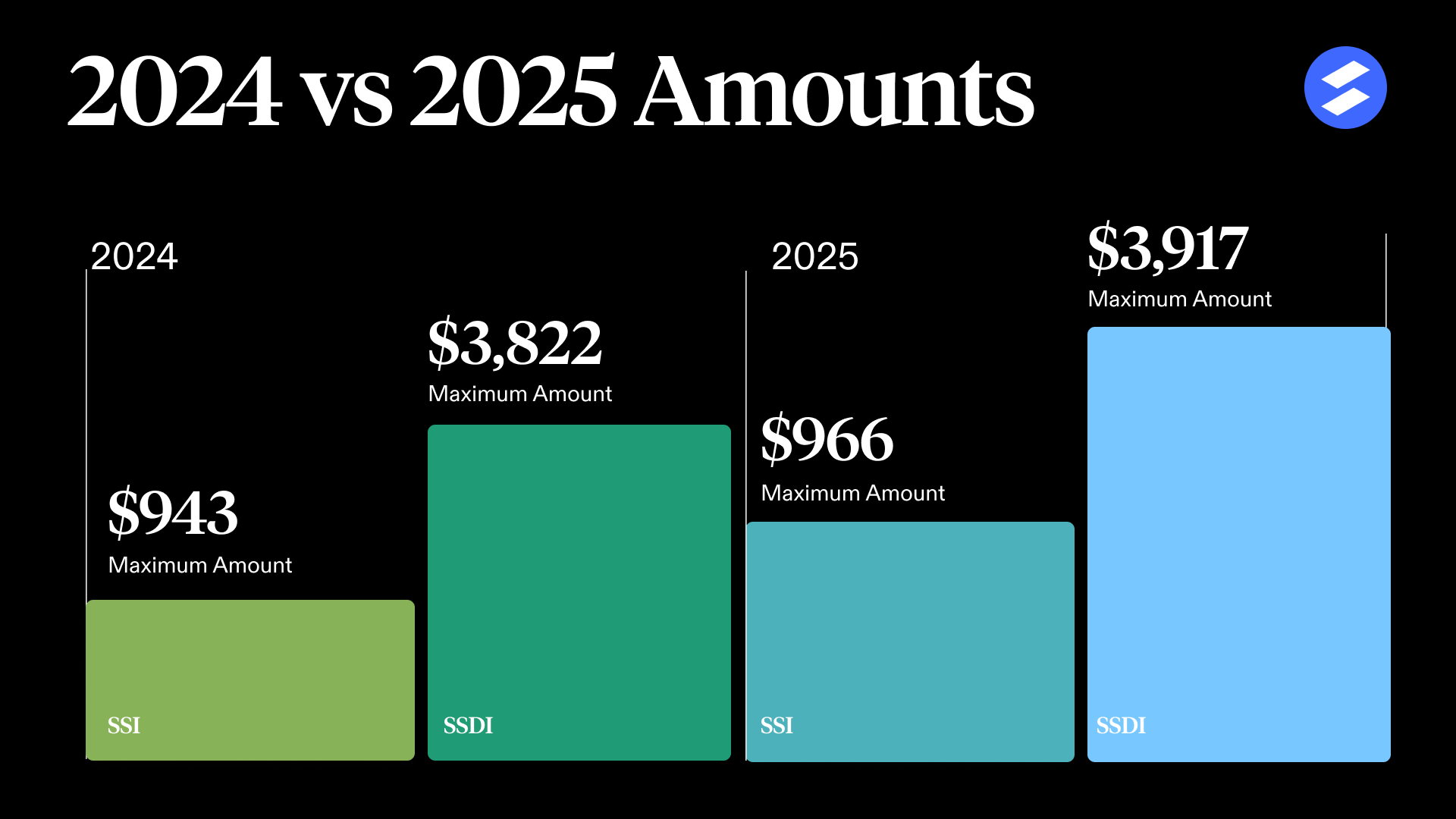
For reference, in 2024, the Federal Benefit Rate (FBR) was $964 per month for an eligible individual and $1,446 per month for an eligible couple. Assuming a moderate COLA increase, for example, between 2% and 3%, recipients can anticipate a slight bump in their federal allocation for 2025. This could see the individual FBR rise to approximately $983 to $993 per month, and the couple’s FBR to around $1,475 to $1,490 per month. These adjustments, though seemingly small, are critical for maintaining purchasing power in an inflationary environment and directly influence the baseline for an individual’s lifestyle planning.
California’s State Supplementary Payment (SSP) Component
California stands out with its robust SSP program, which adds a significant amount to the federal SSI payment. Unlike the federal COLA, California’s SSP adjustments are dependent on the state budget and legislative decisions, which can be less predictable than federal COLA. However, the state has historically committed to providing a strong supplement.
In 2024, the maximum combined SSI/SSP payment in California for an individual living independently was $1,182.94 per month. For an eligible couple, it was $2,022.94 per month. Given the state’s ongoing efforts to support its vulnerable populations, it is reasonable to anticipate a modest increase in the SSP component for 2025, potentially aligning with or slightly exceeding federal COLA adjustments. This could result in an individual’s maximum combined payment reaching roughly $1,200 to $1,220 per month, and a couple’s payment potentially around $2,050 to $2,080 per month. These projections are vital for recipients to begin formulating their 2025 lifestyle budgets, understanding that official figures will be confirmed closer to the end of the current year.
Budgeting for a California Lifestyle on SSI
Receiving SSI in California, even with the SSP supplement, means adopting a highly disciplined approach to personal finance. The vast majority of a recipient’s income is typically consumed by essential expenditures, leaving little room for discretionary spending. Effective budgeting is not merely advisable; it is a fundamental aspect of maintaining even a basic lifestyle.
Housing: The Foremost Challenge
Housing costs in California are arguably the single greatest barrier to a comfortable lifestyle for SSI recipients. Even in more affordable regions, rent for a modest studio or one-bedroom apartment can easily exceed an individual’s entire monthly SSI/SSP payment. This reality often necessitates creative housing solutions:
- Subsidized Housing: Many rely on subsidized housing programs like Section 8 (Housing Choice Voucher program), but waitlists can span years, if not decades, in high-demand areas.
- Shared Living: Living with roommates or family members is a common strategy to pool resources and reduce individual housing burdens.
- Rural or Inland Options: Some recipients choose to relocate to more rural or inland areas where housing costs are comparatively lower, trading urban amenities for financial viability.
The projected 2025 SSI amounts underscore the continued need for proactive engagement with housing assistance programs and a realistic assessment of what the benefits can cover in the state’s diverse rental market.
Essential Living Expenses
Beyond housing, other essential living expenses demand careful allocation of SSI funds:

- Food: Stretching a food budget requires resourcefulness. Many recipients utilize food banks, participate in the Supplemental Nutrition Assistance Program (SNAP) (formerly food stamps), and prioritize home-cooked meals over dining out. Seeking out discount grocery stores and planning meals around sales are critical strategies.
- Utilities: Electricity, gas, water, and internet bills can quickly accumulate. Programs like the Low Income Home Energy Assistance Program (LIHEAP) can provide crucial relief. Smart energy consumption and researching utility assistance are key components of a budget-conscious lifestyle.
- Healthcare: While Medi-Cal provides comprehensive health coverage for most SSI recipients in California, there can still be out-of-pocket costs for prescriptions, specialized care, or non-covered services. Budgeting for these unexpected health expenses, even small ones, is a wise practice.
- Transportation: Car ownership can be prohibitively expensive due to insurance, fuel, and maintenance. Public transportation, often offering discounted fares for seniors and people with disabilities, becomes a primary mode of travel, shaping daily routines and access to services.
Navigating California’s Cost of Living with SSI
California’s vast geography means that the cost of living varies dramatically from one region to another. What might be a tight but manageable budget in the Central Valley could be entirely insufficient in metropolitan hubs like Los Angeles or San Francisco.
Regional Disparities and Lifestyle Choices
- Urban Centers: Living in major urban centers like San Francisco or Los Angeles on SSI alone is extraordinarily challenging, often requiring substantial additional support from family, charity, or other benefits. The lifestyle here is often one of extreme frugality, with very limited social or recreational opportunities unless they are entirely free.
- Suburban and Inland Areas: Moving to more affordable suburban or inland areas, such as parts of the Inland Empire or the Central Valley, can significantly improve the purchasing power of SSI benefits. While these areas may offer fewer high-end amenities, they provide a more realistic pathway to securing stable housing and basic needs, allowing for a slightly less strained lifestyle.
- Quality of Life Trade-offs: The decision of where to live in California directly impacts one’s lifestyle. It often involves a trade-off between proximity to specialized medical care, diverse cultural activities, and robust public transportation in urban areas versus lower living costs, a slower pace, and potentially stronger community ties in less dense regions.
Additional Financial Support and Resources
To augment their SSI income and improve their lifestyle, many recipients leverage a network of additional programs and community resources. Beyond Medi-Cal and SNAP, these can include:
- Local Senior/Disability Services: Many counties offer specialized services, including transportation, meal programs, and case management, tailored to the needs of the aged and disabled.
- Non-Profit Organizations: Numerous charities and non-profits provide assistance with utilities, rent, food, and other essential needs.
- Work Incentives: For some disabled recipients, the SSA offers work incentives that allow them to earn a limited income without immediately losing their SSI benefits, providing a path to greater financial independence and an improved lifestyle.
Enhancing Quality of Life: Beyond Basic Needs on SSI
Even with a constrained budget, it is possible for SSI recipients to enhance their quality of life in California by focusing on free or low-cost activities and strong community engagement. A fulfilling lifestyle isn’t solely dependent on material wealth; it’s also about well-being, social connection, and personal enrichment.
Accessing Community and Recreational Opportunities
California offers a wealth of publicly accessible resources that can greatly enrich one’s lifestyle without incurring significant costs:
- Public Libraries: These offer free access to books, movies, music, internet, and often host classes, workshops, and community events.
- Parks and Recreation: California’s state and local parks provide opportunities for walking, picnicking, and enjoying nature, often with minimal or no entry fees. Beaches and hiking trails are often free and offer immense therapeutic and recreational value.
- Community Centers and Senior Centers: These facilities frequently offer free or low-cost activities such as fitness classes, social gatherings, support groups, and educational programs.
- Volunteerism: Engaging in volunteer work can provide a sense of purpose, social connection, and an opportunity to learn new skills, all contributing to a richer lifestyle.
Smart Spending for Small Luxuries
While major luxuries may be out of reach, small, thoughtful expenditures can contribute positively to a lifestyle:
- Thrift Stores and Discount Retailers: These are excellent sources for affordable clothing, household goods, books, and entertainment items.
- DIY and Home Entertainment: Enjoying hobbies at home, cooking new recipes, or accessing free streaming content can provide entertainment without major expense.
- Nature’s Bounty: California’s natural beauty—from mountains to deserts to the coast—offers endless opportunities for free enjoyment and relaxation, promoting mental and physical well-being.
Future Outlook: Adapting to Changes in 2025
The projected SSI and SSP amounts for 2025 represent critical figures for thousands of California residents. While the exact numbers will not be finalized until later in 2024, the estimates provide a framework for future financial planning and lifestyle adjustments. Economic factors, inflation, and state budgetary decisions will continue to influence these benefits.
Staying Informed and Advocating
It is imperative for SSI recipients and their caregivers to stay informed about official announcements from the Social Security Administration and the California Department of Social Services. Connecting with advocacy groups for seniors and people with disabilities can also provide valuable information and support, and often allows recipients to have a voice in policy discussions that impact their financial security and lifestyle. Proactive financial literacy, continuous learning about available resources, and adaptive budgeting will remain key strategies for navigating the unique lifestyle challenges of living on SSI in California in 2025 and beyond.
LifeOutOfTheBox is a participant in the Amazon Services LLC Associates Program, an affiliate advertising program designed to provide a means for sites to earn advertising fees by advertising and linking to Amazon.com. Amazon, the Amazon logo, AmazonSupply, and the AmazonSupply logo are trademarks of Amazon.com, Inc. or its affiliates. As an Amazon Associate we earn affiliate commissions from qualifying purchases.