
Understanding the intricacies of state sales tax is a crucial component of financial planning for any traveler, regardless of their preferred lifestyle or budget. Whether you’re embarking on a luxurious escape, a cost-conscious adventure, a memorable family trip, or a productive business stay, Connecticut’s sales tax structure will invariably influence your overall expenses. This guide delves into the specifics of Connecticut sales tax, offering insights for those planning to explore the Nutmeg State and ensuring your travel budget remains on track.
Understanding the Basics of Connecticut Sales Tax
At its core, Connecticut sales tax is a consumption tax levied on the sale of most goods and services within the state. For travelers, this means a wide array of purchases—from meals and souvenirs to certain leisure activities—will incur an additional cost. Being aware of the standard rate and common exemptions is the first step in smart financial planning for your journey.
The Standard Rate and Key Exemptions
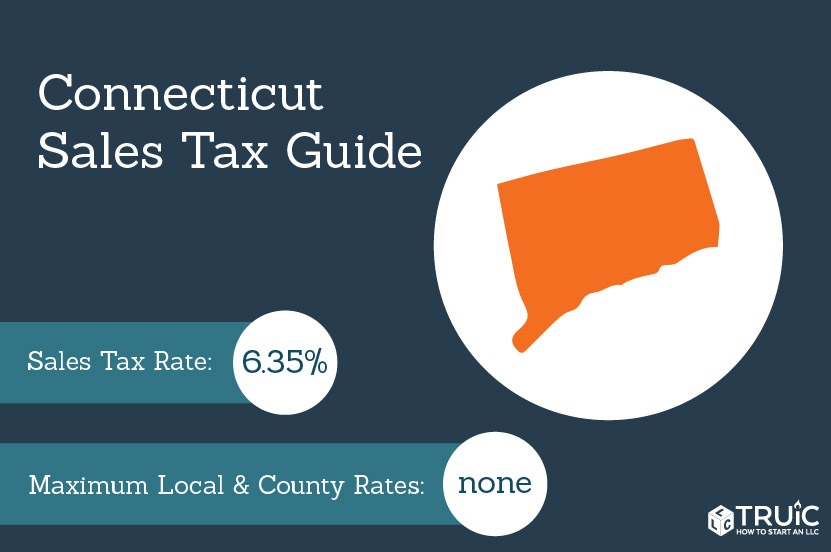
As of the current understanding, the standard sales tax rate in Connecticut is 6.35%. This percentage is applied to the retail sale of tangible personal property and many services. However, it’s important to note that not everything is taxed. Connecticut offers several notable exemptions that can be beneficial for travelers. For instance, most non-prepared food items purchased at grocery stores are exempt. This means if you’re planning to cook some of your meals during a long-term stay or a budget trip, you could see some savings compared to dining out exclusively. Prescription medicines are also exempt, as are certain clothing and footwear items under a specific price threshold, though these thresholds can change and are often seasonally applied, such as during “sales tax holidays.” Always verify current regulations before making assumptions.
How Sales Tax Impacts Your Travel Budget
For any travel lifestyle, sales tax represents an added layer of expense that can subtly inflate your overall budget if not accounted for. For a weekend getaway, a few percentage points might seem negligible, but over the course of a week-long family vacation filled with dining, shopping, and activities, these small increments can accumulate significantly. For business travelers, accurate tracking of sales tax is essential for expense reporting and potential reimbursements. Budget travelers must factor in sales tax when calculating the true cost of every purchase, ensuring they don’t overspend their allocated funds. Luxury travelers, while perhaps less concerned with individual line items, still benefit from understanding the total cost of their premium experiences.
Sales Tax Implications for Different Travel Lifestyles
The impact of Connecticut sales tax varies depending on your travel style. Strategic awareness can help optimize spending and avoid unexpected financial surprises.
Budget-Conscious Exploration
For the budget traveler, every penny counts. The 6.35% sales tax can quickly add up on top of already planned expenses. To mitigate this, consider strategies such as:
- Self-Catering: As mentioned, grocery store food items (not prepared) are generally exempt. Opting to prepare some meals in an apartment rental or a hotel with kitchenettes can significantly reduce your food bill compared to continually dining out, where both food and often a prepared food tax (if applicable, separate from sales tax) apply.
- Free Attractions: Focus on Connecticut’s many free attractions, such as state parks like Sleeping Giant State Park or the scenic Hammonasset Beach State Park, which require no ticket purchase subject to sales tax.
- Thrifty Shopping: If souvenir shopping, consider items below clothing/footwear tax thresholds or look for unique crafts from local markets that might have different tax implications or be handcrafted, though standard sales tax often applies to most retail goods.
Indulging in Luxury Travel
Luxury travelers, while not primarily driven by cost savings, still value transparency and an understanding of their expenditures. For high-end purchases, such as designer goods in Greenwich or exclusive dining experiences in New Haven, the 6.35% sales tax will be a noticeable addition to the bill. Understanding this allows for accurate budgeting for extravagant splurges or high-value services. Similarly, bespoke tours, private car services, or specialized experiences will also be subject to sales tax where applicable, impacting the overall cost of a seamless, premium journey. High-end resorts in Connecticut may have additional service charges or resort fees, on top of which sales tax might be applied, further emphasizing the need for comprehensive budgeting.
Family Adventures and Group Trips
Organizing a trip for a family or a large group means multiplied expenses. Every meal, every attraction ticket, and every souvenir for multiple individuals adds up quickly. Sales tax, applied to each of these purchases, can create a substantial cumulative cost. For example, entrance fees to family attractions like the Mystic Aquarium or Lake Compounce will have sales tax applied to each ticket. Planning group meals or activities requires not just considering the base price but also the additional 6.35%. Booking larger accommodations, such as multi-bedroom villas or interconnected hotel suites, will also involve lodging taxes in addition to sales tax on other items. Detailed planning and clear communication about expected costs can prevent budgeting mishaps.

Business Stays and Corporate Expenses
For business travelers, understanding Connecticut sales tax is paramount for accurate expense reporting and compliance with company policies. Receipts need to clearly differentiate between the base cost of a good or service and the sales tax applied. This is critical for expense software and potential tax deductions or reimbursements. Meals, transportation services (like ride-shares or taxis, though sales tax might not apply to direct transit fares, it often applies to services rendered), and supplies purchased for a conference or meeting will all be subject to the 6.35% rate. Hotels in Connecticut catering to business travelers often provide detailed billing, which simplifies this process, but travelers should always review their invoices carefully.
Navigating Specific Purchase Categories
Beyond the general rate, certain categories of goods and services have specific tax treatments that travelers should be aware of.
Dining and Entertainment
When dining out in Connecticut, prepared food and beverages are generally subject to the standard 6.35% sales tax. This includes meals at restaurants, cafes, and takeout establishments. If you’re planning a night out, tickets for concerts, sporting events at venues like the XL Center in Hartford, or other entertainment venues will also typically include sales tax. Be mindful that many restaurants also have an additional meals tax or a higher sales tax rate specific to prepared foods, so always check your bill. Tips, however, are not subject to sales tax if voluntarily given.
Shopping for Souvenirs and Necessities
Most tangible goods purchased, whether a Lighthouse Point Park souvenir, apparel from a boutique in West Hartford, or toiletries from a pharmacy, will incur the 6.35% sales tax. As mentioned, there might be specific exemptions for certain clothing items under a particular price point, but it’s not a universal exemption. When planning shopping excursions, factor in this additional cost to avoid overspending your allocated budget, particularly if you’re targeting higher-value items or multiple purchases.
Accommodation and Lodging Tax
While related to the broader topic of sales tax, it’s crucial to distinguish that hotel and lodging stays in Connecticut are subject to a separate “occupancy tax” or “lodging tax,” which is typically higher than the general sales tax. As of the current understanding, the Connecticut lodging tax rate is 15%. This applies to hotels, motels, bed and breakfasts, and similar short-term rentals. This is a significant additional cost that directly impacts virtually every traveler’s budget, from a quick overnight business trip to an extended family vacation. Always factor this 15% into your accommodation cost estimates to avoid sticker shock upon checkout.
Practical Tips for Managing Sales Tax While Traveling in Connecticut
Proactive planning and diligent tracking can significantly streamline your financial experience in Connecticut.
Itemized Receipts and Expense Tracking
Always request and retain itemized receipts for all purchases, especially for business travelers or those on a strict budget. These receipts clearly break down the cost of goods/services and the applied sales tax, making it easier to track expenses, reconcile budgets, and if applicable, claim reimbursements. Many digital expense tracking apps can also help categorize purchases and sum up tax amounts, providing a clear overview of your spending.
Planning Ahead for Major Purchases
If you anticipate making significant purchases, such as electronics, jewelry, or high-value fashion items, it’s wise to factor in the 6.35% sales tax beforehand. For example, a $1,000 item will cost an additional $63.50. This foresight allows you to allocate funds appropriately and ensures you don’t deplete your budget unexpectedly. Similarly, when booking accommodation, remember to calculate the 15% lodging tax on top of the advertised room rate. By taking these steps, you can confidently navigate the financial landscape of Connecticut and enjoy a seamless travel experience, no matter your lifestyle.
LifeOutOfTheBox is a participant in the Amazon Services LLC Associates Program, an affiliate advertising program designed to provide a means for sites to earn advertising fees by advertising and linking to Amazon.com. Amazon, the Amazon logo, AmazonSupply, and the AmazonSupply logo are trademarks of Amazon.com, Inc. or its affiliates. As an Amazon Associate we earn affiliate commissions from qualifying purchases.