
Embarking on a journey through the Golden State promises an unparalleled blend of vibrant cities, breathtaking natural landscapes, and diverse cultural experiences. From the sun-kissed beaches of San Diego to the iconic skyline of San Francisco, and the star-studded streets of Los Angeles, California is a dream destination for travelers worldwide. However, as with any travel planning, understanding the financial landscape is key to a seamless and enjoyable trip. Beyond the costs of flights, hotels, and attractions, one often-overlooked aspect is sales tax.
For those exploring California’s diverse offerings, whether it’s indulging in a gourmet meal in Napa Valley, purchasing a souvenir near the Golden Gate Bridge, or renting a car to cruise along Pacific Coast Highway, sales tax will inevitably factor into your expenses. Unlike some regions where sales tax is a flat rate across the board, California’s system is a bit more nuanced, combining a statewide base rate with various local district taxes. This guide aims to demystify California’s sales tax, helping you budget wisely and enjoy every moment of your adventure without unexpected financial surprises.
Understanding California’s Sales Tax Landscape
When planning your trip to California, it’s essential to understand that the sales tax you pay isn’t a single, uniform number across the entire state. Instead, it’s a combination of different levies that add up to your final bill. This multi-layered approach is designed to fund both state and local services, impacting everything from your morning coffee to a significant retail purchase.
The Base State Sales Tax Rate
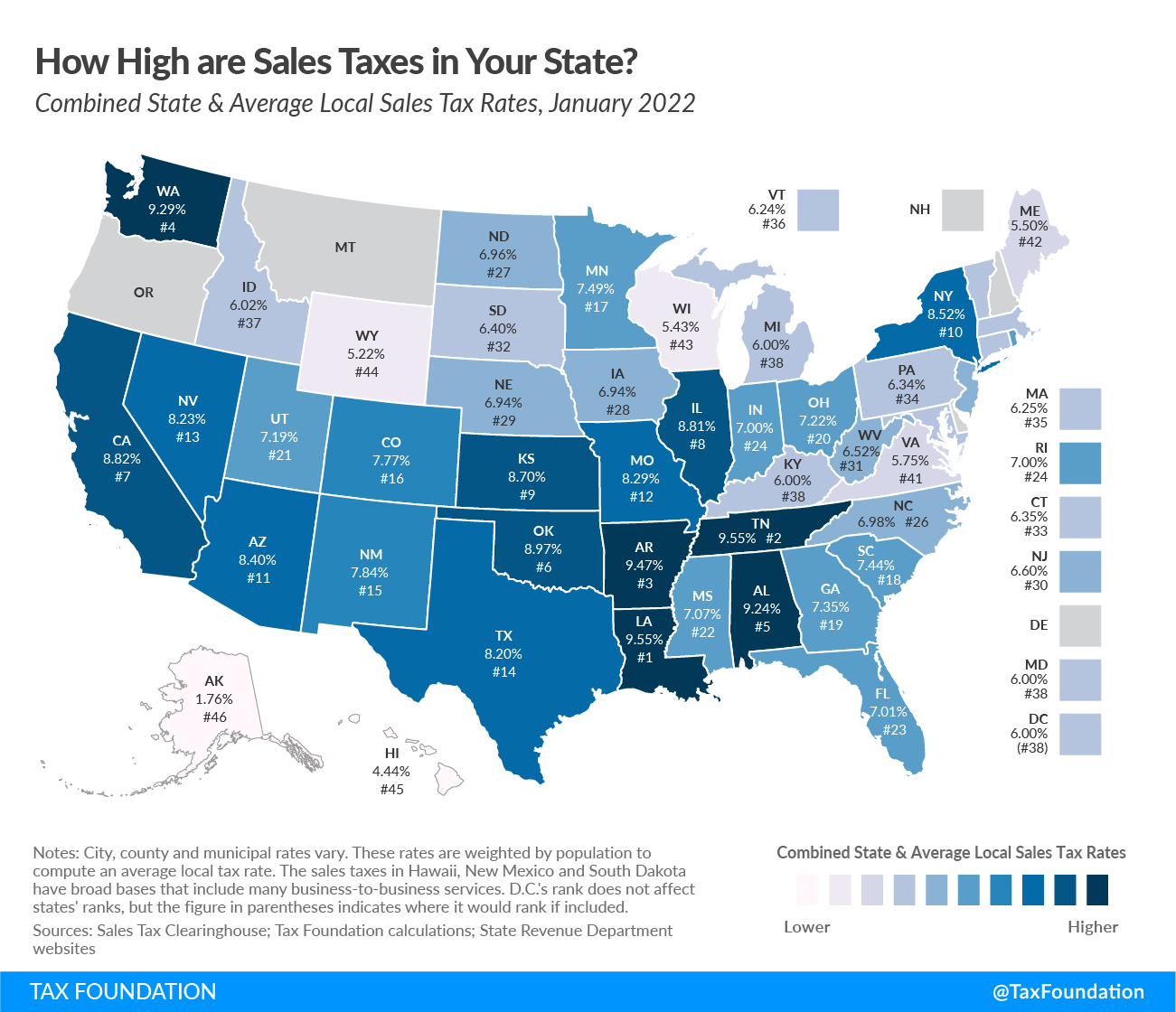
At the core of California’s sales tax structure is the statewide base rate. As of the time of writing, the statewide sales tax rate in California is 7.25%. This rate is applied to the sale of most tangible personal property and some services, unless specifically exempted by law. This 7.25% is among the highest base state sales tax rates in the United States, reflecting the state’s robust public services and infrastructure needs.
For travelers, this means that any item you purchase that is subject to sales tax will have at least this 7.25% added to its sticker price. This base rate is non-negotiable and applies uniformly across all counties and cities within California. However, it’s merely the starting point for calculating the total sales tax you’ll encounter.
The Impact of District Sales Taxes
Where things get a bit more complex, and where the actual rate you pay varies significantly, is with the addition of district sales taxes. These are local taxes imposed by various jurisdictions within California, including counties, cities, and special purpose districts (such as transportation authorities or open space districts). These district taxes are added on top of the state’s 7.25% base rate.
The combined sales tax rate can therefore range considerably, typically from just above the base 7.25% to over 10% in some areas. For instance, a city might have a district tax of 1.0%, while a county it belongs to has an additional 0.5% district tax, and a special transportation district adds another 0.25%. In this hypothetical scenario, the total combined sales tax rate would be 7.25% (state) + 1.0% (city) + 0.5% (county) + 0.25% (district) = 9.0%.
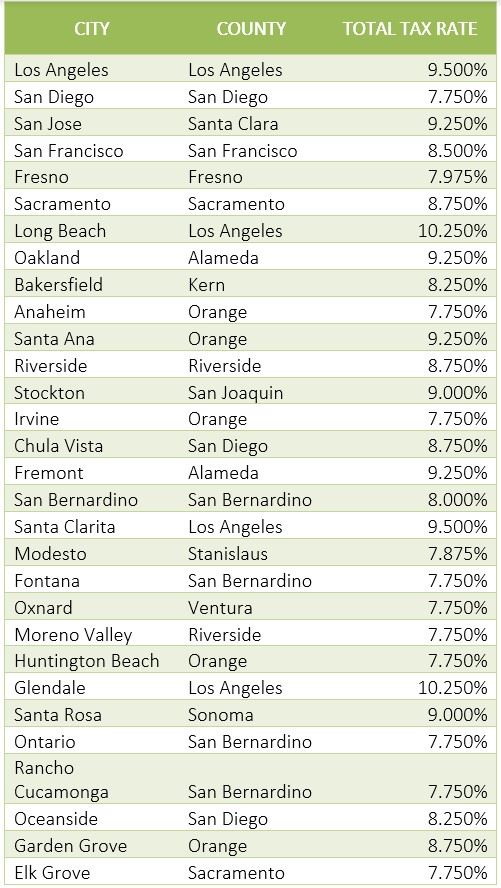
This variability means that the exact amount of sales tax you pay for an identical item can differ depending on whether you purchase it in Sacramento, Los Angeles, San Francisco, or a more rural part of the state. For example, Los Angeles County often has combined rates around 9.50% or more, while some areas of Orange County might have similar or slightly lower rates, depending on the specific city. It’s crucial for travelers to be aware of this local variation, especially when planning significant purchases or comparing prices across different regions of their itinerary. Understanding that the displayed price of an item doesn’t always reflect the final cost, once taxes are applied, is an important budgeting consideration.
What Travelers Need to Know About Sales Tax
Navigating the nuances of sales tax in California is essential for any traveler looking to manage their budget effectively. While the principle of sales tax is straightforward—a percentage added to a purchase—its application can sometimes be confusing, especially when distinguishing it from other fees and levies common in the tourism industry.
Common Purchases Subject to Sales Tax
For most travelers, sales tax primarily impacts their retail purchases and dining experiences. Here’s a breakdown of what you can generally expect to pay sales tax on:
- Retail Goods: This is the most straightforward category. Any tangible personal property you buy, such as souvenirs, clothing, electronics, books, art, and most packaged goods, will be subject to sales tax. Whether you’re shopping for luxury brands on Rodeo Drive in Beverly Hills, browsing unique boutiques in Santa Monica, or picking up essentials at a convenience store, expect sales tax to be added.
- Restaurant Meals and Prepared Food: Dining out is a significant part of the California experience, from world-class restaurants to casual cafes and food trucks. All prepared food and beverages purchased for immediate consumption, whether at a sit-down restaurant, fast-food establishment, or a deli counter, are subject to sales tax. This includes hot food from grocery stores and items like sandwiches, salads, and drinks prepared on-site. However, non-prepared groceries, like raw ingredients for cooking in a vacation rental, are generally exempt from sales tax.
- Car Rentals: When you rent a car to explore California’s scenic routes, components of the rental fee itself, and often additional items like collision damage waivers or child seats, are subject to sales tax. Be aware that car rentals also often incur a variety of other fees, such as vehicle licensing fees or airport concession fees, which are separate from sales tax.
- Select Services: While most services are not subject to sales tax in California (e.g., haircuts, dry cleaning), certain services that involve the creation or repair of tangible personal property might be. For travelers, this is less common but worth noting if you encounter a unique service provider.
Distinguishing Sales Tax from Other Traveler Levies
One of the most common points of confusion for travelers is differentiating sales tax from other charges, particularly those related to accommodation.
- Transient Occupancy Tax (TOT) / Hotel Tax: This is perhaps the most significant distinction. When you book a hotel room, resort, vacation rental, or any form of short-term accommodation in California, you will be charged a Transient Occupancy Tax (TOT), often referred to as a “hotel tax.” This is NOT sales tax. TOT rates are set by local cities and counties and can vary wildly, often ranging from 8% to 15% or even higher in popular tourist destinations like San Francisco or Anaheim (home to Disneyland). It’s applied to the room rate and is separate from the sales tax applied to goods or prepared food. Always check the total price, including TOT, when booking your accommodation.
- Resort Fees and Amenity Fees: Many resorts and hotels, especially in tourist-heavy areas, charge mandatory “resort fees” or “amenity fees.” These are often daily charges separate from the room rate, intended to cover services like Wi-Fi, fitness center access, or pool use. While these fees are not sales tax, they often are subject to TOT.
- Tourism Improvement Fees: Some districts in California levy specific tourism improvement fees, usually on hotel stays, to fund local tourism marketing or infrastructure. Like resort fees, these are distinct from sales tax but contribute to your overall travel cost.
Understanding these distinctions is vital for accurate budgeting. You’ll pay sales tax on your souvenir purchases and restaurant meals, but a separate, typically higher, TOT on your hotel stay.
Examples: Sales Tax Across Key California Destinations
The variation in combined sales tax rates means your total expenses will differ depending on where your California adventure takes you. Here are a few examples of popular destinations and their approximate combined sales tax rates (these rates are subject to change, so always verify current rates for precision):
- Los Angeles: As a sprawling metropolis encompassing many cities and unincorporated areas, Los Angeles County often sees combined sales tax rates hovering around 9.50% to 10.25% or more, depending on the specific city. For instance, shopping for luxury goods in Beverly Hills or grabbing a bite near Hollywood might incur a higher rate than a purchase in a less populated area.
- San Francisco: This iconic city by the bay also typically features one of the higher combined sales tax rates in the state, often around 8.625% to 9.375% or even higher. Whether you’re buying crafts at Fisherman’s Wharf or enjoying a meal in the Mission District, expect this rate to apply.
- San Diego: Further south, San Diego County usually has combined sales tax rates in the range of 7.75% to 8.75%. This applies to everything from beach gear to dining in the Gaslamp Quarter.
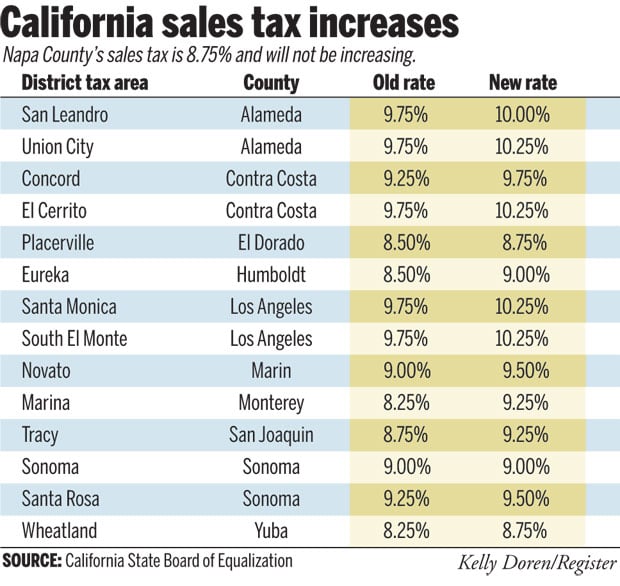
- Napa Valley / Sonoma County: In California’s wine country, the combined rates might be around 8.0% to 9.25%. While wine tasting fees themselves may not be subject to sales tax, any wine bottles you purchase, or meals at vineyard restaurants, certainly will be.
- Lake Tahoe: For mountain getaways, areas like South Lake Tahoe can have combined rates around 7.75% to 8.25%, affecting your ski rentals, outdoor gear purchases, and restaurant meals.
- Palm Springs: This desert oasis generally has sales tax rates in the 7.75% to 8.75% range, impacting everything from designer shopping to spa treatments (if they include a tangible product).
These examples highlight the importance of factoring in local rates. A significant purchase in a high-tax district could add a substantial amount to your final cost, making pre-trip research a valuable tool for budget-conscious travelers.
Smart Budgeting and Saving Tips for Your California Trip
Understanding California’s sales tax is the first step; the next is incorporating this knowledge into your travel planning to ensure a smooth and enjoyable trip. Smart budgeting can help you manage your expenses without compromising on the quality of your experience in the Golden State.
Planning for Sales Tax in Your Travel Budget
Integrating sales tax into your budget requires a proactive approach. Instead of being surprised at the checkout, consider these tips:
- Factor it In: When estimating the cost of souvenirs, clothing, or even daily meals, don’t just look at the menu price or sticker price. Mentally add an extra 8-10% (or the specific local rate you’ve researched) to account for sales tax. For significant purchases, this small percentage can add up to a considerable sum.
- Use a Buffer: It’s always wise to include a “miscellaneous” or “contingency” fund in your travel budget. This buffer can absorb unexpected sales tax costs, particularly if you find yourself making more purchases than anticipated or dining out more frequently.
- Budgeting Apps: Utilize travel budgeting apps or a simple spreadsheet to track your spending in real-time. This allows you to see how sales tax impacts your daily expenses and adjust your spending habits if needed. Many apps allow for custom categories, making it easy to track “Shopping (with tax)” or “Dining (with tax).”
- Research Specific Rates: Before visiting a particular city or region, quickly check the current combined sales tax rate for that area. Websites like the California Department of Tax and Fee Administration (CDTFA) (though I cannot link external, you can find this resource) provide updated rates by jurisdiction. Knowing this in advance can help you prioritize where to make certain purchases.
Maximizing Value: Tax-Friendly Spending Habits
While avoiding sales tax entirely is nearly impossible in California, you can adopt habits that help you maximize value and potentially reduce your overall tax burden:
- Self-Catering for Meals: One of the most effective ways to save on sales tax for food is to buy non-prepared groceries and cook your own meals. If you’re staying in a vacation rental or a hotel suite with a kitchenette, purchasing fresh produce, uncooked meats, and packaged goods from a grocery store will exempt you from sales tax on these items (as they are considered staple food products for home consumption). Only prepared foods from the deli or hot bar will be taxed.
- Prioritize Experiences Over Tangible Goods: California offers an incredible array of experiences that are not subject to sales tax, or only minimally so. Think about investing in a memorable tour, a visit to Yosemite National Park, a surf lesson in Malibu, or a theater show. While there might be service fees or admission costs, these are typically not subject to sales tax in the same way retail goods are. For example, admission tickets to Disneyland or Universal Studios Hollywood are generally exempt from sales tax, though purchases inside the parks (souvenirs, meals) will be taxed.
- Look for All-Inclusive Packages: While less common for general tourism, some resorts or specialized tours might offer all-inclusive packages where certain meals or activities are bundled. While the underlying costs, including taxes, are factored into the total price, it can simplify budgeting and give you a clearer upfront cost.
- Consider “Tax-Free” Shopping (Limited): Unlike some other countries or states, California does not offer sales tax refunds for tourists on purchases. However, for large ticket items, if you are flying out of California to an international destination and the item is directly shipped to your home country, it may be exempt. This is a complex area and requires direct arrangements with the retailer and careful adherence to shipping and customs regulations, not typically a practical option for the average tourist.
Staying Informed: How to Check Local Rates
The best way to ensure you’re always aware of the exact sales tax you’ll be paying is to be informed:
- Official Sources: The California Department of Tax and Fee Administration (CDTFA) is the authoritative source for current sales and use tax rates by county and city. A quick search on their website can provide the most up-to-date information for your specific destination.
- Ask Locals or Concierge: Don’t hesitate to ask your hotel concierge, vacation rental host, or even a friendly shopkeeper about the local sales tax rate if you’re unsure.
- Review Receipts: Always review your receipts. Not only does this help you track your spending, but it also allows you to see the exact sales tax applied to each purchase and ensure accuracy.
In conclusion, while California’s sales tax structure might seem intricate at first glance, understanding its components empowers you to become a savvier traveler. The state’s 7.25% base sales tax, combined with varying local district taxes, means the actual rate you pay will differ across destinations like Los Angeles, San Francisco, or Napa Valley. By distinguishing sales tax from other charges like the Transient Occupancy Tax on hotels, budgeting for potential costs, and making informed spending choices, you can navigate your California adventure with confidence.
The Golden State offers an abundance of unforgettable experiences, from the majestic beauty of Big Sur and Yosemite National Park to the vibrant energy of its cities. Don’t let tax concerns overshadow your journey. With a little preparation, you can immerse yourself fully in the rich culture, stunning landmarks, and diverse lifestyles that make California a premier travel destination, ensuring every dollar spent contributes to lasting memories. Happy travels!
LifeOutOfTheBox is a participant in the Amazon Services LLC Associates Program, an affiliate advertising program designed to provide a means for sites to earn advertising fees by advertising and linking to Amazon.com. Amazon, the Amazon logo, AmazonSupply, and the AmazonSupply logo are trademarks of Amazon.com, Inc. or its affiliates. As an Amazon Associate we earn affiliate commissions from qualifying purchases.