
For many, the mention of Florida conjures images of sun-drenched beaches, thrilling theme parks, and vibrant cities. It’s a premier destination for travelers worldwide, offering everything from the magical allure of Walt Disney World Resort in Orlando to the bustling nightlife of Miami and the historic charm of St. Augustine. Whether you’re planning a luxurious resort stay, a budget-friendly family adventure, or a long-term relocation to the Sunshine State, understanding the local laws is crucial for a seamless experience. Among these, comprehending car insurance requirements stands out as a fundamental aspect, especially given the state’s reliance on personal vehicles for exploration and daily life.
Driving in Florida can be an exhilarating part of your journey, offering the freedom to discover hidden gems from the Florida Keys to the panhandle. However, the sheer volume of visitors and residents on the roads makes it imperative for every driver to be adequately insured. This isn’t merely a bureaucratic formality; it’s a vital safeguard for your financial well-being and peace of mind. For tourists renting a car, or new residents settling into a lively city like Tampa or a quieter coastal town, knowing the minimum car insurance required is the first step toward responsible and worry-free driving. This comprehensive guide will break down Florida’s specific requirements, explore why these minimums might not be enough, and offer insights for both temporary visitors and permanent residents to ensure they’re fully prepared for the road ahead.
Understanding Florida’s No-Fault Insurance System
Florida operates under a “no-fault” insurance system, which is a key distinction from many other states. This system means that in the event of an accident, your own insurance company pays for your medical expenses and certain other damages, regardless of who was at fault. The primary goal of this system is to streamline the claims process, reduce litigation, and ensure prompt medical attention for injured parties. While this simplifies some aspects, it also places a significant emphasis on specific types of coverage that all drivers in Florida must carry.
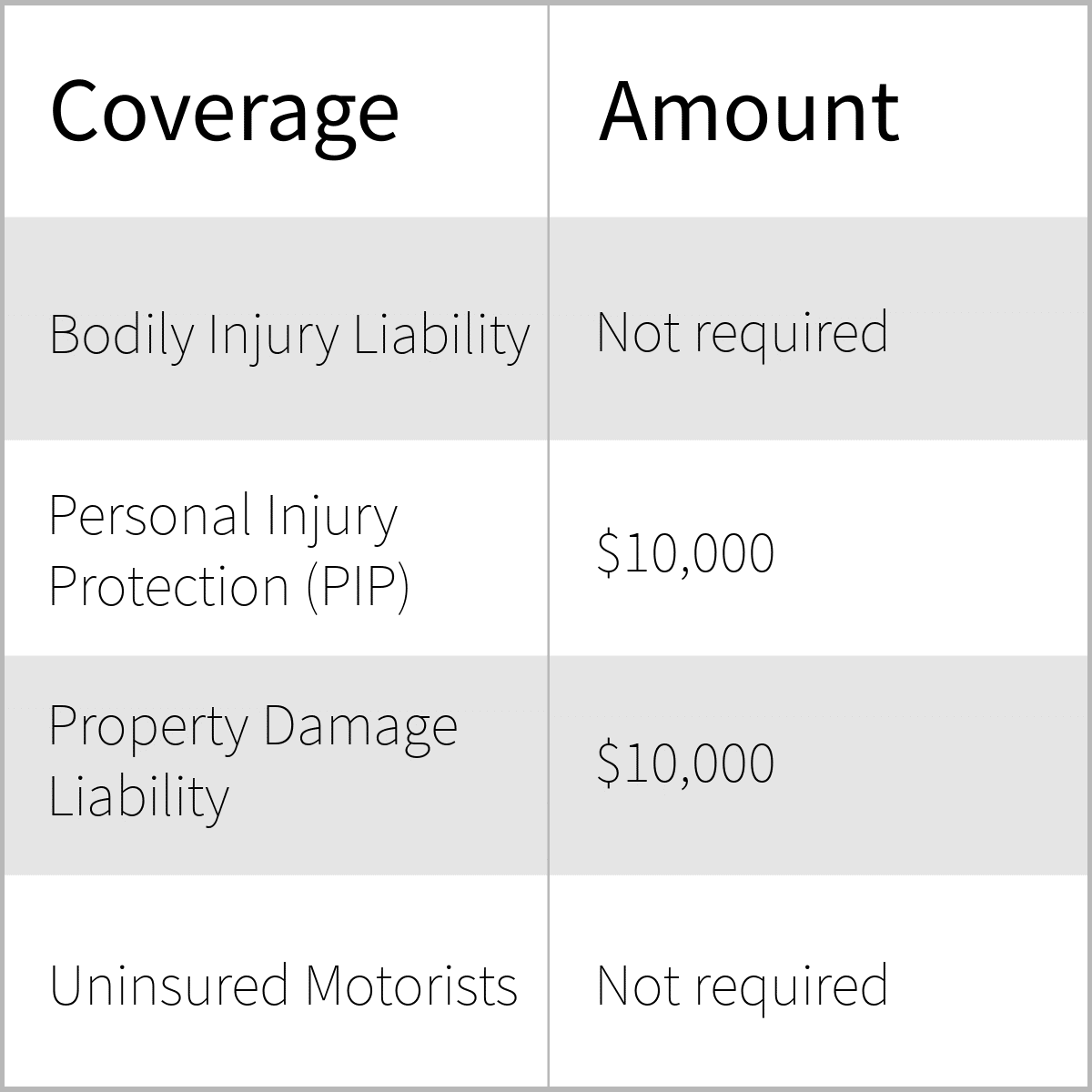
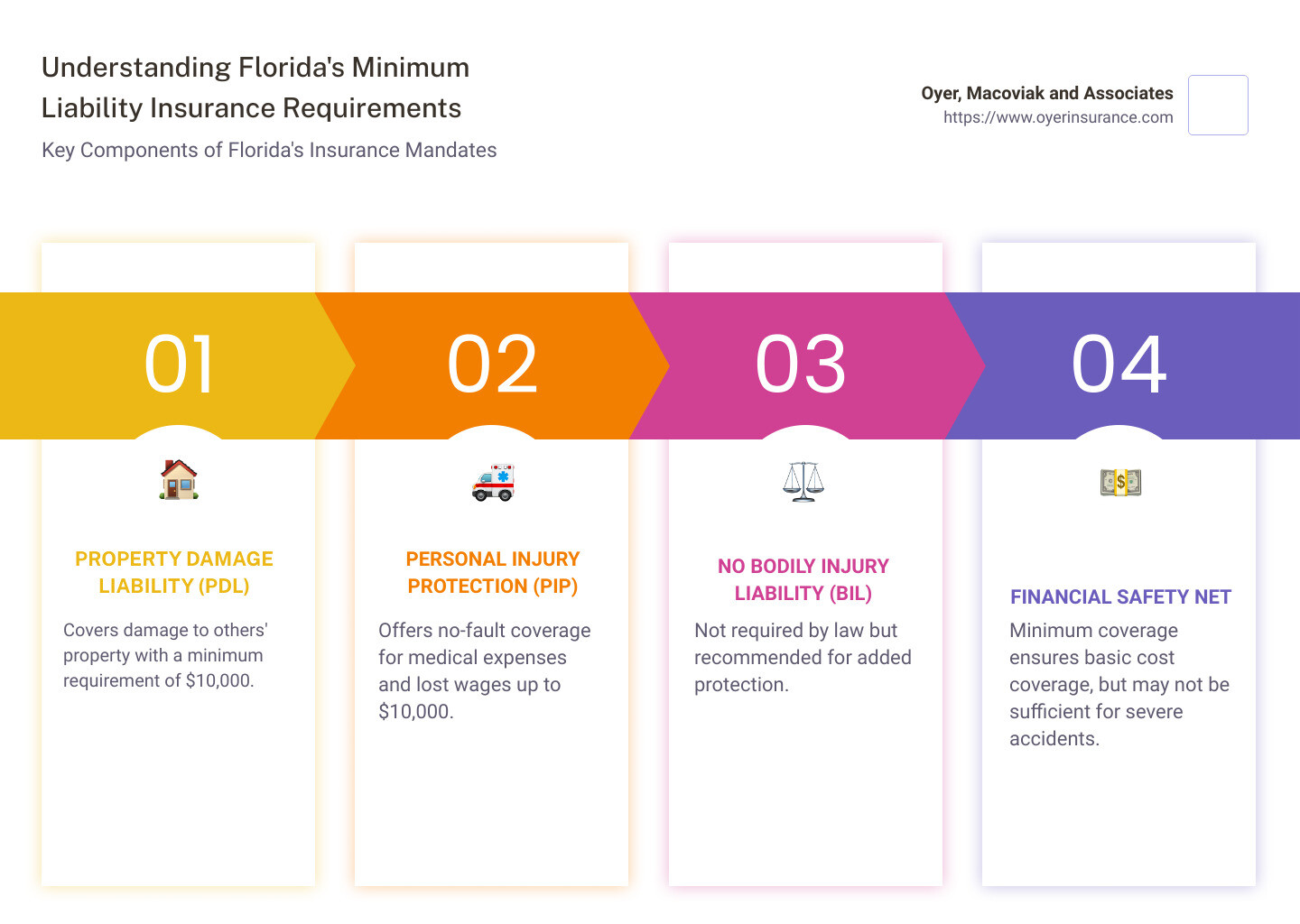
The two core components of Florida’s minimum car insurance requirements are Personal Injury Protection (PIP) and Property Damage Liability (PDL). These are non-negotiable for any vehicle registered in the state. For tourists driving their own car or those planning an extended stay, understanding these two pillars is paramount to avoid legal complications and ensure coverage should an unforeseen incident occur while cruising down scenic routes or navigating busy urban centers.
Personal Injury Protection (PIP): Your Primary Coverage
Personal Injury Protection, or PIP, is the cornerstone of Florida’s no-fault system. It is designed to cover your medical expenses and other related costs if you are injured in a car accident, regardless of who caused the collision. This means that even if another driver is entirely at fault, your PIP coverage will be the first to kick in for your injuries.
The minimum PIP requirement in Florida is $10,000. This amount covers 80% of your reasonable and necessary medical expenses, 60% of lost wages due to the injury, and even a death benefit of $5,000 if the worst should happen. This coverage extends not only to you as the policyholder but also to relatives residing in your household, and even to passengers in your vehicle who do not have their own PIP coverage. If you are struck as a pedestrian or bicyclist by a motor vehicle, your PIP coverage will also apply. This crucial aspect ensures that individuals involved in accidents receive timely care without the immediate need to determine fault, a feature particularly beneficial in a state with high traffic volumes from places like Fort Lauderdale to Clearwater Beach.
It’s important to recognize that while $10,000 might sound substantial, serious injuries can quickly exceed this limit. For travelers exploring destinations like Key West or business travelers making frequent trips, the thought of inadequate medical coverage due to an unexpected accident can be a significant source of stress. This is why, as we will discuss later, many drivers choose to supplement this minimum with additional forms of coverage.
Property Damage Liability (PDL): Protecting Others’ Assets
While PIP focuses on personal injuries, Property Damage Liability (PDL) addresses the damage you might cause to another person’s property in an at-fault accident. This means if you are responsible for a collision and damage another vehicle, a fence, a building, or any other property, your PDL insurance is designed to cover those repair or replacement costs.
The minimum PDL requirement in Florida is $10,000. This amount is allocated specifically to cover the damage you inflict on assets that belong to others. It does not cover damage to your own vehicle – that falls under different types of coverage, such as collision insurance, which is optional in Florida.
Consider a scenario where you’re navigating the busy streets of Sarasota or enjoying a scenic drive along Daytona Beach and have a minor fender bender. If you’re deemed at fault, your PDL coverage will pay for the repairs to the other driver’s car, up to your policy limit. However, much like PIP, $10,000 can be quickly exhausted, especially with the rising costs of vehicle repairs, particularly for newer models with advanced technology. If the damage exceeds your PDL limit, you would be personally responsible for paying the remaining balance out of pocket. This potential financial exposure highlights why opting for more than the minimum PDL is often a prudent decision for both residents and visitors alike, ensuring their travel plans or lifestyle isn’t derailed by an unexpected financial burden.
Beyond the Minimum: Why Additional Coverage Matters in the Sunshine State
While Florida’s minimum requirements for PIP and PDL are legally mandated, they often fall short of providing comprehensive protection in the event of a significant accident. The allure of the Sunshine State also comes with the reality of bustling roads, tourist traffic, and the potential for severe weather. For those exploring destinations like Everglades National Park or visiting world-class theme parks, relying solely on minimum coverage can expose you to substantial financial risk, transforming a dream vacation or a new beginning into a stressful ordeal.
Understanding the limitations of minimum coverage and exploring additional options is not just about adhering to the law; it’s about safeguarding your assets, ensuring your well-being, and maintaining the peace of mind essential for enjoying all that Florida has to offer. Whether you’re a luxury traveler, a budget-conscious adventurer, or a family on a grand tour, adequate insurance is a key component of responsible travel and living.
The Gaps in Minimum Coverage and Potential Risks
The $10,000 PIP and $10,000 PDL minimums are designed to provide a basic safety net, but they have significant limitations. Firstly, the PIP coverage only covers 80% of medical expenses, leaving you responsible for the remaining 20%. For serious injuries, that 20% can amount to thousands of dollars. Secondly, both limits can be quickly exceeded in an accident involving significant injuries or property damage. Imagine an accident on a major highway near Orlando, involving multiple vehicles or extensive damage to a newer, more expensive car. Your $10,000 PDL would likely be insufficient, leaving you personally liable for the excess.
Furthermore, Florida’s minimum coverage does not protect your own vehicle from damage, nor does it cover injuries to others if you are at fault beyond what your PIP covers for your own injuries (PIP is for your injuries, not others). This means if you cause an accident and another person is severely injured, their medical bills could far exceed your personal assets if you only carry the minimum. The financial repercussions could be catastrophic, impacting everything from your savings to future travel plans and quality of life. For those who frequently drive in high-traffic areas like South Beach or venture into less accessible parts of the state, these risks are amplified.
Recommended Additional Coverages for Peace of Mind
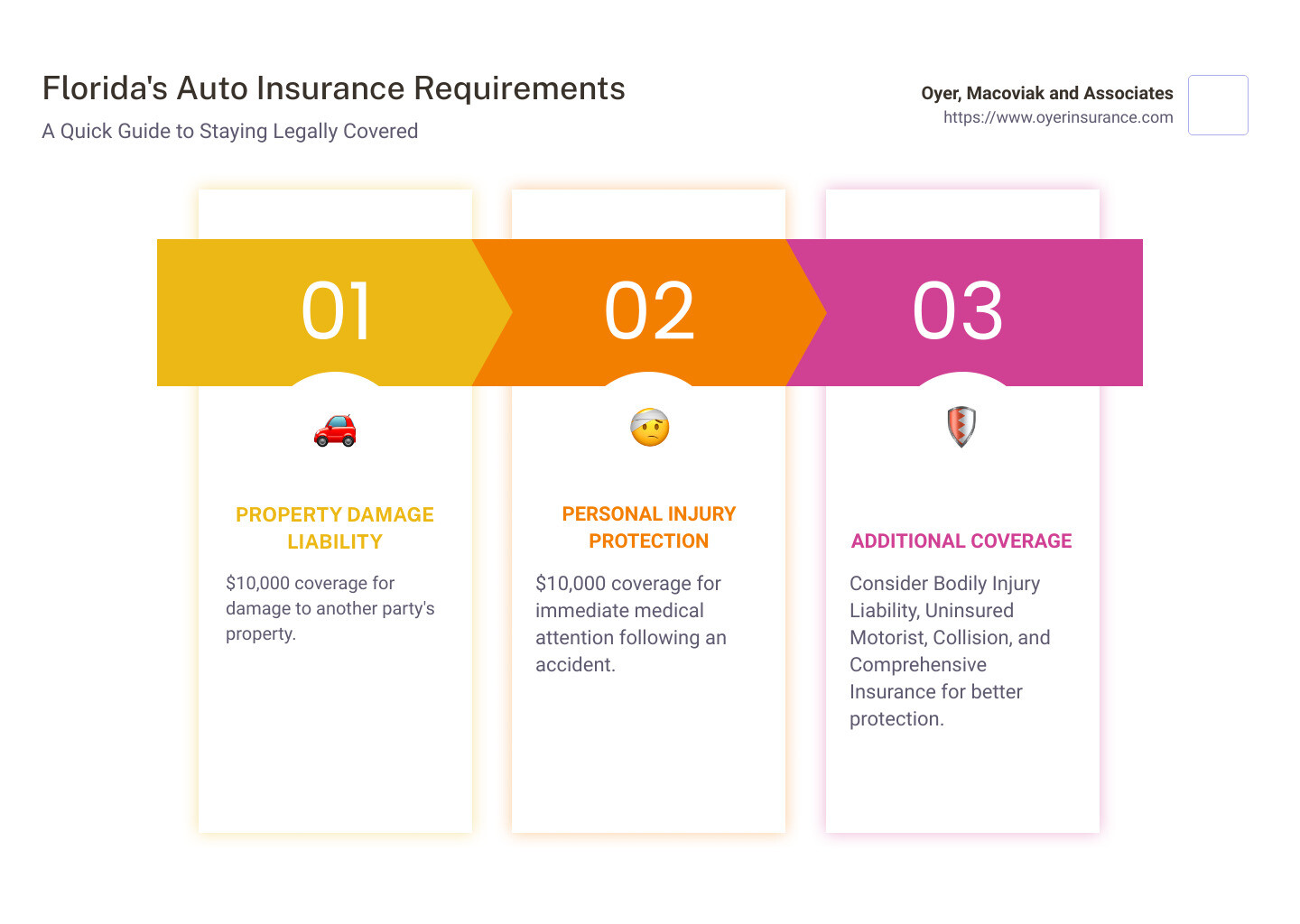
To truly protect yourself, your passengers, and your financial future while experiencing the best of Florida, considering additional types of coverage is highly recommended. These options provide a robust shield against common and often costly scenarios.
-
Bodily Injury Liability (BIL): This is perhaps the most critical addition beyond the minimums. BIL covers medical expenses, lost wages, and pain and suffering for other people if you are at fault for an accident and their injuries exceed what their own PIP covers (or if they don’t have PIP). Florida does not mandate BIL, but carrying it is a sound financial decision. Without it, you are personally responsible for these costs, which can quickly escalate into hundreds of thousands of dollars. For someone enjoying a luxurious stay in Naples, the peace of mind offered by adequate BIL cannot be overstated.
-
Collision Coverage: This covers the cost to repair or replace your own vehicle if it’s damaged in an accident, regardless of who is at fault. While not required, it’s virtually essential if you own a valuable car or are financing one. Without collision coverage, you would be solely responsible for your car’s repairs after an accident, which could be a significant financial blow, especially if you’re reliant on your vehicle for travel or daily commuting in cities like Tallahassee.
-
Comprehensive Coverage: This protects your vehicle from non-collision damages, such as theft, vandalism, fire, falling objects, and natural disasters like hurricanes or floods, which are not uncommon in parts of Florida. For those with newer cars or classic vehicles, comprehensive coverage is invaluable. Imagine your car being damaged by hail while you visit Universal Orlando Resort – comprehensive coverage would handle the repairs.
-
Uninsured/Underinsured Motorist (UM/UIM): Despite mandatory insurance laws, many drivers unfortunately operate without any insurance or with only the minimum. UM/UIM coverage protects you and your passengers if you’re involved in an accident with an at-fault driver who has no insurance or insufficient coverage to pay for your damages and injuries. This can be a lifesaver, ensuring you’re not left to pay for your own medical bills or vehicle repairs if the other party can’t.
-
Rental Car Coverage (for tourists): If you’re a tourist renting a car in Florida, your personal policy (if you have one) might extend to the rental, or your credit card company might offer some coverage. However, it’s crucial to verify this before declining the rental car company’s collision damage waiver (CDW) or loss damage waiver (LDW). This often overlooked detail can significantly impact your financial responsibility if the rental car is damaged while you’re exploring Siesta Key or driving to the Kennedy Space Center.
Navigating Car Insurance for Florida Visitors and Residents
Florida’s unique blend of tourist attractions, bustling metropolitan areas, and tranquil natural landscapes means that its roads are constantly filled with a diverse mix of drivers. From international tourists arriving at Miami International Airport to new residents settling into a seaside town, understanding car insurance isn’t a one-size-fits-all matter. The approach to coverage can vary significantly depending on whether you’re visiting for a short duration or planning a long-term stay. Tailoring your insurance strategy to your specific circumstances is essential for navigating the Sunshine State’s roads safely and legally.
Special Considerations for Tourists and Renting a Car
For the millions of tourists who flock to Florida each year, renting a car is often the preferred mode of transport for exploring its vast offerings. While rental car companies offer their own insurance products, it’s vital for visitors to understand their options and avoid unnecessary expenses or inadequate coverage.
Firstly, always check with your personal auto insurance provider before you travel. Many policies extend some level of coverage to rental vehicles, especially within the United States. Your existing policy might cover damage to the rental car (collision and comprehensive) and even provide liability coverage. However, limits and exclusions can vary, so a quick call to your insurer is highly recommended.
Secondly, many credit cards offer secondary rental car insurance benefits if you use their card to pay for the rental. This coverage typically kicks in after your primary insurance (either personal or the rental company’s policy) has been exhausted. While a useful perk, it’s crucial to understand its limitations, as it often doesn’t cover liability to other parties or certain types of vehicles.
Rental car companies will typically offer a Collision Damage Waiver (CDW) or Loss Damage Waiver (LDW). This isn’t technically insurance, but rather an agreement that the rental company waives its right to pursue you for damages to the rental car. It usually covers theft, vandalism, and collision damage to the rental vehicle itself. While seemingly expensive, it provides immense peace of mind, especially if your personal insurance or credit card coverage is insufficient or unclear. For international travelers, who may not have US-based personal auto insurance, purchasing the rental company’s coverage or a third-party rental car insurance policy is often the most straightforward and secure option for exploring from the vibrant streets of Miami to the serene landscapes of the Everglades.
Relocating to Florida: Insurance and Registration Essentials
Moving to Florida brings exciting opportunities but also a set of administrative tasks, with car insurance and vehicle registration being high priorities. Once you establish residency in Florida, you are required to register your vehicle and obtain Florida-specific car insurance within 10 days of becoming a resident or beginning employment.
This means you cannot simply continue with an out-of-state policy. You must cancel your old policy and purchase a new one that meets Florida’s PIP and PDL requirements. Insurance rates can vary significantly in Florida due to factors like population density, weather risks, and accident rates in different regions. For example, premiums might differ between a bustling city like Orlando with its tourist traffic and a quieter area.
When seeking a new policy, it’s an opportune time to reassess your coverage needs beyond the minimums. Given Florida’s unique risks, such as hurricane season or a higher likelihood of encountering uninsured motorists, considering comprehensive, collision, and uninsured motorist coverage is particularly prudent. Working with a local insurance agent can be beneficial, as they possess a deeper understanding of regional factors and can help you navigate the nuances of Florida insurance laws, ensuring your transition to the Sunshine State is as smooth as possible.
The Consequences of Driving Without Proper Insurance in Florida
Driving without the legally mandated minimum car insurance in Florida carries significant risks and severe penalties. Unlike some violations, this isn’t a minor infraction that can be easily overlooked. Florida’s Department of Highway Safety and Motor Vehicles (FLHSMV) rigorously enforces insurance requirements, and the consequences of non-compliance can be detrimental to your finances, driving privileges, and overall ability to enjoy the state.
If you are caught driving without valid Florida car insurance, or if your insurance lapses, the penalties can be immediate and impactful. These typically include the suspension of your driver’s license, vehicle registration, and even your license plates. To reinstate these, you would likely have to pay substantial reinstatement fees, provide proof of current Florida insurance, and potentially be required to maintain an SR-22 certificate for a period, which proves you have adequate insurance coverage and often leads to higher premiums.
Beyond administrative penalties, the financial repercussions of driving uninsured are far more severe. In Florida’s no-fault system, while your PIP covers your injuries regardless of fault, it doesn’t absolve you of responsibility for damages or injuries you cause to others. If you are involved in an accident and are found to be at fault while uninsured, you could be personally held liable for all damages, including medical bills for injured parties, property damage to other vehicles or structures, and legal fees. These costs can quickly amount to tens or even hundreds of thousands of dollars, leading to wage garnishments, liens on your property, and potential bankruptcy.
For visitors, being caught uninsured can ruin a meticulously planned trip to Walt Disney World Resort or a relaxing getaway in the Florida Keys, turning an adventure into a legal and financial nightmare. For residents, it can severely disrupt daily life, commuting to work, or simply enjoying the state’s natural beauty. The comparatively small cost of adequate insurance pales in comparison to the immense financial and legal burdens of driving without it. Therefore, ensuring continuous and sufficient coverage is not just a legal obligation but a fundamental aspect of responsible living and traveling in the vibrant and dynamic state of Florida.
Conclusion
Navigating the roads of Florida, whether as a fleeting tourist or a permanent resident, is an experience filled with potential for discovery and enjoyment. From the thrilling rides of Universal Orlando Resort to the historic streets of St. Augustine and the serene beaches of Clearwater Beach, the Sunshine State offers an unparalleled variety of experiences. However, to truly embrace these opportunities with peace of mind, understanding and adhering to the state’s car insurance requirements is not merely a formality but a critical element of responsible travel and living.
The minimum requirements of $10,000 Personal Injury Protection (PIP) and $10,000 Property Damage Liability (PDL) form the legal bedrock of driving in Florida’s no-fault system. They ensure a basic level of protection for medical expenses and property damage caused to others. Yet, as we’ve explored, these minimums often prove insufficient in the face of serious accidents, which can quickly lead to devastating financial consequences.
For both visitors and new residents, the takeaway is clear: while knowing the minimum is essential, aspiring for coverage beyond these bare necessities is a wise investment. Additional coverages like Bodily Injury Liability, Collision, Comprehensive, and Uninsured/Underinsured Motorist protection offer a robust shield against the many uncertainties of the road. They safeguard your financial future, your travel plans, and your overall well-being.
Ultimately, whether you’re embarking on a luxurious travel adventure, planning a budget-friendly family trip, or making Florida your new home, prioritizing adequate car insurance is a foundational step towards a worry-free and enjoyable experience. It’s about protecting yourself and others, ensuring that your journey through the beautiful and bustling landscape of Florida remains smooth, safe, and truly unforgettable.
LifeOutOfTheBox is a participant in the Amazon Services LLC Associates Program, an affiliate advertising program designed to provide a means for sites to earn advertising fees by advertising and linking to Amazon.com. Amazon, the Amazon logo, AmazonSupply, and the AmazonSupply logo are trademarks of Amazon.com, Inc. or its affiliates. As an Amazon Associate we earn affiliate commissions from qualifying purchases.