
California, a state renowned for its stunning landscapes, vibrant cities, and thriving tourism industry, presents a unique set of considerations for any traveler. Among the essential logistical facets of exploring the Golden State, understanding the cost of fuel, particularly the taxes levied on gasoline, is paramount for budget-conscious adventurers. This comprehensive guide delves into the intricacies of California’s gas tax, offering insights crucial for navigating the roads from the beaches of San Diego to the peaks of the Sierra Nevada.
The Components of California’s Gas Price
The price you see at the pump in California is a multifaceted figure, influenced by a complex interplay of global market forces, state-specific regulations, and federal impositions. Beyond the raw cost of crude oil and refining, several layers of taxation and fees contribute significantly to the final retail price. For travelers, especially those embarking on extensive road trips through diverse regions like Northern California or the arid expanse of the Mojave Desert, this understanding can be the difference between a smooth journey and a budget strain.
State Taxes and Fees
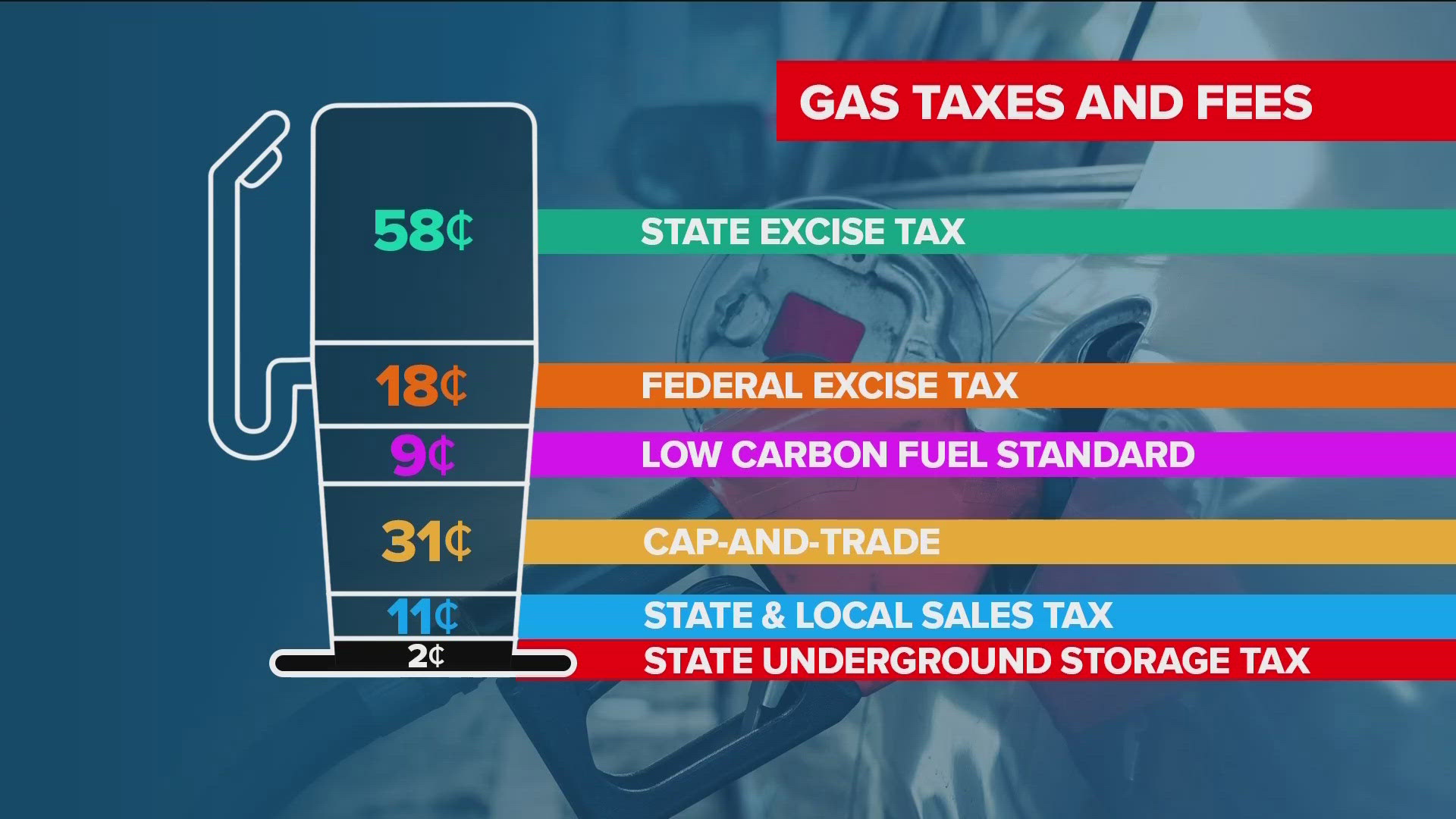
California’s state excise tax on gasoline is one of the highest in the nation. This tax is a fixed amount per gallon, meaning it doesn’t fluctuate with the retail price of fuel, offering a degree of predictability. As of recent data, this excise tax stands at a substantial sum, intended to fund various infrastructure projects, including road maintenance, public transportation, and other transportation-related initiatives across the state.
Beyond the core excise tax, California also levies a state sales tax on gasoline. This tax is a percentage of the retail price, making it a variable component that increases as the overall cost of fuel rises. Therefore, a surge in crude oil prices will not only increase the base cost of gasoline but also inflate the sales tax collected on each gallon.
Furthermore, several other state-level fees can be bundled into the pump price. These might include environmental surcharges, allocations for specific transportation improvement districts, or contributions to clean air initiatives. While individually these fees might seem small, collectively they add to the overall tax burden on gasoline consumers in California. It’s these cumulative state-level impositions that often distinguish California’s fuel costs from those in other states, impacting everything from a leisurely drive along the Pacific Coast Highway to a practical commute within Los Angeles.
Federal Taxes
In addition to state taxes, a federal excise tax is applied to gasoline nationwide. This federal tax, also a fixed rate per gallon, contributes to the Highway Trust Fund, which supports the maintenance and improvement of the national highway system. While this federal tax is a component of the price at the pump across the United States, it represents another layer of taxation that travelers in California must account for when calculating their fuel expenses for a trip encompassing destinations like Yosemite National Park or the vineyards of Napa Valley.
Other Price Influences
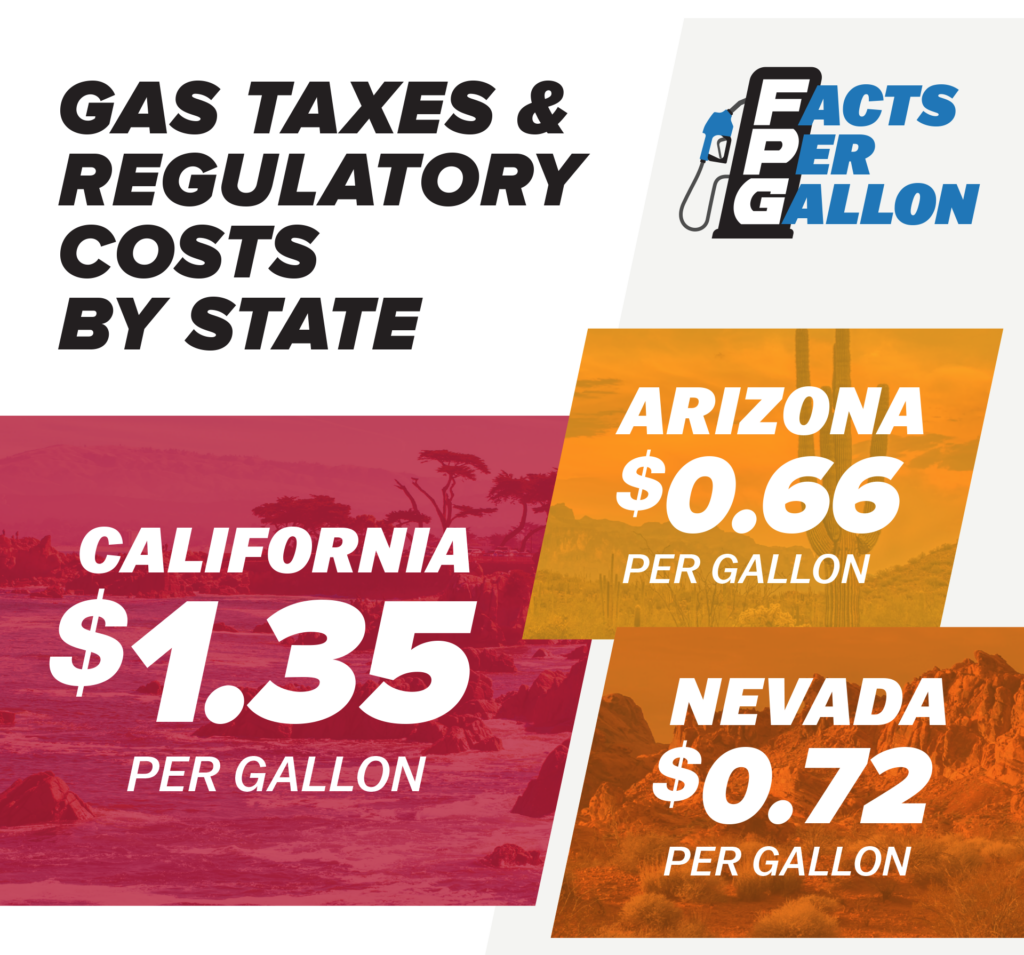
It’s crucial to acknowledge that taxes are not the sole determinant of gas prices. The cost of crude oil, global supply and demand dynamics, refining costs, and distribution expenses all play significant roles. California’s unique environmental regulations, designed to ensure cleaner burning fuels and reduce emissions, can also lead to higher refining costs, which are ultimately passed on to consumers. The state’s cap-and-trade program, aimed at reducing greenhouse gas emissions, further adds to the operational costs for refineries, indirectly influencing the price of gasoline at the retail level. These economic factors, when combined with the substantial tax structure, explain why California consistently ranks among the states with the highest gasoline prices in the U.S., a fact that travelers planning an extended stay at a resort in Palm Springs or a weekend getaway to Lake Tahoe should factor into their travel budgets.
Navigating California’s High Gas Prices for Travelers
For visitors to California, the elevated cost of gasoline is an undeniable reality. Understanding the components of this cost empowers travelers to make informed decisions and better manage their trip expenses. Whether you are planning a cross-state adventure from San Francisco to Death Valley National Park, or a more localized exploration of a specific region, budgeting for fuel is a key aspect of trip planning.
Budgeting for Fuel
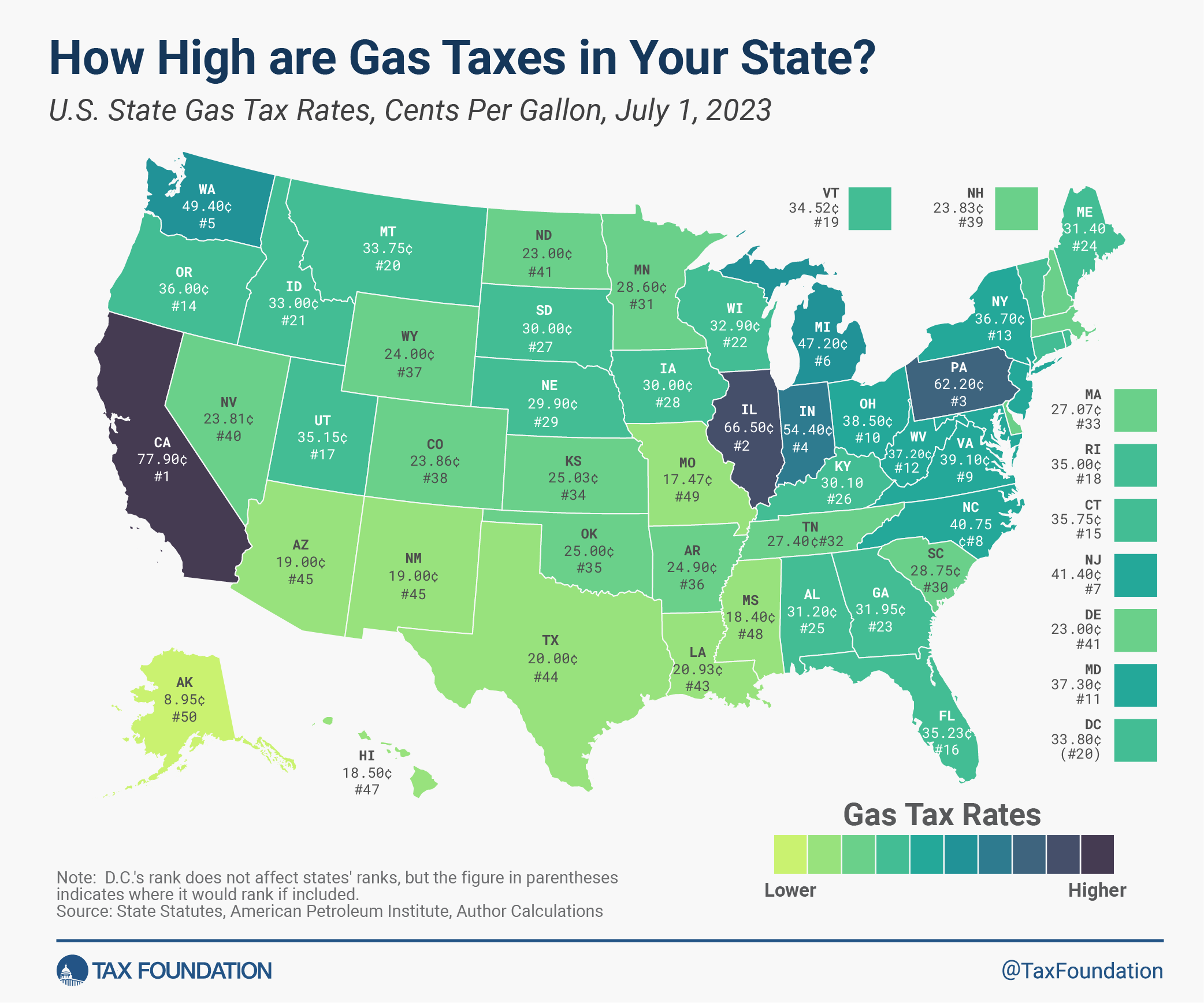
The average cost of gasoline in California can fluctuate significantly, but it consistently remains higher than the national average. Travelers should research current gas prices for the regions they plan to visit shortly before their trip and factor in a buffer for potential price increases or unexpected detours. Utilizing gas price tracking apps and websites can help identify stations with more competitive pricing, although convenience and location often play a role in the final decision. For those opting for a lengthy road trip, consider the total mileage planned and divide it by the vehicle’s average miles per gallon to estimate fuel consumption. Multiplying this by the estimated average price per gallon in California provides a solid baseline for your fuel budget. This approach is especially valuable for families undertaking a summer vacation hitting multiple theme parks in Southern California or individuals embarking on a solo exploration of the state’s national parks.
Fuel Efficiency and Vehicle Choice
The choice of vehicle can have a profound impact on your fuel expenses in California. Opting for a fuel-efficient car, hybrid, or electric vehicle can significantly reduce the amount spent on gasoline, especially for longer journeys. If renting a car, compare the fuel economy ratings of different models. For shorter trips or urban explorations, renting a smaller, more economical car might be a prudent choice. Conversely, if you plan to traverse challenging terrain or carry a significant amount of gear, a larger vehicle may be necessary, but be prepared for the corresponding increase in fuel costs. Consider the range of electric vehicle charging stations if opting for an EV, especially when planning routes through more remote areas.
Alternative Transportation and Travel Planning
Given the high cost of gasoline, travelers may also wish to explore alternative transportation options. In densely populated urban areas like San Francisco or San Diego, public transportation systems are often extensive and can provide a cost-effective way to navigate the city. Ridesharing services and carpooling can also help mitigate individual fuel expenses. For those planning to visit multiple attractions in a single metropolitan area, consider booking accommodation with convenient access to public transit or attractions to minimize driving. Group travel can also be more economical, as fuel costs can be shared among passengers. This strategy is particularly effective for families or groups of friends exploring popular tourist hubs or attending events.
Understanding California’s Tax Structure: A Deeper Dive
California’s commitment to environmental protection and robust infrastructure necessitates a comprehensive tax framework that, while contributing to vital services, significantly impacts the cost of fuel. For travelers, a nuanced understanding of these taxes can inform more strategic travel choices.
The Role of Propane and Diesel Taxes
While this article primarily focuses on gasoline, it’s worth noting that California also levies taxes on other fuels, including diesel and propane, which are relevant for certain types of vehicles and recreational activities. Diesel fuel, often used in larger vehicles like RVs and some commercial transportation, is subject to its own set of state and federal excise taxes and fees. Similarly, propane used for vehicles or other purposes is also taxed. Travelers operating RVs or towing trailers will find that the cost of diesel fuel is also subject to significant taxation in California, contributing to the overall expense of their journey through scenic routes like the Big Sur coastline.
The Impact of Environmental Regulations
California has long been at the forefront of environmental regulations aimed at improving air quality and reducing carbon emissions. These regulations, while beneficial for the environment, can increase the cost of producing gasoline. Refineries must adhere to stringent standards for fuel composition, including the reduction of harmful pollutants like sulfur. The development and implementation of specialized fuel blends, such as those required for the summer and winter months to control smog, add complexity and cost to the refining process. These costs are then reflected in the retail price of gasoline. For travelers who prioritize eco-friendly travel, understanding these regulations can also inform their choice of vehicle and driving habits to minimize their environmental footprint.
Future Trends and Potential Changes
The tax structure and pricing of gasoline in California are subject to ongoing debate and potential legislative changes. As the state transitions towards a greener economy and embraces alternative energy sources, the long-term impact on gasoline taxes and prices remains a topic of discussion. Policies aimed at promoting electric vehicles, improving public transportation, and investing in renewable energy sources may influence future fuel consumption patterns and, consequently, the way gasoline is taxed. Travelers should stay informed about potential shifts in state policy that could affect fuel costs during their visits. This proactive approach can help in adapting travel plans to evolving economic and environmental landscapes.
In conclusion, the tax on gas in California is a significant component of its retail price, influenced by a layered system of state excise taxes, sales taxes, and federal impositions, further compounded by environmental regulations and market dynamics. For any traveler venturing into the Golden State, a thorough understanding of these factors is not just informative but essential for a well-planned, enjoyable, and budget-conscious exploration of its many wonders, from the bustling streets of San Francisco to the serene beauty of Joshua Tree National Park.
LifeOutOfTheBox is a participant in the Amazon Services LLC Associates Program, an affiliate advertising program designed to provide a means for sites to earn advertising fees by advertising and linking to Amazon.com. Amazon, the Amazon logo, AmazonSupply, and the AmazonSupply logo are trademarks of Amazon.com, Inc. or its affiliates. As an Amazon Associate we earn affiliate commissions from qualifying purchases.