
The Lone Star State, renowned for its sprawling highways and love for the open road, has implemented a multifaceted approach to managing traffic flow and encouraging more efficient vehicle use. Among these strategies, the High Occupancy Vehicle (HOV) lane stands out as a significant feature on many of its major roadways. Understanding what an HOV lane is, how it operates, and its specific regulations in Texas is crucial for any driver navigating its urban centers and interstates.
The Purpose and Function of HOV Lanes
At its core, an HOV lane is a designated lane on a roadway that is reserved for vehicles carrying a specific minimum number of occupants. The primary objective behind establishing HOV lanes is to reduce traffic congestion, decrease vehicle emissions, and promote carpooling and the use of public transportation. By incentivizing drivers to share rides, the number of single-occupancy vehicles on the road can be significantly reduced, leading to smoother traffic flow and faster commute times for those who participate in ride-sharing.
Reducing Congestion
Traffic congestion is a pervasive issue in many of Texas’s rapidly growing metropolitan areas, such as Houston, Dallas, and Austin. HOV lanes offer a tangible solution by creating a preferential travel path for vehicles with multiple occupants. When fewer cars occupy the general-purpose lanes, the overall capacity of the highway effectively increases, allowing for more efficient movement of traffic for all users. This can translate to substantial time savings for commuters, making the prospect of carpooling more appealing.
Environmental Benefits
Beyond alleviating traffic, HOV lanes contribute to a cleaner environment. Each vehicle removed from general traffic due to carpooling means fewer miles driven by single-occupancy vehicles. This reduction in vehicle miles traveled (VMT) directly correlates to a decrease in fuel consumption and, consequently, a reduction in harmful emissions. Over time, widespread adoption of HOV lane usage can have a noticeable positive impact on air quality, particularly in densely populated regions.
Promoting Alternative Transportation
HOV lanes serve as a strong incentive for individuals to consider alternatives to driving alone. This can include encouraging the use of public transit, such as buses that are often permitted to use HOV lanes, as well as fostering a culture of carpooling among colleagues, friends, and neighbors. By making it more attractive and convenient to travel with others, HOV lanes actively support sustainable transportation initiatives across the state.
HOV Lane Regulations in Texas
Texas has specific rules governing the use of its HOV lanes, and adherence to these regulations is paramount to avoid citations. While the exact requirements can vary slightly depending on the specific roadway and jurisdiction, several general principles apply.
Occupancy Requirements
The most fundamental rule for HOV lanes is the minimum occupancy requirement. In Texas, this is typically set at two or more occupants per vehicle. This means that a driver must have at least one passenger to legally use the HOV lane. Certain HOV lanes might have different requirements, such as a three-person minimum, so it is always advisable to check signage carefully. Motorcycles are generally considered to meet the occupancy requirement even with a single rider.
Vehicle Types Permitted
Generally, standard passenger vehicles, including sedans, SUVs, and pickup trucks, are permitted in HOV lanes as long as they meet the occupancy requirements. However, there are exceptions and specific rules for other vehicle types:
- Buses: Public transportation buses are almost universally permitted in HOV lanes, regardless of their occupancy. This is a key element in promoting public transit.
- Motorcycles: As mentioned, motorcycles are usually allowed in HOV lanes.
- Electric Vehicles (EVs) and Alternative Fuel Vehicles: In some regions, Texas has offered incentives or exceptions for vehicles that meet certain emissions standards. However, the trend is moving towards requiring occupancy even for these vehicles. It is essential to verify current policies as these can change.
- Commercial Vehicles: Generally, large commercial trucks and trailers are prohibited from HOV lanes.
- Vehicles with Trailers: Towing a trailer often disqualifies a vehicle from using the HOV lane, even if the occupancy requirement is met.
Operating Hours and Days
HOV lanes in Texas are not always in operation. They are typically restricted to specific hours of the day and days of the week, most commonly during peak commuting times. For instance, an HOV lane might be active from 6:00 AM to 9:00 AM and again from 4:00 PM to 7:00 PM on weekdays. Outside of these designated hours, the lane often reverts to a regular travel lane, accessible to all vehicles. Always pay close attention to overhead signage indicating the hours of operation.
Access Points and Markings
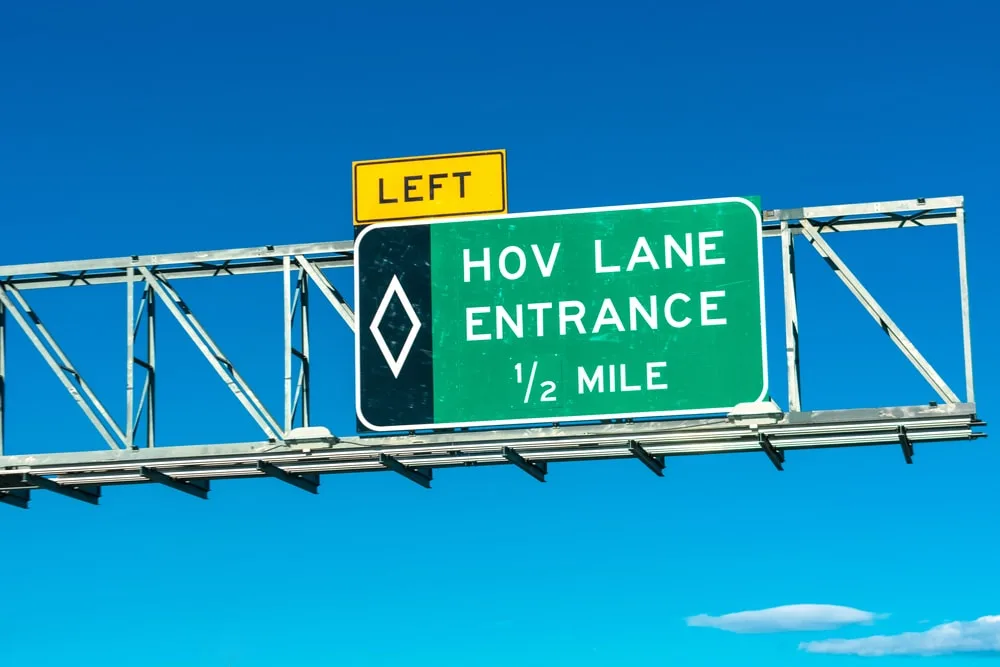
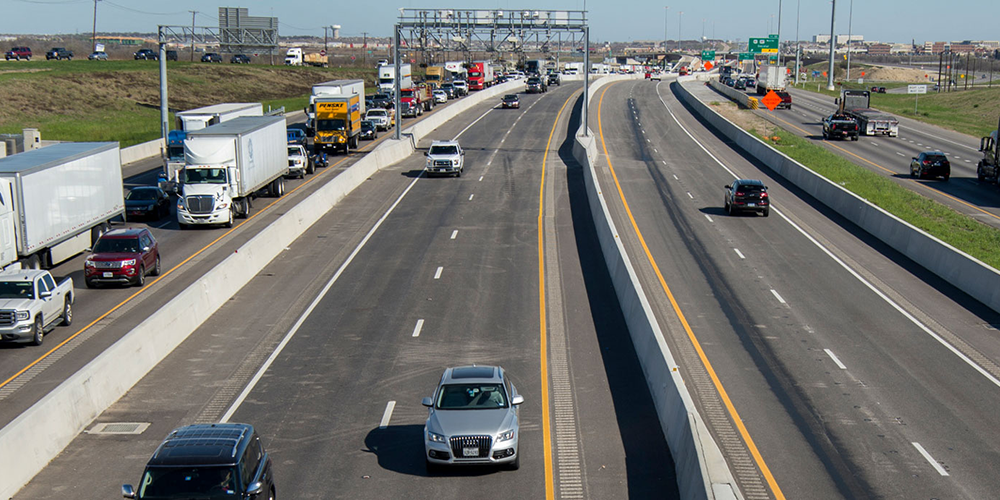
HOV lanes are clearly marked with diamond symbols painted on the road surface and distinctive signage. Access to these lanes is usually restricted to specific entrance points, and crossing solid white lines to enter or exit the HOV lane outside of designated access areas is illegal and can result in a ticket. The lanes themselves are typically separated from general-purpose lanes by buffer zones, painted lines, or sometimes physical barriers.
HOV Lanes in Major Texas Cities
Texas has embraced HOV lanes as a vital tool for managing traffic in its major urban centers.
Houston
Houston boasts an extensive network of HOV lanes, particularly on its major freeways like the Katy Freeway (I-10) and the North Freeway (I-45). These lanes are a cornerstone of the city’s transportation strategy, designed to alleviate the intense congestion experienced by commuters. The Houston Metropolitan Transit Authority (METRO) operates many of these lanes, and they are often utilized by METRO’s bus services.
Dallas-Fort Worth Metroplex
The Dallas-Fort Worth Metroplex also features a significant number of HOV lanes. Major corridors like U.S. 75 and I-35E incorporate HOV lanes to improve commute times. The North Texas Tollway Authority (NTTA) and regional transportation authorities collaborate to manage these facilities, aiming to encourage ride-sharing and reduce single-occupancy vehicle trips.
Austin
In Austin, HOV lanes are integrated into key roadways such as Mopac Expressway (Loop 1). These lanes are crucial for managing traffic on this vital artery, particularly given Austin’s rapid population growth and the associated increase in traffic volume. The Capital Metropolitan Transportation Authority plays a significant role in the operation and promotion of these HOV lanes.
Tips for Using Texas HOV Lanes Effectively
To make the most of Texas’s HOV lanes and avoid penalties, consider these practical tips:
Plan Your Commute
Before you head out, familiarize yourself with the HOV lane locations, operating hours, and occupancy requirements for your specific route. Many navigation apps now provide real-time information on HOV lane availability and restrictions. Understanding the signage is paramount.
Coordinate Carpools
If you plan to use HOV lanes regularly, coordinate with colleagues or neighbors to establish a consistent carpool schedule. This makes planning easier and reinforces the benefits of ride-sharing. Websites and apps dedicated to carpool matching can also be a valuable resource.
Ensure Correct Occupancy
Always double-check that you meet the minimum occupancy requirement before entering the HOV lane. Having a passenger who is sleeping or a child in a car seat counts towards the occupancy, but ensure they are clearly visible and the driver is not the sole occupant. Law enforcement actively monitors HOV lanes for violations.
Be Aware of Transitions
Pay close attention to designated access points for HOV lanes. Entering or exiting the lane outside of these areas, or crossing solid white lines, can result in a traffic ticket. The buffer zones are designed for safety and traffic management, and their purpose should be respected.
Consider Alternatives
While HOV lanes offer benefits, they are not the only solution to traffic congestion. If carpooling isn’t feasible for a particular trip, be prepared to use the general-purpose lanes. Remember that HOV lanes are a privilege, not a right, and their effectiveness relies on adherence to the rules.
The Future of HOV Lanes in Texas
As Texas continues to grow, the demand for efficient transportation solutions will only increase. HOV lanes are likely to remain a key component of the state’s traffic management strategy. Future developments may include:
Expansion of Networks
More HOV lanes are likely to be built or converted from existing general-purpose lanes as population density grows and transportation planners seek to optimize highway capacity.
Dynamic Pricing and Tolling
In some areas, HOV lanes have evolved into High Occupancy Toll (HOT) lanes. These lanes allow single-occupancy vehicles to use the lane by paying a toll, with the toll rate often fluctuating based on traffic volume. This provides an additional revenue stream for transportation projects while still offering a faster travel option. Texas has seen experiments with this model.

Technology Integration
Advancements in technology, such as intelligent transportation systems and connected vehicle technology, may further enhance the management and efficiency of HOV lanes. This could include dynamic adjustments to lane access or real-time occupancy verification.
In conclusion, HOV lanes are a vital and evolving aspect of Texas’s transportation infrastructure. By understanding their purpose, regulations, and benefits, drivers can contribute to smoother commutes, reduced congestion, and a cleaner environment across the state.
LifeOutOfTheBox is a participant in the Amazon Services LLC Associates Program, an affiliate advertising program designed to provide a means for sites to earn advertising fees by advertising and linking to Amazon.com. Amazon, the Amazon logo, AmazonSupply, and the AmazonSupply logo are trademarks of Amazon.com, Inc. or its affiliates. As an Amazon Associate we earn affiliate commissions from qualifying purchases.