
California, often referred to as the Golden State, beckons millions with its dazzling array of attractions, from the sun-drenched beaches of Santa Monica to the majestic peaks of Yosemite National Park. It’s a land of diverse landscapes, vibrant cultures, and unparalleled lifestyle experiences, drawing in everyone from luxury travelers seeking opulent resorts to budget adventurers exploring national landmarks. Whether you’re planning a dream vacation, considering a long-term stay, or even contemplating a move, one crucial aspect often overlooked in the excitement is the cost of living, particularly the impact of taxes. Understanding “How Much Is Taxes In California?” isn’t just a dry financial exercise; it’s an essential component of strategic budgeting that can significantly shape your travel itinerary, accommodation choices, and overall enjoyment of everything this magnificent state has to offer.
California’s tax structure is notoriously complex and often ranks among the highest in the United States. While this might initially seem daunting, a clear grasp of the various taxes—from sales tax on your everyday purchases to lodging taxes on your hotel stays and income tax for longer-term residents—empowers you to make informed decisions. This guide aims to demystify California’s tax landscape, specifically tailoring the information to travelers, tourists, and those contemplating a California-centric lifestyle, ensuring you can plan your adventures without unwelcome financial surprises. We’ll explore the direct and indirect taxes that will affect your wallet, offering insights on how to budget effectively and get the most out of your California experience, whether you’re cruising the Pacific Coast Highway, exploring the bustling streets of Los Angeles, or savoring the culinary delights of San Francisco.
Navigating California’s Tax Landscape for Travelers and Tourists
For visitors to California, certain taxes will directly impact their daily expenses and overall travel budget. These are the taxes you’re most likely to encounter, often without even realizing their specific names or rates, but they add up quickly. Understanding them is key to a stress-free trip, allowing you to allocate your funds more accurately for destinations, attractions, and experiences.
The Ubiquitous Sales Tax: What You’ll Pay on Goods and Services
One of the most immediate and widespread taxes you’ll encounter in California is the sales tax. This tax is levied on the purchase of most tangible goods, as well as some services. California has a base statewide sales tax rate, but local jurisdictions (cities and counties) can add their own district taxes, leading to varying rates across the state.
The statewide sales tax rate in California is currently 7.25%. However, once district taxes are factored in, the effective sales tax rate can range from around 7.25% to as high as 10.75% or more in some areas. For instance, if you’re shopping for souvenirs on Rodeo Drive in Los Angeles, grabbing a quick bite in San Diego, or purchasing artisan goods in a charming coastal town, you’ll be paying sales tax on almost everything. This includes restaurant meals (though not generally groceries, except for certain prepared foods), clothing, electronics, and most retail items.
- Impact on your trip: When budgeting for shopping excursions, dining out, or even picking up essentials like toiletries, remember to factor in this additional percentage. A $100 meal might cost you $107-$110 depending on the location. This can significantly affect your budget if you plan on frequent restaurant dining or extensive shopping sprees.
- Practical tip: While you can’t avoid sales tax on taxable items, being aware of it helps you set realistic spending limits. Consider exploring farmers’ markets for fresh produce, which is generally exempt from sales tax, for some meals, particularly if you opt for accommodation with kitchen facilities, such as apartments or villas.
Transient Occupancy Tax (TOT): Understanding Your Accommodation Costs
For anyone planning an overnight stay, the Transient Occupancy Tax (TOT), often referred to as a hotel tax or bed tax, is a critical factor. This tax is imposed on guests staying in hotels, motels, inns, resorts, and even short-term vacation rentals for periods typically less than 30 days. The funds collected from TOT usually go towards funding local services and promoting tourism in the area.
Unlike sales tax, which has a statewide base, TOT rates are determined by individual cities and counties, leading to significant variations across California. These rates can range dramatically, often from 8% to as high as 17% or more in popular tourist destinations.
- Examples of TOT rates (approximate and subject to change):
- San Francisco: Often around 14-16%, plus other fees.
- Los Angeles City: Around 14%.
- San Diego: Around 10.5%.
- Santa Monica: Approximately 15%.
- Impact on your trip: If you book a hotel room for $200 per night in a high-TOT area, you could be paying an additional $30-$34 per night just in this tax. Over a week-long stay, this adds up to hundreds of dollars, a sum that could otherwise be spent on attractions, food, or other experiences. Many online booking platforms and travel guides now include estimated taxes in their initial price quotes, but it’s always wise to double-check the final breakdown before confirming your booking.
- Practical tip: When comparison shopping for accommodation, always look at the total price, including all taxes and fees. Staying slightly outside the most popular tourist hubs might offer lower TOT rates, even if the base room rate is similar. For long-term stays (over 30 days), you are generally exempt from TOT, which can be a significant saving for digital nomads or those considering an extended workcation.
Fueling Your California Adventures: The Gas Tax
California is a state made for road trips, from cruising down the scenic Pacific Coast Highway to exploring the vast expanses of its national parks like Yosemite National Park. However, the joy of the open road comes with a considerable price tag at the pump due to California’s high gas tax. The state imposes one of the highest per-gallon fuel taxes in the nation, combining state excise tax, sales tax, and other fees.
As of recent years, the total state tax on gasoline typically hovers around 60-70 cents per gallon, often making California gas prices significantly higher than the national average. When you add federal taxes and local sales taxes (which also apply to gasoline), the cumulative tax burden on fuel can be substantial.
- Impact on your trip: If your travel plans involve extensive driving—renting a car to explore multiple cities, venturing into wine country, or embarking on an epic cross-state journey—your fuel budget needs careful consideration. A multi-day road trip could easily consume hundreds of dollars in gasoline, a significant portion of which is tax.
- Practical tip: To mitigate the impact of the gas tax, consider fuel-efficient rental cars or electric vehicles (EVs), especially if you’re staying in areas with accessible charging stations. In major metropolitan areas like Los Angeles and San Francisco, utilize public transportation options such as BART in the Bay Area or Metro in LA for local excursions. Carpooling and planning routes efficiently to avoid unnecessary detours can also help conserve fuel and reduce costs.
Beyond Tourism: Taxes and the California Lifestyle
While sales tax, lodging tax, and gas tax are the primary concerns for short-term visitors, those contemplating a longer stay, working remotely from California, or considering a permanent move will need to understand additional tax implications. These taxes directly influence the overall cost of adopting a California lifestyle, whether it’s a temporary change or a permanent one.
Income Tax in the Golden State: A Deeper Dive
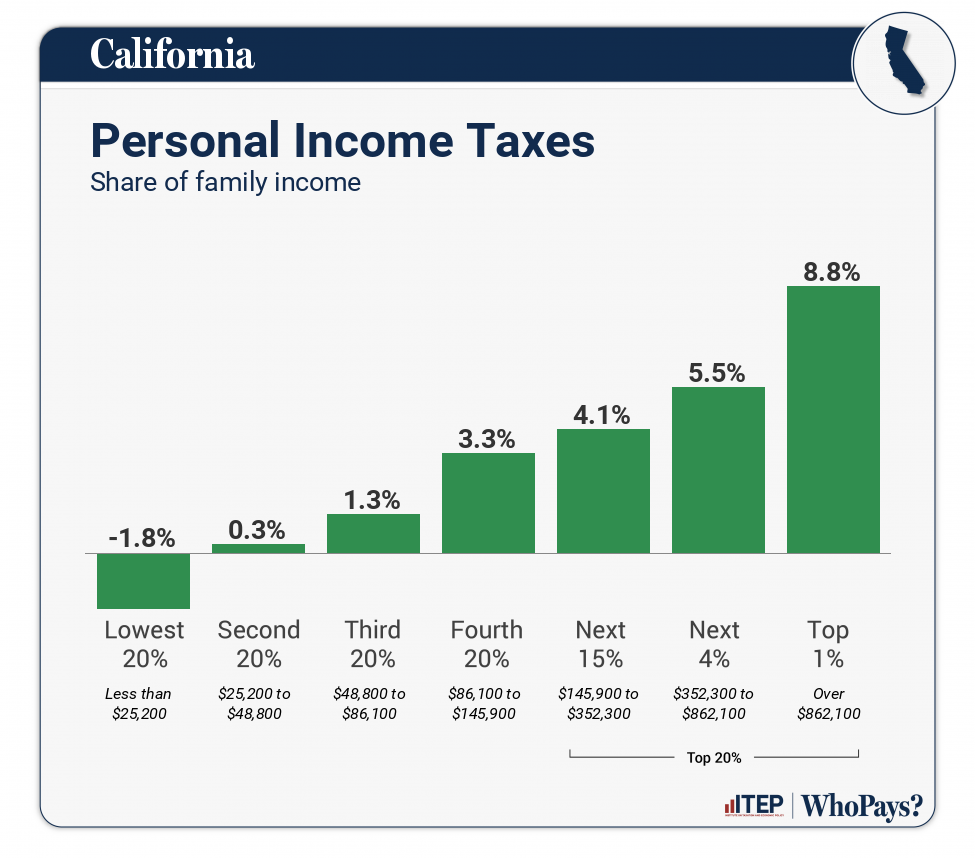
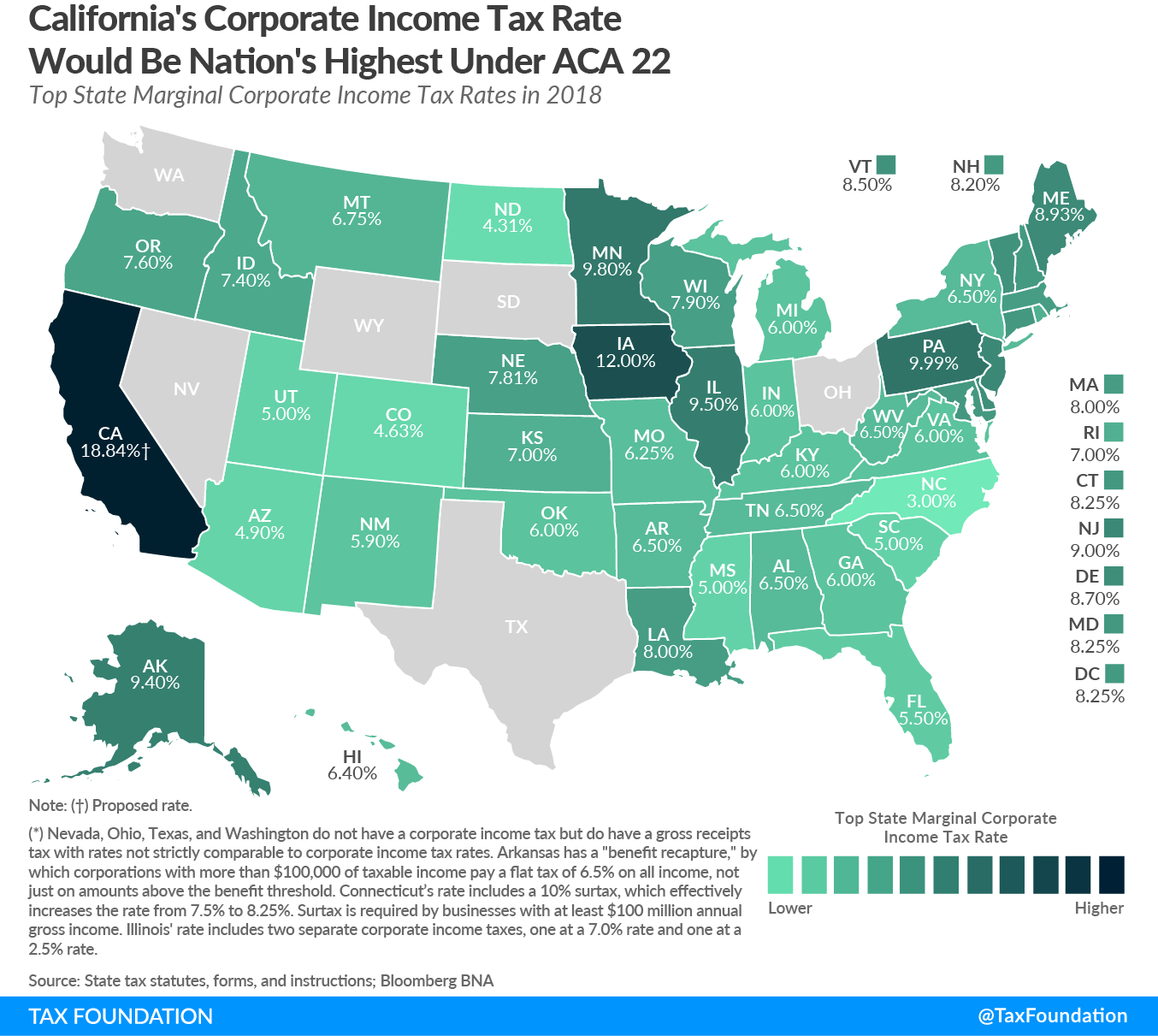
California has a progressive state income tax system, meaning higher earners pay a larger percentage of their income in taxes. The state’s income tax rates are among the highest in the nation, with marginal rates ranging from 1% to as high as 12.3% for top earners, and an additional 1% surcharge for taxable incomes over $1 million, bringing the top marginal rate to 13.3%.
- Who it affects: If you are a remote worker, a digital nomad planning an extended stay (generally more than six months can trigger residency for tax purposes), or someone considering moving to California, understanding these rates is crucial. Your gross income might look appealing, but the net income after California state taxes (in addition to federal taxes) can be significantly lower than in many other states.
- Impact on your budget: For those looking to experience the California lifestyle for an extended period, perhaps renting an apartment for a few months in Silicon Valley or a villa in Napa Valley, this tax will directly impact your disposable income. It’s a key factor to consider when evaluating whether your desired lifestyle, be it luxury travel or budget travel, is sustainable in the state.
- Practical tip: Consult with a tax professional if you plan an extended stay or move to California, especially if you have income from sources outside the state. Understanding residency rules and potential tax credits or deductions can help you plan your finances more effectively.
Property Tax Implications: For Homeowners and Renters Alike
While property taxes directly impact homeowners, they indirectly influence everyone, including renters and visitors, by affecting the overall cost of living and, consequently, the prices of goods and services. California’s property tax system is somewhat unique due to Proposition 13, enacted in 1978. This proposition limits the annual increase in assessed property value to no more than 2% per year (plus inflation), except when the property changes ownership, at which point it is reassessed to its current market value. The base property tax rate is generally 1% of the assessed value, plus additional local levies for bonds or special districts.
- Who it affects: For those considering purchasing real estate in California, the property tax burden will be a significant ongoing expense. For renters, landlords factor property taxes into rental prices. In areas with high property values, like Los Angeles, San Francisco, and Silicon Valley, the high cost of property taxes contributes to the notoriously high rental costs and overall cost of living.
- Impact on your budget: While not a direct tax for tourists, the high property values and associated taxes contribute to the elevated prices you see for everything from housing to dining. This high cost of doing business affects local enterprises, which then pass some of these costs onto consumers. This means that even if you’re just visiting, the prices of many items and services you consume will be indirectly inflated by property taxes.
- Practical tip: When planning an extended stay, researching rental markets in different parts of California can reveal significant variations. Some regions offer a more affordable cost of living than the major metropolitan areas, making a longer stay more feasible for those on a tighter budget.
Strategic Budgeting and Tax-Smart Travel Tips for California
Understanding California’s tax structure is the first step; the next is to apply this knowledge to create a smart travel budget. By making informed choices, you can mitigate the impact of taxes and maximize your enjoyment of the Golden State.
Planning Your Accommodation Budget Wisely
Accommodation often constitutes the largest single expense for travelers, and with the Transient Occupancy Tax (TOT) adding a significant percentage, smart planning is crucial.
- Consider diverse accommodation types: While hotels and resorts are popular, exploring alternatives like short-term apartment rentals, villas, or bed and breakfasts can sometimes offer better value or even lower effective TOT rates, depending on the specific location and booking platform. For longer stays, look for properties that offer monthly rates, as stays over 30 days are typically exempt from TOT.
- Location, location, location: TOT rates vary by city and county. Staying in a charming town just outside a major tourist hub might offer lower TOT rates and potentially lower base room rates, providing substantial savings. For example, rather than staying directly in downtown San Francisco, exploring options in neighboring cities like Oakland or Berkeley could yield savings, though you’d need to factor in commuting costs.
- Look for bundled deals: Some resorts or travel packages may offer all-inclusive rates that bundle some taxes or fees, simplifying your budget and potentially offering better overall value. Always confirm what is included in the “total price” before booking.
Dining and Entertainment: Savvy Spending
Sales tax applies to most restaurant meals and many entertainment options. Strategizing your spending can help you keep these costs in check.
- Cook your own meals: If your accommodation has a kitchen, purchasing groceries from supermarkets (which are generally exempt from sales tax for staple foods) and preparing some of your meals can lead to significant savings compared to dining out for every meal. This is also a great way to experience local culture through regional ingredients.
- Balance high-cost dining with casual options: Enjoy a few splurge meals at California’s renowned restaurants, but balance them with more casual eateries, food trucks, or picnics at picturesque landmarks or beaches. Remember that even casual dining still incurs sales tax.
- Free and low-cost attractions: California offers an abundance of free or low-cost activities. Exploring its stunning state parks (though some have entrance fees), hiking trails, beaches, and many urban landmarks can provide incredible experiences without added sales tax on admission tickets (unlike paid attractions like Disneyland or Universal Studios Hollywood, where ticket prices are subject to sales tax in many cases). Many museums offer free admission days, which are worth researching.
Transportation Choices and Tax Efficiency
The high gas tax can quickly inflate your transportation budget, especially for extensive driving.
- Public transportation in urban areas: In major cities like Los Angeles and San Francisco, robust public transportation networks exist. Utilizing systems like BART in the Bay Area or Metro in Los Angeles can save you money on gas, parking fees, and rental car taxes. Consider purchasing multi-day passes for convenience and potential savings.
- Ridesharing and taxis: For shorter distances or when public transport isn’t feasible, ridesharing services (like Uber or Lyft) or traditional taxis can be good alternatives to driving your own rental car, reducing direct exposure to gas tax. However, these services will include their own taxes and surcharges.
- Electric vehicles (EVs): If renting a car, consider an EV. While the initial rental might be slightly higher, the savings on fuel, especially with California’s expensive gasoline, can offset the cost, provided you have access to charging infrastructure.
- Biking and walking: For exploring specific neighborhoods or smaller towns, renting a bike or simply walking allows you to immerse yourself in the local culture and bypass all transportation taxes entirely. Many cities offer bike-sharing programs.
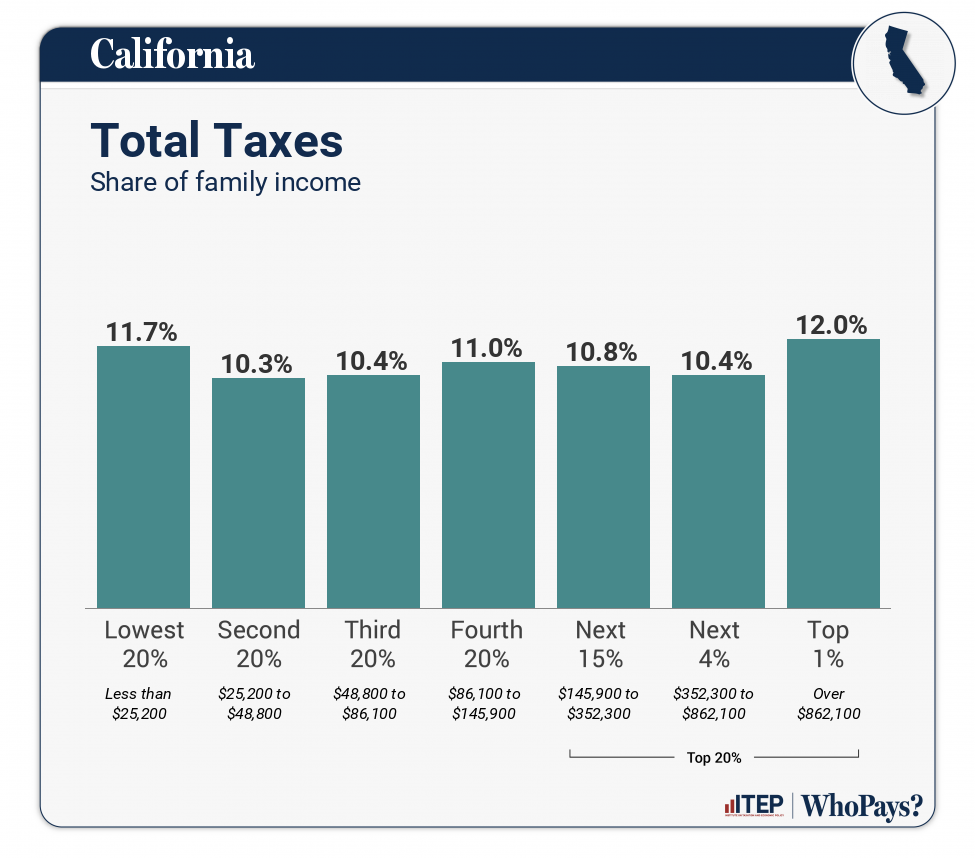
In conclusion, understanding “How Much Is Taxes In California?” is not about being deterred by the costs, but rather about being prepared. While the Golden State does have a higher tax burden compared to many other parts of the U.S., its unparalleled beauty, diverse attractions, and unique lifestyle experiences make it a destination truly worth experiencing. By factoring sales tax, lodging tax, gas tax, and other potential taxes into your budget, and by employing smart travel strategies, you can ensure your journey through California is as financially smooth as it is unforgettable. Prepare wisely, and you’ll be free to enjoy every sun-soaked moment and every iconic vista this incredible state has to offer.
LifeOutOfTheBox is a participant in the Amazon Services LLC Associates Program, an affiliate advertising program designed to provide a means for sites to earn advertising fees by advertising and linking to Amazon.com. Amazon, the Amazon logo, AmazonSupply, and the AmazonSupply logo are trademarks of Amazon.com, Inc. or its affiliates. As an Amazon Associate we earn affiliate commissions from qualifying purchases.