
Navigating the requirements for vehicle upkeep is a crucial aspect of responsible car ownership, especially when it comes to mandatory inspections. For residents and visitors alike who find themselves in the vast state of Texas, understanding the cost and process of a Texas car inspection is essential. This guide delves into the financial implications, the reasons behind the inspection, and what you can expect when taking your vehicle for its annual check-up.
Understanding the Texas Vehicle Inspection Program
The Texas Department of Public Safety (DPS) oversees the Texas Vehicle Inspection Program (VIP). This program is designed to ensure that all registered vehicles operating on Texas roadways meet minimum safety and environmental standards. The inspection is a two-part process, consisting of a safety inspection and an emissions test (in certain counties).

Safety Inspection
The safety inspection is a comprehensive check of your vehicle’s essential components. This includes:
- Brakes: The condition and functionality of your brake system are paramount. Inspectors will check brake pads, rotors, calipers, and the overall stopping power of your vehicle.
- Tires: Tread depth, even wear, and absence of damage are assessed. Improperly worn tires can significantly impact handling and safety.
- Lights: All exterior lights, including headlights, taillights, brake lights, turn signals, and hazard lights, must be in working order and correctly aimed.
- Windshield Wipers and Washers: Effective wipers are crucial for visibility, especially during inclement weather. The washer fluid system also needs to be functional.
- Horn: The horn must produce a sound and be audible at a reasonable distance.
- Mirrors: All mirrors (rearview and side mirrors) must be intact and properly adjusted.
- Exhaust System: The exhaust system is checked for leaks and excessive noise, which can indicate potential safety hazards or environmental concerns.
- Steering and Suspension: Components like ball joints, tie rods, and shock absorbers are inspected for wear and tear that could affect vehicle control.
- Seat Belts: All seat belts must be present, functional, and in good condition.
- Airbags: While not always a visual inspection, the airbag warning light should not be illuminated.
Emissions Test (Ozone Check)
In most of Texas’s larger metropolitan areas, an emissions test is also required. This “Ozone Check” is part of the state’s efforts to combat air pollution. The emissions test typically involves connecting a diagnostic tool to your vehicle’s On-Board Diagnostics (OBD-II) port. This tool reads data from your car’s computer to assess the efficiency of its emissions control systems.
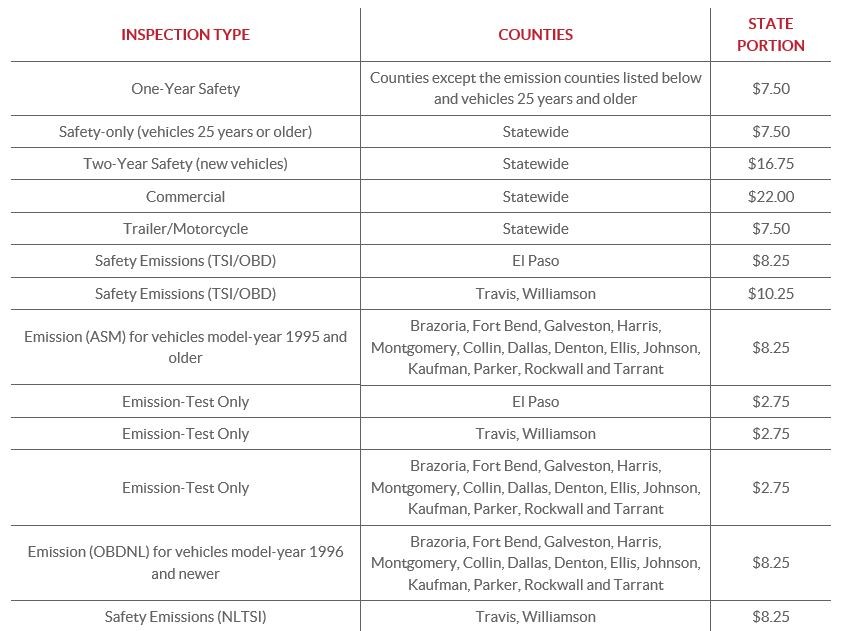
- Applicable Counties: The emissions test is mandatory in the following counties: Brazoria, Collin, Dallas, Denton, Ellis, Fort Bend, Galveston, Harris, Johnson, Kaufman, Liberty, Montgomery, Parker, Rockwall, Tarrant, Travis, and Williamson.
- Exemptions: Certain vehicles are exempt from the emissions test, including:
- Vehicles that are newer than two model years.
- Vehicles that are older than 25 model years.
- Diesel-powered vehicles.
- Electric vehicles.
- Motorcycles.
- Vehicles with a Gross Vehicle Weight Rating (GVWR) of more than 26,000 pounds.
- Vehicles with specific qualifying modifications or older than a certain age where testing is not feasible.
The Cost of a Texas Car Inspection
The question of “How much is a Texas car inspection?” has a straightforward answer, but it’s important to understand the components that contribute to the total cost. The state of Texas sets a maximum price that inspection stations can charge, ensuring a standardized cost across the state.
Safety Inspection Fee
The maximum fee for a safety inspection in Texas is $7.50. This fee covers the technician’s time and expertise in performing the safety checks outlined above.
Emissions Test Fee (Ozone Check)
If your vehicle requires an emissions test, there is an additional fee. The maximum fee for an emissions test is $15.00. This fee is charged by the inspection station on behalf of the state’s environmental programs.
Total Inspection Cost
Therefore, the total cost for a vehicle requiring both a safety inspection and an emissions test in Texas will be the sum of these two fees:
$7.50 (Safety Inspection) + $15.00 (Emissions Test) = $22.50 (Total)
For vehicles that do not require an emissions test (e.g., those outside the designated counties or specific vehicle types), the cost will only be the $7.50 for the safety inspection.
It is important to note that these are maximum fees. Some inspection stations may charge slightly less, but they cannot exceed these amounts. Always confirm the exact cost with the inspection station before beginning the service.
Where to Get Your Vehicle Inspected
Finding an authorized inspection station is straightforward. These stations are licensed by the state and are typically found at:
- Auto Repair Shops: Many independent and chain auto repair businesses are authorized inspection stations.
- Dealerships: New and used car dealerships often offer inspection services.
- Quick Lube and Tire Centers: Businesses specializing in oil changes, tire services, and general maintenance frequently provide inspections.
- Some Gas Stations: Certain service stations are also equipped to perform vehicle inspections.
How to Identify an Authorized Station
Look for the official Texas Department of Public Safety inspection sticker displayed prominently at the station. These stickers indicate that the business is authorized and adheres to state regulations for conducting inspections. You can also search the Texas DPS website for a list of licensed inspection stations in your area.
What Happens During the Inspection Process?
Upon arriving at an inspection station, you will typically hand your vehicle keys and registration to the technician. They will then perform the safety inspection, checking all the required components.
For Vehicles Requiring Emissions Testing
If your vehicle is in a designated emissions testing county, the technician will then proceed to the emissions test. They will connect their diagnostic equipment to your vehicle’s OBD-II port, usually located under the dashboard on the driver’s side. The system will then communicate with your car’s computer to gather the necessary emissions data.
Passing the Inspection
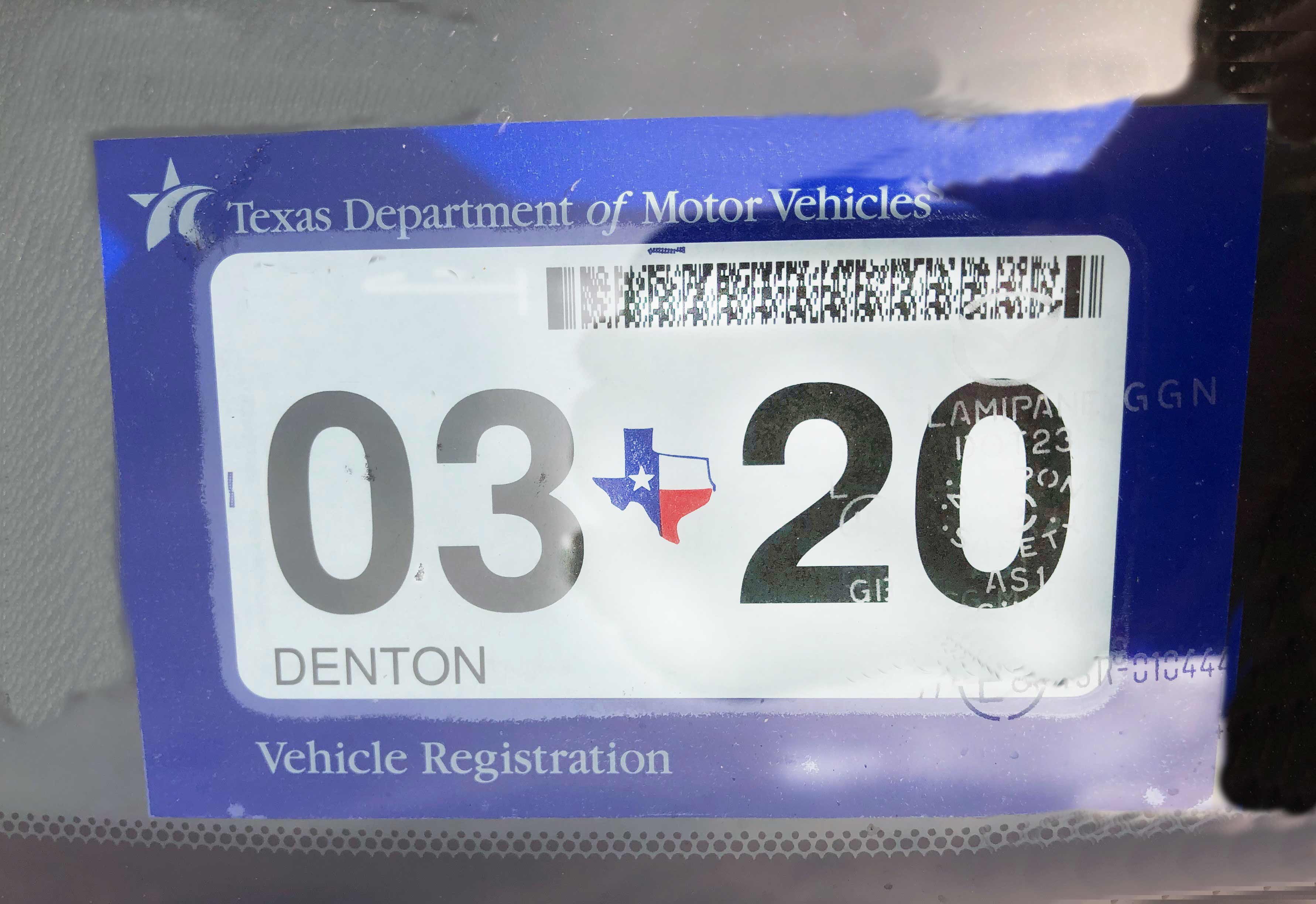
If your vehicle successfully passes both the safety inspection and the emissions test (if applicable), you will be issued a Texas Vehicle Inspection Report (VIR) and an inspection sticker. The sticker should be affixed to your vehicle’s windshield, typically in the lower driver’s side corner. The VIR is a receipt and proof of inspection.
Failing the Inspection
If your vehicle fails either the safety inspection or the emissions test, you will receive a VIR indicating the reason for failure. You will have a specific timeframe (usually 30 days) to make the necessary repairs and have the vehicle re-inspected. The re-inspection for the same components typically does not incur an additional inspection fee, but you will be responsible for the cost of any repairs.
Common Reasons for Failure
- Safety: Worn tires, non-functional lights, damaged exhaust systems, or faulty brake components are frequent causes of safety inspection failures.
- Emissions: Issues with the catalytic converter, oxygen sensors, or engine performance can lead to an emissions test failure. Check engine lights being illuminated are an immediate reason for failure.
Important Considerations and Tips
- Timing is Key: Your vehicle’s inspection sticker is valid for 12 months from the month of issuance. It’s advisable to get your inspection done before the sticker expires to avoid any potential penalties.
- Registration Link: In Texas, passing your vehicle inspection is a prerequisite for renewing your vehicle registration. You cannot renew your registration without a valid inspection certificate.
- Pre-Inspection Check: Before heading to the inspection station, perform a quick check of your vehicle yourself. Ensure all lights are working, your tires have adequate tread, and your windshield wipers are functional. This can save you time and potential re-inspection fees.
- Check Engine Light: If your “Check Engine” light is on, your vehicle will automatically fail the emissions test. It’s best to have this issue diagnosed and repaired before attempting an inspection.
- Keep Records: It’s wise to keep your VIRs in a safe place, as they serve as important documentation of your vehicle’s maintenance history.
- Authorized Inspectors: Ensure you are visiting a licensed and authorized inspection station. Unofficial inspections are not valid.
Understanding the cost and process of a Texas car inspection is a vital part of responsible vehicle ownership. By familiarizing yourself with these requirements, you can ensure your vehicle remains safe, compliant with state laws, and ready for any journey, whether it’s a scenic drive along the Texas Hill Country or a practical daily commute. The straightforward fee structure, with a maximum of $7.50 for safety and an additional $15.00 for emissions (where applicable), makes budgeting for this annual requirement easy.
LifeOutOfTheBox is a participant in the Amazon Services LLC Associates Program, an affiliate advertising program designed to provide a means for sites to earn advertising fees by advertising and linking to Amazon.com. Amazon, the Amazon logo, AmazonSupply, and the AmazonSupply logo are trademarks of Amazon.com, Inc. or its affiliates. As an Amazon Associate we earn affiliate commissions from qualifying purchases.