
Understanding the financial framework of the islands is essential for anyone interested in the unique lifestyle of Hawaii. Whether you are a digital nomad planning a long-term stay in Honolulu, a budget traveler navigating the costs of the Pacific Ocean paradise, or a business professional looking at the economic health of the region, the minimum wage is a cornerstone of the local experience. As of January 1, 2024, the minimum wage in Hawaii stands at $14.00 per hour. This figure represents more than just a legal requirement; it is a reflection of the state’s ongoing efforts to balance a high cost of living with a sustainable economy for its residents and the millions of visitors who grace its shores every year.
The Evolution of Labor Laws in the Aloha State
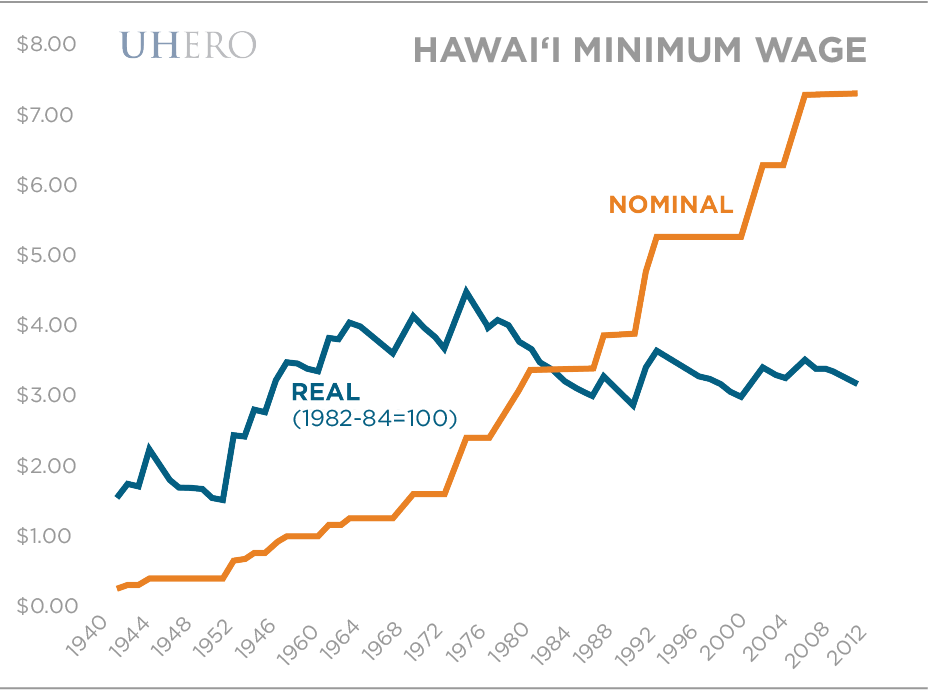
The journey of the minimum wage in Hawaii has been marked by significant legislative shifts designed to address the “paradise tax”—the high cost of goods and services inherent to an island chain. For years, the wage remained stagnant, but recent years have seen a progressive approach by the state government to ensure that the workforce can afford to live where they work.
The Legislative Roadmap to $18.00
In 2022, the state legislature passed Act 114, which established a clear and predictable schedule for wage increases. This was a landmark move for the United States, positioning Hawaii as one of the leaders in wage reform. Following the increase to $14.00 in 2024, the next scheduled hike will occur on January 1, 2026, bringing the wage to $16.00 per hour. The final stage of this current plan will take effect on January 1, 2028, when the minimum wage will reach $18.00 per hour.
This incremental approach is designed to give local businesses, from the boutiques at Ala Moana Center to the surf schools on the North Shore, time to adjust their pricing and operational models. For the lifestyle seeker, this means a gradual shift in the cost of services, dining, and local experiences.
The Tip Credit System
A critical nuance in Hawaii labor law is the “tip credit.” This allows employers to pay tipped employees slightly less than the standard minimum wage, provided the employee’s combined wages and tips exceed a certain threshold. As of 2024, the tip credit has increased to $1.25 per hour. This means an employer can pay $12.75 per hour if the employee earns enough in tips to make at least $7.00 more than the minimum wage. This system is particularly relevant in the high-end hospitality sectors of Waikiki and Maui, where tipping is a standard part of the service economy.
Impact on Lifestyle and the Cost of Paradise
Living or staying for an extended period in Hawaii requires a deep understanding of the local economy. The minimum wage is often the benchmark that dictates the price of everything from a Musubi at a local convenience store to the hourly rate for a guided tour of Pearl Harbor.
The Realities of the Living Wage
While $14.00 per hour is a step forward, there is a lingering gap between the minimum wage and what is considered a “living wage” in Hawaii. Due to the high cost of imported goods and limited real estate, the islands are consistently ranked among the most expensive places in the United States. For a single adult, a living wage in Honolulu is often estimated to be well above $20.00 per hour.
This economic reality shapes the lifestyle of the islands. Many residents hold multiple jobs, and multi-generational housing is common. For the visitor, this translates to a culture that values hard work and community support. When you enjoy a meal at a local spot in Kakaako or take a shuttle to Hanauma Bay, understanding that the staff is navigating these economic pressures can foster a more empathetic and respectful travel experience.
Housing and Local Infrastructure
The minimum wage directly influences the rental market and the development of local infrastructure. As wages rise, there is a ripple effect on the affordability of housing in areas like Kapolei or the more rural stretches of Kauai. For those considering a business stay or a long-term relocation, these labor costs are a vital metric for predicting future market trends. The push for higher wages is often coupled with discussions on affordable housing, ensuring that the people who make Hawaii a world-class destination can actually afford to live in it.
Tourism, Hospitality, and the Service Economy
The tourism industry is the heartbeat of the Hawaii economy. From the luxury resorts of Kona to the bed and breakfasts in Hilo, the cost of labor is a primary factor in the pricing of the “Hawaiian experience.”

The Guest Experience at Major Resorts
Large-scale operations like the Hilton Hawaiian Village or the Aulani Disney Resort employ thousands of workers. As the minimum wage increases, these establishments often face the challenge of maintaining high service standards while managing rising payroll costs. For the guest, this might manifest as higher resort fees or an increase in the price of poolside cocktails. However, the benefit is a more stable and satisfied workforce, which generally leads to better service and a more authentic connection with the local culture.
Small Businesses and the “Mom and Pop” Challenge
While major corporations have the capital to absorb wage increases, the small “Mom and Pop” shops that give islands like Molokai and Lanai their charm often feel the pressure more acutely. These businesses are the backbone of the local lifestyle, offering unique crafts, traditional foods, and personalized tours. Supporting these businesses is a key component of ethical travel. When wages rise, these shops may need to increase prices slightly, and as a conscious traveler, understanding the “why” behind a $15 acai bowl helps justify the spend as an investment in the local community.
Ethical Tipping and Service Expectations
With the tip credit system in place, tipping remains a vital part of the income for many service workers in Hawaii. Whether you are dining at a high-end restaurant in Wailea or receiving a lei greeting upon arrival, gratuities help bridge the gap between the minimum wage and the actual cost of living. A professional lifestyle in Hawaii is one where the contribution of service workers is recognized and compensated fairly by both the employer and the patron.
Navigating Hawaii as a Budget-Conscious Traveler
Despite the high minimum wage and the associated costs, enjoying a lifestyle of luxury or adventure in Hawaii on a budget is possible. It requires a strategy that respects the local economy while maximizing the value of every dollar.
Seeking Value in Local Experiences
Many of the best things to do in Hawaii are relatively low-cost or free, which helps offset the higher costs of food and lodging. Hiking the trails of Diamond Head or viewing the majestic Waimea Canyon offers world-class experiences for the price of a parking fee or a small entrance donation. By focusing on the natural beauty of the Pacific Ocean and the volcanic landscapes, travelers can enjoy a rich lifestyle without overextending their finances.
Strategic Dining and Grocery Shopping
To manage the costs influenced by the minimum wage, many long-term visitors choose to shop at local farmers’ markets or wholesale clubs. Buying local produce in Hilo not only supports the agricultural workforce but also provides a more authentic taste of the islands. For those staying in apartments or villas with kitchens, preparing meals using local ingredients is a great way to live like a local and avoid the premium prices found in the tourist hubs of Waikiki.
Public Transportation and Shared Economies
Using the TheBus system in Oahu is a cost-effective alternative to renting a car, where prices are often driven by the high cost of labor and insurance. Similarly, the shared economy—through local car-sharing apps or bike rentals—allows for flexibility. Understanding that the drivers and service providers are benefiting from the $14.00 minimum wage ensures that your transportation choices are contributing to a healthier local economy.
Professional Implications and the Remote Work Trend
The rise of remote work has changed the lifestyle landscape of Hawaii. Business professionals from across the United States and beyond are looking at the islands as a potential base. In this context, the minimum wage serves as a vital indicator of the state’s economic health and social priorities.
The “Work from Hawaii” Appeal
For the business traveler or the remote worker, Hawaii offers a lifestyle that is hard to match. However, the “digital nomad” lifestyle must be balanced with the local economic reality. The state has seen a push for “regenerative tourism,” where visitors are encouraged to give back. Understanding the labor laws and supporting fair wages is part of this movement. Professionals staying at places like the Polynesian Cultural Center for events or working from a co-working space in Honolulu are part of an ecosystem where every dollar spent circulates through a workforce that is finally seeing meaningful wage growth.
Labor Shortages and Economic Vibrancy
Like many parts of the world, Hawaii has experienced labor shortages in recent years. The increase in minimum wage is a strategic move to attract and retain talent in critical sectors like hospitality, healthcare, and retail. For a business traveler, this means more reliable services and a more vibrant local market. A well-paid workforce is a more productive and engaged one, which enhances the overall atmosphere of the islands, making it a more pleasant place for both work and play.
Future Outlook for the Islands
As Hawaii moves toward the $18.00 mark in 2028, the lifestyle on the islands will continue to evolve. There is a concerted effort to diversify the economy beyond tourism, focusing on technology, agriculture, and renewable energy. The minimum wage acts as a baseline, ensuring that as these new industries grow, they do so on a foundation of fair compensation.
Whether you are watching the sunrise from Haleakala National Park or attending a corporate retreat in Waikiki, the economic pulse of the islands is always present. The minimum wage in Hawaii is a testament to the state’s commitment to its people, ensuring that the “Aloha Spirit” is backed by a lifestyle that is sustainable, equitable, and welcoming for all who visit.
LifeOutOfTheBox is a participant in the Amazon Services LLC Associates Program, an affiliate advertising program designed to provide a means for sites to earn advertising fees by advertising and linking to Amazon.com. Amazon, the Amazon logo, AmazonSupply, and the AmazonSupply logo are trademarks of Amazon.com, Inc. or its affiliates. As an Amazon Associate we earn affiliate commissions from qualifying purchases.