
Decoding the Value Proposition of a Beloved American Steakhouse
When the craving for a hearty, affordably priced steak hits, Texas Roadhouse often springs to mind. This popular American casual dining chain has built a formidable reputation on its commitment to fresh, hand-cut steaks, a lively atmosphere, and generous portions, all without breaking the bank. But what exactly goes into the pricing at a Texas Roadhouse, and how does it maintain its reputation for value? Understanding this involves looking at their operational model, ingredient sourcing, and the overall dining experience they aim to provide, making it a cornerstone of casual American culinary exploration.
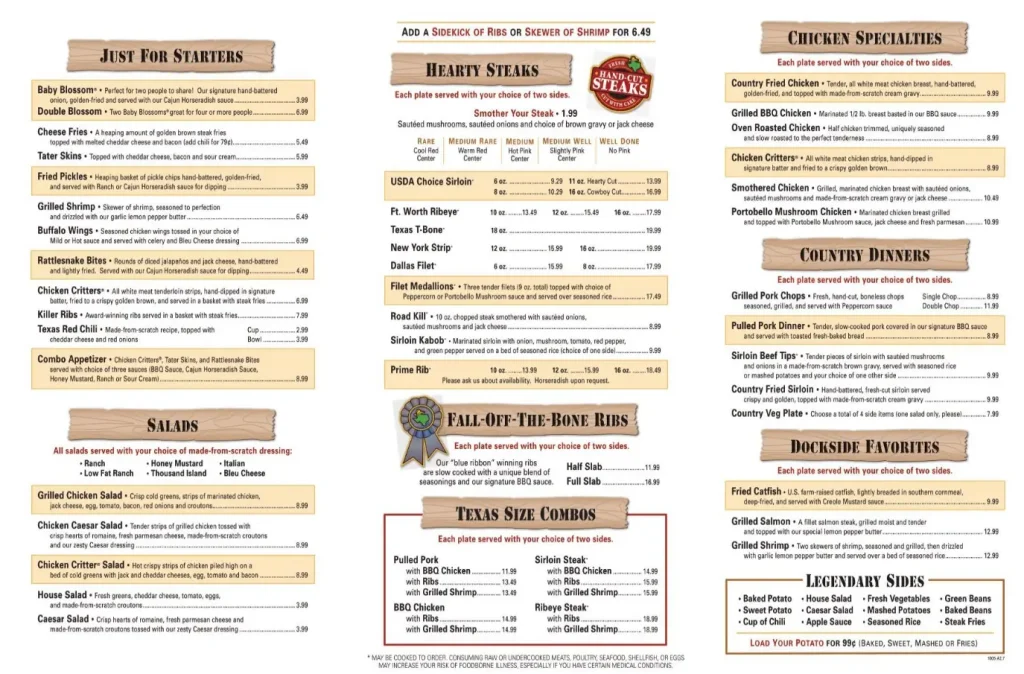
The allure of Texas Roadhouse lies in its ability to deliver a consistent and satisfying dining experience that feels both familiar and exciting. Unlike fine-dining establishments that often command premium prices, Texas Roadhouse positions itself as an accessible option for a wide demographic. This positioning is achieved through a strategic approach to menu engineering, efficient kitchen operations, and a focus on key, high-demand items that allow for bulk purchasing and streamlined preparation. The result is a menu where a substantial, well-cooked steak can be enjoyed without the sticker shock often associated with steakhouse dining.
The Foundation of Value: Ingredients and Preparation
At the heart of Texas Roadhouse’s pricing strategy is its emphasis on fresh, quality ingredients, particularly its beef. The chain is known for its commitment to hand-cut steaks, meaning the meat is prepared in-house daily from USDA inspected, choice-grade beef. This direct control over preparation, rather than relying on pre-portioned cuts from external suppliers, allows for greater consistency and potentially better cost management. By sourcing large quantities of beef, Texas Roadhouse can negotiate favorable prices, passing some of those savings onto the consumer.
Hand-Cut Steaks: The Centerpiece
The variety of steak cuts offered is a key factor in how much a meal at Texas Roadhouse costs. For instance, a tenderloin filet might command a higher price than a robust sirloin or a flavorful ribeye. The marbling, thickness, and cut of the steak directly influence its cost. When looking at the menu, customers will notice that steak prices are generally competitive within the casual dining sector. A 6-ounce Dallas filet, for example, offers a more accessible entry point into steak dining compared to larger or more premium cuts. The “Bigger” or “Legendary” portion options naturally come with a higher price tag, reflecting the increased amount of high-quality beef.
Beyond Steak: A Diversified Menu
While steaks are the star, Texas Roadhouse also offers a range of other dishes, including chicken, ribs, seafood, and burgers. The pricing of these items is also designed to offer value. For example, their grilled chicken options often provide a lighter, less expensive alternative to steak. The iconic “Fall-Off-The-Bone” ribs are another popular choice, with pricing that reflects the slow cooking process and generous portion size. This diversification ensures that a wider range of preferences and budgets can be accommodated, further solidifying the restaurant’s appeal.
Operational Efficiency and Atmosphere
The operational model of Texas Roadhouse plays a significant role in its ability to maintain its price point. The chain is renowned for its fast-paced, high-volume service. This efficiency is achieved through well-trained staff, a standardized kitchen workflow, and a layout designed to maximize table turnover. The lively, sometimes boisterous, atmosphere is not merely an aesthetic choice; it’s a deliberate element that contributes to the dining experience while also supporting the restaurant’s business model.
Streamlined Service and Kitchen Flow
The consistent success of Texas Roadhouse is also a testament to its operational efficiency. Restaurants like these invest heavily in training their kitchen staff to prepare orders quickly and accurately, minimizing waste and maximizing output. The simple, yet effective, menu design allows for less complexity in the kitchen, which translates to faster service times and lower labor costs per cover. This efficiency is a crucial component in keeping menu prices down while ensuring profitability.
The “Experience” Factor: Atmosphere and Entertainment

The energetic atmosphere, complete with line dancing, peanuts on the floor, and upbeat music, is an integral part of the Texas Roadhouse experience. This environment fosters a sense of fun and informality, encouraging guests to relax and enjoy their meal. While this atmosphere doesn’t directly translate into a lower food cost, it contributes to the overall value proposition. Diners are not just paying for the food; they are paying for an engaging and enjoyable dining experience that feels distinct from a more subdued restaurant setting. This creates a perception of greater value for the money spent.
Menu Pricing: A Closer Look at Specific Items
To provide a clearer picture of “How Much Is Texas Roadhouse?”, let’s consider typical price ranges for some of their popular offerings. It’s important to note that prices can vary slightly by location due to regional economic factors and specific market conditions. However, these figures offer a representative overview.
Steak Selections
- Dallas Filet (6 oz): Typically falls in the mid-$20s range. This is a popular choice for those seeking a tender, lean cut at an accessible price point.
- Sirloin (6 oz or 8 oz): Often priced in the low to mid-$20s, offering a good balance of flavor and affordability. The larger 8 oz option will naturally be priced higher.
- Ribeye (12 oz or 10 oz): Generally found in the high-$20s to low-$30s range, reflecting the richness and flavor profile of this cut.
- New York Strip (10 oz): Similar in pricing to the Ribeye, often in the high-$20s to low-$30s.
- Porterhouse T-Bone (20 oz): This larger, more premium cut will be at the higher end of the steak pricing spectrum, likely in the mid-$30s or more.
- Kicker Chicken: A grilled chicken breast option, usually priced in the mid-teens, offering a more budget-friendly alternative.
Other Entrees
- Half Rack of Ribs: Typically in the low-$20s, providing a substantial and flavorful meal.
- Grilled Salmon: Often priced in the mid-$20s, a popular seafood option.
- Cheeseburger: For a more casual bite, burgers usually range from the low to mid-teens.
Sides and Add-ons
All entrees at Texas Roadhouse come with a choice of two sides. The selection is extensive, including classics like baked potatoes, sweet potatoes, mashed potatoes, seasoned rice, green beans, corn, and fries. These complimentary sides contribute significantly to the overall value perception.
- Extra Sides: Ordering an additional side beyond the included two typically costs between $3 to $5.
- Steak Toppings: Add-ons like sautéed mushrooms or onions usually incur a small additional charge of around $2 to $3.
- Lobster Tail: A popular upgrade, adding a lobster tail can increase the entree price by an additional $10 to $15, depending on market prices.
Appetizers and Drinks
Appetizers, such as the famous Cactus Blossom or Killer Ribs, are generally priced between $8 to $12. Non-alcoholic beverages like soft drinks and iced tea are typically in the $3 to $4 range. Beer and other alcoholic beverages will vary based on selections and local pricing.
Factors Influencing Final Cost
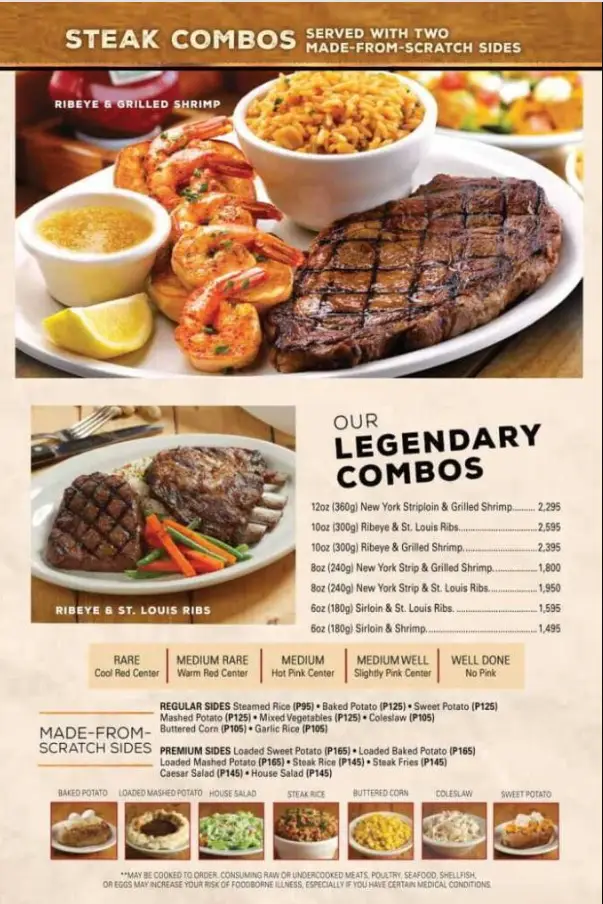
When dining at Texas Roadhouse, the final cost is influenced by several factors beyond the base menu prices:
- Location: As mentioned, prices can differ slightly between Texas Roadhouse locations in different states or cities. Factors like local operating costs, rent, and regional economic conditions can impact menu pricing.
- Specials and Promotions: Texas Roadhouse occasionally runs limited-time specials or promotions that can offer additional value or slightly alter the perceived cost of certain dishes.
- Taxes and Tips: Standard sales taxes will be added to the bill according to local regulations. It is also customary to leave a tip for the service staff, typically 15-20% of the pre-tax total.
- Alcoholic Beverages: The cost of beer, wine, and cocktails can significantly increase the overall bill.
In essence, the question “How Much Is Texas Roadhouse?” leads to an answer rooted in the restaurant’s deliberate strategy of delivering high-quality, generously portioned American comfort food at competitive prices. By focusing on fresh ingredients, efficient operations, and a vibrant dining experience, Texas Roadhouse has carved out a niche as a go-to destination for value-conscious diners seeking a satisfying and enjoyable meal. The pricing reflects a careful balance between ingredient costs, operational overhead, and the perceived value of the overall dining experience, making it a consistently popular choice across the United States.
LifeOutOfTheBox is a participant in the Amazon Services LLC Associates Program, an affiliate advertising program designed to provide a means for sites to earn advertising fees by advertising and linking to Amazon.com. Amazon, the Amazon logo, AmazonSupply, and the AmazonSupply logo are trademarks of Amazon.com, Inc. or its affiliates. As an Amazon Associate we earn affiliate commissions from qualifying purchases.