
Texas, a state synonymous with sprawling landscapes, a rich cultural tapestry, and a distinct independent spirit, often sparks conversations about its political leanings. While the perception of Texas as a staunchly Republican stronghold is widespread, a deeper exploration reveals a more nuanced and dynamic political landscape. Understanding the political character of the Lone Star State requires looking beyond simplistic labels and delving into its diverse demographics, evolving urban centers, and the historical threads that have shaped its identity. This analysis aims to shed light on the intricate political composition of Texas, examining the factors that contribute to its current standing and the potential trajectories of its political future.

The Shifting Sands of Texas Politics
For decades, the Republican Party has enjoyed considerable success in Texas, consistently winning statewide elections for governor, lieutenant governor, and most congressional seats. This dominance has been attributed to a combination of factors, including a strong conservative cultural base, a significant rural population, and a history of low voter turnout among certain demographics. The state’s economic drivers, particularly in the oil and gas sector, have also historically aligned with a more laissez-faire approach to governance, a tenet often embraced by the Republican Party. Furthermore, the state’s commitment to lower taxes and less regulation has resonated with a significant portion of its electorate.
However, this narrative is not static. The political identity of Texas is undergoing a significant transformation, driven by profound demographic shifts. The state has experienced rapid population growth, largely fueled by migration from other states and a burgeoning Hispanic population, which is the largest ethnic group. As the demographic makeup of Texas evolves, so too do its political preferences. Younger voters and urban populations, often more progressive in their outlook, are becoming increasingly influential.
Urban Centers: Blue Islands in a Red State?
The major metropolitan areas of Texas have emerged as significant centers of Democratic strength. Cities like Austin, Houston, Dallas, and San Antonio consistently vote for Democratic candidates in statewide and national elections. These urban cores are characterized by diverse populations, a concentration of higher education institutions, and a growing tech industry, all of which tend to foster more liberal political viewpoints.
- Austin: The state capital, often dubbed the “Live Music Capital of the World,” has a well-established reputation as a liberal enclave. Its vibrant arts scene, progressive social policies, and strong university presence at the University of Texas at Austin contribute to its distinctly Democratic leaning.
- Houston: As the nation’s fourth-largest city, Houston is incredibly diverse, with significant Hispanic, African American, and Asian populations. This diversity translates into a politically dynamic environment, with the city consistently electing Democratic officials and supporting Democratic candidates. Its vast sprawl encompasses a range of neighborhoods, each with its own unique political flavor, but the overall trend is towards the Democratic Party.
- Dallas: While historically more conservative than Austin, Dallas has seen a notable shift towards Democratic support in recent years, particularly in its core urban areas and surrounding suburbs that are becoming more diverse. The city’s economic prowess, driven by finance and technology, attracts a varied workforce, contributing to a more progressive voting bloc.
- San Antonio: This historic city, with its deep Mexican-American heritage, is a stronghold of Democratic voters. Its rich cultural traditions and a strong sense of community underpin its political identity, consistently favoring Democratic candidates.
These urban centers, while powerful voting blocs, do not represent the entirety of Texas. Their influence is often counterbalanced by the more conservative leanings of the state’s vast rural areas and smaller towns.
Rural Texas: The Republican Heartland
The rural areas and smaller communities across Texas remain a bedrock of support for the Republican Party. These regions often prioritize traditional values, a strong emphasis on individual liberty, and a skepticism of federal government intervention. The agricultural sector, a significant employer in many rural Texas communities, often aligns with the Republican Party’s platform of lower taxes and fewer regulations. Gun rights, a deeply held value for many Texans, are also a prominent issue that often resonates more strongly with Republican candidates.
The cultural identity of rural Texas is deeply intertwined with its political leanings. A sense of self-reliance and a preference for local control are common sentiments that find their political expression through the Republican Party. While demographic changes are occurring in some rural areas, the overall sentiment remains strongly conservative.
Demographic Transformations and Their Political Impact
The most significant factor reshaping the political landscape of Texas is its rapidly changing demographic profile. The state’s population growth is outpacing the national average, and this growth is driven by several key trends:

The Growing Hispanic Electorate
Texas has the largest Hispanic population of any state in the U.S., and this demographic group is increasingly becoming a pivotal force in state politics. Historically, Hispanic voters have leaned Democratic, though not uniformly so. As this population segment grows and becomes more engaged in the political process, their voting patterns will inevitably influence election outcomes. Issues such as education, immigration reform, and economic opportunity are paramount for this demographic, and their alignment on these issues could sway the balance of power. The sheer size and increasing political participation of the Hispanic electorate make it impossible to ignore their influence on whether Texas remains predominantly Republican or shifts towards a more competitive two-party system.
The Youth Vote and Urban Influx
Younger generations, regardless of their ethnic background, tend to be more progressive than older generations. As Texas attracts a younger workforce and more young families, particularly in its booming urban centers, this demographic shift is contributing to a more liberal voting bloc. The influx of people from more politically diverse states also plays a role, bringing with them different perspectives and voting habits. This ongoing migration, coupled with the natural growth of younger populations, is gradually altering the political DNA of the state, especially in its metropolitan areas.
The Role of Suburbanization
The suburbs surrounding major Texas cities have historically been Republican strongholds. However, these areas are also experiencing significant demographic diversification. As these suburbs become more diverse in terms of age, ethnicity, and socioeconomic status, they are becoming more politically competitive. Some suburban districts have already shown a willingness to elect Democratic representatives, indicating a potential shift away from the traditional Republican dominance in these areas. This trend is a crucial indicator of the state’s evolving political leanings.
Future Trajectories: A Competitive Landscape?
The question of whether Texas is Democrat or Republican is evolving from a declarative statement to a complex question of degree and future potential. While the state has a long history of Republican governance, the demographic and social changes underway suggest a future that may be far more politically competitive.
The Path to Competitiveness
For Democrats to achieve consistent statewide victories in Texas, they need to mobilize their base effectively, particularly among young voters and minority groups, and make inroads into the growing suburban electorate. This requires tailoring campaign messages to address the concerns of a diverse population and building strong grassroots organizations across the state.
The Enduring Republican Identity
Despite the shifts, the Republican Party in Texas remains a formidable force. Their strength lies in their established infrastructure, loyal voter base, and the enduring conservative values that resonate with a significant portion of the state’s population. Republicans will likely continue to focus on mobilizing their core supporters, emphasizing issues like border security, economic freedom, and traditional values.
The Unpredictable “Purple” State
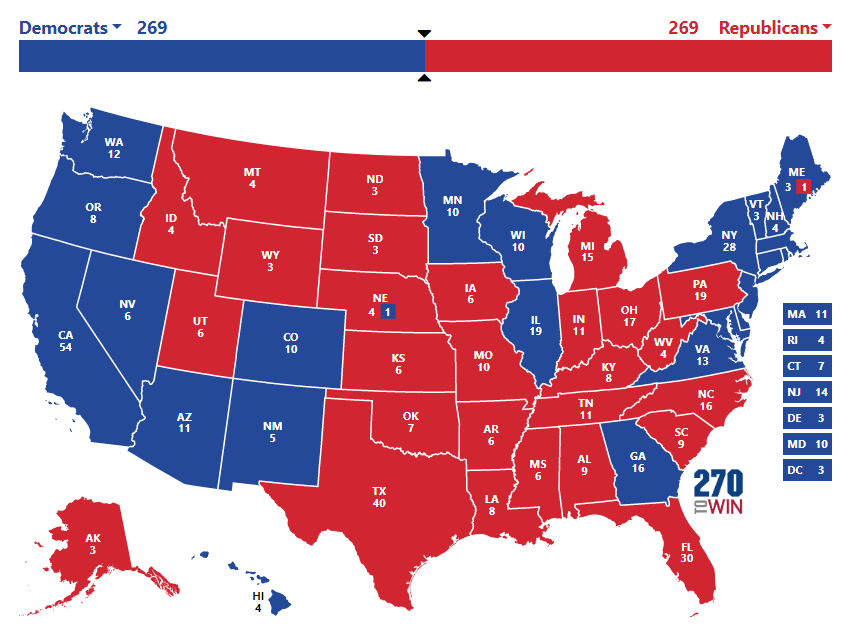
As Texas continues to grow and diversify, it is increasingly being viewed as a potential “purple” state – one that is politically divided and could swing between parties. The margin of victory for statewide Republican candidates has narrowed in recent elections, a clear indication of growing Democratic support. While the state may not be ready to turn fully blue overnight, the trend suggests a future where Republican dominance is no longer guaranteed, and electoral battles will be far more closely contested. The political future of Texas is not predetermined; it is being shaped daily by its people, its growth, and its evolving identity, making it one of the most fascinating political arenas in the United States.
LifeOutOfTheBox is a participant in the Amazon Services LLC Associates Program, an affiliate advertising program designed to provide a means for sites to earn advertising fees by advertising and linking to Amazon.com. Amazon, the Amazon logo, AmazonSupply, and the AmazonSupply logo are trademarks of Amazon.com, Inc. or its affiliates. As an Amazon Associate we earn affiliate commissions from qualifying purchases.