
Understanding the minimum wage in Colorado is a critical piece of information for any traveler planning a trip to the Centennial State, especially those who prioritize budget-conscious exploration or are considering working during their stay. This knowledge directly impacts the cost of services, from dining out at local eateries to utilizing transportation and even the affordability of various activities. For the discerning traveler, grasping these economic fundamentals can unlock a more authentic and accessible experience, allowing for deeper engagement with the local culture and a more satisfying journey.
The Economic Landscape of Colorado for Travelers
The minimum wage in any region serves as a foundational economic indicator, influencing the cost of goods and services. For travelers, this translates into tangible differences in daily expenses. A higher minimum wage can correlate with higher prices for meals, accommodation, and activities, while a lower minimum wage might offer more budget-friendly options. In Colorado, the minimum wage has seen consistent adjustments, reflecting a commitment to supporting its workforce and acknowledging the evolving economic climate. These adjustments are not merely abstract figures; they ripple through the economy, impacting everything from the staffing levels at small businesses in mountain towns to the operational costs of major attractions in cities like Denver.
Understanding the Current Minimum Wage Rate
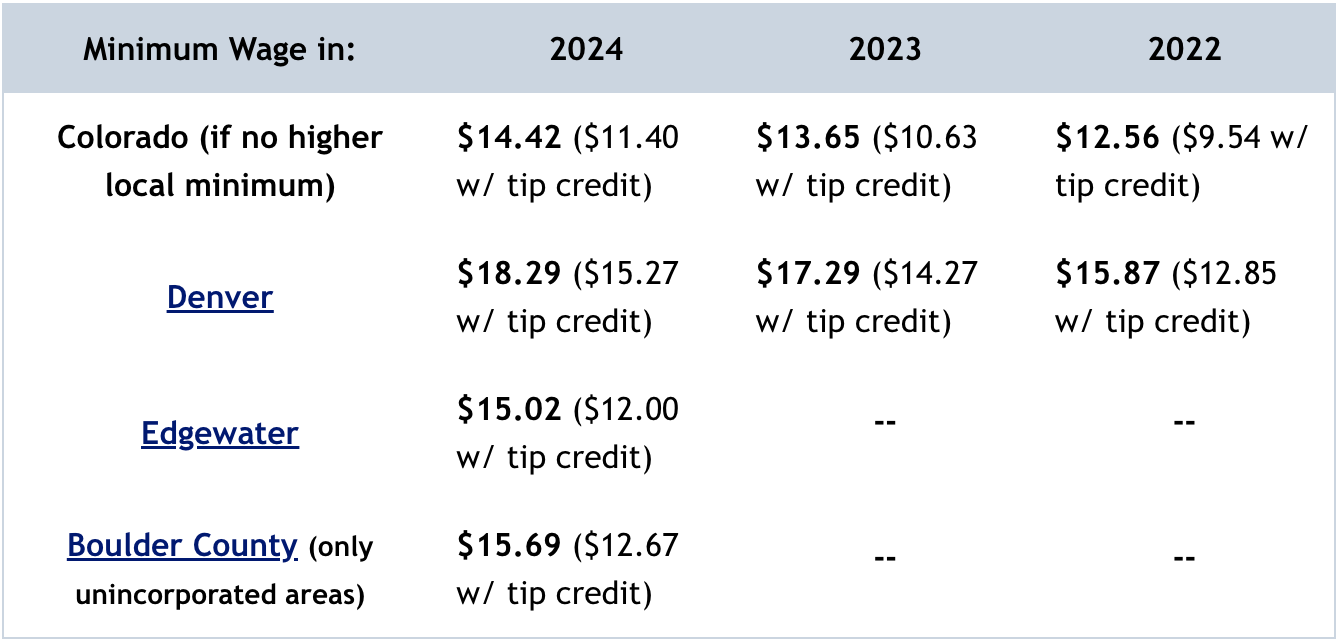
As of January 1, 2024, the minimum wage in Colorado stands at $14.42 per hour for all employees, regardless of age. This rate applies statewide and represents a significant increase from previous years, a trend driven by legislative action and voter initiatives aimed at ensuring a living wage for workers. This hourly rate forms the baseline for many service industry jobs that are integral to the tourism sector. For instance, restaurant servers, hotel housekeeping staff, tour guides, and retail associates in tourist areas often earn at least this amount.
This figure is not static. Colorado has a mechanism for annual adjustments to the minimum wage, typically tied to inflation. This means that the rate can and likely will change in subsequent years, a factor that budget-conscious travelers should monitor if planning extended stays or frequent visits. The intention behind these adjustments is to maintain the purchasing power of minimum wage earners, ensuring that they can afford basic necessities and participate in the local economy. For travelers, this means that while the current rate is important, staying informed about future adjustments is also prudent for long-term planning.
The Impact on Travel Expenses

The direct consequence of the minimum wage on travel expenses is multifaceted. When service industry workers are compensated at a higher minimum wage, the businesses employing them often face increased labor costs. These costs are frequently passed on to consumers in the form of higher prices. This can manifest in several ways for a visitor to Colorado:
- Dining Out: Restaurants, from fine dining establishments in Aspen to casual cafes in Boulder, will adjust their menu prices to reflect higher labor expenditures. This means that enjoying local cuisine, a cornerstone of many travel experiences, might come at a slightly higher cost than in regions with lower minimum wages. However, it also implies that the individuals preparing your meals and serving you are likely earning a more sustainable income, contributing to a more robust local economy.
- Accommodation: While the minimum wage doesn’t directly set hotel room rates, it influences the cost of services provided by hotels. Housekeeping, front desk staff, and maintenance personnel are often paid at or above the minimum wage. Therefore, hotels, particularly those operating with a significant staff presence, may see their operational costs rise, which can be reflected in nightly rates. This is particularly relevant when considering hotels in popular tourist destinations like Vail or Colorado Springs.
- Activities and Tours: Many tour operators, adventure companies, and attraction staff are paid an hourly wage. The minimum wage directly impacts the cost of employing these individuals. This can mean that guided tours, adventure sports, and admission fees to certain attractions might be priced higher to account for these labor costs. For instance, a guided hike in Rocky Mountain National Park or a whitewater rafting trip on the Arkansas River will factor in employee wages when setting prices.
- Transportation: While taxis and rideshare services might have more complex pricing structures, the wages of drivers are a component. Local transportation options, if employing staff directly, will also be influenced by the minimum wage.
Budget Travel Strategies in Colorado
For travelers aiming to manage their expenses effectively in Colorado, understanding the impact of the minimum wage can inform several budget-friendly strategies:
- Embrace Local Eateries: While restaurant prices might be higher overall, seeking out local diners, food trucks, and cafes that cater to residents can often offer more value than establishments catering exclusively to tourists. These places may have more efficient operations or a different pricing philosophy.
- Self-Catering Options: Opting for accommodations with kitchen facilities, such as vacation rentals or certain extended-stay hotels, allows travelers to prepare some of their own meals. This can significantly reduce food expenses, especially for longer trips, and is a practical way to mitigate rising restaurant costs.
- Free and Low-Cost Activities: Colorado boasts an abundance of natural beauty and opportunities for recreation that are either free or very low cost. Hiking in state parks, exploring charming downtowns, visiting free museums, or enjoying scenic drives are excellent ways to experience the state without breaking the bank. Many towns, like Telluride or Durango, offer free walking tours that provide historical and cultural insights.
- Travel During Shoulder Seasons: Visiting Colorado during the shoulder seasons (spring and fall) can often result in lower prices for accommodation and sometimes even activities, as demand is lower. This can help offset any increased costs associated with higher labor wages.
- Public Transportation: In larger cities like Denver, utilizing public transportation systems can be more economical than relying solely on taxis or rideshares, particularly when factoring in the impact of wages on those services.

The Broader Economic Implications
The minimum wage in Colorado is more than just a number; it’s a policy choice that impacts the economic well-being of its residents and, by extension, the experience of visitors. A higher minimum wage can contribute to a stronger local economy by increasing the disposable income of workers. This, in turn, can lead to greater consumer spending within the state, benefiting local businesses. For travelers, this can mean experiencing a region with a more vibrant and diverse economy, where local artisans, small businesses, and service providers are better supported.
Furthermore, a minimum wage that allows workers to earn a living wage can lead to a more stable workforce in the tourism and hospitality sectors. This can result in better customer service, as employees are more likely to be engaged and motivated when they feel fairly compensated. While this might come with slightly higher upfront costs for travelers, the overall quality of the experience can be enhanced. It fosters a more sustainable model for tourism, where the economic benefits are more widely shared within the community.
In conclusion, while the specific dollar amount of the minimum wage in Colorado directly influences the cost of travel, it also speaks to the state’s commitment to its workforce. By understanding this economic metric, travelers can better plan their budgets, identify cost-saving opportunities, and appreciate the broader economic context that shapes their journey through this beautiful state. It’s an integral part of the fabric of Colorado, influencing everything from the price of a cup of coffee to the overall vibrancy of its communities, and ultimately contributing to the authentic experiences awaiting every visitor.
LifeOutOfTheBox is a participant in the Amazon Services LLC Associates Program, an affiliate advertising program designed to provide a means for sites to earn advertising fees by advertising and linking to Amazon.com. Amazon, the Amazon logo, AmazonSupply, and the AmazonSupply logo are trademarks of Amazon.com, Inc. or its affiliates. As an Amazon Associate we earn affiliate commissions from qualifying purchases.