
While the question “Is There Any Fires In California?” might seem straightforward, its implications for travelers, tourists, and residents are anything but simple. California, a state renowned for its diverse landscapes, from sun-drenched beaches to majestic mountains, and its vibrant cities, is also susceptible to wildfires, particularly during its dry seasons. Understanding the current fire situation is crucial for planning any trip to the Golden State, ensuring safety, and making informed decisions about destinations and activities. This article delves into how to stay informed about California’s fire conditions and how these conditions might impact your travel plans.
Understanding California’s Wildfire Landscape
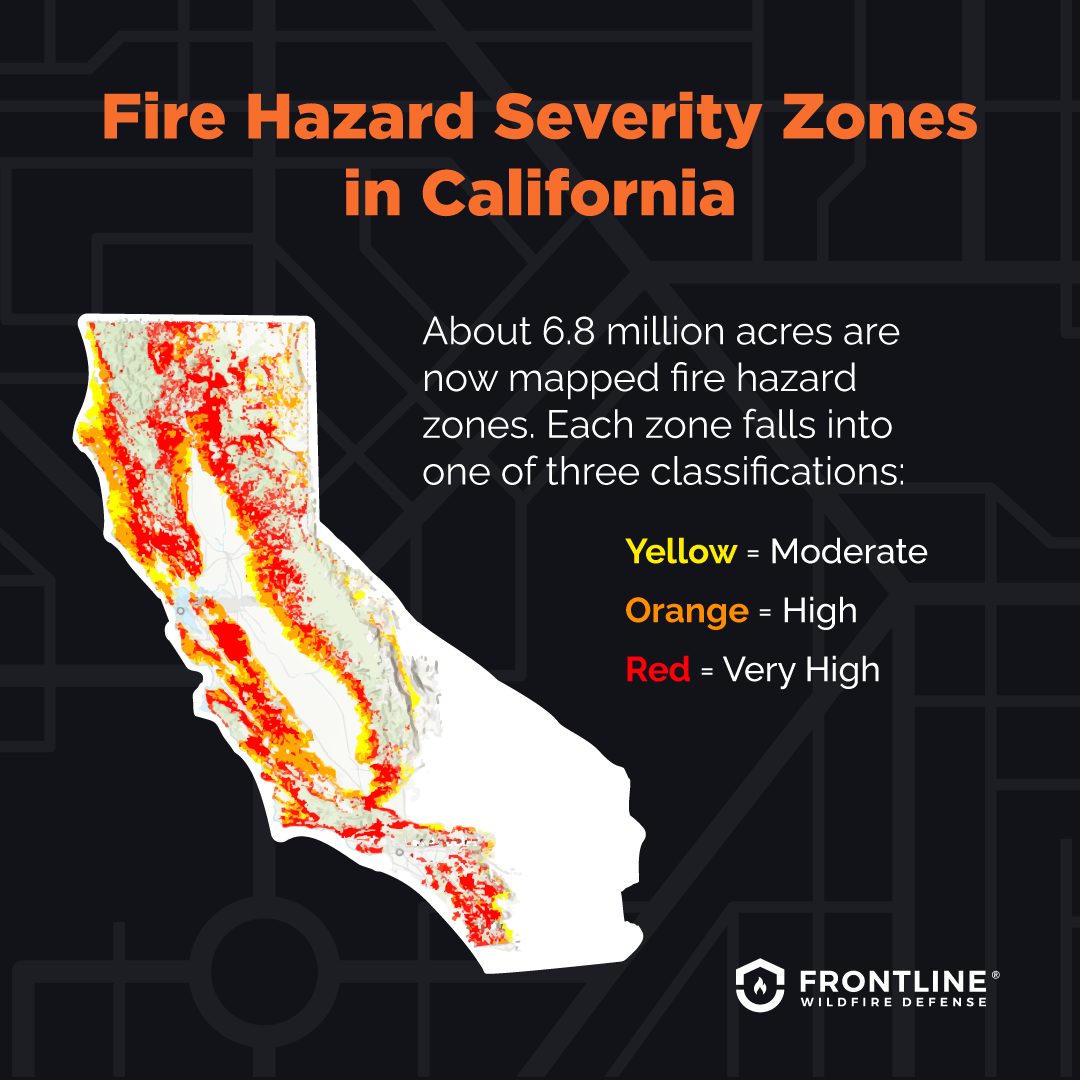
California’s geography and climate create a unique environment where wildfires can and do occur. The state experiences a Mediterranean climate, characterized by hot, dry summers and mild, wet winters. This natural dryness, coupled with factors like drought, high winds (such as the infamous Santa Ana winds), and human activity, can create conditions ripe for ignition.
Seasonal Patterns and Risk Factors
Wildfire season in California is not a fixed period but rather a dynamic phenomenon influenced by weather patterns. Historically, the fire season has intensified from late spring through fall, peaking in the hottest and driest months of summer and early autumn. However, recent years have seen a lengthening of this season, with fires occurring earlier and later than usual.
Several factors contribute to the severity and spread of wildfires:
- Drought Conditions: Prolonged periods of low rainfall lead to dry vegetation, which acts as fuel for fires.
- High Temperatures: Elevated temperatures dry out fuels even further and can contribute to the rapid spread of flames.
- Wind Events: Strong, dry winds can fan flames, push fires in unpredictable directions, and make them exceptionally difficult to control.
- Fuel Accumulation: Decades of fire suppression have led to an accumulation of dense vegetation and dead plant material in many wildland areas, increasing the potential for large, intense fires.
- Topography: Steep terrain can influence fire behavior, making it spread uphill rapidly.
Key Regions Prone to Fires
While fires can occur throughout the state, certain regions are historically more prone to significant wildfire activity due to their vegetative cover and weather patterns. These include:
- Southern California: Particularly the mountainous and canyon areas surrounding cities like Los Angeles and San Diego, where dry chaparral and brush are abundant and Santa Ana winds are prevalent.
- Northern California: Including the Sierra Nevada foothills, the Coast Range, and areas in the northern part of the state known for their forests and dry grasslands. Regions like Sonoma County and Napa County, famous for their vineyards, can also be affected.
- Central California: Inland mountainous areas and foothills, such as those near Yosemite National Park, can experience significant fire activity.
Staying Informed: Resources for Fire Information
The most critical aspect of addressing the question “Is There Any Fires In California?” for any traveler is knowing where to find reliable, up-to-date information. Several official agencies and reputable organizations provide real-time updates on wildfire activity.
Official Government Agencies
- CAL FIRE (California Department of Forestry and Fire Protection): This is the primary agency responsible for wildland fire protection in California. Their website is an invaluable resource.
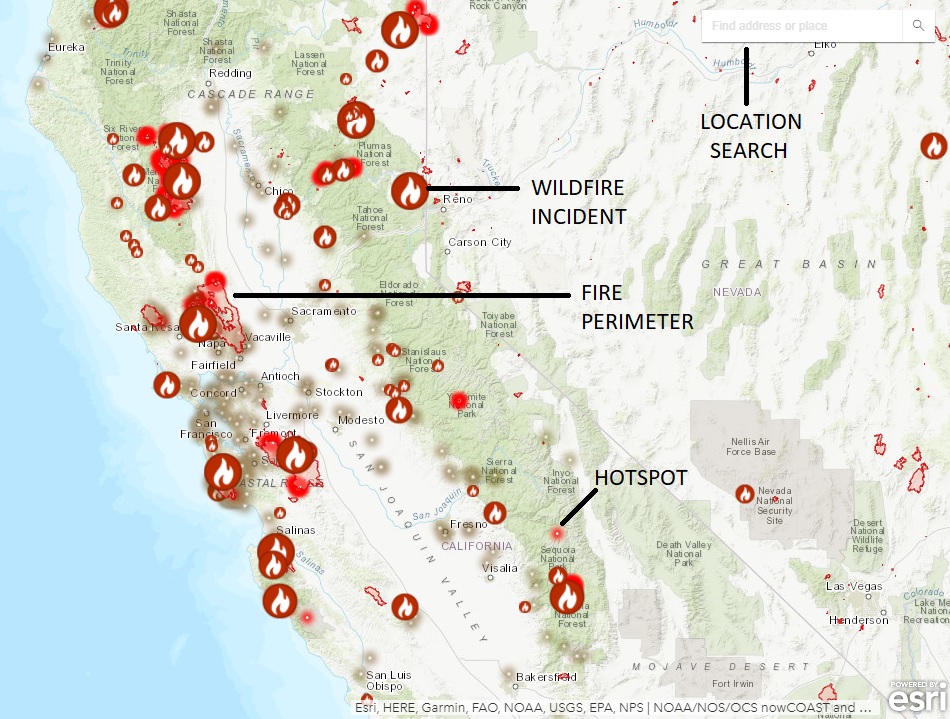
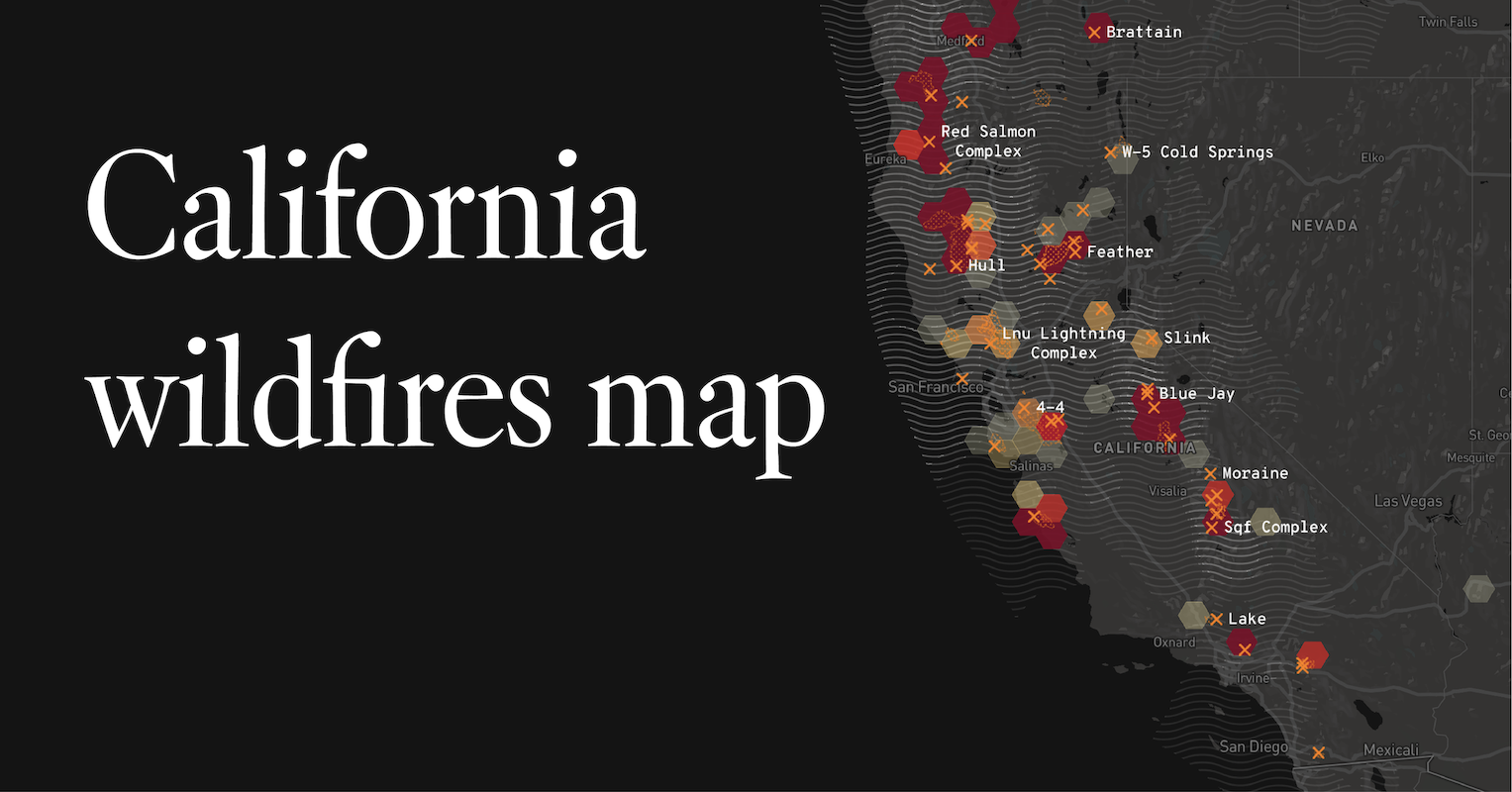
- Fire Activity Map: CAL FIRE provides an interactive map displaying current wildfires, their status, containment levels, and estimated acreage burned. This is often the most direct way to see where fires are active.
- Incident Information: The site offers detailed information on major incidents, including evacuation orders, road closures, and shelter locations.
- News Releases and Advisories: Stay updated on significant fire events and fire weather warnings.
- National Interagency Fire Center (NIFC): While focused on national fire activity, NIFC provides an overview of major incidents across the United States, including California.
- Local Emergency Services: County and city emergency management agencies often provide localized information relevant to specific communities. This is particularly important for understanding evacuation zones and local impacts.
Air Quality and Environmental Agencies
Wildfires have a significant impact on air quality, even far from the fire’s origin.
- AirNow.gov: This website provides real-time air quality data from ground-level monitors across the United States. It’s crucial for understanding smoke impacts and making decisions about outdoor activities.
- California Air Resources Board (CARB): CARB provides advisories and forecasts related to wildfire smoke and air quality throughout California.
Navigation and Mapping Tools
Many popular navigation apps and websites integrate real-time data that can reflect fire-related impacts.
- Google Maps / Waze: These platforms often display road closures and traffic disruptions caused by fires. They may also show areas with significant smoke plumes.
- Flight Tracking Services: For air travel, checking flight status for airports in or near affected areas is essential, as smoke can lead to flight delays or cancellations.
Impact of Wildfires on Travel Plans
Wildfires can significantly disrupt travel plans in California, affecting transportation, accommodation, and planned activities. Understanding these potential impacts is key to flexible and safe travel.
Transportation Disruptions
- Road Closures: This is one of the most common and immediate impacts. Major highways, state routes, and local roads can be closed due to active fires, evacuation orders, or the need to allow emergency vehicles access. This can lead to lengthy detours, delays, or complete inaccessibility to certain areas.
- Air Travel: Smoke can reduce visibility, leading to delays or cancellations at airports like Los Angeles International Airport (LAX), San Francisco International Airport (SFO), or San Diego International Airport (SAN). Sometimes, aircraft may need to take different flight paths to avoid heavily smoked areas, potentially affecting flight times.
- Public Transportation: Bus and rail services operating in or near affected regions may also experience disruptions or cancellations.
Accommodation and Lodging Considerations
- Evacuation Orders: If a wildfire approaches a populated area, evacuation orders can be issued, forcing people to leave their homes and hotels. This can lead to last-minute cancellations, availability issues, and uncertainty for travelers.
- Power Outages: Utility companies may proactively shut off power in high-risk areas to prevent fires caused by downed lines. This can impact hotel amenities and guest comfort.
- Air Quality Indoors: Even if not directly evacuated, areas experiencing heavy smoke can make staying indoors more comfortable. Hotels with good air filtration systems might be preferable. Checking reviews for such amenities could be beneficial.
- Availability and Pricing: During severe fire events, demand for lodging in safe areas can spike, potentially leading to higher prices and limited availability.
Impact on Activities and Attractions
- National and State Parks: Many of California’s renowned parks, such as Yosemite National Park, Sequoia National Park, Kings Canyon National Park, and various state parks, can be closed due to wildfire activity or smoke. Trail closures are also common.
- Outdoor Recreation: Activities like hiking, camping, boating, and scenic drives can be canceled or rerouted due to safety concerns, poor air quality, or direct fire impact.
- Wineries and Agritourism: Regions known for wine production, such as Napa Valley and Sonoma County, can be affected by smoke impacting grape quality and, in severe cases, by the fires themselves damaging vineyards and wineries. Tastings and tours might be canceled.
- Major Events: Large outdoor festivals, concerts, or sporting events in affected areas may be postponed or canceled.
Planning Your Trip with Wildfire Awareness
When planning a trip to California, especially during the wildfire season, a proactive approach to information gathering and flexibility is paramount.
Pre-Trip Planning
- Check Fire Conditions: Before booking any accommodation or flights, and again just before departure, check CAL FIRE’s website and air quality reports for your intended destinations and routes.
- Consider Travel Insurance: Comprehensive travel insurance can provide financial protection against unexpected cancellations or interruptions due to natural disasters like wildfires. Ensure your policy covers such events.
- Flexible Itinerary: Build flexibility into your travel plans. Have backup destinations or alternative activities in mind in case your primary plans are impacted by fire.
- Book Directly: When possible, booking accommodation and tours directly with providers can sometimes make it easier to modify or cancel reservations if circumstances change.
During Your Trip
- Monitor Local News: Stay tuned to local news channels and radio stations in the area you are visiting for the most immediate updates on fire activity and emergency information.
- Heed Official Warnings: Always follow instructions from local authorities, including evacuation orders and advisories regarding air quality. Your safety is the top priority.
- Air Quality Awareness: If smoke is present, limit strenuous outdoor activities. Consider investing in N95 masks for better protection if venturing outdoors in smoky conditions. Stay indoors with air conditioning and air purifiers if available.
- Stay Connected: Ensure your mobile devices are charged and you have a way to access the internet to check for updates.
By understanding the wildfire landscape, utilizing reliable information resources, and incorporating flexibility into your travel plans, you can navigate the potential impacts of wildfires and still enjoy the many wonders that California has to offer. The key is informed preparedness and a willingness to adapt to changing conditions.
LifeOutOfTheBox is a participant in the Amazon Services LLC Associates Program, an affiliate advertising program designed to provide a means for sites to earn advertising fees by advertising and linking to Amazon.com. Amazon, the Amazon logo, AmazonSupply, and the AmazonSupply logo are trademarks of Amazon.com, Inc. or its affiliates. As an Amazon Associate we earn affiliate commissions from qualifying purchases.