
Navigating the financial landscape of any destination is a crucial aspect of responsible travel planning, and the Empire State is no exception. Understanding New York State tax, particularly as it pertains to visitors and their spending, can significantly impact your budget and overall trip experience. While the allure of New York City‘s iconic skyline, the serene beauty of the Adirondacks, or the historic charm of the Finger Lakes draws millions, so too does the practical consideration of taxation. This guide aims to demystify the various taxes you might encounter, from sales tax on souvenirs to potential occupancy taxes if you’re staying overnight.
Understanding Sales Tax in New York State
Sales tax is perhaps the most commonly encountered tax for visitors. It’s levied on the sale of tangible personal property and certain services within the state. The rate itself is a tiered structure, combining a statewide rate with additional local rates that vary significantly by county and municipality. This means the price you see on a tag in Buffalo might be different from what you pay in Albany or on Long Island.
Statewide vs. Local Sales Tax Rates
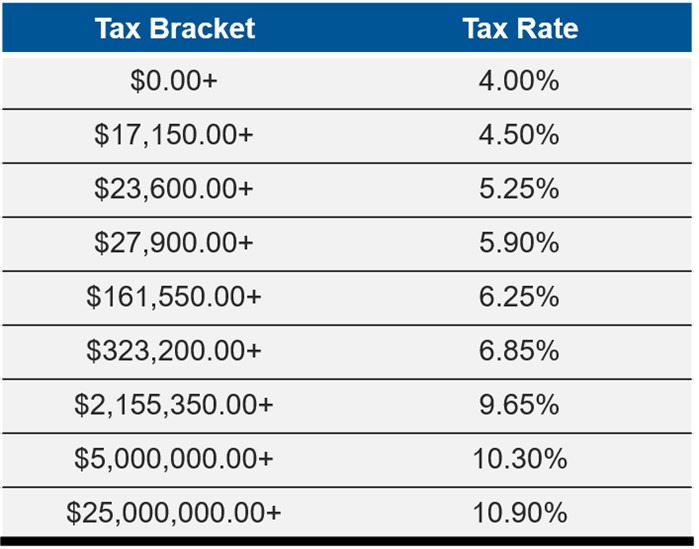
The base statewide sales tax rate in New York is 4%. However, this is rarely the total amount you’ll pay. Most counties and the Metropolitan Commuter Transportation District (MCTD) impose additional rates, pushing the combined rate higher. For instance, New York City and the surrounding counties within the MCTD have the highest combined rates. It’s essential to check the specific rate for the area you’ll be visiting to accurately estimate your expenses. The New York State Department of Taxation and Finance provides detailed information and tools to look up rates by location, which is an invaluable resource for any traveler. Knowing these rates allows you to better budget for purchases, from a Broadway show ticket to a delicious slice of pizza.
Exemptions and Exceptions
While most goods and services are subject to sales tax, there are certain exemptions that can provide relief. Groceries, for example, are generally exempt from sales tax, which can make a difference if you plan on preparing some of your own meals during your stay, perhaps in a vacation rental. Certain clothing items below a specific price threshold may also be exempt. Additionally, some organizations and individuals might be eligible for exemptions. For tourists, it’s less common to qualify for these, but understanding the landscape is always beneficial. It’s also worth noting that while some states offer tax-free shopping days, New York typically does not have these for general consumer goods, making the standard rates the norm.
Accommodation Taxes: Lodging and Beyond
When staying in New York State, particularly in popular tourist destinations like New York City, you’ll encounter taxes levied on your accommodation. These are often referred to as occupancy taxes or hotel taxes and are separate from the general sales tax. They are designed to help fund local services and tourism initiatives.
Hotel Occupancy Taxes
These taxes are charged on the rent paid for hotel rooms, motels, and other forms of temporary lodging. The rates vary considerably depending on the location. New York City has some of the highest occupancy tax rates in the country, in addition to the standard state and city sales tax. Other cities and towns across New York will have their own specific occupancy tax rates, which are often a percentage of the room rate. Always factor these into the advertised price of a hotel room, as they can add a significant sum to your final bill. For example, a seemingly reasonable hotel rate can become much more expensive once these additional taxes are applied at checkout.
Short-Term Rental Taxes
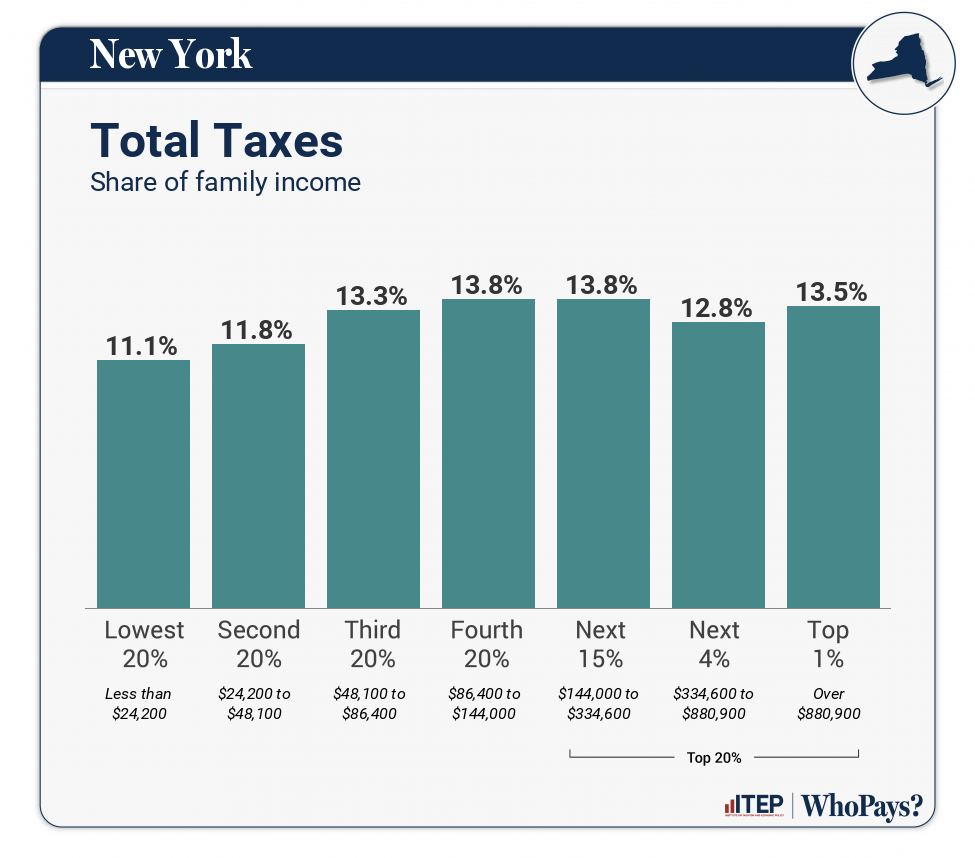
With the rise of platforms like Airbnb, short-term rental taxes have become an increasingly important consideration. New York State has taken steps to ensure that revenue from short-term rentals is taxed similarly to traditional hotel accommodations. This means that whether you’re booking a room in a major hotel chain like the Marriott Marquis or a private apartment for a weekend getaway, you are likely to be subject to occupancy taxes, as well as state and local sales taxes. The specific regulations can be complex and vary by municipality, so it’s wise to confirm the tax implications directly with your rental provider or through local government resources.
Other Potential Taxes for Visitors
Beyond sales and accommodation taxes, there are a few other less common, but still relevant, taxes that visitors might encounter during their New York State adventure. These are typically tied to specific activities or purchases.
Excise Taxes on Certain Goods
Certain goods are subject to excise taxes, which are taxes on specific products, often deemed non-essential or potentially harmful. The most common examples for visitors include taxes on alcoholic beverages and tobacco products. These taxes are typically included in the price you see on the shelf, so you won’t usually see them itemized separately like sales tax. However, they contribute to the overall cost of these items. For instance, a bottle of wine purchased in a New York liquor store will have these excise taxes baked into its price.
Tourism-Related Taxes and Fees
In some tourist-heavy areas or for specific attractions, there might be additional local taxes or fees designed to support tourism infrastructure or specific projects. These are not as widespread as sales or occupancy taxes but are worth being aware of. For example, a particular cultural district might have a small surcharge on tickets to museums or performances to fund its operations. While these are usually modest, their cumulative effect can add up, especially on longer trips involving multiple paid activities. Researching the specific destination you’re visiting can help uncover any such local charges. For example, if you plan to visit a museum on Governors Island, it’s prudent to check their specific ticketing and any associated local fees.
Planning Your Budget with New York Taxes in Mind
Understanding the tax structure in New York State is not just about compliance; it’s an integral part of smart travel budgeting. By anticipating these costs, you can avoid unwelcome surprises and ensure your trip remains enjoyable and financially sound.
Estimating Your Tax Burden
The most effective way to estimate your tax burden is to identify the specific locations you plan to visit within New York State. Use the New York State Department of Taxation and Finance website to find the combined sales tax rate for each county. For accommodations, research the hotel occupancy tax rates for the cities or towns where you’ll be staying. If you’re considering a short-term rental, inquire directly about all applicable taxes. For everyday purchases, a general rule of thumb for cities like New York City is to add approximately 8.875% for sales tax to the sticker price of goods and services, and then add the hotel occupancy tax on top of your room rate. For other areas, the combined sales tax rate will fluctuate, so specific research is key.

Strategies for Minimizing Tax Impact
While taxes are largely unavoidable, there are strategies to mitigate their impact. One primary method is to take advantage of tax-exempt purchases where applicable, such as buying groceries for home-cooked meals if your accommodation has a kitchen. Planning your itinerary to include regions with lower combined sales tax rates can also make a difference, though this often involves trade-offs in terms of popular attractions. For accommodation, consider booking during the off-season when hotel rates, and consequently the taxes on those rates, might be lower. Always compare prices across different booking platforms and hotels, as some may offer packages that include certain fees or discounts that can indirectly lower your overall expense. For example, if you are considering a stay in the beautiful region around Niagara Falls, compare pricing and tax structures in different towns surrounding the state park. By being informed and strategic, you can enjoy all that New York has to offer without overspending on taxes.
LifeOutOfTheBox is a participant in the Amazon Services LLC Associates Program, an affiliate advertising program designed to provide a means for sites to earn advertising fees by advertising and linking to Amazon.com. Amazon, the Amazon logo, AmazonSupply, and the AmazonSupply logo are trademarks of Amazon.com, Inc. or its affiliates. As an Amazon Associate we earn affiliate commissions from qualifying purchases.