
Understanding the economic landscape of a destination is a critical aspect of planning any lifestyle, whether you’re considering a permanent move, a long-term stay, or simply evaluating the cost of a visit. For those eyeing the scenic beauty and vibrant culture of Arizona, a key piece of information that profoundly impacts daily life and budgeting is the minimum wage. Beyond just a number, the minimum wage in Arizona shapes the local economy, influences the cost of goods and services, and dictates the financial realities for a significant portion of its workforce. Diving into this topic provides valuable insights for anyone looking to navigate the Grand Canyon State’s economic waters, from aspiring residents to budget-conscious travelers.

The Current Landscape of Arizona’s Minimum Wage
The minimum wage in Arizona is not static; it has a dynamic history rooted in voter initiatives and is subject to annual adjustments. This progressive approach ensures that wages keep pace with inflation and the rising cost of living, offering a more stable foundation for individuals building a lifestyle within the state. Understanding its evolution and current rates is the first step toward appreciating its impact on the local lifestyle.
Evolution of Minimum Wage in the Grand Canyon State
Arizona’s journey with its minimum wage stands out in the national context. In 2006, voters passed Proposition 202, establishing a state minimum wage higher than the federal standard and mandating annual adjustments for inflation. This was a pivotal moment, setting a precedent for a living wage framework. Over the years, further initiatives and legislative actions have reinforced this commitment. Notably, Proposition 206, passed in 2016, significantly accelerated the minimum wage increase, bringing it to $10 per hour by 2017 and setting it on a path to reach higher thresholds, with continued annual indexing to the cost of living. This consistent upward trend reflects a societal recognition of the importance of fair compensation for a sustainable lifestyle. For residents in cities like Phoenix or Tucson, these increases have had tangible effects on their purchasing power and overall quality of life. The commitment to a minimum wage that attempts to keep pace with economic realities provides a degree of predictability for those planning their finances and considering what kind of lifestyle they can afford in the Grand Canyon State.
Current Rates and Exemptions
As of January 1, 2024, the statewide minimum wage in Arizona is $14.35 per hour. This rate is a direct result of the annual adjustment for inflation, as stipulated by state law. It’s important to note that certain cities within Arizona have enacted their own, higher minimum wages to address local cost of living differences. For instance, Flagstaff, a popular tourist destination, has historically implemented a higher minimum wage, reflecting its unique economic pressures and tourism-driven economy. This layered approach means that while the state sets a baseline, local conditions can provide an even stronger financial foundation for workers in specific areas.
However, there are also specific exemptions to these rules. Employees who customarily and regularly receive tips may be paid a lower direct wage, provided their total earnings (direct wage plus tips) meet or exceed the state minimum wage. The tip credit currently allows employers to pay tipped employees up to $3.00 per hour less than the standard minimum wage. Additionally, certain types of employees, such as casual babysitters, some agricultural workers, and employees of a parent or grandparent, may also be exempt. Understanding these nuances is crucial for both employers and employees, as they directly influence earning potential and, consequently, the lifestyle choices available within Arizona’s diverse economic landscape. These rates are crucial for anyone evaluating their income prospects and how they might shape their day-to-day life, whether working in bustling Scottsdale or the more relaxed atmosphere of Yuma.
Understanding the Cost of Living in Arizona
Knowing the minimum wage is only one side of the coin; to truly grasp its impact on lifestyle, one must consider it in conjunction with the cost of living. Arizona offers a diverse range of living experiences, from metropolitan hubs to quiet desert towns, each with its own set of expenses that workers earning minimum wage must navigate.
Major Expenses: Housing, Food, and Transportation
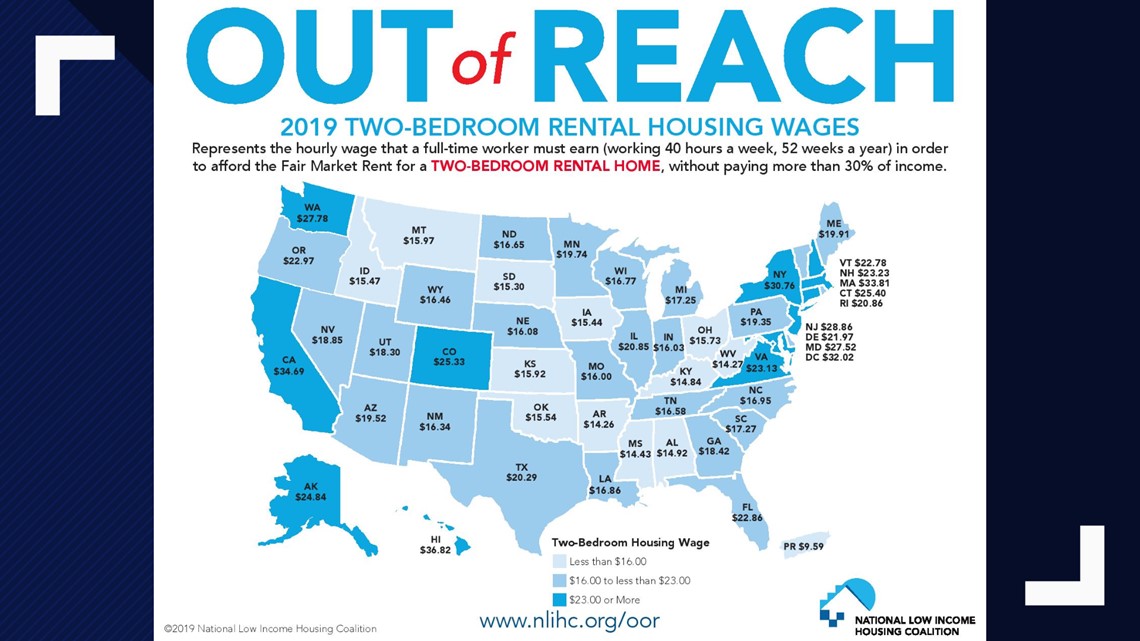
For anyone looking to establish a lifestyle in Arizona, whether on a budget or otherwise, the primary expenses revolve around housing, food, and transportation. Housing costs, particularly in major urban centers like Phoenix, Scottsdale, and Tempe, can be substantial. Rent for a modest apartment can consume a significant portion of a minimum wage earner’s income, making careful budgeting essential. The rental market has seen considerable fluctuations, impacting affordability and lifestyle choices. Food expenses, while generally comparable to national averages, can vary based on dietary preferences and shopping habits. Eating out regularly, for example, will quickly strain a budget, making home cooking a common strategy for minimum wage earners. Transportation is another critical factor in Arizona’s spread-out cities. While public transit options exist in larger areas like Mesa and Glendale, many residents rely on personal vehicles, incurring costs for fuel, insurance, and maintenance. These core expenses collectively dictate the feasibility and quality of life for someone earning the minimum wage, highlighting the need for strategic financial planning to maintain a comfortable lifestyle.
Regional Variations and Urban vs. Rural Living
The cost of living in Arizona is far from uniform. Metropolitan areas, with their greater job opportunities and amenities, typically come with a higher price tag. Phoenix and its surrounding cities, as well as popular tourist destinations like Sedona and Flagstaff, often see elevated costs for housing, goods, and services. This means that while the minimum wage provides a baseline, its purchasing power can differ significantly. In a high-cost area, minimum wage income might cover only basic necessities, leaving little for discretionary spending or savings.
Conversely, rural areas and smaller towns throughout Arizona tend to offer a lower cost of living, particularly regarding housing. This can translate to a more comfortable and less financially strained lifestyle for minimum wage earners, although job opportunities might be fewer and farther between. The trade-off often involves access to services, entertainment, and public transportation. For someone considering a move to Arizona, evaluating these regional differences against their desired lifestyle and employment prospects is paramount. A minimum wage job in Tucson might afford a different quality of life than the exact same job in Flagstaff, underscoring the importance of localized research for optimal lifestyle planning.
Minimum Wage and the Arizona Workforce
The minimum wage serves as the bedrock for many entry-level and service-oriented jobs, playing a particularly vital role in Arizona’s robust tourism and hospitality sectors. Understanding its specific impact on these industries provides further context for how it shapes the state’s overall lifestyle and economy.
Hospitality and Service Sector Employment
Arizona’s economy thrives on tourism and services, sectors that are heavily reliant on minimum wage employees. From hotel staff in Scottsdale to restaurant workers in Phoenix, and retail associates across the state, these individuals form the backbone of the visitor experience. For many, a minimum wage job in these sectors offers an entry point into the workforce or supplementary income. The state’s progressive minimum wage has provided a more stable income for these workers, allowing them to support themselves and their families to a greater extent than might be possible in states with lower wage floors. This, in turn, can foster a more motivated and experienced workforce, indirectly enhancing the quality of service for tourists and residents alike. A higher minimum wage contributes to a healthier local economy by increasing consumer spending, which benefits other local businesses and enriches the overall lifestyle within communities.
Seasonal Work and Tourist Hotspots
Many parts of Arizona, particularly destinations like Sedona, Flagstaff, and areas around Grand Canyon National Park, experience significant seasonal influxes of tourists. This creates a demand for seasonal workers in hospitality, retail, and outdoor recreation. For individuals seeking temporary employment or those combining travel with work, understanding the minimum wage is essential for budgeting their temporary lifestyle. These seasonal roles often pay minimum wage, but the potential for tips in service roles can significantly augment earnings. For instance, a seasonal worker in a resort near Sedona might find that their total compensation allows for a comfortable, albeit temporary, lifestyle in a beautiful setting. The minimum wage provides a crucial safety net and a predictable income stream for those who embrace the seasonal work opportunities that are integral to Arizona’s tourism economy. It allows individuals to enjoy the Grand Canyon State’s unique offerings while maintaining financial stability.
Budgeting for a Lifestyle in Arizona
Living on a minimum wage, even one that is regularly adjusted for inflation, requires astute financial planning. For those aspiring to build a life or even just enjoy an extended stay in Arizona, strategic budgeting and an awareness of supplementary income options are key to a sustainable and enjoyable lifestyle.
Strategies for Living on Minimum Wage
Successfully managing a lifestyle on minimum wage in Arizona often boils down to diligent budgeting and making conscious choices. One fundamental strategy involves creating a detailed monthly budget that tracks all income and expenses. Prioritizing essential costs like rent, utilities, groceries, and transportation is crucial. Seeking out affordable housing options, potentially in less expensive neighborhoods or through shared living arrangements, can significantly alleviate financial pressure, especially in cities like Tempe or Mesa. Grocery shopping at discount stores, cooking meals at home, and taking advantage of public transportation or carpooling in areas like Phoenix can further stretch a budget. Limiting discretionary spending on entertainment and dining out, while still allowing for occasional treats, helps maintain a balanced lifestyle. Furthermore, building an emergency fund, even a small one, provides a critical safety net for unexpected expenses, reducing stress and contributing to overall well-being. By adopting these practical strategies, individuals can maximize their minimum wage earnings and cultivate a more secure and enjoyable lifestyle in Arizona.
Exploring Supplementary Income Opportunities
For many minimum wage earners, supplementing their primary income is a common and often necessary step to achieve their desired lifestyle or financial goals in Arizona. The rise of the gig economy offers numerous opportunities for additional income through part-time work, freelancing, or side hustles. This could include driving for ride-sharing services in Scottsdale, delivering food in Glendale, offering specialized skills online, or engaging in temporary event work, particularly in areas with frequent festivals or conferences. Beyond the gig economy, traditional part-time jobs in retail or hospitality, perhaps on weekends or evenings, can significantly boost earnings. For those with specific skills, tutoring, pet-sitting, or house-sitting can also provide valuable extra income. The key is to identify skills and interests that can be monetized without overburdening oneself, ensuring that the pursuit of additional income enhances rather than detracts from overall lifestyle quality. These supplementary avenues empower individuals to save more, invest in their future, or simply enjoy more of what the Grand Canyon State has to offer, from exploring Grand Canyon National Park to experiencing local cultural events.
The Broader Economic Picture and Lifestyle Implications
The minimum wage in Arizona is more than just a figure; it’s a dynamic force influencing everything from small business viability to the state’s overall economic health and the future of its residents’ lifestyles.
Impact on Local Businesses and Economy
While a higher minimum wage is beneficial for workers, its impact on local businesses is a topic of ongoing discussion. For many small businesses, particularly those in the service and retail sectors prevalent in cities like Tucson and Yuma, increased labor costs can necessitate adjustments. This might involve careful management of staffing levels, increased efficiency, or modest price adjustments for goods and services. However, a compelling argument for a robust minimum wage is its positive ripple effect on the local economy. Workers with more disposable income are more likely to spend it locally, stimulating demand for goods and services, which can ultimately benefit businesses. This increased consumer spending helps circulate money within Arizona’s communities, fostering economic growth and contributing to a vibrant local lifestyle. Furthermore, a competitive minimum wage can improve employee morale, reduce turnover, and attract a higher quality workforce, leading to better service and productivity—outcomes that benefit both employers and the broader community.
Future Trends and Wage Debates
The trajectory of Arizona’s minimum wage is likely to continue its upward trend, primarily due to the state’s indexing mechanism that ties it to inflation. This built-in adjustment provides a measure of future predictability for both workers and businesses. However, debates surrounding the minimum wage are perpetual, focusing on its ideal level, the potential for further increases, and the economic consequences for various industries. Discussions often revolve around the concept of a “living wage” versus a “minimum wage,” and how best to ensure that all workers can afford a decent standard of living in places like Phoenix and Flagstaff. As Arizona continues to grow and evolve, these conversations will remain central to shaping its economic policies and, by extension, the lifestyle quality for its diverse population. For anyone planning their future in the Grand Canyon State, staying informed about these trends and debates is essential for making informed decisions about employment, finances, and ultimately, the kind of life they aspire to live in this unique part of the United States.
LifeOutOfTheBox is a participant in the Amazon Services LLC Associates Program, an affiliate advertising program designed to provide a means for sites to earn advertising fees by advertising and linking to Amazon.com. Amazon, the Amazon logo, AmazonSupply, and the AmazonSupply logo are trademarks of Amazon.com, Inc. or its affiliates. As an Amazon Associate we earn affiliate commissions from qualifying purchases.