
Venturing through the Golden State, from the bustling streets of Los Angeles to the iconic landmarks of San Francisco or the sun-drenched beaches of San Diego, understanding local economics is a vital tip for any tourist. Among the various costs travelers encounter, sales tax often stands out as a frequently misunderstood expense. While seemingly minor on individual purchases, sales tax can accumulate rapidly, significantly impacting a travel budget. For those planning a trip to California, deciphering the complexities of its sales tax system is not just about avoiding surprises, but about smart financial planning that allows for a more enjoyable and stress-free exploration of its diverse offerings. From dining experiences and souvenir shopping to recreational activities, nearly every tangible good purchased will incur this additional charge, making it an essential component of any tourist’s financial literacy for their California adventure.
Understanding California’s Sales Tax Landscape
California operates with a somewhat layered sales tax system, which can initially appear daunting to visitors accustomed to a single, flat rate. The system comprises a statewide base rate, to which various local district taxes are added. This means the exact sales tax percentage you pay can vary depending on the specific city or county within California where you make your purchase. As a tourist, being aware of this variability is crucial, especially if your itinerary includes stops in multiple regions. This dynamic structure reflects the state’s approach to funding local public services, with each additional percentage point contributing to community-specific projects and infrastructure.
The Base Rate and Local Additions
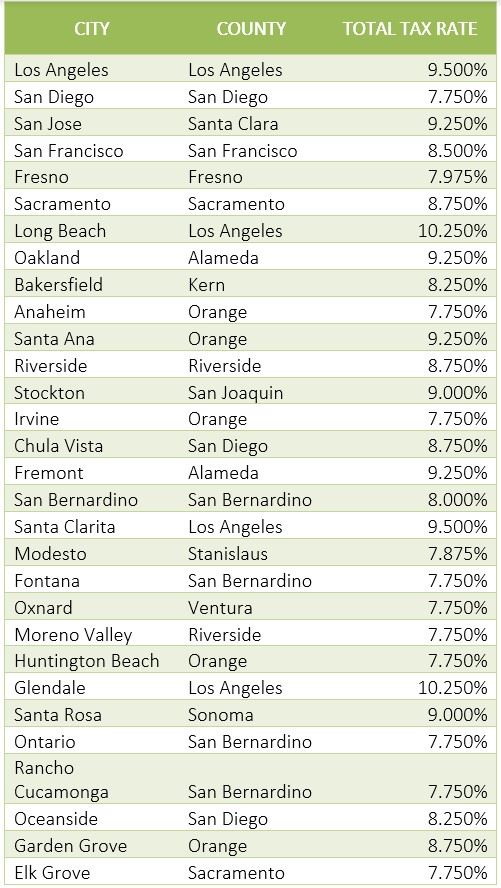
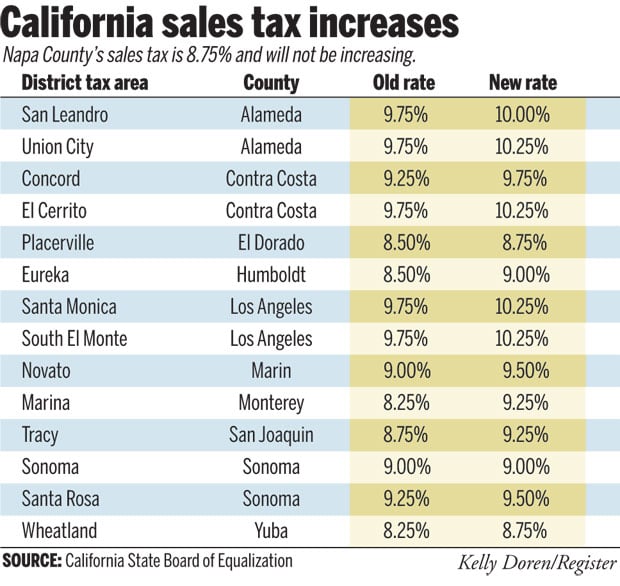
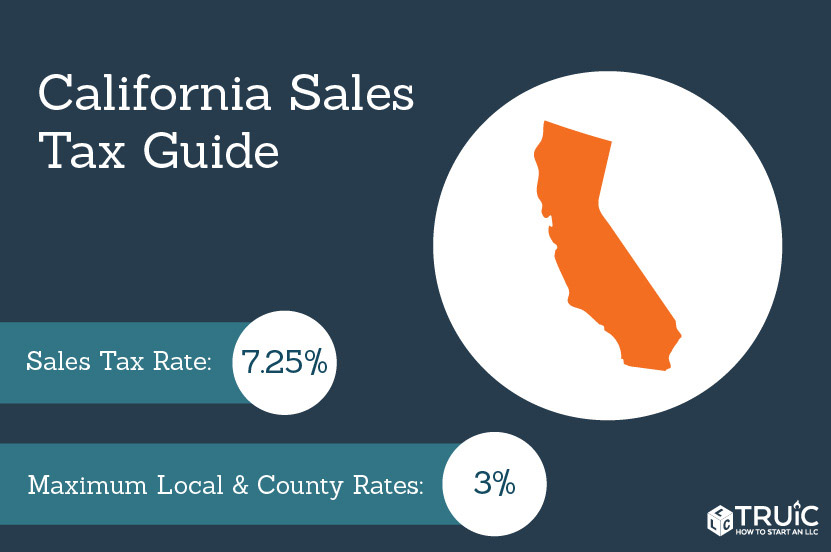
The statewide base sales tax rate in California is currently 7.25%. This is the foundational percentage applied to taxable sales across the entire state. However, cities, counties, and special districts have the authority to impose additional local sales taxes, often referred to as district taxes. These district taxes can push the combined sales tax rate significantly higher. For example, a tourist buying a souvenir in Los Angeles County might face a combined rate of 9.50%, while a similar purchase in parts of Alameda County, such as the city of Berkeley, could reach as high as 10.75%.
These local variations mean that the cost of an item advertised for $100 could effectively be $107.25 in one area and $110.75 in another. While tourists are unlikely to plan their shopping purely around tax rates, understanding these differences can help manage expectations and budgets, particularly for significant purchases. For instance, if you are considering purchasing a high-value item, such as a piece of artwork or a specialized gadget, researching the local tax rate where you plan to buy it could yield noticeable savings. Most major cities have higher combined rates due to various municipal and county-level ballot measures passed over the years to fund public services.
What Is Subject to Sales Tax?
In California, sales tax is generally applied to the retail sale of tangible personal property. This encompasses a wide array of items that tourists commonly purchase. Think of almost anything you can physically touch and take with you:
- Souvenirs and Gifts: T-shirts, postcards, magnets, local crafts, artwork, and specialty food items (like wine, if sold as a good).
- Clothing and Accessories: From boutique apparel on Rodeo Drive to casual wear from a beachside shop.
- Electronics: Cameras, smartphones, chargers, and other gadgets that enhance your travel experience or serve as lasting memories.
- Books and Magazines: Whether for leisure reading on a long train journey or as a memento of your visit.
- Pre-prepared Food and Drinks: This is where it gets a little nuanced for tourists. While most “cold” groceries purchased for home consumption are exempt, “hot” prepared food, restaurant meals, and often even cold drinks and snacks purchased for immediate consumption (e.g., from a convenience store or deli) are subject to sales tax. This means your morning coffee run, your lunch at a diner, and your evening meal at a fine-dining establishment will all include sales tax.
- Tickets to certain attractions or events: While many services are exempt, sometimes goods sold at an attraction (like merchandise in a gift shop) or specific aspects of an admission fee could be subject to sales tax if they are bundled with taxable goods. However, generally, admission fees themselves for events or attractions are not subject to sales tax, as they are considered services, which we’ll delve into next.
It’s crucial for tourists to distinguish between goods and services. For example, while the sales tax applies to the delicious meal you buy at a San Francisco restaurant, the service charge for parking your car or the cost of a guided tour are typically not subject to sales tax. This distinction is vital for accurate budgeting and understanding the final cost of your activities.
How Sales Tax Impacts Your Tourist Budget
For tourists, budgeting for sales tax is more than just an academic exercise; it’s a practical necessity to avoid overspending and ensure a smooth financial journey. Unlike a fixed entry fee, sales tax is an incremental cost applied to numerous small transactions throughout your trip, making it easy to overlook until the final bill arrives. Recognizing how sales tax permeates various aspects of a tourist’s spending in California allows for more accurate financial planning and prevents unwelcome surprises.
Dining Out and Food Purchases
Food is a significant component of any travel budget, and California’s diverse culinary scene is a major draw. From Michelin-starred restaurants in Los Angeles to casual taco trucks and farmers’ markets, tourists will spend a considerable amount on food. As mentioned, hot prepared food, restaurant meals (whether dine-in or takeout), and most cold prepared foods sold for immediate consumption are subject to sales tax. This includes your daily coffee, a quick sandwich, or a full dinner. If you eat out twice a day, every day, an additional 8-11% on top of your food bill can add up substantially over a week or two.
For example, a $50 dinner could effectively cost $54.75 or more, depending on the local sales tax rate. Over ten days, this small increment on each meal can result in an unexpected expenditure of hundreds of dollars. To budget effectively, always factor in the local sales tax rate before adding a tip. A common mistake is to budget only for the menu price, forgetting the additional tax and gratuity, leading to a much higher final bill than anticipated. Tourists looking to save might consider purchasing some cold groceries (like fruit, bread, and non-prepared snacks) from supermarkets, as these are generally exempt from sales tax unless they are hot prepared foods or certain types of soda.
Shopping for Souvenirs and Goods
Shopping for souvenirs, gifts, or even essential items like sunscreen or a new pair of sandals is almost inevitable for tourists. Every tangible item purchased, from a small trinket in a beach town to designer wear in Beverly Hills, will be subject to sales tax. If you plan to indulge in retail therapy, these taxes can quickly accumulate. A family buying multiple gifts and souvenirs might easily spend hundreds of dollars on goods, and the sales tax on that sum can be considerable.
Imagine a tourist spending $300 on souvenirs and clothes. At an average 9% sales tax rate, that’s an additional $27. While not a fortune, it’s money that could have been allocated to another activity or saved. For larger purchases, such as electronics or expensive artwork, the sales tax becomes even more significant. Knowing the specific tax rate of your shopping destination can help you make informed decisions about where to buy certain items, especially if you are traveling between areas with significantly different rates, such as Orange County versus downtown San Francisco.
Entrance Fees and Activities
Generally, admission tickets for attractions, museums, theme parks, concerts, and sporting events are considered services and are not subject to California sales tax. This is a crucial distinction and a relief for budget-conscious travelers, as these fees often represent a large portion of a tourist’s spending. For example, a ticket to Disneyland or the Getty Center will not have sales tax added to its listed price.
However, tourists should be mindful of what is taxable within these venues. Merchandise purchased at a gift shop, food and beverages bought inside the park, or souvenirs from a concert vendor will still incur sales tax. If an activity involves a tangible component that is considered a “sale,” then sales tax could apply. For instance, if you pay for a pottery-making class and the fee includes the cost of the clay and the finished product you take home, parts of that transaction might be taxable. It’s always best to clarify if unsure, but typically, the primary cost of entry for an experience remains untaxed.
Navigating Specific Tax Scenarios for Tourists
Beyond the general application, tourists often encounter specific situations that can lead to confusion regarding sales tax. Understanding these distinctions is key to a transparent financial experience while exploring California. These scenarios highlight the nuances of the tax system and provide clarity on what to expect.
Lodging Taxes vs. Sales Tax
One of the most common areas of confusion for tourists is distinguishing between lodging taxes and sales tax. When you book a hotel, motel, vacation rental, or even a campsite in California, you will be charged a “Transient Occupancy Tax” (TOT), often referred to as a “hotel tax” or “occupancy tax.” This is separate and distinct from sales tax.
TOT rates are determined by local municipalities and can vary significantly from city to city, often ranging from 8% to as high as 17% in popular tourist destinations like San Francisco or Santa Monica. For example, if a hotel room costs $200 per night, and the local TOT is 14%, you would pay an additional $28 per night in lodging tax. This tax is specifically levied on the privilege of occupying a room and funds local tourism initiatives, infrastructure, and general city services. Sales tax, on the other hand, applies to the purchase of tangible goods. Therefore, while you won’t pay sales tax on your room rate, you will pay sales tax on items you buy from the hotel gift shop, mini-bar, or room service food orders. It’s essential to factor both TOT and sales tax into your budget for accommodation and any associated purchases.
Vehicle Rentals and Fuel
Renting a car is a popular option for tourists exploring California’s scenic drives. The cost of the rental itself is typically considered a service and is generally not subject to California sales tax. However, be aware that car rental companies often impose various fees, surcharges, and sometimes additional local taxes specific to rental vehicles, which will be added to your bill. These are distinct from sales tax.
When it comes to fuel, however, it’s a tangible good and is subject to sales tax. Every time you fill up your tank, the price per gallon already includes various state and federal excise taxes (gas taxes), and then sales tax is applied to the final pump price. While the sales tax component on a single tank of gas might seem small, it adds up over a road trip across the state, especially with California’s generally higher gas prices. Factor this into your overall transportation budget, especially if you plan extensive driving.
Services vs. Tangible Goods
This distinction is perhaps the most fundamental for understanding California’s sales tax for tourists. As a general rule, sales tax is applied to the sale of tangible personal property, not services. This means many common tourist expenses are exempt from sales tax:
- Tours and Excursions: Guided tours, boat trips, wine tasting experiences (if primarily a service, though wine bottles purchased to take home would be taxed), and adventure activities like surfing lessons or hot air balloon rides are generally not subject to sales tax.
- Transportation Fares: Bus, train, taxi, rideshare (e.g., Uber, Lyft), and flight fares are all services and thus sales tax-exempt.
- Personal Services: Haircuts, spa treatments, massages, or other personal grooming services are not taxed.
- Professional Services: If you happen to require legal, medical, or consulting services while traveling, these are also exempt.
The key takeaway for tourists is to remember the “tangible good” rule. If you can pick it up and take it with you, it’s likely subject to sales tax. If it’s an experience, a journey, or an action performed for you, it’s likely a service and not taxed. This simple rule of thumb can help clarify many purchase decisions.
Practical Tips for Tourists Regarding Sales Tax
Navigating the sales tax system in California doesn’t have to be a source of stress. With a few practical tips, tourists can better manage their finances, avoid surprises, and focus on enjoying their vacation. Incorporating these simple habits into your travel routine will ensure a smoother and more transparent financial experience.
Always Check Your Receipts
This is perhaps the most straightforward and effective tip. After every purchase, particularly larger ones or those involving food, take a moment to review your receipt.
- Verify the Sales Tax Rate: See what combined rate was applied. If you’re traveling between cities or counties, you might notice this rate change. For instance, a purchase in downtown Sacramento might have a different rate than one made in El Dorado County a day later.
- Confirm Taxable Items: Ensure that sales tax was only applied to taxable goods. Sometimes, errors can occur where services or exempt items are incorrectly taxed. While rare, it’s good to be vigilant.
- Identify Other Fees: Especially in restaurants, look for any automatic service charges or surcharges. These are separate from sales tax and gratuity. Understanding all components of your bill prevents confusion and helps you calculate your tip correctly.
By regularly checking receipts, you not only catch potential errors but also develop a clearer understanding of how your money is being spent, making you a more informed consumer during your travels.
Factor Tax into Your Budget
The most proactive way to manage sales tax is to incorporate it directly into your daily spending estimates. Rather than budgeting for the exact sticker price of an item or menu price of a meal, assume an additional 9-10% (or even slightly higher if you know you’ll be in high-tax areas like Alameda County or Los Angeles County) for sales tax on anything taxable.
For example, if you allocate $100 for a souvenir shopping spree, assume you’ll only be able to buy about $90-$92 worth of goods before tax. Similarly, if you budget $75 for dinner, mentally adjust it to account for the tax, meaning the food itself should be closer to $68-$70. This small adjustment can prevent you from running short on funds or having to dip into other budget categories unexpectedly. Many travel apps and online tools allow you to customize budgets to include sales tax estimates, which can be particularly helpful for a multi-city California itinerary.
Common Exemptions to Be Aware Of
While most tangible goods are taxed, knowing the common exemptions can sometimes save you a few dollars or at least clarify why certain purchases are cheaper than expected.
- Most Groceries: Unprepared food items, such as fresh produce, meat, dairy, and most packaged goods purchased from grocery stores for home consumption, are generally exempt from sales tax. So, if you’re staying in an accommodation with a kitchenette, buying groceries and preparing some of your meals can be a great way to save on tax (and overall food costs).
- Prescription Medicine: Prescription drugs and certain over-the-counter medicines sold by prescription are exempt.
- Medical Devices: Certain medical devices and supplies may also be exempt.
- Periodicals: Newspapers and magazines may sometimes be exempt, though this can vary depending on the context of the sale.
While these exemptions primarily benefit residents, tourists can also take advantage of them, especially with groceries. Planning a picnic with items purchased from a local supermarket, for instance, means you’re largely avoiding sales tax on the food items themselves, allowing you to stretch your travel dollar further. Always remember that hot, prepared foods or cold food items sold for immediate consumption (like a deli sandwich) are typically taxable, even if purchased from a grocery store.
By understanding the sales tax system, distinguishing between taxable goods and services, and implementing these practical tips, tourists can confidently manage their expenses and fully immerse themselves in the unforgettable experiences that California has to offer, without any financial surprises.
LifeOutOfTheBox is a participant in the Amazon Services LLC Associates Program, an affiliate advertising program designed to provide a means for sites to earn advertising fees by advertising and linking to Amazon.com. Amazon, the Amazon logo, AmazonSupply, and the AmazonSupply logo are trademarks of Amazon.com, Inc. or its affiliates. As an Amazon Associate we earn affiliate commissions from qualifying purchases.