
Understanding the tax landscape is a crucial aspect of planning any trip, especially when exploring a diverse state like Arizona. From the vibrant cityscape of Phoenix to the awe-inspiring Grand Canyon, visitors will encounter various taxes that can subtly impact their budget. While Arizona is known for its attractive tax policies compared to some other states, a clear grasp of sales tax, lodging tax, and specific destination taxes will empower travelers to make informed decisions and avoid any unexpected financial surprises. This guide aims to demystify the tax structure for tourists, ensuring a smoother and more enjoyable experience across the Grand Canyon State.
Understanding Arizona’s Sales Tax Structure
The primary tax that affects most tourist expenditures in Arizona is the state sales tax, augmented by local (city and county) transaction privilege taxes (TPT). This dual-layered approach means the total tax rate can vary significantly depending on the specific municipality or unincorporated area a traveler is visiting. For tourists, this impacts everything from purchasing souvenirs in Sedona to dining at a restaurant in Tucson.
State Sales Tax
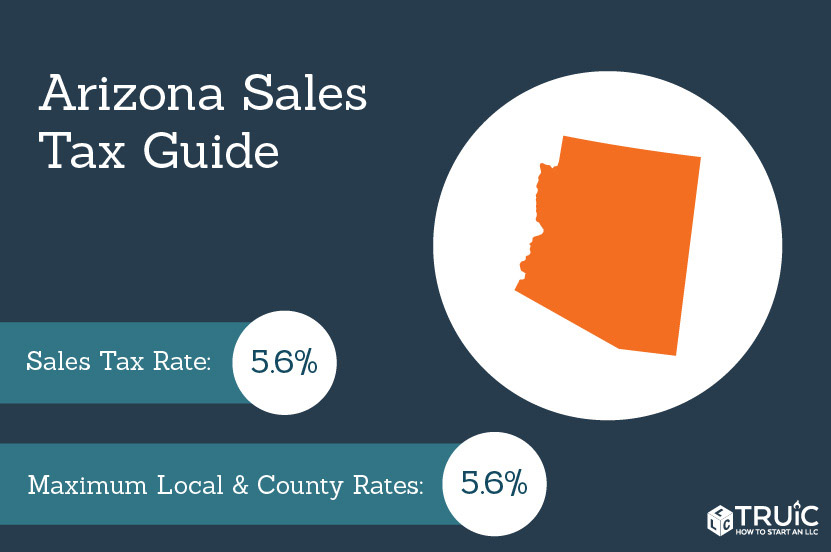
Arizona’s state sales tax is relatively straightforward. As of recent data, the state sales tax rate is 5.6%. This rate applies to most retail sales of tangible personal property. However, it’s crucial to remember that this is only one component of the total tax burden. Many services are also subject to state sales tax, though exemptions do exist for certain professional services and some essential goods.
Local Transaction Privilege Tax (TPT)
This is where the complexity, and the variation, truly comes into play. In addition to the state sales tax, cities and counties impose their own Transaction Privilege Tax (TPT). This tax is often referred to as a “sales tax” by consumers, but its legal designation in Arizona is TPT, as it is technically a tax on the privilege of doing business in the state.
The combined state and local TPT rates can range dramatically. For example, a purchase made in a major metropolitan area like Scottsdale might carry a significantly higher total TPT rate than a purchase in a smaller, unincorporated town. The Arizona Department of Revenue provides detailed TPT rate tables, which are essential resources for understanding the specific rates in different jurisdictions. These tables are updated regularly to reflect any changes in local ordinances.
Common Tourist Purchases and TPT:
- Retail Goods: Souvenirs, clothing, electronics, and other tangible items are subject to TPT. The rate will be the combined state and local TPT for the specific city or county where the purchase is made.
- Restaurant Meals: Dining out is a significant part of the tourist experience. Food and beverages sold for immediate consumption at restaurants are typically taxed at the combined TPT rate.
- Car Rentals: Renting a vehicle to explore Arizona’s vast landscapes incurs TPT on the rental cost.
- Entertainment: Tickets to theme parks, sporting events, or performances will also be subject to TPT.
Tips for Navigating TPT:
- Check Local Rates: Before making significant purchases, particularly in less familiar areas, it’s wise to have a general idea of the local TPT rate. Many businesses will display the combined rate at the point of sale.
- Online Resources: The Arizona Department of Revenue website offers tools to look up TPT rates by address, which can be incredibly helpful for planning.
- Factor into Budget: Always add a buffer for sales tax when budgeting for your trip. What appears to be a $20 souvenir could end up costing $22 or more, depending on the local tax.
Lodging Taxes: Where You Stay Matters
One of the most significant tax considerations for tourists is the tax levied on hotel stays, vacation rentals, and other forms of accommodation. Similar to sales tax, lodging taxes in Arizona are a combination of state and local levies, often referred to as the “bed tax.”
State Lodging Tax
The state portion of the lodging tax typically applies to hotel room revenues. This state tax is generally a smaller percentage compared to the local component, but it adds to the overall cost of your stay.
Local Lodging Taxes and Tourism Taxes
Cities and counties in Arizona often impose substantial lodging taxes to fund local services, infrastructure, and critically, tourism promotion efforts. These local taxes are a significant revenue source for many tourist-dependent communities.
- Municipal Lodging Taxes: Many cities, particularly popular tourist destinations like Flagstaff, Tempe, and Lake Havasu City, levy their own lodging taxes on top of the state rate. These can vary considerably, with some rates exceeding 10% or even 15% when combined with state taxes.
- County Lodging Taxes: In unincorporated areas of a county, or in addition to municipal taxes within a city, county lodging taxes may also apply.
- Tourism Improvement Districts (TIDs): Some areas have established Tourism Improvement Districts, which are special assessment districts that levy an additional fee on hotel rooms to fund tourism marketing and development initiatives for that specific area. These are a form of tax that directly benefits the promotion of the destination.
Example Scenario:
Imagine booking a hotel room in Phoenix. You would likely pay the state TPT rate, plus the Phoenix city TPT, and potentially any additional lodging taxes specific to the hotel’s location within the city or any relevant tourism improvement district. This combined rate can significantly increase the final price compared to the advertised room rate.
Calculating Lodging Tax:
The tax is calculated based on the gross receipts from the rental of lodging. When booking through online travel agencies (OTAs) or directly with hotels, the listed price often does not include these taxes. They are typically itemized and added at the time of checkout or payment.
Tips for Managing Lodging Taxes:
- Review Booking Confirmations Carefully: Always scrutinize your booking confirmation and the final invoice for line items related to taxes and fees.
- Compare Total Costs: When comparing hotel prices, ensure you are comparing the total cost, including all applicable taxes and fees, not just the base room rate.
- Consider Location: The specific neighborhood or even the city you choose for your stay can impact the lodging tax. Researching tax rates in different areas can lead to potential savings.
- Understand Vacation Rentals: Taxes on vacation rentals (like those booked through platforms such as Airbnb or VRBO) are often subject to the same TPT and lodging taxes as traditional hotels, depending on local ordinances and whether the rental is registered.
Special Taxes and Fees for Tourists
Beyond general sales and lodging taxes, Arizona also has specific taxes and fees that may affect tourists depending on their activities and purchases. While these are less pervasive than TPT, they are important to be aware of.
Car Rental Taxes and Fees
As mentioned earlier, car rentals are subject to TPT. However, rental car companies often add other mandatory fees and surcharges that are not strictly TPT but contribute to the overall cost. These can include airport concession fees (if renting at an airport like Phoenix Sky Harbor International Airport), vehicle license fees, and administrative fees. Understanding the breakdown of these charges is crucial.
Specific Destination Fees
Some attractions or regions might implement specific fees that, while not always labeled as “taxes,” function similarly for the tourist. For instance, entrance fees to national or state parks often contribute to the maintenance and operation of these natural wonders. While these are typically admission fees rather than general taxes, they represent an added cost for experiencing popular tourist destinations.
Alcohol and Tobacco Taxes
Purchases of alcohol and tobacco products in Arizona are subject to state and local excise taxes, which are generally higher than the standard TPT. These are often included in the price of the products, but the tax component can be substantial.
Vehicle Registration and Emissions (For Extended Stays or Residents)
While not directly impacting short-term tourists, individuals planning an extended stay or those considering moving to Arizona will encounter vehicle registration fees and potentially emissions testing requirements in certain counties, particularly in the Maricopa County and Pima County metropolitan areas. These are separate from the taxes paid at the point of sale or for accommodation.
Key Considerations for Budgeting:
- Research is Paramount: The most effective strategy for managing taxes as a tourist in Arizona is thorough research. Familiarize yourself with the general tax rates in the areas you plan to visit.
- Utilize Official Resources: The Arizona Department of Revenue website is the definitive source for sales and TPT information. Local city and county government websites often provide details on their specific lodging taxes and TPT rates.
- Assume Higher Prices: When budgeting, it’s often prudent to assume that advertised prices for goods, services, and accommodation will be higher due to taxes. A 10% buffer is a reasonable starting point, though actual rates can vary.
By approaching your Arizona travels with an informed perspective on its tax structure, you can ensure that your budget remains on track, allowing you to fully immerse yourself in the unparalleled beauty and diverse attractions this remarkable state has to offer, from the red rocks of Sedona to the historic streets of Tombstone and the natural wonders of Antelope Canyon.
LifeOutOfTheBox is a participant in the Amazon Services LLC Associates Program, an affiliate advertising program designed to provide a means for sites to earn advertising fees by advertising and linking to Amazon.com. Amazon, the Amazon logo, AmazonSupply, and the AmazonSupply logo are trademarks of Amazon.com, Inc. or its affiliates. As an Amazon Associate we earn affiliate commissions from qualifying purchases.