
Planning a trip to the bustling metropolis of New York often involves more than just booking your accommodation and mapping out your itinerary for iconic landmarks like the Empire State Building or Times Square. For many travelers, especially those arriving by car, a crucial but sometimes overlooked aspect of the journey is the cost of tolls. Navigating New York and its surrounding areas means encountering a network of bridges and tunnels, each with its own associated fees. Understanding these costs upfront can help you budget effectively and avoid any unpleasant surprises as you approach the city that never sleeps.
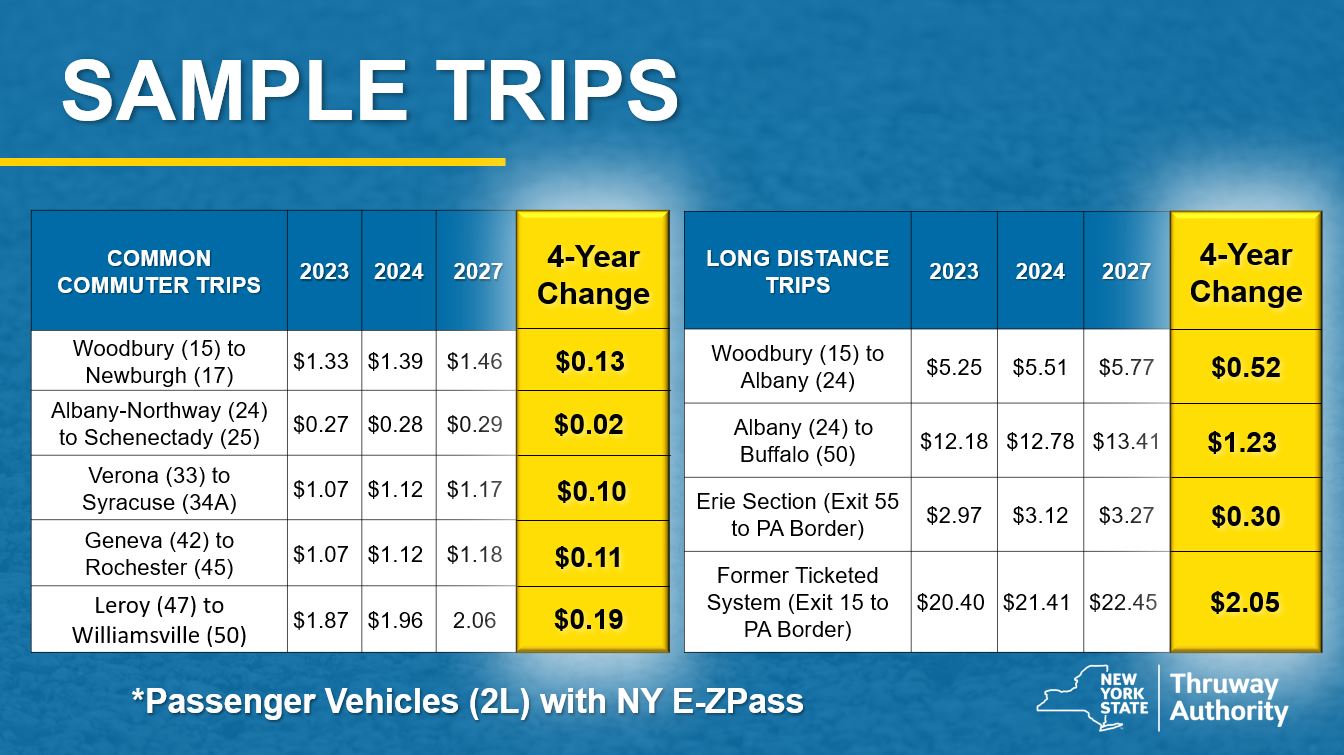
The decision to drive into New York is often dictated by convenience, flexibility, or the sheer desire to experience the journey itself. Whether you’re embarking on a luxury travel escapade, a budget travel adventure, or a family trip, the tolls are a tangible part of the financial equation. This comprehensive guide aims to demystify the tolling landscape, providing clarity on the various routes, their associated costs, and the payment methods available. We’ll explore the primary entry points into Manhattan, the pricing structures, and offer practical tips for a smoother drive.
Understanding the Toll System in the New York Metropolitan Area
The New York metropolitan area is a complex web of transportation infrastructure, and tolls are an integral part of managing its flow and funding its maintenance. The primary tolling entities are the Metropolitan Transportation Authority (MTA), which operates many bridges and tunnels within New York City, and the Port Authority of New York and New Jersey (PANYNJ), which manages critical crossings between the two states.
Key Toll Bridges and Tunnels to Manhattan
Manhattan, being an island, is accessible via several major toll crossings. The specific toll you’ll pay depends entirely on your point of origin and the bridge or tunnel you choose to use.
Bridges
- George Washington Bridge: This iconic suspension bridge connects Fort Lee, New Jersey to Upper Manhattan. It’s a primary artery for traffic coming from the north and west. The toll is collected for eastbound traffic only, heading into New York.
- Bronx-Whitestone Bridge: Connecting Queens (specifically the area near Flushing Meadows-Corona Park) to the Bronx, this bridge is often used by those coming from Long Island and points east. Tolls are collected for southbound traffic into Queens.
- Throgs Neck Bridge: Also connecting Queens to the Bronx, this bridge is another key route for traffic from Long Island and Connecticut. Tolls are collected for southbound traffic into Queens.
- Triborough Bridge (now RFK Bridge): This is actually a complex of three bridges connecting Manhattan, Queens, and the Bronx. The tolls are collected for traffic entering Manhattan from Queens and the Bronx.
- Queensboro Bridge (Ed Koch Queensboro Bridge): This bridge famously offers stunning views of the Manhattan skyline and connects Queens to Midtown Manhattan. Crucially, this bridge is toll-free for vehicles traveling in both directions. This is a significant point for budget-conscious travelers heading into Manhattan from Queens.
Tunnels
- Lincoln Tunnel: This busy tunnel under the Hudson River connects Weehawken, New Jersey to Midtown Manhattan. Tolls are collected for eastbound traffic entering New York.
- Holland Tunnel: Another vital river crossing, the Holland Tunnel connects Jersey City, New Jersey to Lower Manhattan. Tolls are collected for eastbound traffic entering New York.
- Queens-Midtown Tunnel: This tunnel connects Long Island City in Queens to Midtown Manhattan. Tolls are collected for eastbound traffic entering New York.
- Hugh L. Carey Tunnel (formerly Brooklyn–Battery Tunnel): The longest underwater vehicular tunnel in North America, this tunnel connects Red Hook, Brooklyn, to Lower Manhattan. Tolls are collected for eastbound traffic entering New York.
Toll Rates and Payment Methods
The toll rates can vary based on the day of the week, time of day (peak vs. off-peak hours), and the payment method used. New York has largely transitioned to electronic toll collection, which can often result in lower rates compared to cash payments (though cash is still accepted at some locations, it’s becoming increasingly rare).
The primary electronic tolling system is E-ZPass. If you have an E-ZPass transponder from any state, it will work on toll facilities throughout the United States, including those in the New York metropolitan area. The rates for E-ZPass users are typically the lowest available.
For those without an E-ZPass, you’ll encounter toll-by-mail or cashless tolling systems. In cashless tolling environments, cameras capture your license plate number, and a bill is mailed to the registered owner of the vehicle. This method usually incurs a higher toll rate than E-ZPass. Some facilities may still accept cash, but it’s best to assume electronic payment is the standard.
Typical Toll Costs (as of late 2023 / early 2024 – rates are subject to change and should be verified)
- George Washington Bridge: E-ZPass (peak/off-peak): $16.80 / $14.80. Toll-by-mail: $18.80.
- Lincoln Tunnel: E-ZPass (peak/off-peak): $17.80 / $15.80. Toll-by-mail: $19.80.
- Holland Tunnel: E-ZPass (peak/off-peak): $17.80 / $15.80. Toll-by-mail: $19.80.
- Queens-Midtown Tunnel: E-ZPass (peak/off-peak): $12.15 / $10.15. Toll-by-mail: $14.15.
- Hugh L. Carey Tunnel (Brooklyn–Battery Tunnel): E-ZPass (peak/off-peak): $12.15 / $10.15. Toll-by-mail: $14.15.
- Triborough Bridge (RFK Bridge): E-ZPass (peak/off-peak): $12.15 / $10.15. Toll-by-mail: $14.15.
- Bronx-Whitestone Bridge: E-ZPass (peak/off-peak): $12.15 / $10.15. Toll-by-mail: $14.15.
- Throgs Neck Bridge: E-ZPass (peak/off-peak): $12.15 / $10.15. Toll-by-mail: $14.15.
Important Note: These figures are approximate and can fluctuate. For the most accurate and up-to-date toll information, it is always recommended to check the official websites of the MTA or PANYNJ before your trip. These authorities frequently update their tolling policies and rates.
Planning Your Entry: Strategies for Different Travelers
The best way to approach tolls to New York depends on your specific travel plans, your starting point, and your tolerance for extra costs. Whether you’re a solo explorer seeking adventure or part of a large group on a holiday, understanding these nuances can significantly impact your travel experience and budget.
Navigating from New Jersey
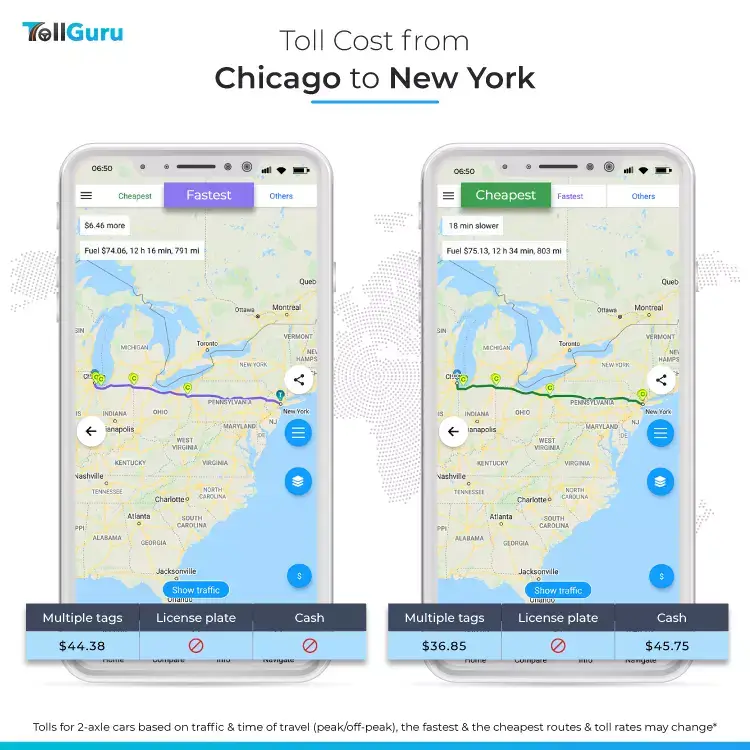
If you’re arriving from New Jersey, you have a few primary options for entering Manhattan.
- For Midtown Manhattan Access: The Lincoln Tunnel is often the most direct route. If you’re aiming for the heart of the city, this tunnel will likely be your choice. Be prepared for peak hour congestion, which will affect travel time and potentially the toll rate if you’re not using an E-ZPass.
- For Lower Manhattan Access: The Holland Tunnel is your gateway to the southern tip of Manhattan. Similar to the Lincoln Tunnel, traffic can be intense, especially during commuting hours.
- For Uptown Manhattan and Further North: The George Washington Bridge is the most significant crossing from New Jersey into Upper Manhattan. This bridge offers access to parts of Manhattan and can be a good option if your destination is in the upper west or east sides, or if you’re heading further into New York State or New England via routes like the New York State Thruway.
Tip for New Jersey Travelers: If your destination is on the west side of Manhattan, consider the George Washington Bridge for potentially lower tolls and a different traffic flow compared to the tunnels. Conversely, if you’re heading to Midtown or Lower Manhattan, the Lincoln and Holland tunnels offer direct access.
Entering from Long Island and Queens
Travelers coming from Long Island or Queens have a different set of tolling points to consider.
- For Midtown Manhattan Access: The Queens-Midtown Tunnel provides a direct link from Long Island City to the bustling streets of Midtown.
- For Lower Manhattan Access: The Hugh L. Carey Tunnel (Brooklyn–Battery Tunnel) connects Brooklyn to the Financial District of Lower Manhattan. This can be a convenient option if your hotel or destination is in that area, and you’re coming from parts of Brooklyn or southern Queens.
- For Access to the Bronx and Upper Manhattan: The Triborough Bridge (RFK Bridge) is a crucial connection point that also serves as an entry to the Bronx and can be a good option for reaching areas in Northern Manhattan.
- The Toll-Free Option: As mentioned, the Queensboro Bridge (Ed Koch Queensboro Bridge) offers a completely free passage into Midtown Manhattan from Queens. This is a significant advantage for anyone looking to minimize travel costs. However, it’s important to note that this bridge can experience heavy traffic, especially during peak hours, and does not offer the same direct subway connectivity that the tunnels might provide for onward travel.
Tip for Long Island/Queens Travelers: If cost is a primary concern and your destination is in Midtown Manhattan, the Queensboro Bridge is your best bet. For a more direct route into specific parts of Manhattan, the tunnels and other bridges will be necessary, but factor in their tolls.
Understanding Tolls from Connecticut and Points North
For those traveling from Connecticut or further north, your entry into New York City will likely involve the bridges connecting the Bronx to Queens.
- Throgs Neck Bridge and Bronx-Whitestone Bridge: These two bridges are the primary gateways from the east, coming off routes like the New England Thruway (I-95). Tolls are collected for southbound traffic heading into Queens. From Queens, you can then access other parts of the city via tunnels, other bridges, or the extensive public transportation system.
Tip for Northeastern Travelers: Consider your final destination in New York. If you’re heading to Manhattan, you’ll need to factor in the tolls for the bridges into Queens, and then potentially additional tolls or subway fares to reach your specific location.
Maximizing Your Travel Experience: Tips for Toll Roads
Beyond just knowing the costs, there are several practical strategies to make your toll road experience smoother and potentially more economical. These tips are invaluable for anyone seeking to optimize their travel in and around the New York area, whether for business or leisure.
Embrace Electronic Toll Collection
The most significant way to save money and time on New York tolls is to use an E-ZPass. If you travel frequently in toll road areas, the cost of a transponder is quickly offset by the savings on individual tolls. It eliminates the need to fumble for cash, speeds up your passage through toll plazas, and avoids the potential administrative fees associated with toll-by-mail systems. Many rental car companies offer E-ZPass options, though it’s essential to inquire about their specific fees, as they can sometimes be higher than direct E-ZPass rates.
Plan Your Travel Times
New York traffic is notoriously challenging, and toll rates often reflect this. Peak hours typically see higher tolls on many bridges and tunnels. If your schedule allows, traveling during off-peak hours (usually late at night, early morning, or weekends) can result in lower toll charges and a less stressful driving experience. This is particularly relevant for those looking for budget travel options.
Consider Public Transportation
For many visitors, particularly those staying within Manhattan or traveling between boroughs, New York City’s extensive public transportation system—the subway and buses—is a far more economical and often faster way to get around than driving and paying tolls. If you’re visiting popular attractions like the Statue of Liberty, Central Park, or museums on the Upper East Side, relying on the subway can save you significant money on tolls and parking. If you plan on extensive exploration of the city’s attractions and landmarks, consider foregoing a rental car entirely or using it only for day trips outside the city.
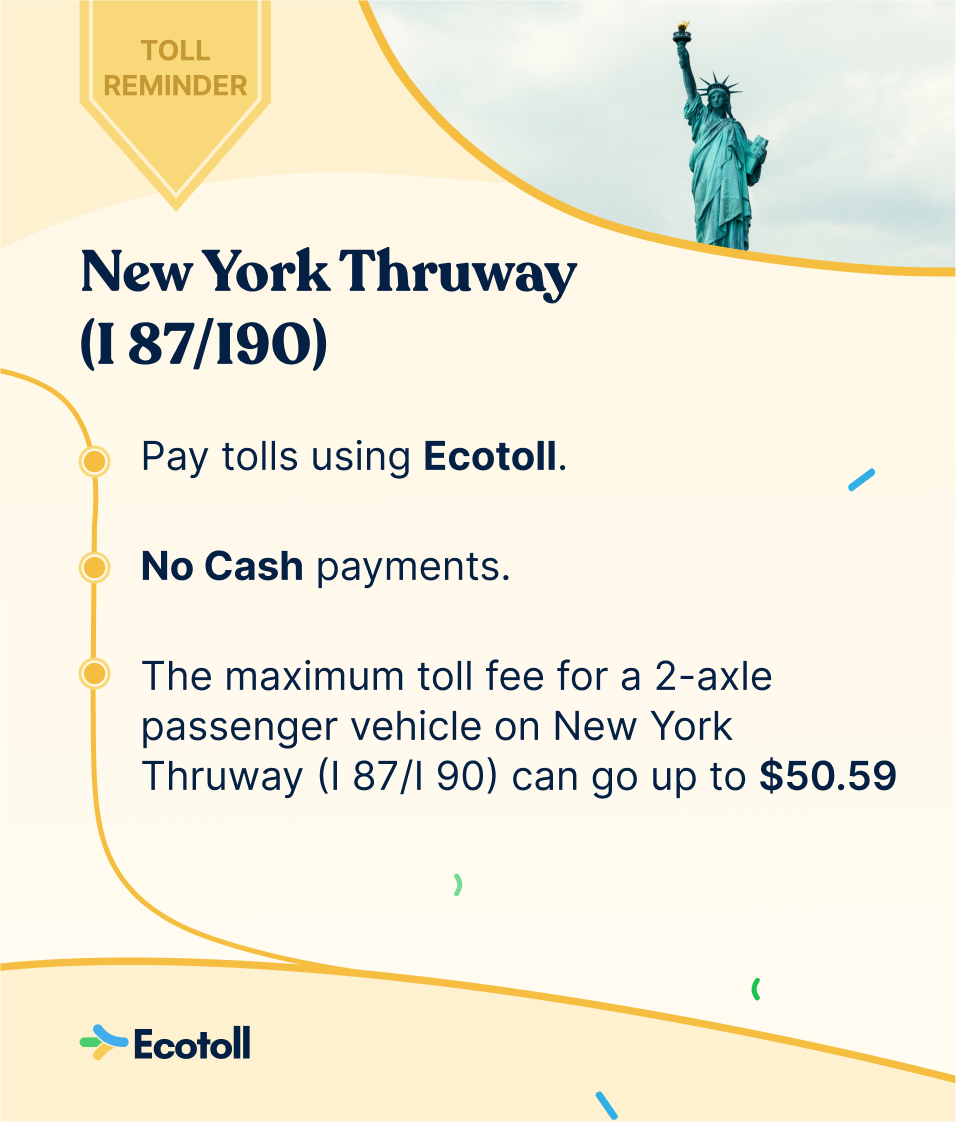
Research Your Route Thoroughly
Before you embark on your journey, use GPS navigation apps like Google Maps or Waze. These tools can often provide real-time toll information and suggest routes that minimize tolls, if that’s your preference. They can also alert you to potential traffic delays, allowing you to adjust your route and timing accordingly. This is part of the essential travel planning that makes a trip to New York more enjoyable, regardless of whether you’re staying in a luxury hotel or a more modest apartment.
By understanding the tolling system, choosing the right routes, and utilizing available payment methods and alternative transportation, you can effectively manage the costs associated with driving into New York, ensuring your trip is both memorable and financially sound.
LifeOutOfTheBox is a participant in the Amazon Services LLC Associates Program, an affiliate advertising program designed to provide a means for sites to earn advertising fees by advertising and linking to Amazon.com. Amazon, the Amazon logo, AmazonSupply, and the AmazonSupply logo are trademarks of Amazon.com, Inc. or its affiliates. As an Amazon Associate we earn affiliate commissions from qualifying purchases.