
The term “Skid Row” has become synonymous with urban decay and homelessness in the collective consciousness, often conjuring images of a blighted, neglected corner of a city. When discussing Los Angeles, the name “Skid Row” immediately brings to mind a specific geographical area and a complex social issue that has plagued the city for decades. This article aims to delve into what Skid Row in Los Angeles truly is, exploring its historical roots, its present-day reality, and the multifaceted challenges and ongoing efforts to address the situation. While not a typical tourist destination, understanding Skid Row is crucial for anyone seeking a comprehensive understanding of Los Angeles and its diverse social landscape.
The Historical Genesis of Skid Row
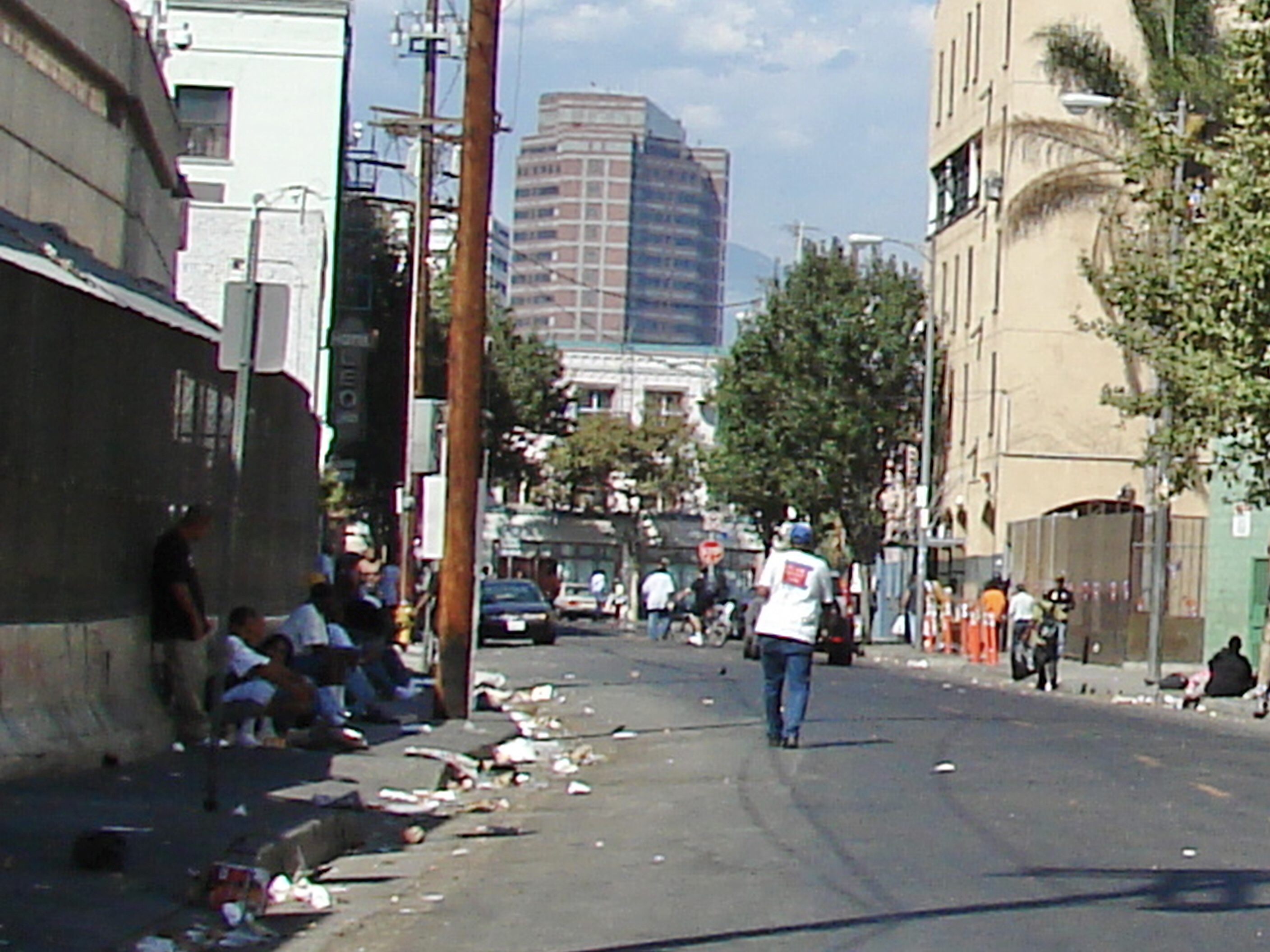
The origins of the term “Skid Row” are often debated, but its association with Los Angeles is firmly established. The area that now constitutes Skid Row in Los Angeles has a long and complex history, evolving from a bustling industrial and logging district to the epicenter of the city’s homeless population.
Early Development and Industrial Roots
In the late 19th and early 20th centuries, the area now known as Skid Row was a vibrant hub of activity. Its proximity to the railway lines made it an ideal location for warehouses, factories, and a transient workforce. The term “skid” itself is thought to have originated from the practice of skidding logs down a slope to the nearest water source for transport. This industrial past attracted a large number of laborers, many of whom were single men seeking work and temporary lodging. These workers often lived in cheap boarding houses and flophouses, establishing a pattern of transient and low-cost accommodation that would, over time, become a defining characteristic of the area.
The Shifting Demographic and the Rise of Homelessness
As Los Angeles grew and evolved, the industrial base of the Skid Row area began to decline. This economic shift, coupled with broader societal changes, led to a transformation in the area’s demographic. Many of the affordable housing options that once catered to the working transient population became increasingly occupied by those with nowhere else to go. Factors such as economic downturns, mental health crises, lack of affordable housing, and substance abuse contributed to a growing population of individuals experiencing homelessness in the downtown core.
Over the decades, the concentration of poverty and homelessness in this specific geographic area became increasingly pronounced. The affordable housing stock deteriorated, and the existing social services became overwhelmed. This created a self-perpetuating cycle where the area became a magnet for those struggling with severe disadvantages, further entrenching its reputation as Skid Row. The historical context is vital to understanding that Skid Row wasn’t always the manifestation of extreme poverty and homelessness it is today; it was once a functional, albeit often gritty, part of the city’s economic engine.
Skid Row Today: A Complex Urban Landscape
The Skid Row of today is a stark and often confronting reality within the otherwise gleaming metropolis of Los Angeles. It is a neighborhood defined by its visible homeless population, a dense concentration of social service agencies, and a palpable sense of struggle. It’s important to recognize that Skid Row is not a monolithic entity; it is a complex ecosystem with diverse individuals and intertwined issues.
The Visible Manifestation of Homelessness
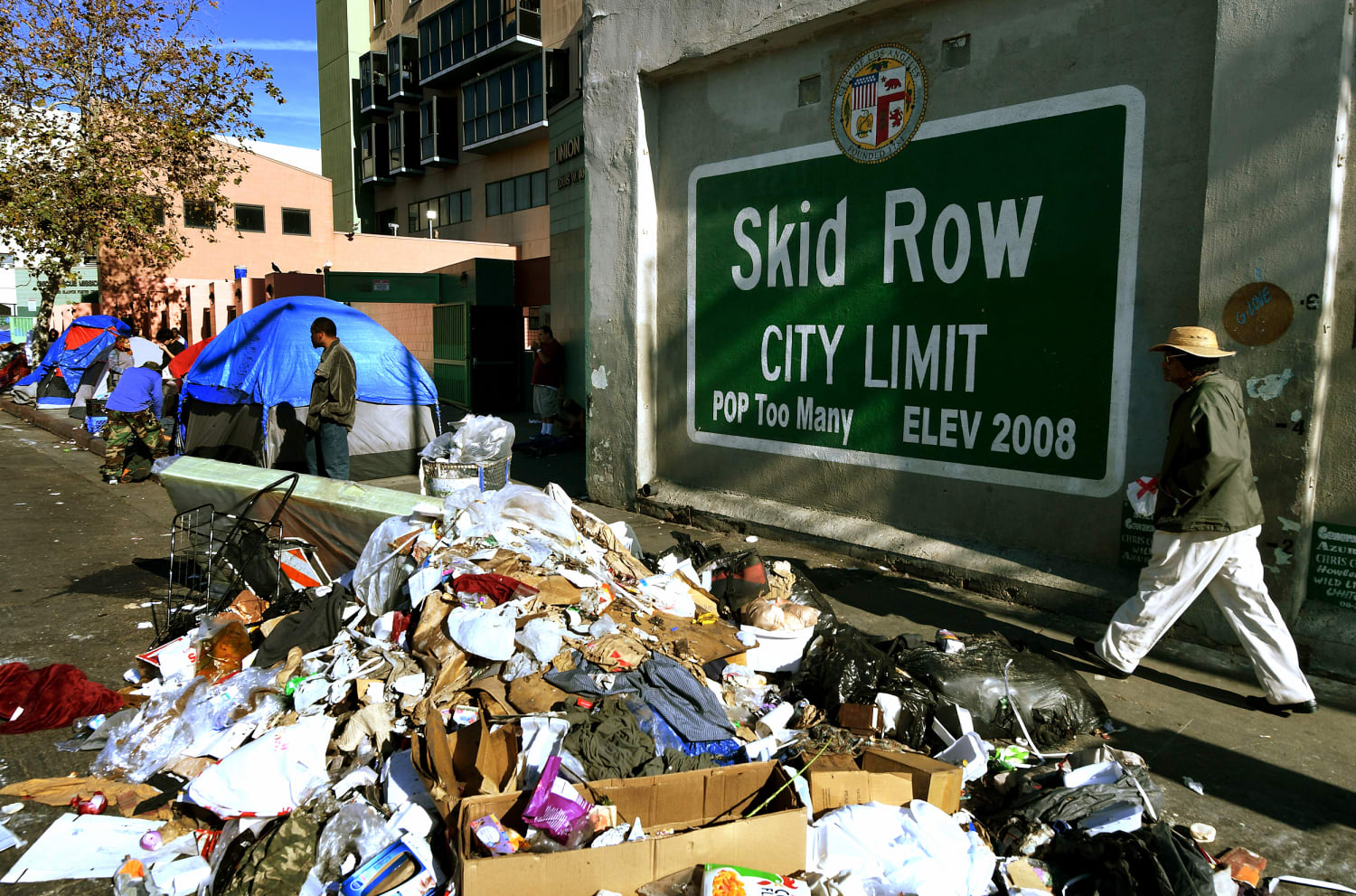
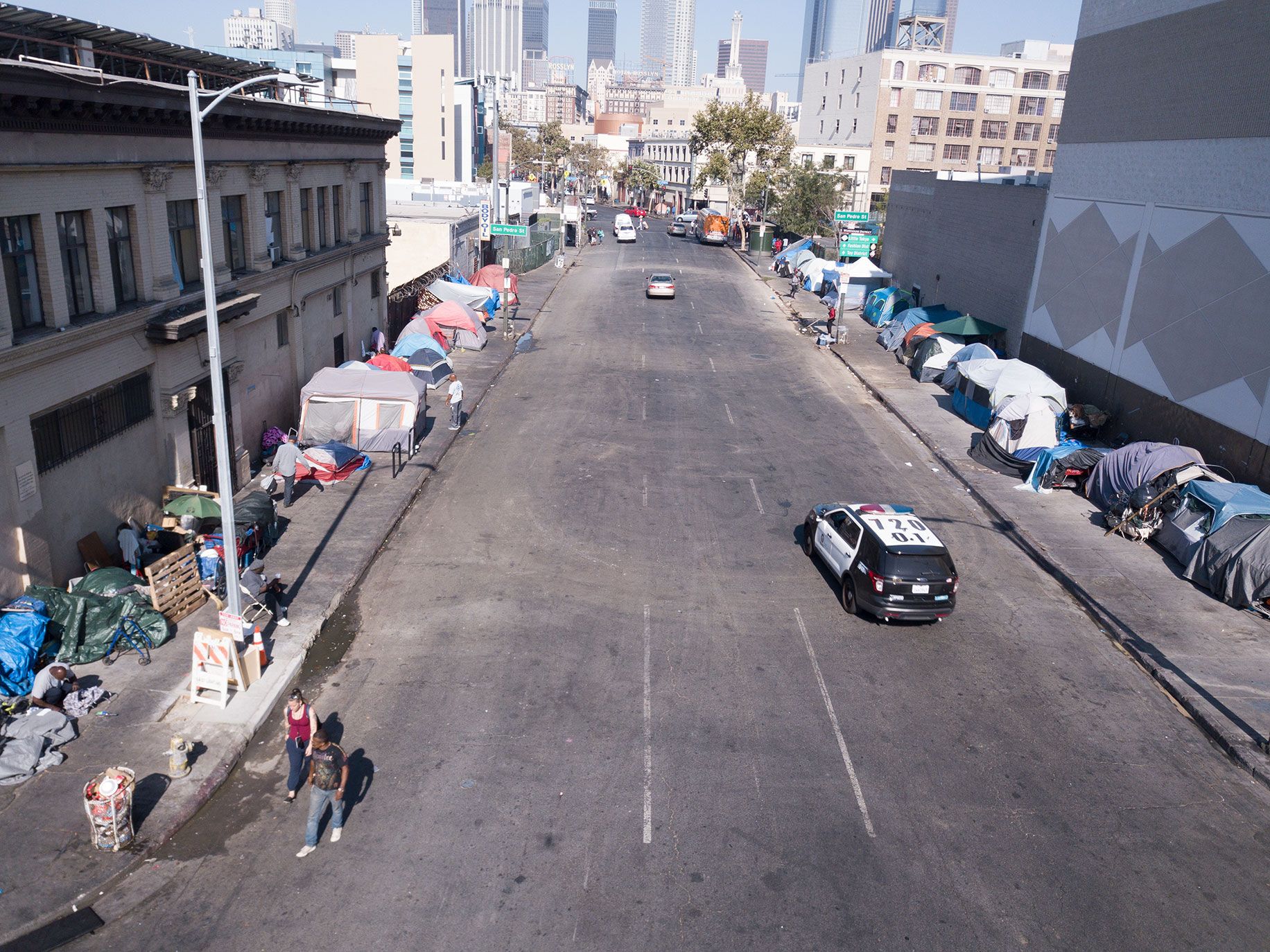
The most striking characteristic of Skid Row is the sheer number of individuals experiencing homelessness. Tents and makeshift shelters line sidewalks, doorways, and public spaces, creating an encampment that stretches for blocks in the heart of downtown Los Angeles. This visible presence is a constant reminder of the city’s ongoing housing crisis and the deep-seated issues that contribute to homelessness, including poverty, lack of mental health care, substance abuse, and the prohibitive cost of housing in Southern California.
The population within Skid Row is diverse. It includes individuals suffering from severe mental illness, those struggling with addiction, veterans, families, and people who have simply fallen through the cracks of the economic system. Each person has a unique story, and their presence in Skid Row is a consequence of a confluence of personal and systemic challenges. While the media often portrays Skid Row through a lens of crisis, it is also a community, albeit one formed out of desperation and shared hardship.
Social Services and Support Systems
Despite its challenges, Skid Row is also home to a significant number of social service organizations and non-profits that work tirelessly to provide assistance to its residents. These organizations offer a range of services, including shelter, food, job training, mental health counseling, and medical care. Major facilities like the Los Angeles Mission and the Union Rescue Mission have long been cornerstones of support, providing essential services to those most in need.
The presence of these service providers highlights the ongoing efforts to address the multifaceted issues faced by Skid Row’s residents. However, the scale of the problem often outstrips the resources available, leading to a constant struggle to meet the overwhelming demand. The dynamics between the unhoused population and the service providers are intricate, involving issues of access, effectiveness, and the long-term goal of permanent housing solutions.
The Socioeconomic Context of Downtown Los Angeles
Skid Row exists within the broader context of downtown Los Angeles, a rapidly developing urban center that is also home to gleaming skyscrapers, financial institutions, and burgeoning cultural attractions like the Grand Central Market and the Walt Disney Concert Hall. This juxtaposition of extreme wealth and extreme poverty is one of the most jarring aspects of the Skid Row experience. The proximity to economic opportunity and luxury living only serves to accentuate the stark reality of those living on the streets.
The economic disparity is a significant factor in understanding the challenges faced by Skid Row. The high cost of living and the lack of affordable housing in Los Angeles are primary drivers of homelessness, pushing individuals and families into precarious living situations. The ongoing development and gentrification of downtown Los Angeles also raise complex questions about displacement and the availability of affordable housing for low-income residents.
Addressing the Skid Row Challenge: Efforts and Controversies
The persistent presence of Skid Row has led to numerous efforts to address the complex issues of homelessness, poverty, and urban blight. These initiatives often involve collaboration between city government, non-profit organizations, and community stakeholders, but they are also frequently met with debate and controversy.
Housing First and Decriminalization Efforts
One of the most widely discussed approaches to tackling homelessness is the “Housing First” model. This philosophy prioritizes providing immediate and stable housing to individuals experiencing homelessness, believing that having a safe and secure place to live is a prerequisite for addressing other challenges such as mental health, addiction, and unemployment. Los Angeles has seen various initiatives implementing Housing First principles, aiming to transition individuals from the streets into permanent supportive housing.
Another aspect of the discussion surrounding Skid Row involves the question of its decriminalization. Critics argue that laws and enforcement tactics that criminalize homelessness, such as anti-camping ordinances, only serve to displace vulnerable individuals without addressing the root causes of their situation. Advocates for decriminalization emphasize the need for compassionate and effective solutions that focus on providing support and resources rather than punishment.
Criticisms and the Path Forward
Despite the intentions behind various initiatives, addressing Skid Row remains an immense challenge, and many efforts have faced criticism. Some argue that solutions are too slow, too limited in scope, or fail to adequately address the underlying systemic issues. Others point to the perceived lack of political will or the difficulty in balancing the needs of the unhoused population with the concerns of residents and businesses in surrounding areas.
The path forward for Skid Row is undeniably complex. It requires a multi-pronged approach that includes not only providing immediate shelter and services but also addressing the broader societal issues that contribute to homelessness. This includes increasing the supply of affordable housing, expanding access to mental health and addiction treatment, fostering economic opportunities, and implementing policies that prevent people from falling into homelessness in the first place. Ultimately, transforming the reality of Skid Row will require sustained commitment, innovative solutions, and a collective understanding of the human dignity of every individual. While not a place for typical tourism, understanding Skid Row is an essential part of understanding the fabric of Los Angeles.
LifeOutOfTheBox is a participant in the Amazon Services LLC Associates Program, an affiliate advertising program designed to provide a means for sites to earn advertising fees by advertising and linking to Amazon.com. Amazon, the Amazon logo, AmazonSupply, and the AmazonSupply logo are trademarks of Amazon.com, Inc. or its affiliates. As an Amazon Associate we earn affiliate commissions from qualifying purchases.