
California, a state renowned for its breathtaking natural landmarks, from ancient redwood forests to pristine coastlines and towering mountain ranges, faces an increasingly severe and complex challenge: wildfires. The question “How much of California is burned?” goes beyond mere statistics; it delves into the profound impact on the state’s irreplaceable natural heritage, altering landscapes that have defined its allure for centuries. Understanding the extent of this burning is crucial for appreciating the resilience of nature, the scale of human efforts in conservation, and the evolving face of California’s most cherished natural sites.
Wildfires in California are not a new phenomenon; they are an inherent part of its diverse ecosystems, playing a natural role in forest regeneration and ecological balance. However, in recent decades, their frequency, intensity, and sheer scale have escalated dramatically, driven by a confluence of factors including prolonged droughts, climate change, and historical fire suppression policies. This has transformed fire seasons into year-round threats, consuming vast tracts of wilderness and encroaching upon areas previously considered safe. For enthusiasts of natural landmarks, the implications are significant, necessitating an informed perspective on how these iconic places are being shaped by fire.
The Shifting Landscape: Understanding Wildfire Extent Across California’s Natural Treasures
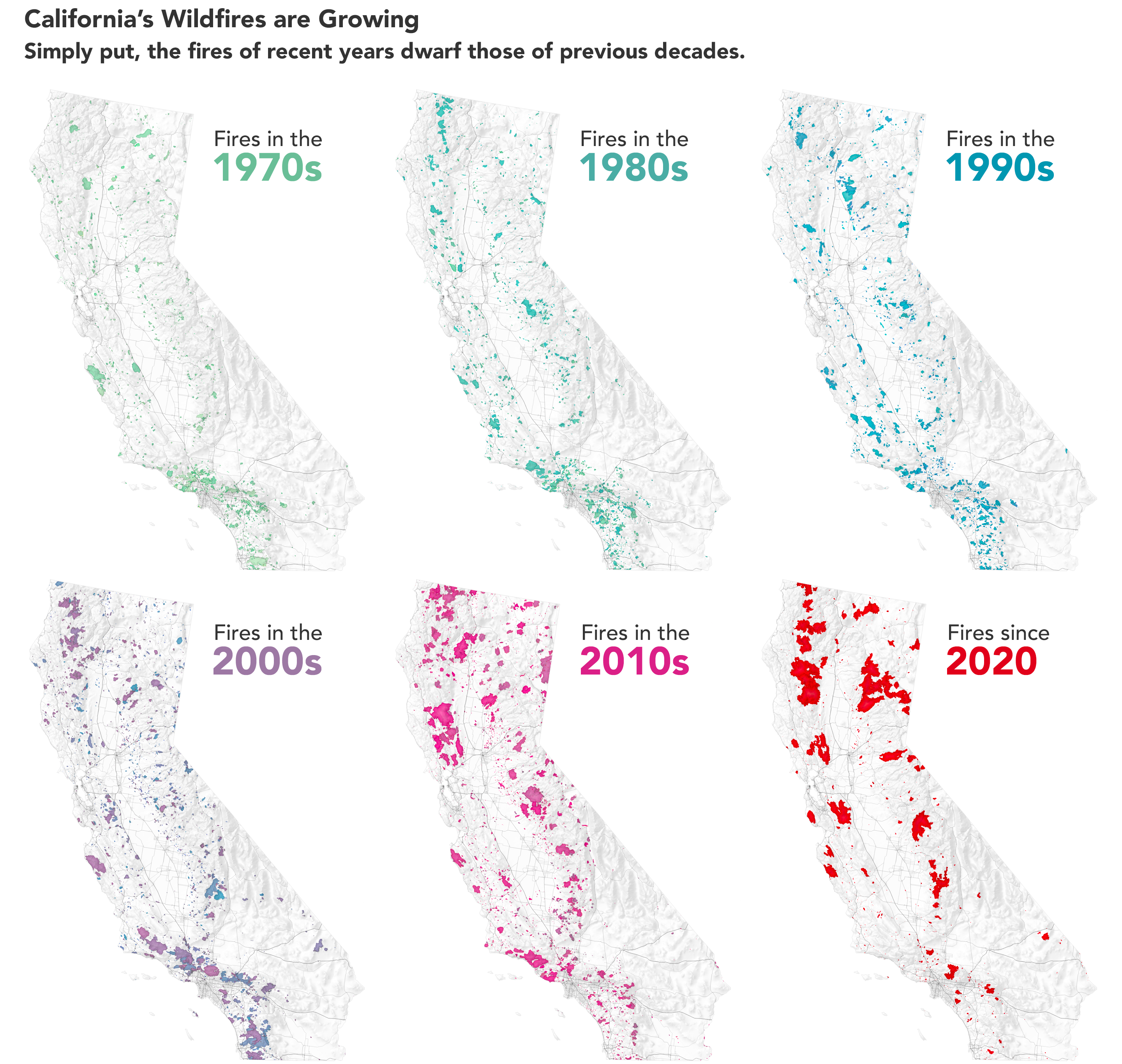
Quantifying the extent of burned land in California is an annual, often harrowing, exercise. The numbers fluctuate dramatically year to year, but the trend points unequivocally towards larger and more destructive fires. These fires do not discriminate, often tearing through both pristine wilderness and areas adjacent to human habitation, leaving indelible marks on the natural landmarks that draw visitors from around the globe.
Historical Patterns and Unprecedented Scales
Historically, California has experienced natural fire cycles, with many of its ecosystems adapted to periodic low-intensity burns. However, modern wildfires often defy these historical patterns, burning at unprecedented scales and intensities. In recent years, it has not been uncommon for individual fire seasons to see millions of acres scorched across the state. These figures represent an area larger than some small countries, highlighting the immense geographical footprint of these events. For instance, some of the largest fires in California’s history, measured by acreage, have occurred in the last decade, significantly impacting national forests, state parks, and other publicly managed natural landmarks. The sheer volume of land consumed means that vast swaths of natural beauty, including popular hiking trails, scenic overlooks, and unique geological formations, are periodically—or permanently—transformed. This historical trend of increasing acreage burned underscores the critical need for proactive forest management and climate action to protect California’s natural legacy.
Beyond Acreage: Assessing Damage to Diverse Ecosystems
While raw acreage provides a macro view, understanding the impact on California’s natural landmarks requires a deeper look into the diversity of affected ecosystems. Not all “burned” land is equal; the intensity of the fire dictates the severity of ecological damage. A low-intensity fire might clear underbrush, promoting new growth, while a high-intensity blaze can sterilize soil, destroy mature trees, and fundamentally alter the landscape for decades.
California’s natural landmarks encompass an extraordinary range of ecosystems: dense conifer forests in the Sierra Nevada, arid chaparral in the Santa Monica Mountains, oak woodlands, and coastal scrub. Each ecosystem responds differently to fire. Chaparral, for example, is highly flammable but adapted to periodic fire, with many species regenerating quickly from seeds or resprouting from root crowns. Conifer forests, particularly those home to ancient trees like the giant sequoias, are more vulnerable to high-severity fires that can overcome their natural defenses. Assessing the damage involves not just mapping burn perimeters, but also evaluating burn severity within those areas, providing a nuanced picture of how California’s natural wonders are truly impacted. This granular understanding is vital for effective restoration and for guiding visitors to areas that remain pristine or are safely in recovery.
Iconic Natural Landmarks and Their Vulnerability
The threat of wildfires casts a long shadow over California’s most celebrated natural landmarks. These are the places that define the state’s identity, attracting millions eager to witness their grandeur. The destruction or alteration of these sites due to fire has profound implications for their ecological integrity and their future as destinations for nature lovers.
Giants Under Threat: National Parks and Ancient Forests
California is home to some of the world’s most spectacular national parks, many of which contain iconic natural landmarks. Yosemite National Park, with its granite cliffs and waterfalls, and Sequoia National Park and Kings Canyon National Park, guardians of the planet’s largest trees, have all faced significant wildfire threats. The giant sequoias, magnificent living landmarks that can live for thousands of years, evolved with fire, relying on low-intensity burns to clear competing vegetation and prepare the soil for their seeds. However, the mega-fires of recent years burn hotter and larger, threatening these ancient titans. Hundreds of sequoias have been lost in recent fire seasons, a devastating blow to a species that embodies the resilience and majesty of California’s nature. The impact extends beyond the trees themselves, affecting the complex ecosystems they support and the visitor experience in these revered national treasures.
Coastal Gems and Mountainous Havens: A Spectrum of Impact
Beyond the renowned national parks, California’s diverse topography means wildfires impact a wide array of other natural landmarks. The rugged, dramatic coastline of Big Sur, a world-famous scenic drive and natural area, has repeatedly seen its redwood forests and chaparral slopes consumed by fire. While coastal ecosystems can often recover, the aesthetic damage and the risk of landslides in burned areas pose significant challenges for this fragile landmark.
In Southern California, the Santa Monica Mountains, a unique urban-wilderness interface, have also been ravaged by blazes, affecting its diverse wildlife corridors and recreational areas. Further north, the pristine waters and surrounding forests of Lake Tahoe have been menaced by fires, threatening both its ecological balance and its status as a premier natural landmark. Each of these regions presents unique vulnerabilities and recovery challenges, underscoring the pervasive nature of wildfire risk across the state’s natural splendors. The varying ecological responses mean that the recovery of these landmarks is a complex, long-term endeavor.

The Long Road to Recovery for California’s Natural Heritage
The immediate aftermath of a wildfire is often one of devastation, but it also marks the beginning of a long and intricate process of ecological recovery. For California’s natural landmarks, this recovery is a testament to nature’s resilience, often aided by dedicated human intervention.
Ecological Scars and Nature’s Resilience
Wildfires leave deep ecological scars on the landscape. Beyond the obvious destruction of vegetation, high-intensity fires can alter soil chemistry, destroy seed banks, and eliminate critical habitat for wildlife. The loss of vegetative cover can lead to severe soil erosion, especially in steep terrain, increasing the risk of landslides and debris flows that can further damage natural infrastructure and waterways. Watersheds are particularly vulnerable, with increased runoff and sedimentation impacting water quality for years.
Despite these challenges, nature possesses an incredible capacity for resilience. Pioneer species often emerge first, stabilizing soil and providing shade for subsequent growth. Many native plants in California‘s ecosystems have adaptations to fire, from serotinous cones that release seeds only when heated, to fire-activated dormant seeds in the soil. Wildlife, too, begins to return, often finding new niches or foraging opportunities in the post-fire landscape. The recovery of a natural landmark, however, is a long-term process, sometimes spanning decades or even centuries, highlighting the enduring impact of these events. The visual transformation from charred remains to vibrant new growth is a powerful reminder of nature’s continuous cycle.
Restoration Efforts: Rebuilding Natural Landmarks
Human intervention plays a critical role in accelerating and guiding the recovery of fire-damaged natural landmarks. Restoration efforts are multi-faceted, ranging from immediate emergency stabilization to long-term reforestation and habitat rehabilitation. Post-fire, land management agencies often implement erosion control measures, such as mulching and hydroseeding, to prevent further soil loss and protect water quality. Replanting native species is a common practice, particularly in areas where natural regeneration is slow or unlikely. For instance, in areas affected by sequoia fires, intensive efforts are underway to plant new sequoia groves, ensuring the continuity of these iconic landmarks.
Controlled burns and fuel reduction projects are also vital components of proactive restoration, aiming to restore natural fire regimes and reduce the risk of future catastrophic fires. By carefully thinning forests and conducting prescribed burns, land managers can create more resilient landscapes that are less susceptible to extreme fire behavior. These efforts are crucial not only for ecological health but also for preserving the aesthetic and recreational value of California’s natural landmarks for future generations. The aim is not just to recover but to build more resilient ecosystems.
Visiting California’s Natural Landmarks in a Fire-Prone Era
For those planning to experience California’s natural beauty, understanding the ongoing impact of wildfires and navigating fire-affected landscapes requires diligence and respect for the environment. Responsible tourism is paramount in this fire-prone era.
Informed Exploration: Safety and Awareness in Burned Areas
When planning a visit to California’s natural landmarks, especially during fire season (roughly May to November, though it can vary), it’s essential to stay informed about current conditions. Official park websites, state forest services, and local tourism boards provide up-to-date information on fire restrictions, trail closures, and air quality. Burned areas, even those years post-fire, can pose risks such as falling trees, unstable slopes, and flash floods during rain events. Visitors should always adhere to posted warnings and avoid entering closed areas.
Moreover, understanding and practicing fire safety is crucial. This includes respecting all fire bans, properly extinguishing campfires (if permitted), and never discarding cigarettes. Air quality can be significantly affected by wildfire smoke, even many miles from the fire itself, impacting outdoor activities and potentially posing health risks, particularly for sensitive individuals. Prioritizing safety and awareness ensures a responsible and enjoyable experience while respecting the delicate recovery process of these vital natural landmarks.

Supporting the Preservation of California’s Nature
As visitors, there are numerous ways to contribute to the preservation and recovery of California’s natural landmarks. Choosing to visit parks and natural areas when they are open and safe provides essential revenue for their maintenance and restoration efforts. Supporting local businesses in fire-impacted communities can also aid in their recovery.
Furthermore, engaging with and supporting conservation organizations dedicated to wildfire research, prevention, and ecological restoration is invaluable. These groups work tirelessly to protect California’s ecosystems and iconic landmarks from future threats. Volunteering for trail maintenance or reforestation projects, if opportunities arise, also offers a direct way to contribute to the healing of these landscapes. By being informed, responsible, and supportive, visitors can play a vital role in ensuring that California’s stunning natural heritage continues to thrive for generations to come.
In conclusion, the question of “How much of California is burned?” is a dynamic and complex one, reflecting an ongoing battle against increasingly severe wildfires. These fires leave an undeniable imprint on the state’s natural landmarks, from the ancient forests of the Sierra Nevada to the rugged coastline of Big Sur. While the scale of destruction can be daunting, it also highlights the incredible resilience of nature and the dedicated efforts of countless individuals and organizations working to restore and protect these precious sites. For anyone drawn to the majesty of California’s natural world, understanding this challenge and engaging responsibly is key to appreciating and safeguarding its irreplaceable beauty.
LifeOutOfTheBox is a participant in the Amazon Services LLC Associates Program, an affiliate advertising program designed to provide a means for sites to earn advertising fees by advertising and linking to Amazon.com. Amazon, the Amazon logo, AmazonSupply, and the AmazonSupply logo are trademarks of Amazon.com, Inc. or its affiliates. As an Amazon Associate we earn affiliate commissions from qualifying purchases.