
The Intersection of Public Finance and Hospitality in New York
The landscape of the hospitality industry in New York City has undergone a profound transformation over the last few years. While traditional tourism typically drives the local economy, a significant shift occurred as municipal authorities contracted commercial properties to house asylum seekers. This intersection of public policy, municipal budgeting, and the private lodging sector has sparked widespread debate among taxpayers, hoteliers, and urban planners alike. Understanding the true financial footprint requires a deep dive into municipal fiscal reports, emergency procurement contracts, and the broader economics of urban accommodation.

When discussing public expenditure on temporary housing, the conversation inevitably centers on how local tax dollars are allocated. The municipal government operates under a legally mandated “right to shelter,” which obligates the city to provide emergency lodging for individuals and families who lack a place to live. As the influx of migrants reached unprecedented levels, traditional shelters quickly hit maximum capacity, forcing the administration to pivot toward commercial properties, ranging from budget motels to iconic hospitality establishments across Manhattan and the outer boroughs.
Decoding Emergency Procurement and Municipal Budgets
To comprehend the financial scale, one must examine the emergency contracting process utilized by the City of New York. Unlike standard municipal bidding procedures, emergency contracts bypass lengthy review periods to secure rooms rapidly.
- Daily room rates negotiated with property operators.
- Additional provisions for security, laundry, and facility maintenance.
- Comprehensive catering services provided on-site.
These cumulative expenses form a multi-billion-dollar line item within the municipal budget. While a portion of these funds is eventually reimbursed by state and federal sources, the initial outlay is heavily fronted by local tax revenues generated within New York State. Consequently, taxpayers frequently scrutinize whether these expenditures displace traditional tourism revenue and how they impact the broader fiscal health of the region.
Economic Impact on the Local Hospitality Sector
The mass conversion of commercial accommodations into emergency housing has created a bifurcated lodging market. On one hand, property owners who secured long-term master-lease agreements with the municipal government enjoy guaranteed, stable revenue streams, shielding them from the seasonal fluctuations typically associated with leisure and business travel. On the other hand, traditional tourism and business travel segments experience constraints due to reduced inventory in certain price tiers.
Shifting Dynamics in Urban Accommodation
Hotels that traditionally cater to international tourists and corporate travelers have faced unique operational challenges. The presence of emergency housing contracts alters the neighborhood ecosystem, influencing local commerce, retail spending, and the perception of safety among prospective visitors planning a vacation to iconic destinations like Times Square or Central Park.
- Inventory Reduction: Fewer standard rooms available for general booking can drive up nightly rates at remaining commercial properties.
- Service Adaptation: Staffing models have shifted to accommodate security personnel, social service providers, and large-scale meal distribution rather than standard concierge and housekeeping operations.
- Neighborhood Perceptions: Local businesses experience mixed economic effects, depending on proximity to the converted facilities and shifts in foot traffic patterns.
Furthermore, industry analysts evaluate the long-term consequences for the hospitality brand equity of New York. Hoteliers must balance their civic responsibilities during a humanitarian crisis with the necessity of maintaining a welcoming environment for high-spending leisure travelers who support local restaurants, theaters, and retail outlets.
State and Federal Funding Reimbursements
A critical factor in determining the net cost to local taxpayers involves the interplay between municipal, state, and federal levels of government. Initially, the burden fell almost exclusively on city taxpayers, prompting intense negotiations between the mayoral administration and federal officials in Washington for financial relief.
The Fiscal Burden Sharing Model
While the White House has allocated specific tranches of emergency funding to assist municipalities dealing with the humanitarian crisis, local fiscal watchdogs emphasize that these allocations often fall short of total expenditures.
- Direct federal grants earmarked for emergency sheltering.
- State-level budget appropriations designed to offset medical and educational costs for incoming families.
- Local tax revenues filling the substantial funding gaps remaining after higher-level reimbursements.
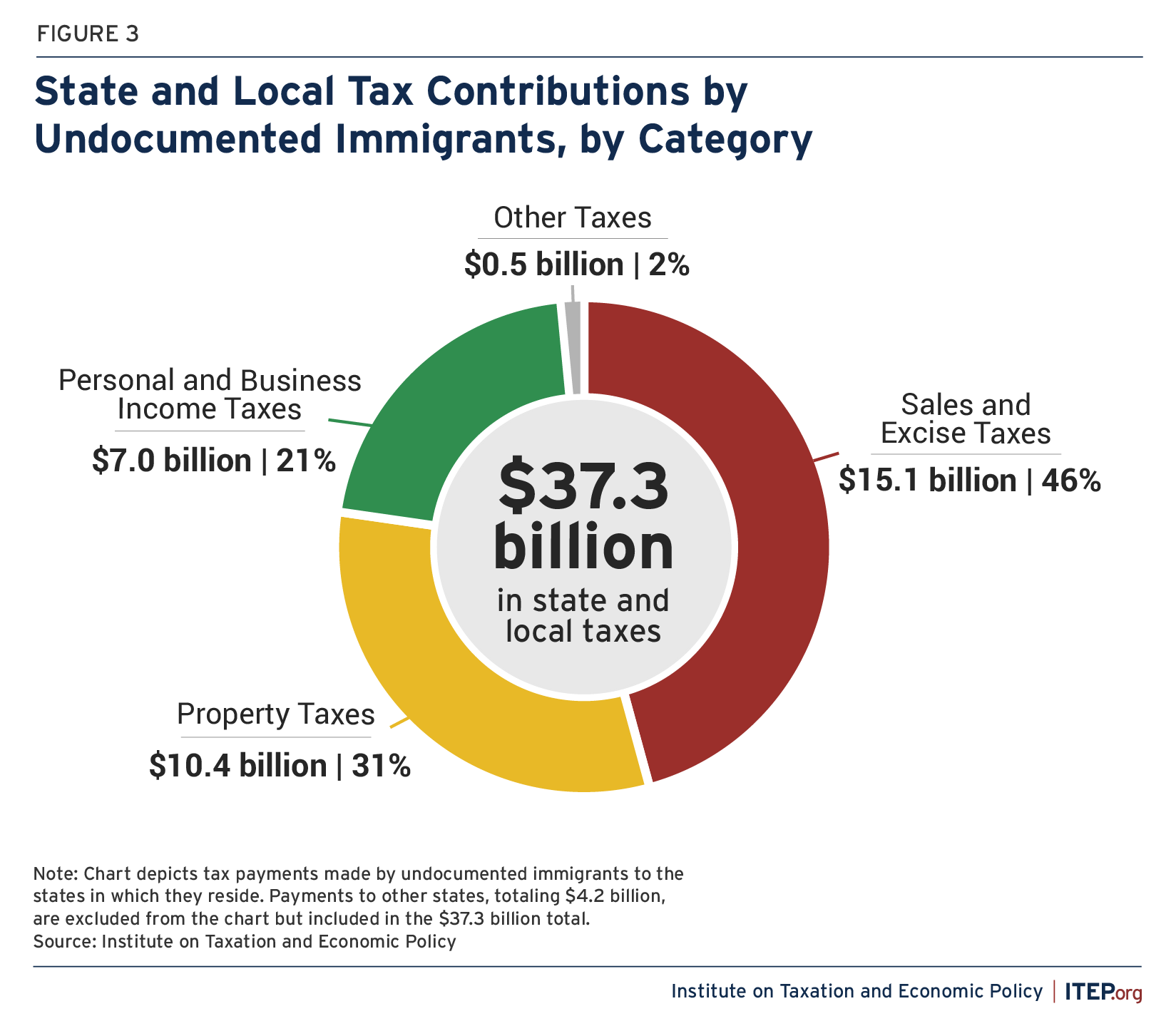
Taxpayers continuously demand transparency regarding how state tax dollars collected from regions like Albany or Buffalo are redistributed to support urban sheltering initiatives. This dynamic fuels ongoing legislative debates over fiscal accountability and the sustainability of long-term emergency housing policies.
Long-Term Solutions and the Future of Urban Housing
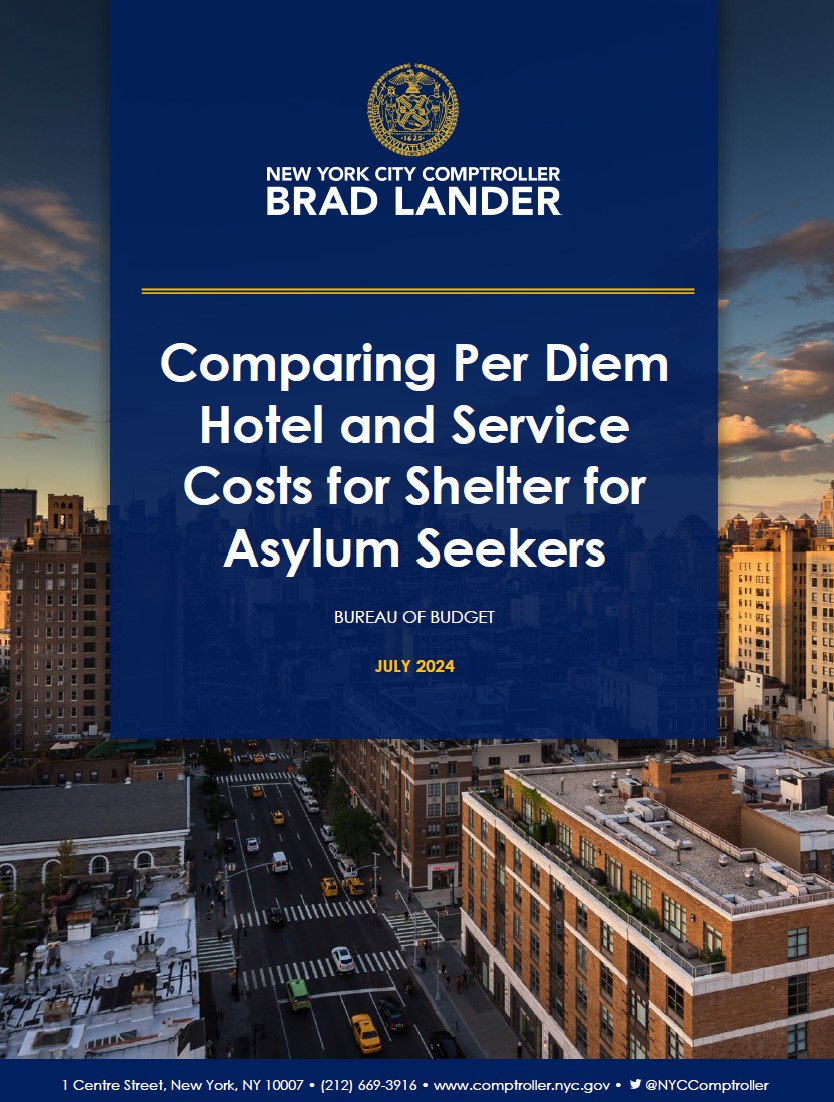
As municipal leaders look toward the future, the reliance on commercial properties for long-term sheltering is widely acknowledged as an unsustainable fiscal strategy. The per-room nightly costs—encompassing lodging, security, and supportive services—represent a significant drain on public coffers compared to transitional housing models or permanent affordable rental units.
Transitioning Away from Emergency Leases
The municipal government has increasingly sought to phase out contracts with high-cost providers, negotiating lower daily rates or transitioning residents toward more permanent housing solutions and case management services designed to foster self-sufficiency.
- Case Management: Directing families toward legal assistance for work authorizations to reduce dependency on public assistance.
- Alternative Sheltering: Developing large-scale humanitarian emergency response and relief centers that operate at lower per-capita costs than traditional hotels.
- Reintegration Programs: Collaborating with non-profit organizations to help migrants secure independent living arrangements across the United States.
Ultimately, while the immediate cost to local taxpayers remains substantial, the ongoing evolution of these policies highlights the complex relationship between municipal budgeting, social welfare mandates, and the resilience of the local hospitality infrastructure. As fiscal adjustments continue, the goal remains balancing humanitarian obligations with responsible stewardship of public funds.
LifeOutOfTheBox is a participant in the Amazon Services LLC Associates Program, an affiliate advertising program designed to provide a means for sites to earn advertising fees by advertising and linking to Amazon.com. Amazon, the Amazon logo, AmazonSupply, and the AmazonSupply logo are trademarks of Amazon.com, Inc. or its affiliates. As an Amazon Associate we earn affiliate commissions from qualifying purchases.