
For those who adhere to a pescatarian lifestyle—a diet centered on plants, supplemented by seafood—the prospect of visiting Hawaii often feels like a culinary homecoming. Surrounded by the vast, nutrient-rich waters of the Pacific Ocean, the islands are intrinsically linked to the sea. Whether you are wandering through the lush landscapes of Kauai, exploring the vibrant city life of Honolulu, or relaxing on the golden shores of Maui, the availability of fresh, sustainable, and culturally significant seafood is unparalleled.
The Bounty of the Pacific: Freshness at the Source
The primary advantage of being a pescatarian in Hawaii is the sheer accessibility of “catch-of-the-day” dining. Unlike inland regions where seafood is often frozen, transported, and stored, the Hawaiian culinary scene thrives on proximity.
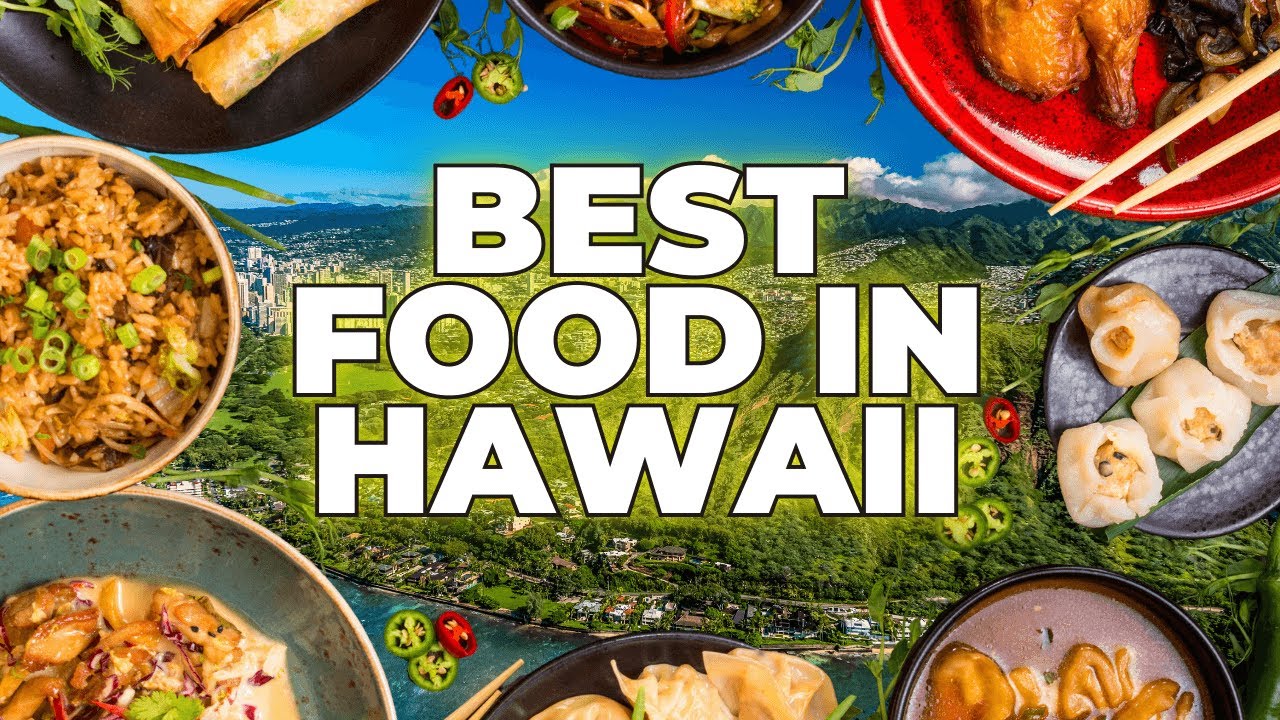
Understanding Local Seafood Staples
When dining across the islands, you will encounter a variety of indigenous species that define the local palate. Ahi (bigeye or yellowfin tuna), Mahi-Mahi (dorado), and Ono (wahoo) are staples on almost every restaurant menu from Oahu to the Big Island.
Pescatarians will find themselves well-catered to in both high-end establishments and casual “plate lunch” spots. A traditional poke bowl—fresh cubes of raw fish marinated in soy sauce, sesame oil, and sea salt—is not merely a snack; it is a dietary cornerstone. Because the sourcing is localized, the quality is consistently superior, providing a nutrient-dense protein source that aligns perfectly with a pescatarian regimen.
Sustainable Practices and Cultural Integrity
Hawaii has a long history of traditional aquaculture, known as loko i’a. This ancient practice of building stone walls to create fishponds along the shoreline allowed native Hawaiians to farm fish sustainably for centuries. Today, many chefs in destinations like Waikiki work closely with local fishermen and farmers who prioritize sustainable harvesting methods. Choosing to eat locally caught fish not only supports the island economy but also ensures that your carbon footprint remains lower than it would be if you were consuming imported proteins.
Navigating the Islands: A Culinary Guide
While the fish is exceptional, a truly balanced pescatarian diet requires more than just seafood. Fortunately, the volcanic soil of the Hawaiian archipelago provides a bounty of fruits and vegetables that are equally impressive.
Beyond the Catch: Tropical Produce
Hawaii offers a cornucopia of plant-based foods that make it exceptionally easy for pescatarians to find variety. Taro, a root vegetable that is a staple of Hawaiian cuisine, is often prepared as poi or roasted into chips. Breadfruit, mangoes, papayas, and macadamia nuts are widely available at farmers’ markets like those found in Hilo.

If you are traveling through the North Shore, you will find that food trucks are abundant, offering everything from garlic shrimp plates to vegetarian-friendly vegetable curries infused with coconut milk. This accessibility ensures that you never feel forced to choose between limited options; rather, you are encouraged to explore a diverse range of fresh, healthy ingredients.
Strategic Dining for Pescatarians
When planning your trip, consider your location:
- For the Gourmet: Maui offers upscale ocean-to-table experiences where the menu changes daily based on what the local fishing boats have brought to the dock.
- For the Casual Traveler: Oahu provides the most eclectic mix, featuring everything from authentic Japanese-influenced seafood to modern fusion cafes that cater to health-conscious diners.
- For the Nature Enthusiast: On the Big Island, prioritize visits to local farm-to-table cooperatives where you can sample fresh greens harvested that morning alongside line-caught fish.
Overcoming Dietary Challenges in Remote Areas
While Hawaii is largely a paradise for pescatarians, there are minor logistical considerations for those venturing into more remote regions, such as the Hana coast or the deeper valleys of Molokai.
Tips for Remote Travel
In less populated areas, general stores might have a more limited inventory compared to the bustling markets of Honolulu. If you are planning an extensive road trip or a long stay in a remote villa, it is advisable to stock up on staples when near a major town center. Ensure you have access to a kitchenette, as many of the best dining experiences in Hawaii involve purchasing fresh, raw ingredients from local fishermen and preparing them in your own resort or rental unit.
Engaging with Local Markets
The best way to guarantee a successful pescatarian experience is to immerse yourself in the local market culture. Visiting the KCC Farmers Market provides direct access to local growers and fishmongers. Talking to the vendors is not only a great way to source high-quality food, but it also offers a deeper understanding of the local culture and the history of Hawaiian agriculture. These interactions are often the highlight of a trip, providing a personal connection to the food you consume.

The Verdict: A Pescatarian Paradise
Is Hawaii good for pescatarians? The answer is an emphatic yes. The islands provide a unique environment where the culinary identity is inextricably linked to the sea and the land. By prioritizing locally caught fish and integrating the diverse range of tropical plants and fruits grown in the volcanic soil, pescatarians can enjoy a diet that is not only convenient but also deeply satisfying and culturally enriching.
Whether you are staying at a luxury hotel in Kona or camping along the rugged cliffs of Lanai, you will find that the Hawaiian approach to food naturally complements your dietary needs. The combination of sustainable, fresh, and high-quality ingredients makes this island chain one of the premier destinations for travelers who want to eat well while respecting their dietary principles. By moving away from processed, imported goods and embracing the local harvest, you ensure that your journey through Hawaii is as nourishing for your body as it is for your spirit.
From the golden sunrises over the Pacific Ocean to the vibrant sunsets viewed from a beachside bistro, every aspect of the Hawaiian experience supports a lifestyle of health, vitality, and respect for the environment. For the discerning pescatarian, the Aloha State is not just a destination—it is a sustainable, culinary dream.
LifeOutOfTheBox is a participant in the Amazon Services LLC Associates Program, an affiliate advertising program designed to provide a means for sites to earn advertising fees by advertising and linking to Amazon.com. Amazon, the Amazon logo, AmazonSupply, and the AmazonSupply logo are trademarks of Amazon.com, Inc. or its affiliates. As an Amazon Associate we earn affiliate commissions from qualifying purchases.