
Navigating the golden state of California can be an exhilarating experience, filled with iconic landmarks, diverse landscapes, and vibrant city life. Whether you’re embarking on a leisurely road trip along the scenic Pacific Coast Highway, exploring the wonders of Disneyland, or soaking in the culture of San Francisco, driving in California often means encountering its extensive network of red light cameras. While these cameras are in place to enhance safety, understanding the financial implications of a red light camera ticket is crucial for any traveler or resident. This article delves into the costs associated with red light camera tickets in California, offering insights into potential fines, fees, and the overall financial impact.
The allure of California as a travel destination is undeniable. From the star-studded streets of Los Angeles to the majestic redwood forests of the north, there’s a vast array of experiences to discover. Visitors often plan their stays in charming boutique hotels in San Diego, luxurious resorts in Palm Springs, or cozy apartments offering a local feel in neighborhoods like Oakland. For those planning extended stays, the options for accommodation are plentiful, catering to every budget and lifestyle, from budget-friendly hostels to opulent villas. When exploring the rich tapestry of local culture, savoring the diverse culinary scene, or visiting historical landmarks like the Golden Gate Bridge, the freedom of personal transportation is often preferred. This freedom, however, comes with the responsibility of adhering to traffic laws, including observing traffic signals.
Understanding the Cost of a Red Light Camera Ticket in California
A red light camera ticket in California is more than just a simple fine; it’s a composite of various charges that can significantly increase the initial perceived cost. The base fine for running a red light in California is set by state law, but local jurisdictions and the accumulation of penalty assessments can inflate this amount considerably. Understanding these components is key to grasping the total financial burden.
The Base Fine and Penalty Assessments
The statutory base fine for a red light violation in California is typically around $100. However, this figure is rarely the amount you will actually pay. Numerous state and county penalty assessments are added to this base fine, substantially increasing the total cost. These assessments are designed to fund various state programs, including court operations, judicial augmentation, and the state’s general fund.
When these penalty assessments are applied, the total fine for a red light camera ticket can easily climb. While the exact amounts can fluctuate slightly, it is common for a single red light ticket to cost anywhere from $400 to over $500. This significant jump from the base fine is a crucial point that many drivers overlook. It’s essential to factor in these additional costs when budgeting for travel or simply managing your finances as a resident.
Court Costs and Administrative Fees
In addition to penalty assessments, there may be additional court costs and administrative fees associated with processing the ticket. These can vary depending on the specific county court handling the infraction. While these might seem minor compared to the penalty assessments, they contribute to the overall financial impact. The legal system has administrative processes that incur costs, and these are often passed on to the ticket recipient.
Impact on Insurance Premiums
Beyond the immediate financial outlay of the ticket itself, one of the most significant long-term costs associated with a red light camera ticket is the potential increase in your car insurance premiums. Insurance companies view moving violations, including running a red light, as indicators of higher risk. A conviction for a red light violation can lead to a rise in your insurance rates, which can persist for several years, making the ticket a much more expensive proposition in the long run. This is particularly true for drivers with a history of traffic violations. For individuals who rely heavily on their vehicles for business or leisure, such as those frequently exploring national parks like Yosemite or attending events in major cities like San Jose, a significant insurance premium hike can be a substantial budgetary concern.
Factors Influencing the Cost and How to Avoid Them
While the cost of a red light camera ticket in California can be substantial, several factors influence the final amount, and understanding these can empower drivers to avoid such penalties.
Geographic Location and Local Ordinances
The specific city or county where the red light camera is located can sometimes influence the precise amount of the ticket. While state law sets the framework for fines and penalties, there can be minor variations in how these are applied or if any additional local administrative fees are levied. California has numerous cities, each with its own traffic enforcement strategies. For example, a ticket issued in a bustling metropolitan area like Los Angeles might have slightly different processing fees than one issued in a smaller town, although the core penalty assessments are generally uniform across the state.
The Importance of Driver Behavior

The most effective way to avoid the cost of a red light camera ticket is, of course, to avoid receiving one. This requires diligent attention to driving habits and a conscious effort to obey traffic signals.
- Observe Signal Timings: Be aware of when traffic lights are about to change. Anticipating the change and stopping safely is crucial. Rushing through intersections can lead to unintended violations.
- Understand Intersection Rules: Know the specific rules for right turns on red. In California, a right turn on red is permitted after a full stop, unless a sign prohibits it. However, ensure the intersection is clear before proceeding.
- Be Mindful of Camera Locations: While it’s not advisable to rely solely on knowing camera locations, being aware that they are present in many intersections can serve as a reminder to drive cautiously. These cameras are often placed in areas with a history of accidents or violations.
Challenging a Ticket
In some instances, drivers may have grounds to contest a red light camera ticket. This could involve technical issues with the camera, errors in the citation, or proving that the violation did not occur as alleged. Challenging a ticket can be a complex process and may involve appearing in court or submitting written evidence. While it can be time-consuming, successfully challenging a ticket can save drivers hundreds of dollars and prevent points from being added to their driving record, which could further impact insurance rates. The option to challenge is a fundamental aspect of the legal system, providing recourse for individuals who believe they have been unfairly cited.
Red Light Camera Systems in California: How They Work and What They Capture
Understanding how red light camera systems operate in California can demystify the technology and highlight why drivers need to be extra vigilant at intersections. These systems are designed to automatically detect and record vehicles that run red lights, serving as a deterrent to dangerous driving behavior.
The Technology Behind Red Light Cameras
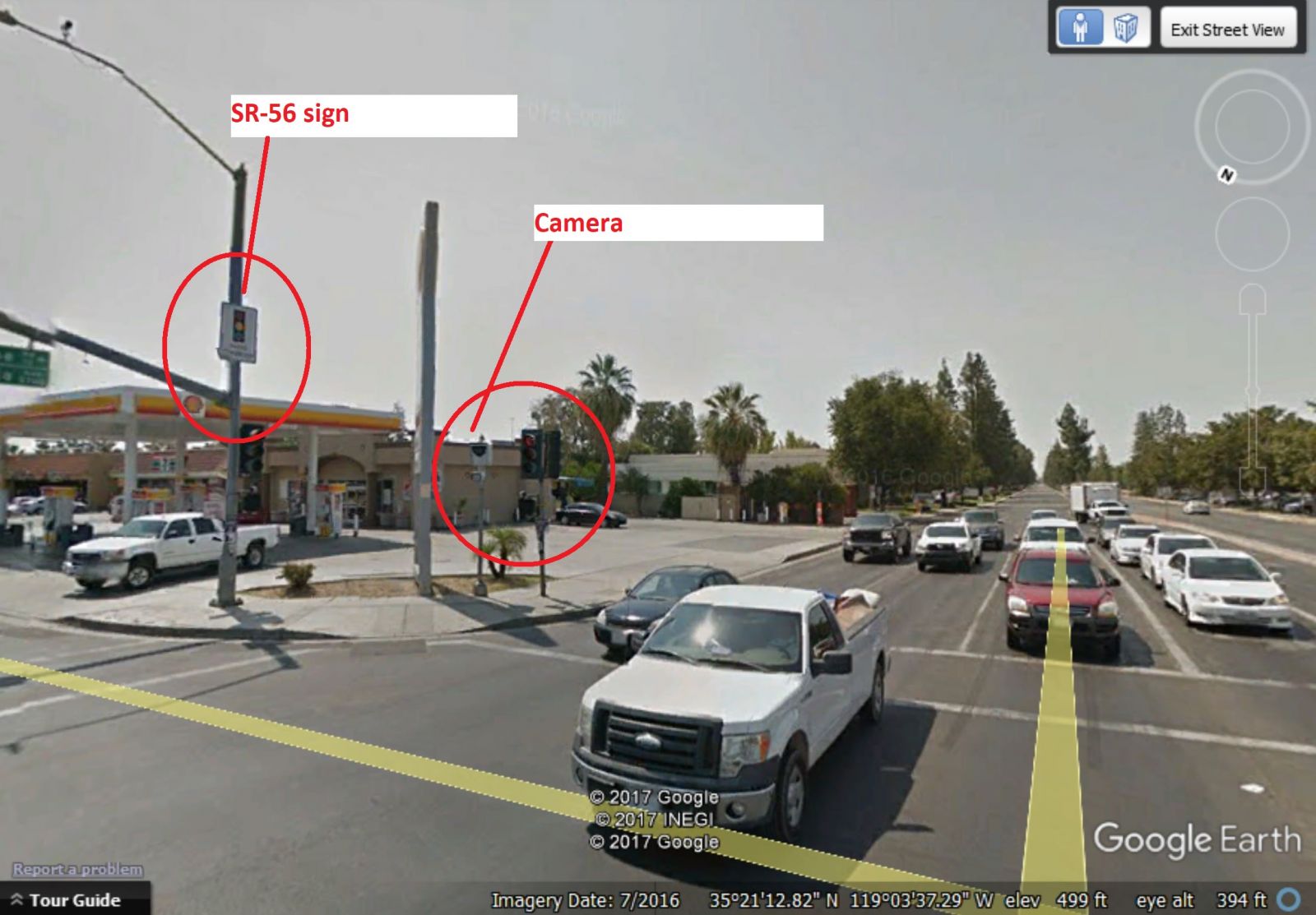
Red light camera systems typically consist of two cameras mounted on poles at an intersection. One camera captures a wide-angle image of the intersection, showing the vehicle approaching the red light. The second camera captures a close-up image of the vehicle’s license plate once it has entered the intersection against a red signal. These systems are triggered by sensors embedded in the pavement or by radar.
When a vehicle crosses the stop line or enters the intersection after the light has turned red, the sensors or radar detect the movement. The system then captures multiple images and often a short video clip of the violation. These digital records, along with timestamps and information about the intersection, are then sent to a processing center where they are reviewed by law enforcement personnel before a citation is issued. This technological infrastructure ensures that violations are captured with a high degree of accuracy, leaving little room for error in the evidence.
Evidence Required for a Ticket
To issue a valid red light camera ticket in California, the evidence captured by the system must be compelling. The citation typically includes:
- Photographs of the vehicle entering the intersection on a red light, clearly showing the license plate.
- A photograph of the traffic signal at the time of the violation, indicating it was red.
- A diagram of the intersection showing the location of the sensors and cameras.
- The date and time of the violation.
This comprehensive set of evidence is designed to provide irrefutable proof of the infraction, making it difficult to contest unless there are significant discrepancies or errors in the data. For travelers who are unfamiliar with the local road networks, such as navigating the sprawling urban landscape of Los Angeles or finding specific accommodations like the Hollywood Roosevelt Hotel, paying close attention to traffic signals at all times is paramount.
Navigating California’s Roads: Budgeting for Potential Penalties
For many, a trip to California is a carefully planned event, involving booking flights, securing accommodation in desirable locations like Santa Barbara or a family-friendly resort near Anaheim, and budgeting for activities and dining. While the focus is often on the experiences, understanding potential unexpected costs, such as traffic tickets, is a wise aspect of travel budgeting.
The Financial Ramifications for Travelers
Tourists and short-term visitors to California are not exempt from traffic laws. A red light camera ticket can add an unexpected and significant expense to a vacation budget. For instance, a family planning a trip to explore the natural beauty of Big Sur or visit attractions in San Francisco might find that a $400-$500 ticket can detract from their planned spending on experiences or dining at renowned restaurants. It’s prudent for travelers to be aware of these potential costs and to drive with extra caution, especially when unfamiliar with local road layouts and traffic signal patterns.

Long-Term Financial Impact for Residents
For California residents, the financial impact of red light camera tickets extends beyond the immediate fine. As mentioned, increased insurance premiums can be a sustained burden. Over several years, these increased costs can far exceed the original fine amount. This underscores the importance of maintaining a clean driving record. For those who frequently travel for business, requiring stays at corporate accommodations or exploring new destinations for leisure, the cumulative effect of traffic penalties can strain personal finances considerably. Therefore, prioritizing safe driving practices is not just about avoiding immediate penalties but also about safeguarding one’s financial future. Whether you are a resident enjoying the diverse lifestyle offerings of the state or a visitor exploring its iconic landmarks, understanding and respecting traffic laws, including those pertaining to red light cameras, is essential for a smooth and financially sound experience.
LifeOutOfTheBox is a participant in the Amazon Services LLC Associates Program, an affiliate advertising program designed to provide a means for sites to earn advertising fees by advertising and linking to Amazon.com. Amazon, the Amazon logo, AmazonSupply, and the AmazonSupply logo are trademarks of Amazon.com, Inc. or its affiliates. As an Amazon Associate we earn affiliate commissions from qualifying purchases.